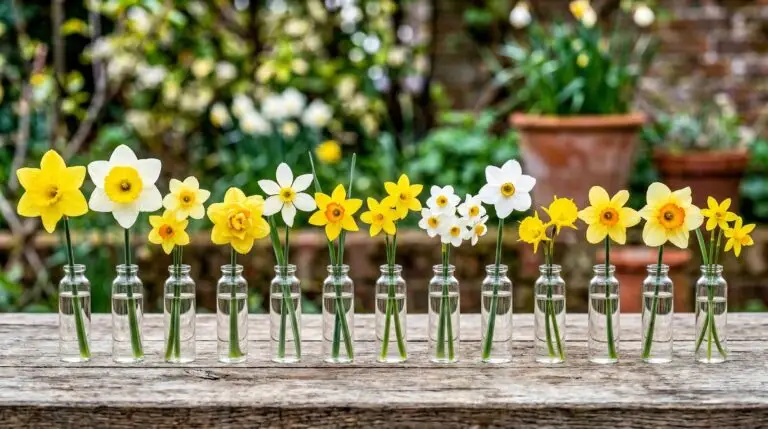
One of the most common frustrations gardeners bring to me is the mystery of the disappearing daffodil blooms. You spend a weekend in the fall carefully planting dozens of bulbs, and the following spring, you are rewarded with a great display of yellow and white flowers. Then the second spring rolls around, and all you get is a thick patch of green leaves with absolutely no flower buds in sight. This condition is called “blindness,” and it leaves many people wondering why their daffodils stop blooming after the first year. The good news is that the bulbs are usually still alive and healthy enough to grow leaves. When daffodils are not blooming, they are simply telling you that their energy reserves are too low to produce a flower, or their growing environment has changed in a way they do not like.
Fixing blind daffodils requires understanding how bulbous plants store their energy from one season to the next. Unlike annuals that grow, flower, and die in a few months, a daffodil bulb is a long-term storage organ that needs to recharge itself every single year. If something interrupts that recharging process, the bulb skips flowering to conserve energy for survival. I see the exact same energy management behaviors when people ask me how to get a tulip to come back reliably, as both plants rely heavily on their foliage to fuel the following year’s performance. By looking closely at how you treat the plants after they finish flowering, and where they are planted, we can usually pinpoint exactly why they failed to bloom.
Cutting back the foliage too soon
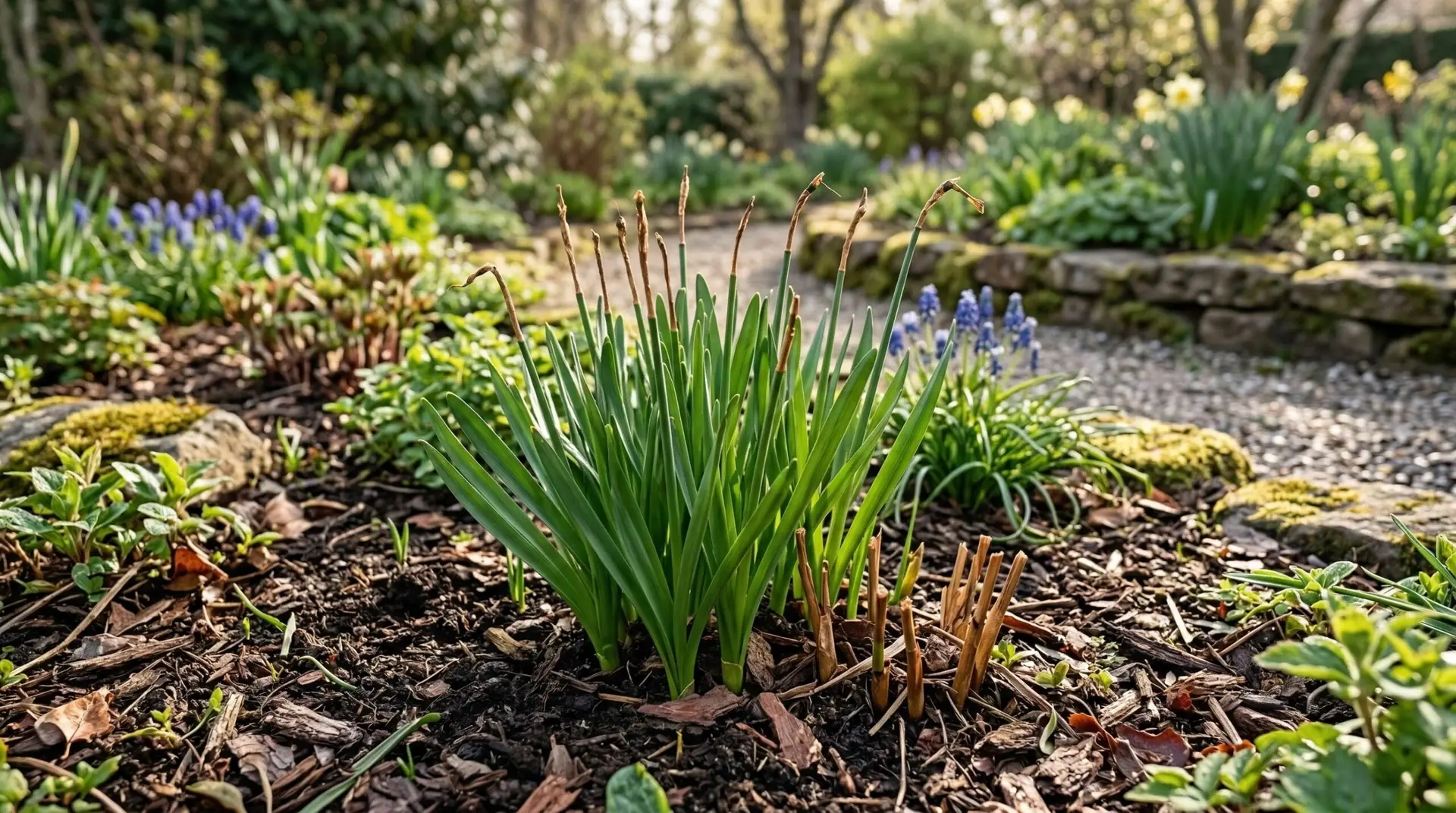
The single biggest mistake people make with daffodils happens about two weeks after the flowers fade. The yellow petals dry up, leaving behind long, floppy green leaves that start to look messy in the spring garden. Many gardeners want things neat and tidy, so they get out their shears and cut the green foliage right down to the ground. When you cut green leaves off a daffodil, you are completely cutting off its food supply for the next year. Those green leaves act like solar panels, absorbing sunlight and turning it into energy that gets sent down into the bulb to form next spring’s flower bud. If you remove the leaves before they naturally turn yellow and die back, the bulb starves and will only have enough energy to push up leaves the following year.
You also need to avoid the old trick of braiding the leaves or tying them up in neat little knots with rubber bands. Tying the foliage together reduces the surface area exposed to the sun, which severely limits the amount of photosynthesis the plant can perform. To prevent blind daffodils, you have to let the leaves flop over and do their job until they turn completely yellow or brown and pull away from the bulb with a gentle tug. This usually takes about six weeks after the flowers fade, which can test your patience if you like a perfectly manicured yard. A better strategy is to plant companion perennials like hostas or daylilies near your daffodils, as their emerging spring foliage will grow up and hide the messy dying daffodil leaves from view.
Overcrowding and congested clumps
If you have an older patch of daffodils that bloomed well for several years before suddenly producing only leaves, overcrowding is almost always the culprit. Daffodils naturally multiply underground by producing small offsets, or “daughter bulbs,” attached to the main bulb. Over four or five years, a single bulb can turn into a tight cluster of eight or ten bulbs all fighting for the exact same water, nutrients, and physical space. When a clump becomes this congested, none of the bulbs can get enough resources to reach the mature size required to produce a flower. You will see a massive burst of grassy green foliage in the spring, but the bulbs are simply too starved and crowded to form buds.
The fix for overcrowded clumps requires some physical labor, but it is a guaranteed way to get your flowers back. You need to wait until the foliage turns yellow in early summer, then take a garden fork and carefully dig up the entire clump. Once the bulbs are out of the ground, gently pull them apart with your hands, separating the large mature bulbs from the smaller offsets. You can replant the large bulbs immediately in the same spot, spacing them about six inches apart so they have room to grow again. The smaller offset bulbs can be planted in a separate nursery area of your garden, where they will grow leaves for a year or two until they are big enough to start flowering on their own.
Planting depth and lack of sunlight
Planting depth plays a major role in how daffodils behave underground, and getting it wrong will directly cause flowering failures. If you plant the bulbs too shallowly, they interpret the warm soil temperatures near the surface as a signal to multiply rapidly rather than grow large. They will quickly split into dozens of tiny, non-blooming offsets, leading to the exact overcrowding problem mentioned above in record time. On the other hand, if you plant them too deep, the bulb has to burn all its stored energy just pushing the stem up through heavy soil to reach the light. A good rule of thumb is to plant daffodil bulbs at a depth equal to three times their height, which usually means digging a hole about six to eight inches deep.
Sunlight is another environmental factor that slowly changes over time and robs daffodils of their ability to bloom. You might have planted your bulbs in full sun five years ago, but nearby trees and shrubs have likely grown larger and cast much more shade over the area today. Daffodils need at least six hours of direct sunlight every day while their leaves are green to generate enough energy for next year’s flowers. If your once-sunny spot has turned into a shady woodland bed, the plants will survive and push up leaves, but they will never gather enough energy to bloom. The only solution here is to dig the bulbs up when they go dormant and move them to a brighter location in your yard.
Getting your daffodils back on track
Recovering blind daffodils takes a full growing cycle, so you have to set realistic expectations and understand that they will not magically bloom this season. If you have corrected the sunlight, spacing, and depth issues, your next step is to make sure the soil has enough nutrients to support bulb development. I recommend applying a low-nitrogen, high-phosphorus bulb fertilizer or bone meal to the soil surface right as the green shoots emerge in early spring. Avoid high-nitrogen lawn fertilizers, as nitrogen encourages the plant to grow massive amounts of green foliage at the expense of flower development. Just like when you try to force an amaryllis to rebloom after a long dormancy, providing the right balance of nutrients while the leaves are actively growing is the secret to rebuilding the bulb’s internal structure.
The most useful piece of advice I can give anyone dealing with daffodils is to train yourself to ignore the messy foliage in late spring. Gardeners cause more non-blooming bulb problems with a pair of pruning shears than pests, diseases, or bad soil ever could. If you commit to leaving the green leaves completely alone until they are dead and brown, your daffodils will do the hard work of feeding themselves. Provide them with decent sunlight, give them some elbow room every few years, and you will have reliable spring flowers that return and multiply for decades.
More About Daffodils (Narcissus)
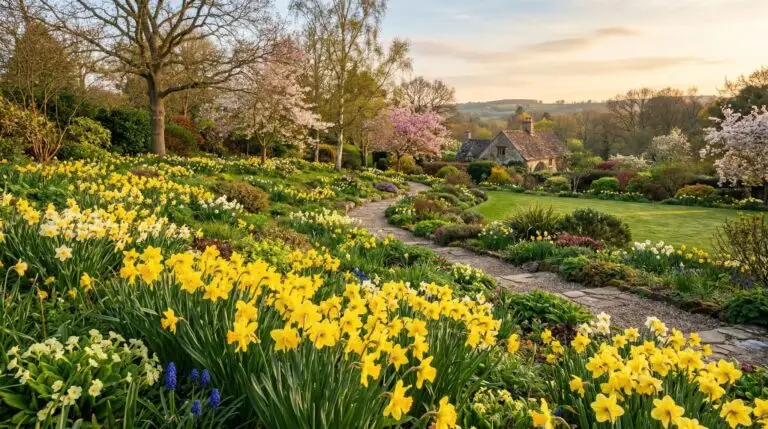
Designing a succession of daffodils that bloom from February through May
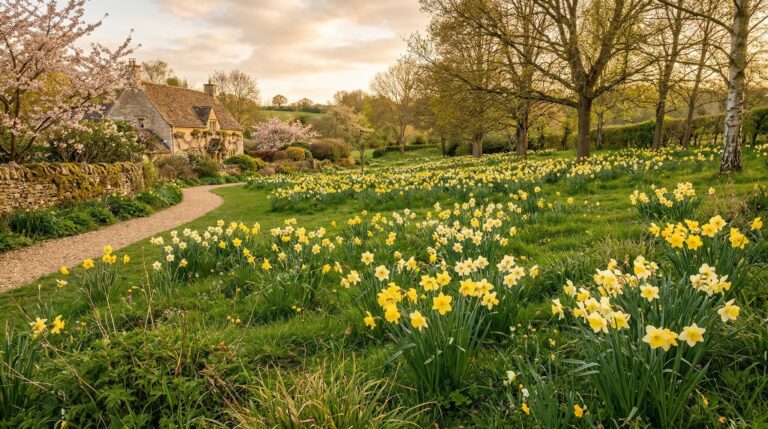
Naturalizing daffodils in lawns and woodland areas for wild spring beauty year after year
Daffodil meaning, from new beginnings to the Narcissus myth, honestly explained
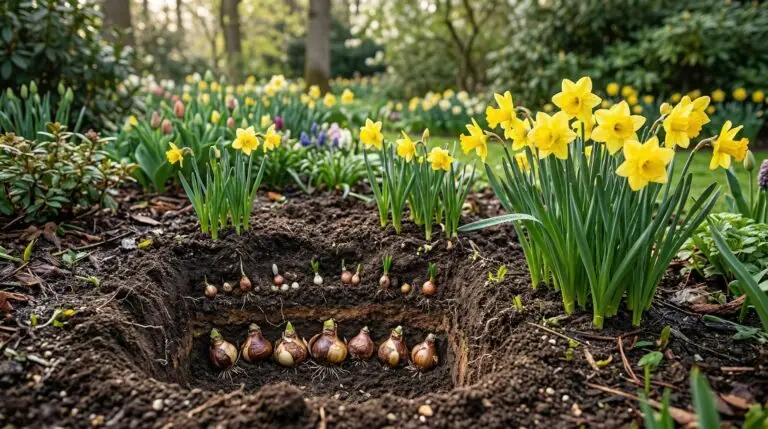
Growing daffodils in containers and pots for spring color on patios and porches
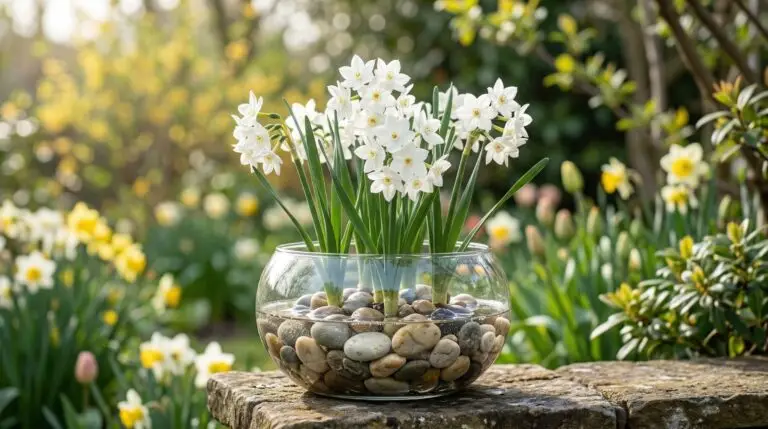
How to force daffodil bulbs indoors for cheerful winter blooms on your windowsill
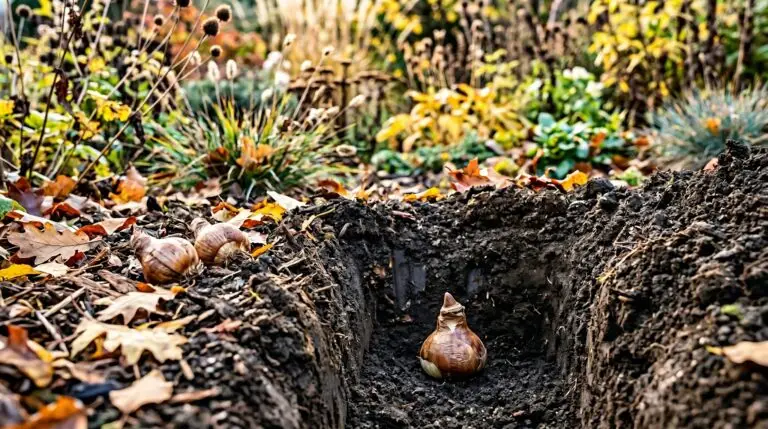
How to plant daffodil bulbs in fall for a golden carpet of spring flowers
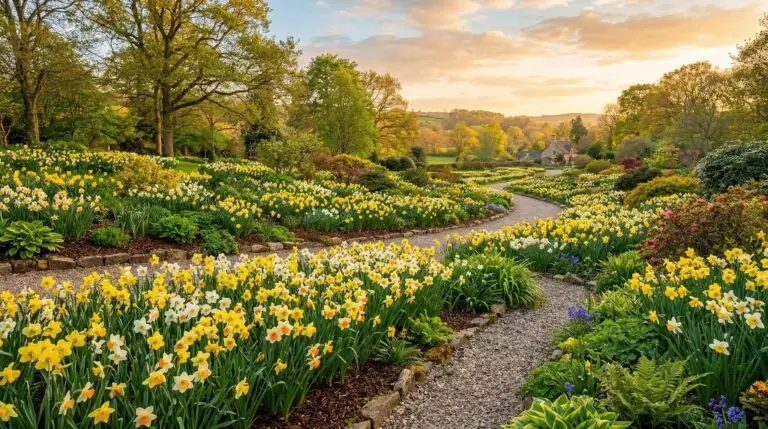
What to do with daffodil foliage after blooming and why you must leave it alone
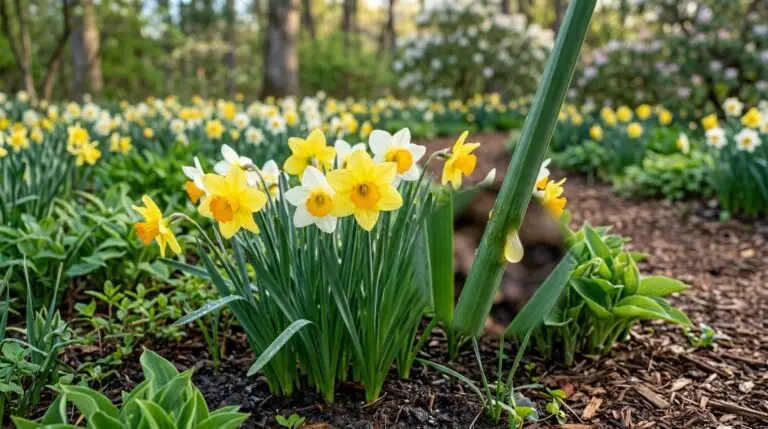
Daffodils as deer-proof and squirrel-proof bulbs that nothing wants to eat