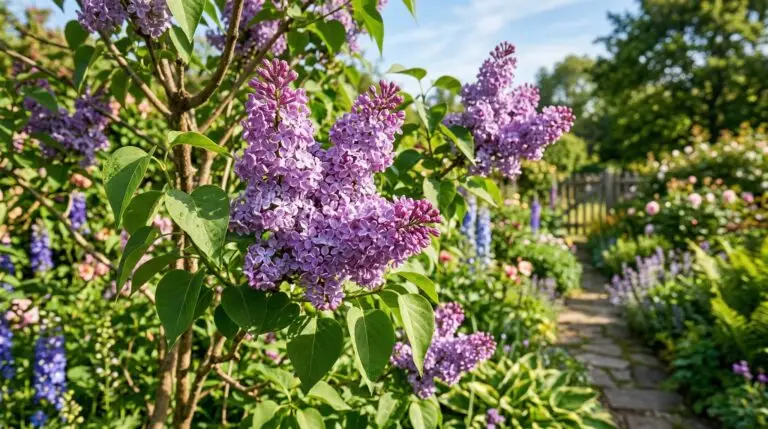
Growing conditions vary enormously across the United States, and understanding your local context is the absolute foundation of success with any plant. A gardener in Zone 4 Minnesota expects a common lilac to thrive with almost zero intervention, relying on deep winter freezes to set buds for spring. That same shrub moved to Zone 9 Florida or southern Texas will languish, produce weak vegetative growth, and ultimately fail to bloom. The traditional species requires hundreds of chill hours, defined as temperatures between 32 and 45 degrees Fahrenheit, to break dormancy. Without that winter cold, the plant remains confused and exhausted by the endless growing season. You cannot force a cold-climate native to perform in a tropical environment without making serious adjustments to your plant selection.
Gardeners in the Sunbelt do not have to abandon the dream of spring blooms, provided they select the right genetics for their specific zip code. Plant breeders recognized the desire for warm climate lilacs decades ago and began crossing traditional species with heat-tolerant varieties. The resulting plants perform admirably in areas that receive only a fraction of the winter cold found in the Northeast. Success in the South or Southern California requires shifting away from the classic French hybrids and seeking out specific low-chill cultivars. You must also adjust your expectations regarding the size of the bloom clusters and the overall vigor of the shrub. A warm climate lilac will never replicate the massive, arching displays seen in colder regions, but it will bring that unmistakable fragrance to gardens where it previously could not exist.
The Descanso hybrids and low-chill requirements
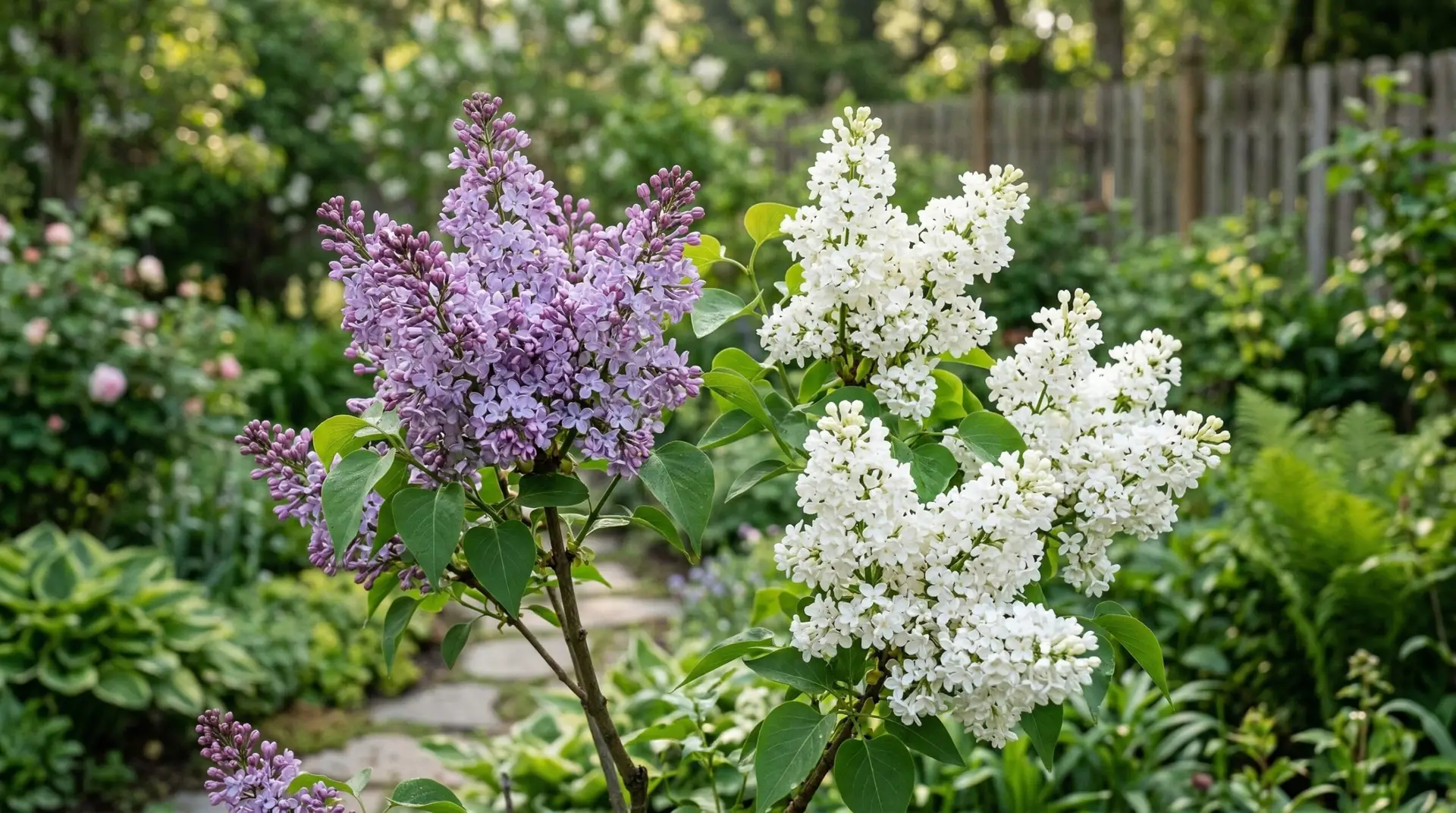
The most significant development for mild winter regions came out of Southern California in the mid-twentieth century. Walter Lammerts developed the Descanso hybrids specifically to bloom in areas with very little winter chill. The most famous of these introductions is Lavender Lady, a robust shrub that reliably sets flower buds even after mild winters in Zone 8 and parts of Zone 9. Angel White is another excellent Descanso hybrid that produces pure white panicles under the exact same low-chill conditions. These varieties thrive in the dry heat of the West and Southwest, provided they receive adequate summer irrigation. Gardeners in inland valleys of California, where summer temperatures regularly exceed 90 degrees but winters offer just enough cool nights, find these hybrids particularly reliable.
Understanding how chill hours work in your specific microclimate determines whether a Descanso hybrid will succeed in your yard. A chill hour is simply one hour where the temperature drops below 45 degrees but stays above freezing. Lavender Lady and Angel White require roughly 200 to 300 chill hours, compared to the 800 or more demanded by traditional northern varieties. You can manipulate your garden’s microclimates to maximize cold exposure by planting these shrubs in low spots where cold air settles at night. Avoid planting them against south-facing brick walls that radiate heat through the winter nights and artificially reduce the chill accumulation. Providing afternoon shade during the summer months also helps these plants conserve energy for the critical bud-setting period in late fall.
Cutleaf lilacs for the humid Southeast
In the humid Southeast, this plant faces entirely different challenges that gardeners in the dry Mountain West never encounter. The combination of intense summer heat, high humidity, and warm nights creates a perfect environment for powdery mildew and other fungal diseases. The Descanso hybrids often struggle with the heavy moisture of a Georgia or Alabama summer, losing their leaves early in the season. For these Zone 8 and 9 gardeners, the cutleaf lilac offers a much more resilient alternative. This species features deeply lobed, lacy foliage that allows for excellent air circulation through the canopy, naturally reducing fungal pressure. The flowers are smaller and looser than traditional varieties, but they carry a delicate, sweet fragrance that performs beautifully in muggy Southern springs.
Soil conditions in the Southeast also require careful management when planting any variety. Most traditional species prefer neutral to slightly alkaline soil, which is abundant in the West but rare in the pine forests of the South. Southern gardeners typically deal with heavy, acidic red clay that holds too much moisture during winter rains. To succeed with a cutleaf lilac in these conditions, you must amend the planting site heavily with compost and perhaps a handful of garden lime to raise the pH slightly. Planting high or constructing raised beds ensures the sharp drainage these shrubs require to prevent root rot during wet winters. Proper spacing is equally critical in humid zones, so give the plant at least six feet of clearance on all sides to let the prevailing winds dry the morning dew.
Soil chemistry and water management in warm zones
Moving westward to the arid climates of Texas, Arizona, and Nevada shifts the primary challenge from humidity to extreme heat and alkaline soil. In the highly alkaline soils common across the Southwest, the plant may struggle to absorb iron, leading to yellowing leaves with green veins. You can correct this chlorosis by adding elemental sulfur to lower the pH closer to the 6.5 to 7.0 range these shrubs prefer. Water management in these dry zones dictates the survival of the plant during the brutal summer months. Deep, infrequent watering encourages the roots to grow far below the baking surface soil, insulating them from the worst of the heat. Applying a thick three-inch layer of organic mulch over the root zone keeps the soil temperature stable and reduces rapid moisture evaporation.
Wind exposure plays a massive role in how well a lilac performs in the open plains or coastal areas of the lower zones. Hot, dry winds can strip moisture from the broad leaves faster than the root system can replace it, causing severe marginal leaf burn by August. You can protect your shrubs by planting them on the eastern side of a house or behind a sturdy windbreak of tough native evergreens. This placement provides the morning sun necessary for flower production while blocking the scorching late afternoon rays and desiccating winds. Even low-chill varieties benefit from this careful site selection, as reducing summer stress directly translates to better bud formation in the fall. A plant that spends its entire summer fighting dehydration rarely has the energy reserves needed to put on a spring show.
Knowing when to choose an alternative plant
Gardeners in true tropical or subtropical climates like Zone 9b and Zone 10 eventually reach a geographic limit where no true lilac will survive. Southern Florida, coastal Texas, and Hawaii simply do not experience winter as a biological season, offering zero chill hours for dormancy. Planting a Descanso hybrid or a cutleaf variety in these locations will only result in a sickly, declining shrub and deep frustration. When your regional climate flatly rejects a specific plant, the smartest horticultural decision is to pivot to species that actively desire your local conditions. You can achieve a similar sensory experience by planting a gardenia, which relishes the heavy humidity and warm nights that a northern shrub despises. These warm-climate shrubs provide intoxicating white blooms and glossy evergreen foliage without requiring any winter chill manipulation.
Another excellent substitute for deep southern and coastal gardens is the spring-blooming camellia, which thrives in the exact acidic, mild-winter conditions where cold-climate shrubs fail. By accepting the realities of your climate zone, you free yourself from the constant battle of life support and artificial amendments. A thriving garden relies on putting the right plant in the right place, matching the genetic needs of the species to the rainfall, soil, and temperatures of your specific region. You will always find more satisfaction in growing a plant that wants to live in your yard than in forcing an incompatible species to endure a tropical summer. The true art of regional gardening lies in reading your local weather patterns and selecting plants that view your everyday conditions as their ideal environment.
More About Lilacs
Pruning and rejuvenating old lilac bushes that have become overgrown and leggy

Companion plants for lilacs: what to grow and what to avoid
Why lilacs stop blooming and the pruning timing mistake almost everyone makes
Lilac flower meaning and the nostalgic scent that connects us to spring memories
Dwarf and compact lilacs for small gardens that deliver big fragrance in limited space
Best lilac varieties from classic purple to reblooming Bloomerang and dwarf types
Lilac festivals across America and visiting the most spectacular lilac collections