When evaluating the summer garden, gardeners often rely on the same familiar plants for late-season color. Crocosmia offers an architectural alternative with its pleated, sword-like foliage and arching stems of tubular flowers. Many garden centers sell generic bags of corms labeled simply as “Montbretia,” which is the common name for the older hybrid Crocosmia x crocosmiiflora. I deliberately exclude these older, unnamed hybrids from this selection because they have a tendency to become aggressively invasive in mild climates, spreading rapidly through underground stolons and crowding out less vigorous neighbors. By focusing on specific, modern cultivars, you gain predictable heights, distinct color profiles, and much better behavior in a mixed border.
The true value of crocosmia lies in the named varieties that have been bred for specific garden applications. A curated selection of these plants reveals a surprising range of tones beyond the standard primary red, moving into soft apricots, golden yellows, and complex bicolor patterns. Hardiness also varies significantly among these cultivars, meaning a plant that thrives as a perennial in one zone might require winter lifting in another. Rather than attempting to catalog every available variety, I have selected four distinct cultivars that represent the absolute best of the genus. These choices provide a progression of bloom times and a variety of heights to suit different garden situations.
The standard of red
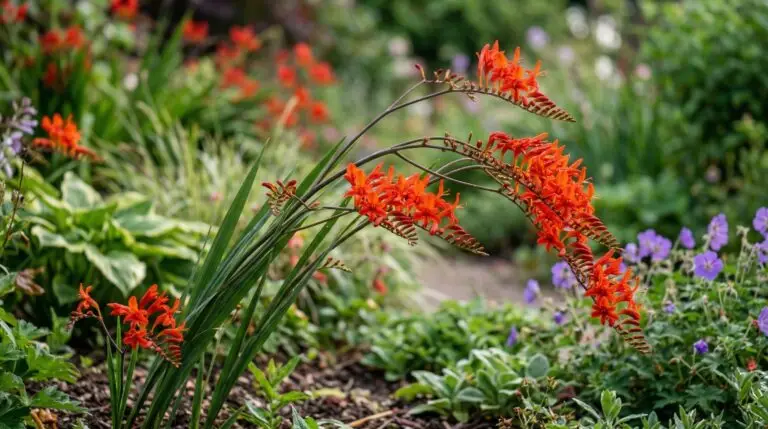
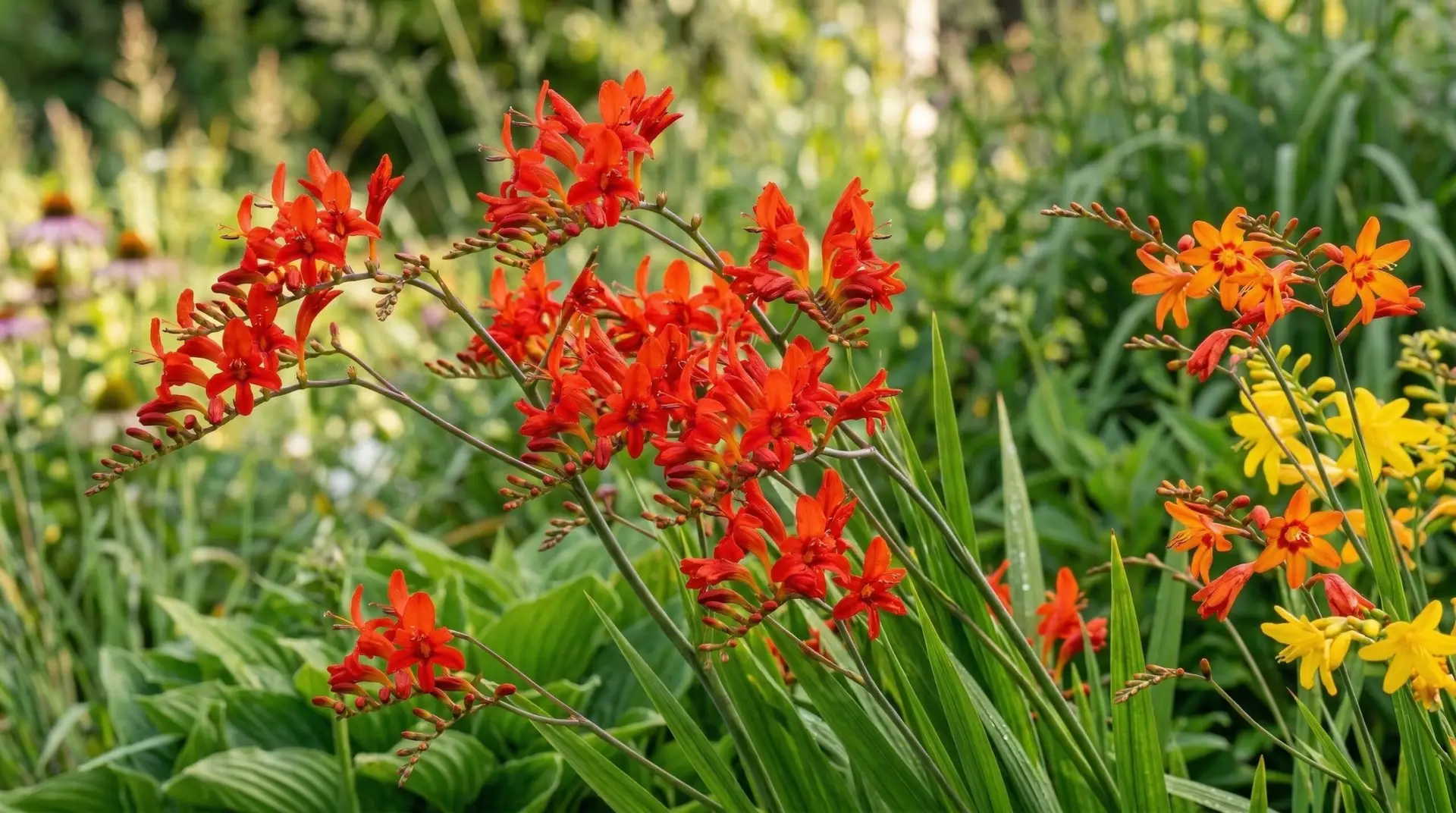
The cultivar ‘Lucifer’ is the most widely recognized crocosmia, and it earns its ubiquitous status through sheer reliability and visual impact. Reaching up to four feet tall, this plant produces brilliant, tomato-red flowers on horizontally arching stems that hover above the foliage. The color is intensely saturated, drawing hummingbirds from across the garden and holding its pigment well even in full, baking sun. ‘Lucifer’ is also the hardiest of the widely available cultivars, reliably surviving winters down to USDA Zone 5 if given a protective winter mulch. This combination of extreme cold tolerance and towering height makes it an architectural anchor for the midsummer garden.
Placing ‘Lucifer’ requires some thought because its intense color and large stature easily dominate more delicate plants. It works exceptionally well when paired with other large-scale, bold-textured plants that can match its visual weight. For example, planting it alongside a dark-leaved canna lily creates a highly structured, tropical appearance that requires far less water and maintenance than true tropicals. Because ‘Lucifer’ blooms relatively early in the crocosmia season, usually starting in mid-July, it bridges the gap between early summer perennials and the massive late-season bloomers. You must give it plenty of space, as a mature clump will expand steadily over several years.
Golden yellows and early blooms
If ‘Lucifer’ is the loud focal point, ‘George Davison’ is the illuminating background presence. This cultivar produces clear, buttery yellow flowers that lack the harsh, brassy tones found in many other yellow summer perennials. The blooms appear slightly earlier in the season than the red varieties, often initiating the crocosmia display in early July. Yellow flowers serve a specific purpose in garden design, acting as a visual bridge that connects disparate colors and brightens darker corners of a planting bed. ‘George Davison’ excels in this role, offering a luminous quality that is especially effective in the softer light of early morning or late afternoon.
Beyond its color, ‘George Davison’ offers a much more manageable scale for smaller garden spaces. It typically tops out around two to three feet tall, making it suitable for the middle of a border where taller varieties would obscure the plants behind them. The stems are sturdy and rarely require staking, maintaining a neat, upright appearance even after heavy summer rains. While it is slightly less cold-hardy than the red giants, it performs reliably as a perennial in Zones 6 and above. This compact, well-behaved nature makes it an excellent choice for gardeners who want the grassy texture of crocosmia without sacrificing too much square footage.
Complex colors in compact forms
As the season progresses into August, ‘Emily McKenzie’ begins its display, extending the crocosmia season by several weeks. This cultivar steps away from solid colors, featuring bright orange petals heavily marked with a deep mahogany ring around the throat. The flowers themselves are noticeably larger and more open than those of earlier varieties, allowing the distinct dark markings to be seen clearly from a distance. ‘Emily McKenzie’ grows to a modest height of about two feet, with stems that arch gracefully outward rather than standing rigidly upright. This arching habit makes it highly effective when planted near the edge of a raised bed or retaining wall where the flowers can spill forward.
The trade-off for these large, complex flowers is a decrease in winter hardiness compared to the taller varieties. ‘Emily McKenzie’ is generally hardy only to Zone 7, meaning gardeners in colder climates will need to treat it as a tender bulb, lifting the corms in autumn and storing them indoors. The late bloom time makes this extra effort worthwhile, as it provides fresh color just as many summer perennials are beginning to fade. Its late August peak aligns perfectly with the blooming of a late-season dahlia, allowing for striking, autumnal color combinations in deep oranges, reds, and burgundies. You will find that the corms multiply rapidly, providing plenty of material to expand your plantings each spring.
Among all the available cultivars, ‘Severn Sunrise’ is the most frequently overlooked, yet it offers the most sophisticated color palette of the genus. Instead of a single static color, the flowers undergo a distinct transition as they mature on the stem. The buds emerge a saturated apricot orange, opening into a soft salmon pink, and eventually fading to a muted coral before dropping. Because the flowers on a single arching spike open sequentially from the bottom to the top, all of these colors are visible on the plant simultaneously. This creates a subtle, watercolor effect that blends beautifully with ornamental grasses, purple coneflowers, and silver-leaved companion plants.
Final selection and top recommendation
Selecting the right crocosmia requires matching the specific traits of the cultivar to your garden conditions and design goals. Many garden guides recommend planting a mixture of unnamed corms for a wild look, but in practice, this approach usually results in a chaotic, tangled patch where the most aggressive orange varieties eventually choke out the more delicate colors. By intentionally planting distinct blocks of ‘George Davison’, ‘Lucifer’, or ‘Emily McKenzie’, you maintain control over the height and bloom time of your borders. You also ensure that the plants will behave predictably year after year, forming dense but manageable clumps that are easy to divide when necessary. Taking the time to source these specific named varieties yields a much higher return on your gardening investment.
While ‘Lucifer’ will always remain the standard recommendation for its unmatched hardiness and sheer visual power, ‘Severn Sunrise’ stands as my top recommendation for the thoughtful gardener. The transitional color of its blooms provides a level of visual interest that static reds and yellows simply cannot match. It hits the perfect middle ground in height, growing tall enough to be noticed at three feet but remaining sturdy enough to stand without support. It resists the aggressive spreading habits of older hybrids while multiplying just enough to form a handsome, substantial clump within three seasons. For those willing to look beyond the common garden center offerings, ‘Severn Sunrise’ represents the absolute best of what a modern crocosmia can be.
More About Crocosmia
Crocosmia companion plants: what to grow, what to avoid

Overwintering crocosmia corms in cold climates zones 5 and below
How to grow crocosmia for fiery arching sprays of color in midsummer gardens
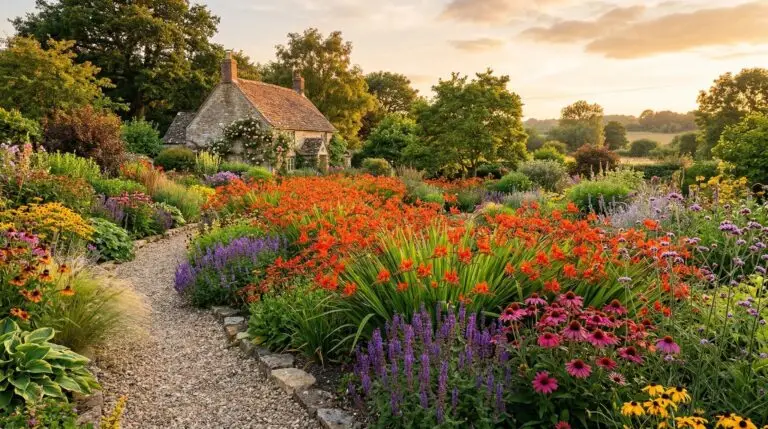
Designing a late summer garden with crocosmia that peaks when spring flowers are gone
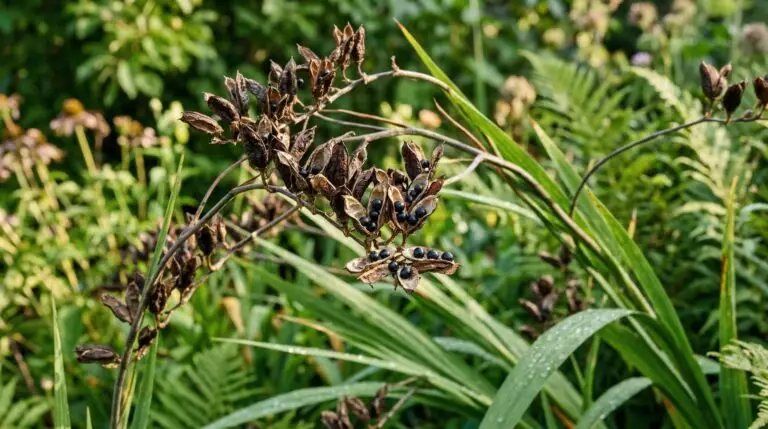
Crocosmia seed pods and how to propagate new plants from seed for unique varieties
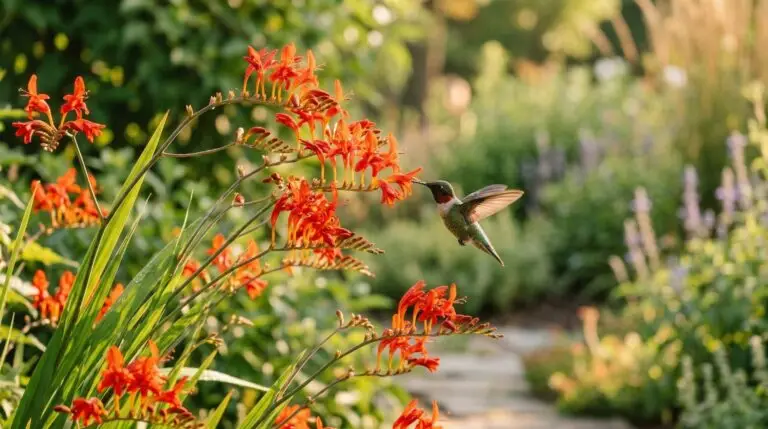
Crocosmia as a hummingbird magnet and why they prefer these tubular flowers
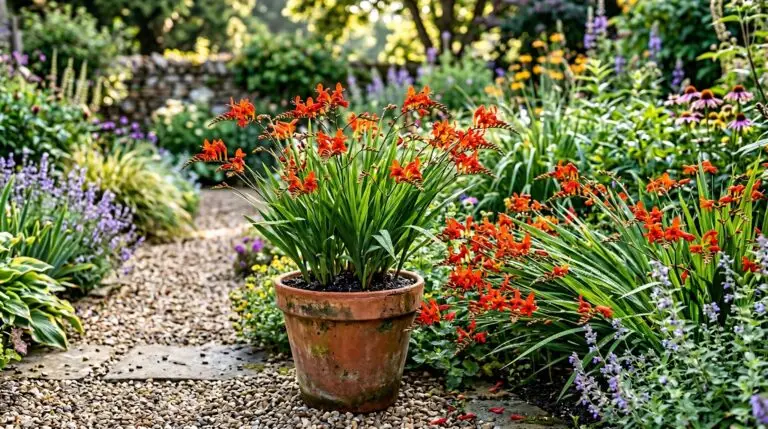
Growing crocosmia in containers for tropical-looking patio displays