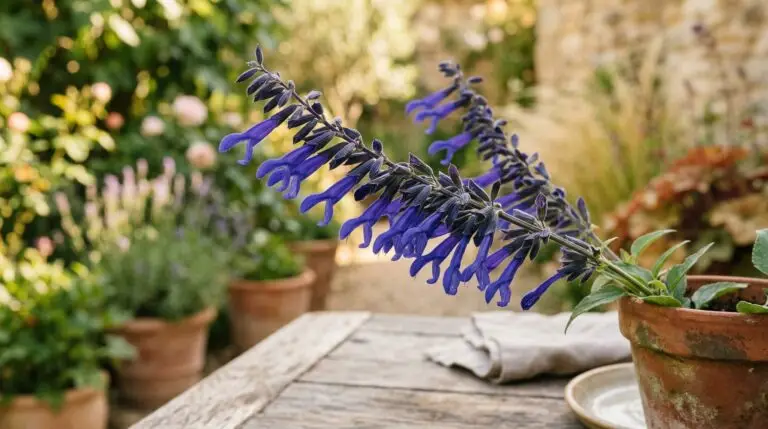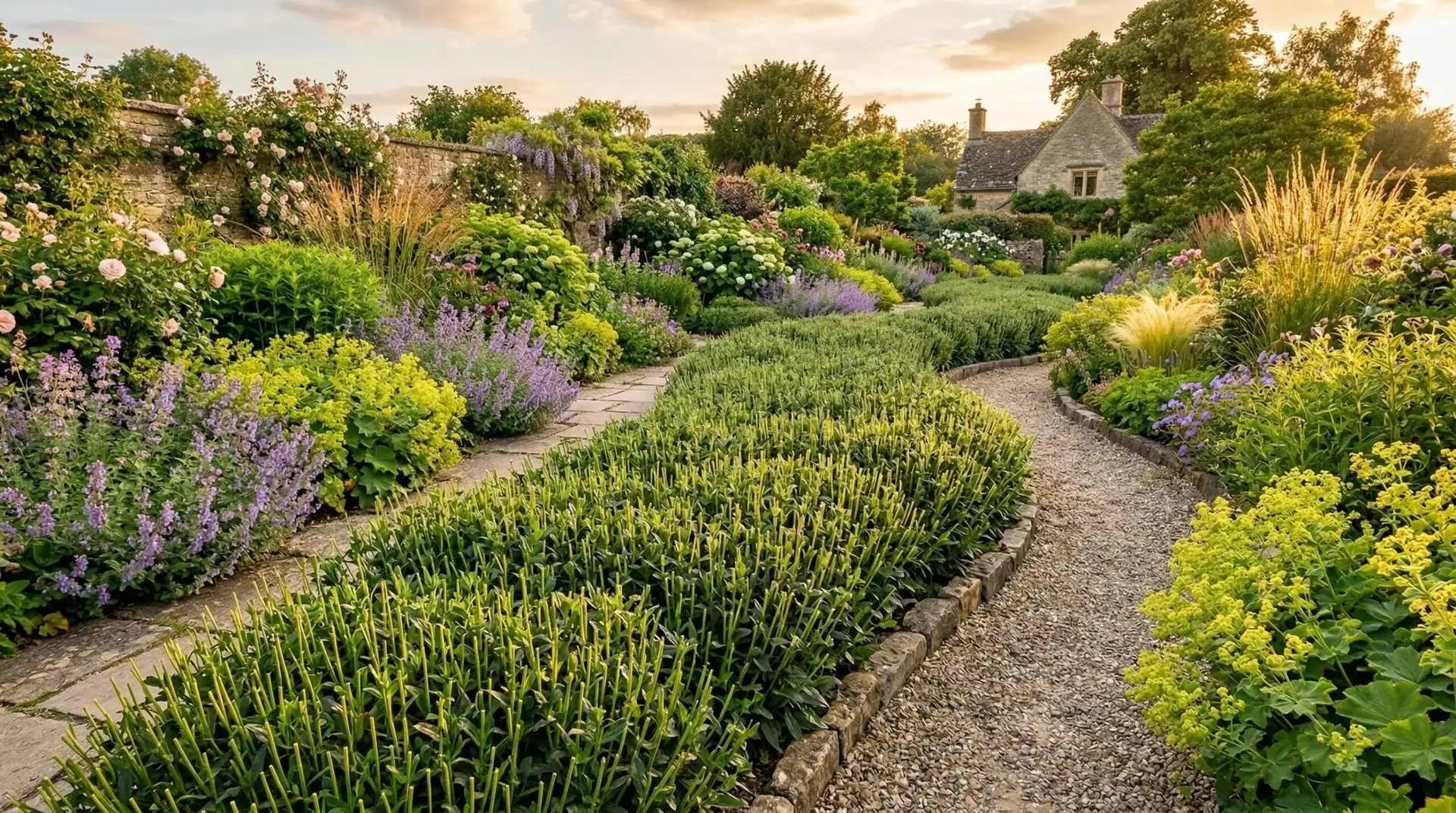
Blue salvia requires a hard, ruthless shearing immediately after its first bloom cycle to produce a second and third flush of flowers. Snipping individual spent flower spikes is a waste of time and leaves the plant looking ragged. You must cut the entire plant back by at least one-third, cutting into the leafy stems just above the basal foliage. This aggressive pruning forces the plant to push new growth from the base rather than wasting energy on seed production. Many gardeners hesitate to remove healthy foliage, but blue salvia thrives on this severe reduction. Treating it gently guarantees a weak, sparse display for the rest of the summer.
The midsummer shearing technique
The standard practice of deadheading individual stems works for many perennials, but blue salvia responds better to mass shearing. When the first flush of flowers begins to fade and drop their lower petals, gather the stems into a bundle with one hand. Use bypass pruners or sharp hedge shears to cut the entire clump down to about a third of its original height. You are aiming for a rounded mound of foliage just above the woody base of the plant. Do not worry about cutting off a few late-blooming spikes in the process. The goal is to reset the entire plant at once so the next flush of growth emerges uniformly.
Clean, sharp tools are non-negotiable when executing a hard cutback on herbaceous perennials. Dull blades crush the vascular tissue in the stems, creating jagged wounds that invite fungal infections. Wipe your shears with rubbing alcohol before moving between plants to prevent the transmission of soil-borne pathogens. The cut stems will bleed slightly, which is a normal physiological response and no cause for concern. A clean cut heals within hours, sealing the stem against moisture loss and allowing the root system to redirect water to the dormant basal buds.
Despite what many sources claim, you do not need to make precise cuts above specific leaf nodes when dealing with established blue salvia. The plant contains dormant buds all along its lower stems and crown. This shearing method is similar to the approach used for catmint, where a hard cutback prevents the center from splitting open. Leaving the faded flower stalks on the plant signals it to stop producing vegetative growth and focus entirely on maturing seeds. Removing the top canopy exposes the interior crown to sunlight, triggering immediate new shoot development. Within two weeks, the bare mound will be covered in fresh green foliage.
Timing the cuts and fertilizing for regrowth
Timing the first cutback dictates the rest of the season. Make your cuts when roughly seventy percent of the flower spikes have lost their color and turned brown. Waiting until every single flower fades delays the second flush and pushes the third flush too late into the autumn to mature. In most zones, this first shearing happens in late June or early July. The second flush will appear in August, at which point you repeat the exact same shearing process. This predictable cycle keeps the plant compact and prevents the sprawling, woody appearance common in neglected borders.
Forcing a plant to replace its entire canopy twice in one summer depletes soil nutrients rapidly. Immediately after shearing, apply a balanced, water-soluble fertilizer at half strength to the soil around the base. Do not use granular slow-release fertilizers for this step, as they take too long to break down and will not support the rapid vegetative push required. Water the plant deeply after feeding to carry the nutrients down to the root zone. Similar to the nutrient demands of heavily pruned lavender, blue salvia needs this immediate nitrogen boost to build strong stems for the next round of flowers. Skip this feeding, and the subsequent blooms will be noticeably smaller and paler.
Soil moisture management during the two weeks following a severe pruning requires careful observation. The plant has lost its primary mechanism for transpiration, meaning it will use significantly less water until the new leaves unfurl. Overwatering an aggressive cutback is a common mistake that drowns the roots and leads to crown rot. Check the soil moisture at a depth of two inches before applying any supplemental water. Once the new foliage emerges and begins to expand, the water requirements will spike again to support the rapid cellular growth.
Managing the late season and winter preparation
The third flush of blooms usually arrives in September or early October, depending on your local frost dates. Treat this final display differently than the summer cycles. Do not shear the plant after this third bloom fades. Allow the spent flower stalks to remain on the plant through the winter months. Just like late-season catmint, the hollow stems of blue salvia are susceptible to rot if cut back to the ground in autumn, as water collects in the cuts and freezes. Leaving the top growth intact provides insulation for the crown and catches snow, which acts as a protective blanket against harsh winds.
Spring is the correct time to remove the previous year’s dead growth. Wait until you see new green shoots emerging from the base of the plant before doing any cleanup. Once the new growth is visible, cut all the old, dead stems down to the ground. This timing ensures you do not accidentally damage the crown before it breaks dormancy, a rule that also applies to early spring lavender maintenance. Leaving the old stems up also helps you identify the plant’s exact location before it wakes up, preventing accidental damage during early spring bed preparation. The quality of your summer display depends entirely on your willingness to cut hard and feed well during the growing season.
More About Blue Salvia

Growing blue salvia as a fragrant edging plant along walkways and garden paths

Blue salvia and yellow marigold together for a classic complementary color garden

How to overwinter blue salvia in cold climates and bring it back stronger
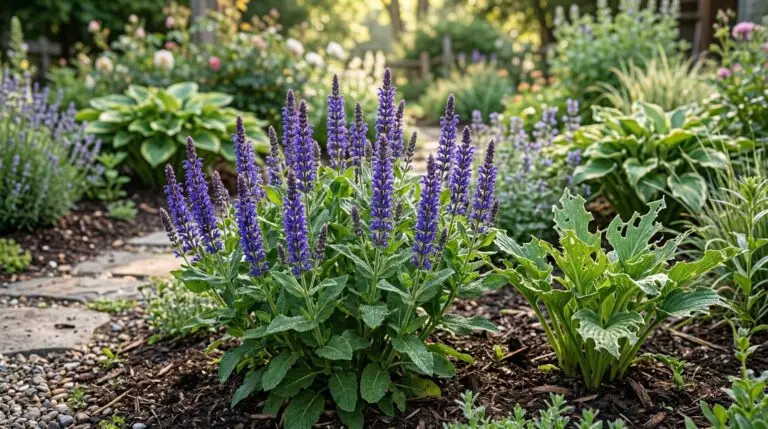
Blue salvia as a deer-resistant flower for gardens where deer are a constant problem

Blue salvia in mass plantings for dramatic sweeps of color in large gardens
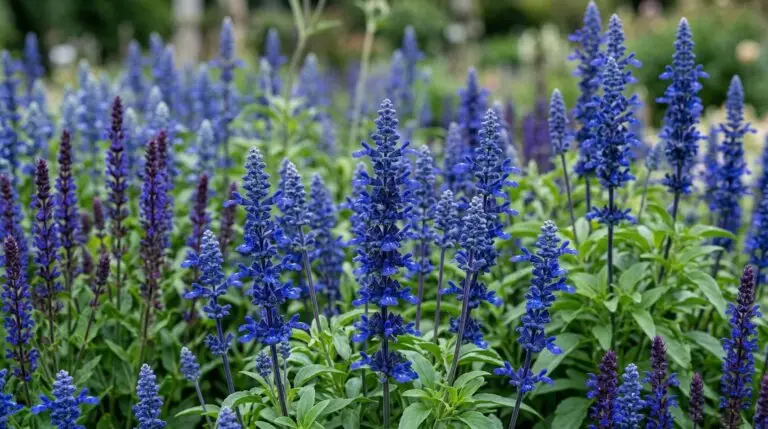
Best blue salvia varieties for non-stop color from late spring through first frost
How to grow blue salvia in containers for a burst of color on sunny patios
Perennial salvia versus annual salvia and how to choose the right one