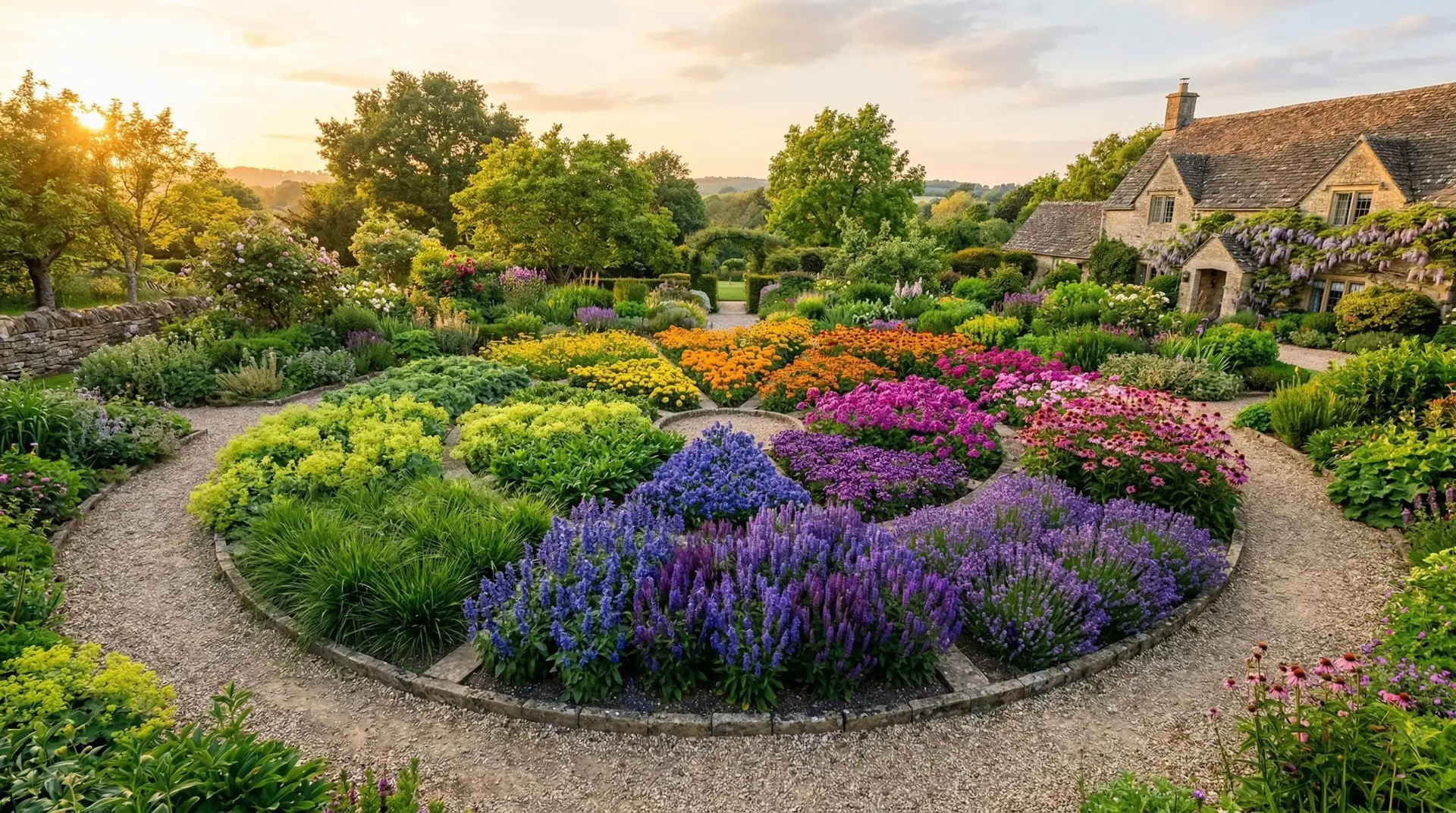
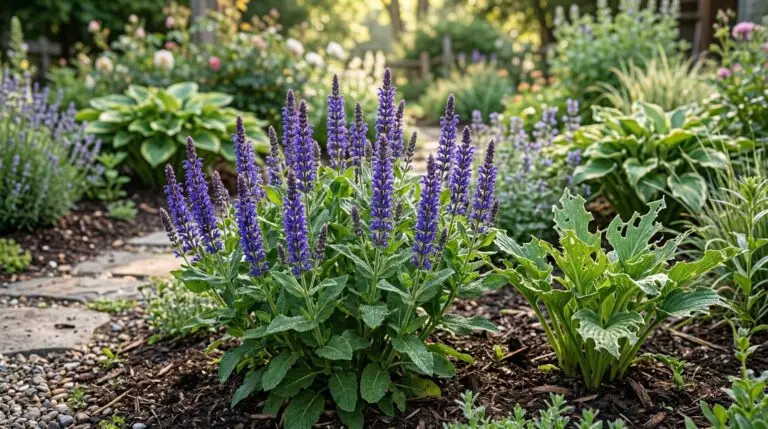
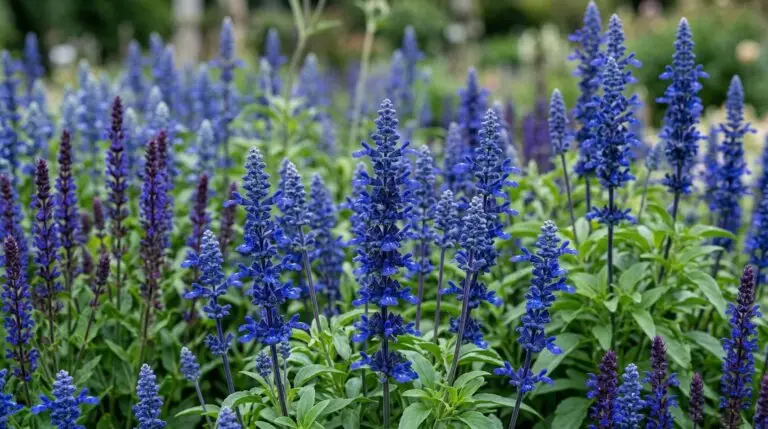
I wish you could stand beside me at the edge of the south border just as the morning sun crests the tree line. The light hits the flower beds at a low angle, illuminating a sharp, electric contrast between the cool, deep indigo spikes of blue salvia and the heavy, saturated gold of the companion plantings. This specific pairing creates a visual tension where the two colors meet, a trick of the eye that happens when true opposites sit side by side in the soil. The salvia stands tall on square, slightly rough green stems, holding up spires of tiny, velvet-lipped flowers that catch the dew like scattered glass beads. Beneath them, the rounded, dense heads of the yellow flowers sit close to the earth, looking like heavy drops of melted sunlight resting on dark, finely cut foliage. A warm breeze moves through the bed, releasing a sharp, herbal scent from the crushed leaves that smells distinctly of late summer dust and green sap. You can feel the heat radiating from the dark soil, warming the base of the stems and coaxing the blooms to open fully to the morning sky.
Contents 4 sections
The mechanics of a complementary color garden
When you look at a blue and yellow garden, your eye experiences a specific kind of physical pull. The cool tones of the blue salvia naturally recede into the distance, drawing your vision deeper into the flower bed and creating an illusion of shadows and hollows even in the midday sun. Against this retreating backdrop, the warm, aggressive yellows push forward, demanding immediate attention and creating a sharp, highly visible foreground. The specific shade of the salvia matters deeply here, as it leans away from pale sky blue and plunges into a rich, inky violet-blue that photographs almost black in the shadows. When paired with the thick, ruffled petals of the yellow companions, the contrast extends beyond mere color into the realm of weight and gravity. The salvia feels weightless, like smoke or mist rising from the soil, while the yellow blooms anchor the scene with their solid, fleshy presence. As the afternoon light shifts and deepens, the yellow petals take on an amber glow, while the blue spires absorb the fading light and seem to hum with a quiet, cool energy.
Creating impact through mass planting
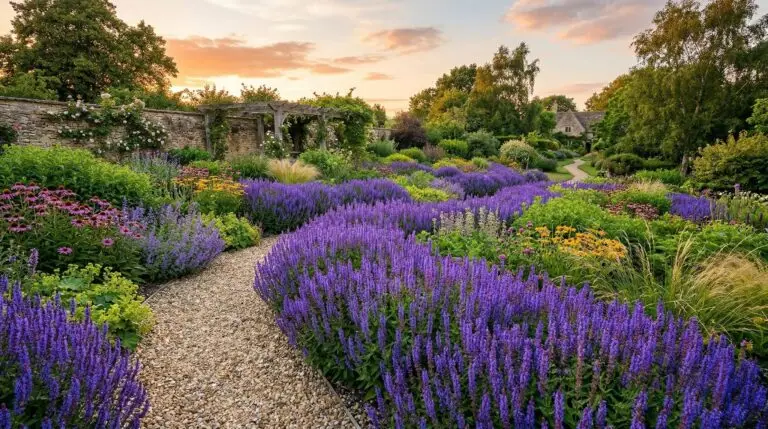
Public parks and botanical estates often use this salvia marigold combination in massive, sweeping drifts rather than isolated clumps. You can replicate this effect by planting the blue salvia in long, winding ribbons that mimic the shape of a flowing stream across your garden bed. When you group thirty or forty of these slender blue spikes together, they lose their individual shapes and merge into a solid pool of color that ripples and sways collectively with every passing wind. To contain this visual water, you plant thick borders of marigolds along the edges, creating a firm, golden bank that holds the blue in place. The papery, densely packed petals of the yellow blossoms create a continuous, unbroken line of light that defines the shape of the planting and guides the eye along the garden path. Walking past these large blocks of complementary colors, you notice how the repetition of forms brings a sense of calm order to the wild growth of midsummer. The sheer volume of blooms also draws a steady, audible hum of bees, adding a layer of low, vibrating sound to the visual intensity of the garden.
Texture and fragrance in the flower bed
The physical experience of tending this garden reveals layers of texture that remain entirely hidden from a distance. If you run your hand along a blue salvia stem, you will feel the distinct, four-sided ridges characteristic of the mint family, covered in tiny, stiff hairs that grip your skin slightly. The individual blue flowers emerge from fuzzy, silver-tinged calyxes that feel like soft felt beneath your thumb, holding onto their color long after the actual petals drop away to the soil. In sharp contrast, the foliage of the yellow border plants is deeply dissected, feeling almost fern-like and delicate until you accidentally crush a leaf. That small bruise releases a pungent, medicinal, heavily resinous scent that instantly clears the sinuses and lingers on your gardening gloves for hours. The yellow blossoms themselves are built from dozens of thin, tissue-like layers tightly packed into a dome, feeling cool and slightly damp to the touch even on the hottest afternoons. Together, the rough velvet of the blue spikes and the smooth, damp paper of the yellow domes create a tactile environment that is just as complex as their color pairing.
Soil preparation and extending the color palette
To support this heavy production of flowers, the earth beneath them needs to hold moisture without ever feeling swampy or heavy. You will know the soil is right when you dig your trowel in and it crumbles easily, feeling exactly like a wrung-out sponge that leaves your palms cool but entirely clean of sticky mud. The salvia roots will rot if forced to sit in heavy clay, so turning in rough, fibrous compost before planting gives them the air pockets they need to breathe. Once the foundation is set, you can expand the complementary color garden by adding tall, wiry stems of coreopsis, whose daisy-like faces introduce a lighter, lemon-chiffon yellow that hovers like small coins above the blue spikes. For a dramatic shift in scale at the very back of the border, the thick, rough stalks of a sunflower will rise high above the rest of the bed. The giant, dark-centered disks of the tall flowers nod downward, casting long, shifting shadows over the indigo salvia as the sun moves across the sky. The rough, sandpapery leaves of the tallest plants catch the late afternoon light, framing the entire blue and yellow composition in a halo of bright, translucent green.
I always stay in the garden just as the sun dips below the horizon to watch the final performance of these colors. In this fleeting, violet-tinted light of dusk, the sharp contrasts of the afternoon begin to soften and change their behavior. The deep indigo spikes of the blue salvia slowly melt into the shadows, losing their edges until they look like empty spaces cut out of the twilight. At the exact same moment, the dense yellow blossoms seem to absorb whatever light is left in the sky, glowing with an internal, almost phosphorescent warmth against the darkening earth. The sharp, resinous scent of the crushed foliage rises heavier on the cooling night air, mixing with the smell of damp soil and settling dew. It is a quiet, suspended moment where the bright energy of the day finally rests, leaving behind a garden that looks completely different, yet entirely peaceful, in the dark.
More About Blue Salvia
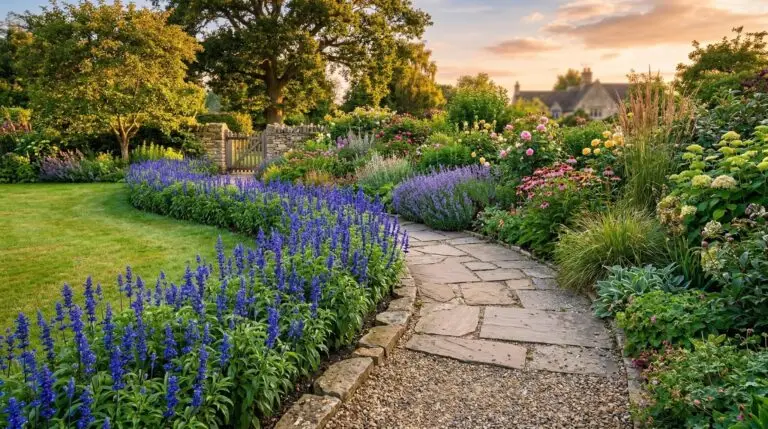
Growing blue salvia as a fragrant edging plant along walkways and garden paths
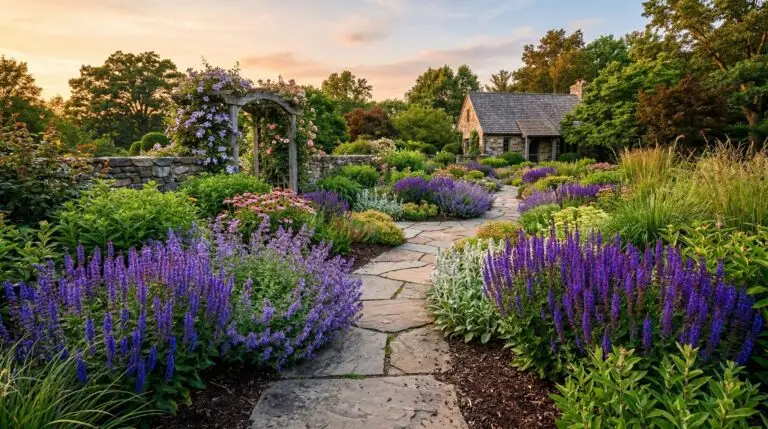
How to overwinter blue salvia in cold climates and bring it back stronger
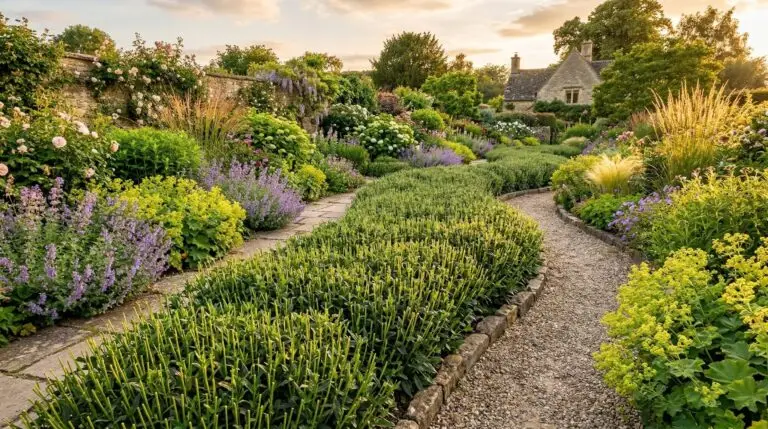
How to prune and deadhead blue salvia for a second and third flush of blooms
Blue salvia as a deer-resistant flower for gardens where deer are a constant problem
Blue salvia in mass plantings for dramatic sweeps of color in large gardens
Best blue salvia varieties for non-stop color from late spring through first frost
How to grow blue salvia in containers for a burst of color on sunny patios
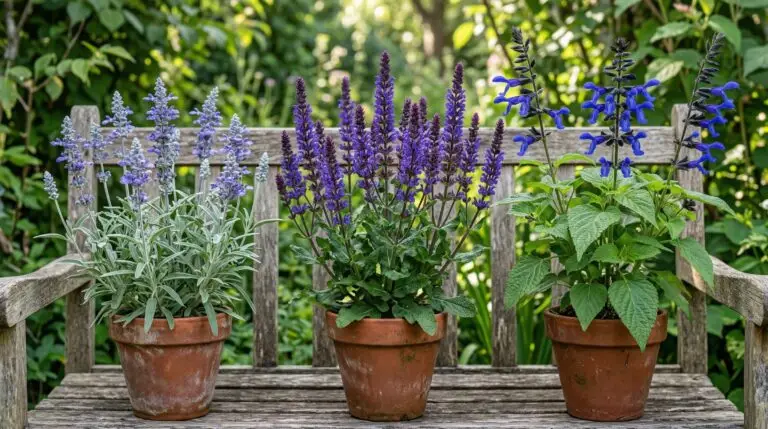
Perennial salvia versus annual salvia and how to choose the right one
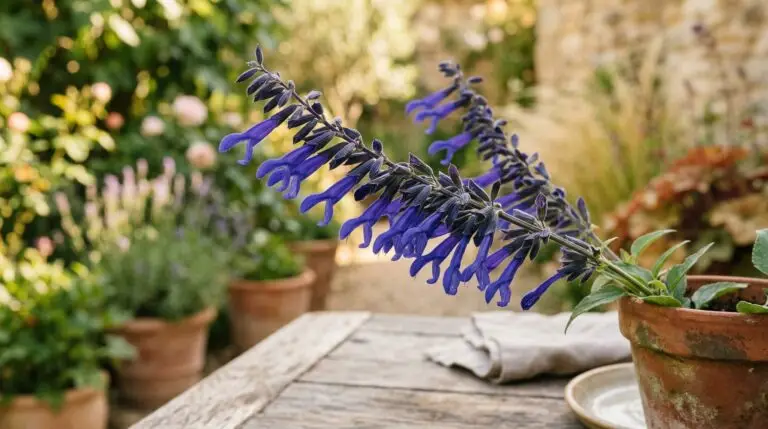
Blue salvia as the ultimate hummingbird and butterfly magnet for your garden
Enjoying our flower guides? Add YourFlowersGuide as a preferred source on Google. It helps more readers find us.
Add to Preferred Sources