Growing conditions vary enormously across the continent, and understanding your local context is the absolute foundation of success with any plant. Nursery tags often present coreopsis as a universal perennial that will thrive anywhere you dig a hole. The reality is that a plant sitting in the heavy, humid air of a Georgia summer experiences a completely different life than the same species planted in the baking sun of a New Mexico yard. Coreopsis evolved in lean, well-draining environments, making it a highly specific tool for gardeners dealing with drought and poor soil. When you place this plant in the dry garden conditions it naturally prefers, it transforms from a short-lived novelty into a permanent structural anchor.
To get the most out of a coreopsis xeriscape design, you have to look closely at your regional rainfall patterns and soil composition. In regions with abundant summer rain and rich loam, these plants often grow leggy, flop over, and rot at the crown during winter. Conversely, in the arid western half of the United States, their deep taproots and narrow leaves become massive advantages. The very traits that make them struggle in a heavily irrigated perennial border make them thrive when left entirely to their own devices in a dry climate. Gardeners who stop treating coreopsis like a thirsty cottage garden flower and start treating it like a desert native achieve much better results.
Adapting to the arid Mountain West and High Plains
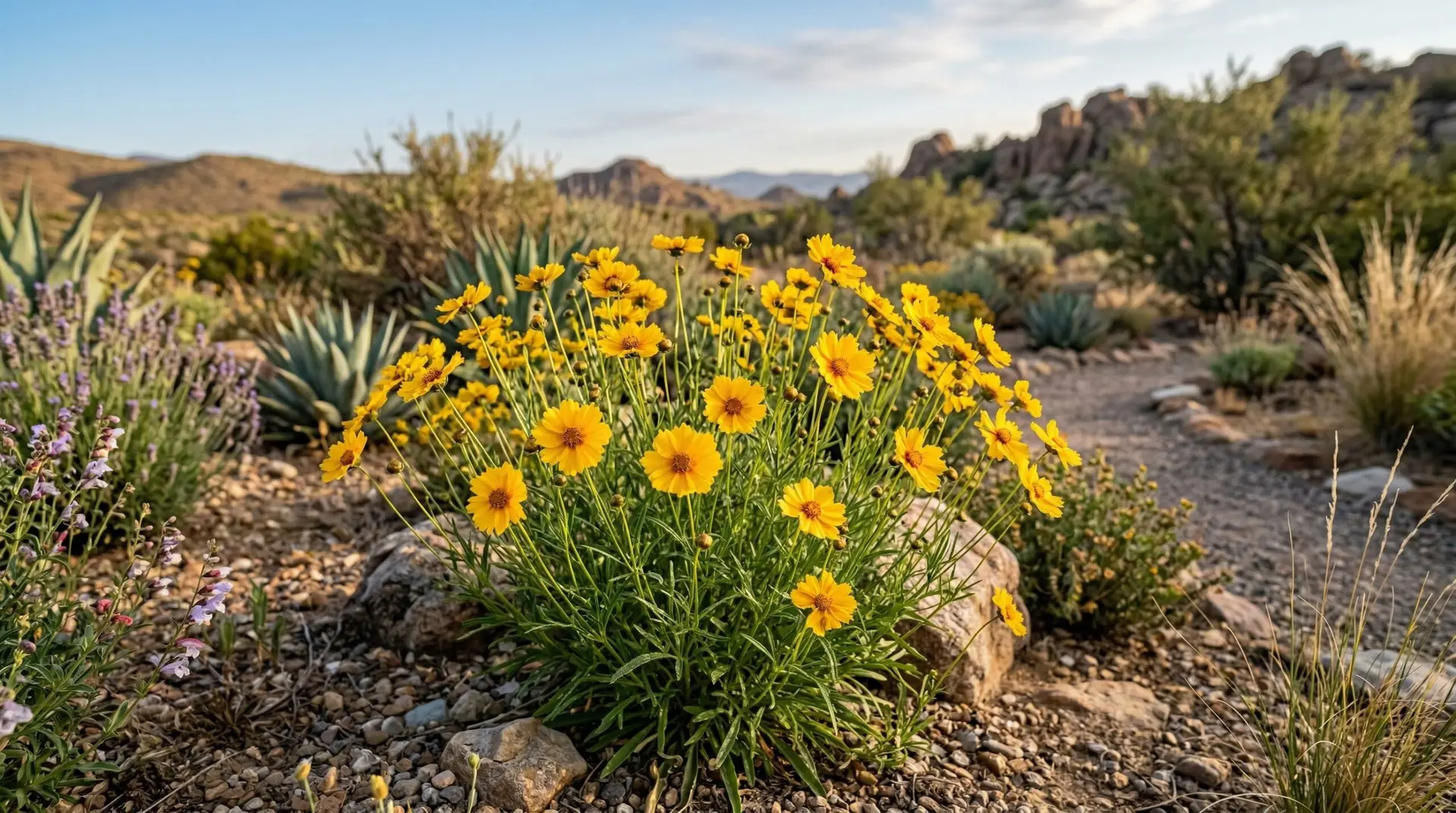
Gardeners in the Mountain West face a brutal combination of high altitude sun, persistent winds, and single-digit annual rainfall. Under these harsh conditions, coreopsis drought tolerant qualities truly shine because the plant does not rely on shallow surface moisture to survive. Once established after its first season, the plant drives its roots deep into the rocky subsoil to find hidden moisture reserves. The fine, thread-like foliage of many varieties resists the drying effects of the constant wind that sweeps across the High Plains. You can plant them alongside Blue Flax in fully exposed areas where broad-leafed perennials would crisp and die by mid-July. The lack of atmospheric humidity in these regions keeps fungal diseases entirely at bay.
Winter survival in these high-elevation zones depends entirely on soil drainage rather than ambient temperature. Coreopsis can survive temperatures well below zero if the soil around its crown remains dry through the coldest months. Snow cover provides insulation, but as that snow melts in the spring, the water must move rapidly away from the plant. Planting on a slight slope or mixing coarse gravel into the native soil ensures that the freeze-and-thaw cycles do not turn the root zone into an ice bath. Gardeners in Zone 4 and Zone 5 regions of the Rockies find that keeping the soil lean and dry is the only way to guarantee the plant returns each spring.
Managing alkaline and sandy soils in the Southwest
Soil chemistry in the Southwest presents a different set of challenges, as gardens here typically feature highly alkaline, sandy, or caliche soils. Most traditional garden flowers develop severe chlorosis in soils with a pH above 7.5, turning yellow and failing to photosynthesize properly. Coreopsis is unusually adaptable to these high pH levels and will maintain its green foliage even in challenging alkaline conditions. If your soil tests extremely high, you can add granular sulfur to lower the pH closer to the 6.0 to 7.0 range, though this is rarely required for this particular plant. The sandy texture of desert soils actually works in your favor by providing the rapid drainage this species requires to prevent root rot.
Designing a dry garden coreopsis display in the Southwest means rethinking your irrigation strategy entirely. While young transplants need regular watering for their first two months, mature plants will suffer if hooked up to a standard drip irrigation system that runs weekly. You should group them with other extremely low-water plants like Russian Sage in an un-irrigated zone of your yard. Supplemental water during the intense heat of a desert summer often boils the roots in the soil, leading to sudden plant collapse. Allowing the natural monsoon rains to dictate their moisture intake creates a much stronger, more resilient plant that requires zero maintenance.
Overcoming humidity and heavy clay in the Southeast
In the humid Southeast, this plant faces challenges that gardeners in the dry Mountain West never encounter. The combination of heavy clay soil, high atmospheric humidity, and frequent summer thunderstorms creates an environment that actively works against the plant’s biology. Clay soils hold water like a sponge, suffocating the deep taproots and encouraging fungal pathogens to attack the crown. To grow coreopsis successfully in Zone 8 or Zone 9 of the South, you must artificially create the dry conditions the plant expects. This usually means building elevated planting beds and amending the native clay heavily with expanded shale or granite grit to force water to drain away instantly.
Air circulation becomes just as necessary as soil drainage when dealing with Southern humidity. Planting coreopsis too closely to other perennials blocks the breeze and creates a stagnant, damp microclimate where powdery mildew thrives. You must give each plant plenty of physical space and avoid organic mulches like shredded bark, which trap moisture against the stems. Using a mineral mulch like crushed gravel reflects heat up into the plant and keeps the soil surface dry, mimicking its natural habitat. This combination of spacing and inorganic mulch prevents the basal foliage from rotting away in July. Pairing it with Yarrow in a raised, gravel-mulched bed allows Southern gardeners to enjoy these drought-adapted plants despite the abundant regional rainfall.
Using microclimates for dry garden success
Even if your macroclimate receives too much rain or has the wrong soil type, you can exploit microclimates in your yard to grow xeriscape plants successfully. The area immediately surrounding your house offers several distinct planting zones with completely different environmental conditions. A south-facing brick wall absorbs solar radiation during the day and radiates it back out at night, creating a warm, dry pocket that extends the growing season. The deep eaves of a roofline often cast a permanent rain shadow, creating a strip of bone-dry soil right next to the foundation. Planting coreopsis in these specific dry zones allows you to grow a xeriscape garden even in regions known for wet weather.
Topography also creates powerful microclimates that you can manipulate to your advantage. Cold air and water naturally flow downhill, meaning the bottom of a slope will always be wetter and colder than the top. Placing dry garden plants at the highest point of a berm or retaining wall guarantees that excess moisture will drain away from their root systems immediately. You can construct artificial windbreaks using larger shrubs to protect the plants from prevailing winter winds in northern zones, reducing winter desiccation. Recognizing and utilizing these small variations on your property allows you to push the boundaries of what will grow in your specific region.
The secret to successful gardening lies in matching the plant’s evolutionary adaptations to the physical realities of your site. When you force a dry-climate plant into a wet, rich environment, you commit yourself to a continuous battle against nature that you will eventually lose. Analyzing your regional rainfall, soil chemistry, and temperature extremes allows you to select plants that actually want to live in your yard. A successful xeriscape relies on this fundamental match between the plant’s needs and the garden’s natural state. Every region has its own specific challenges, and the best defense against them is always proper plant selection. Gardening becomes infinitely easier when you stop trying to change your local environment and instead choose plants built for the conditions you already have.
More About Coreopsis
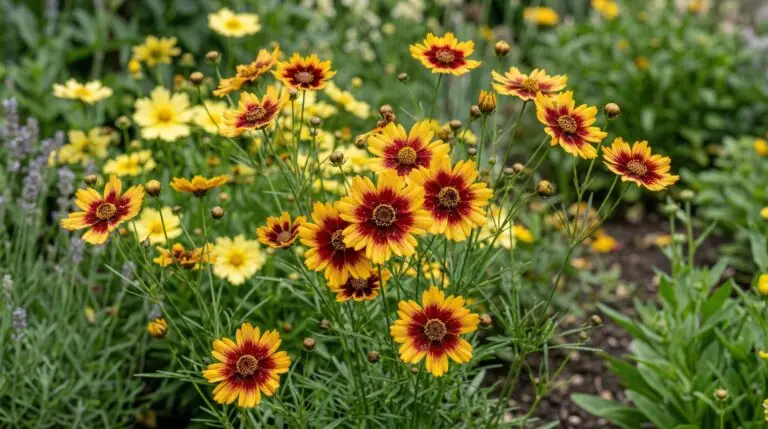
Red and bicolor coreopsis varieties that go beyond the usual yellow
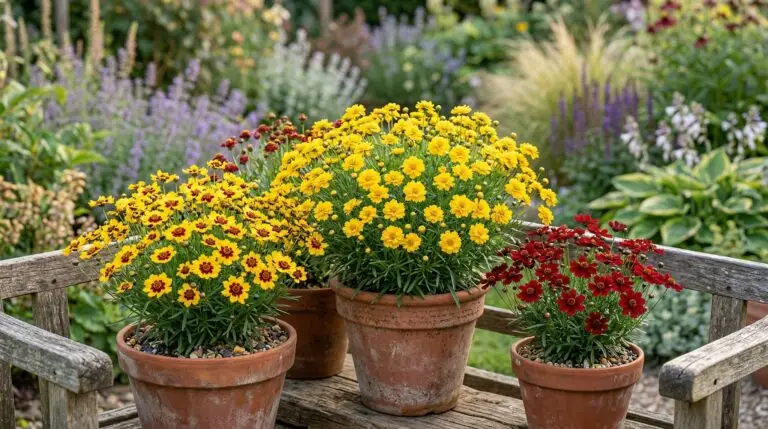
Coreopsis in containers and window boxes for sunny spots that need easy color
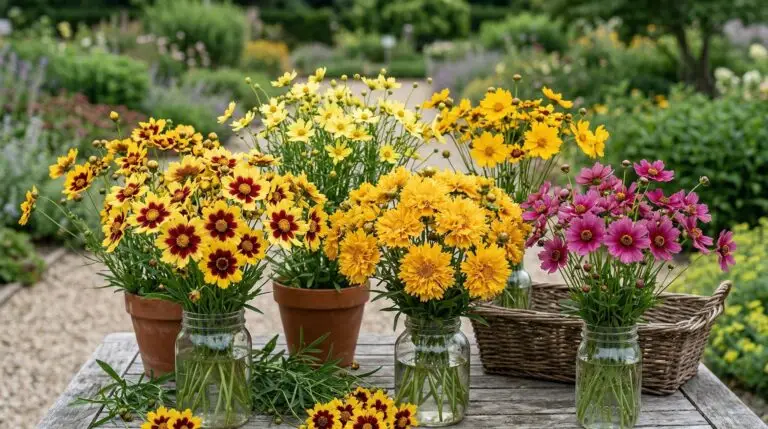
Thread-leaf coreopsis Moonbeam and why it is one of the finest perennials ever bred
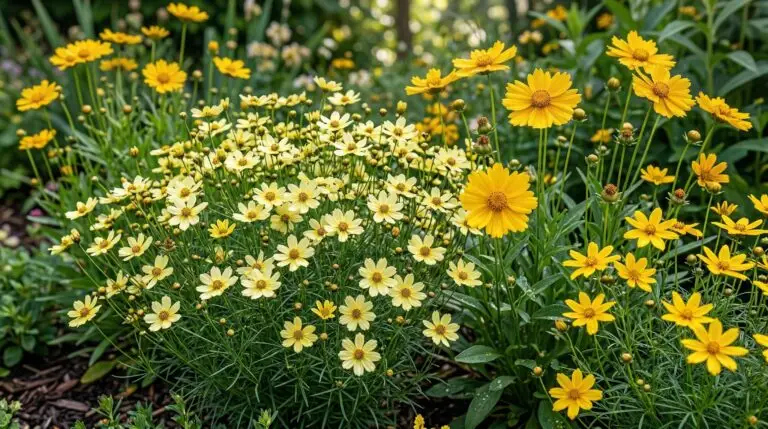
Best coreopsis varieties for non-stop golden blooms from early summer to frost
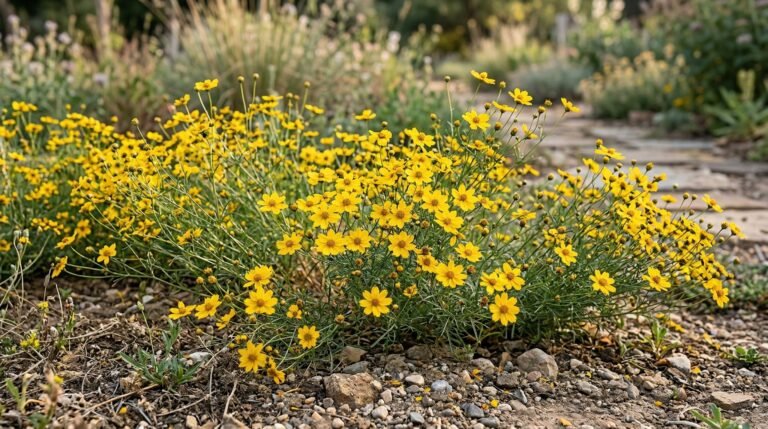
How to grow coreopsis as a carefree perennial that thrives on neglect
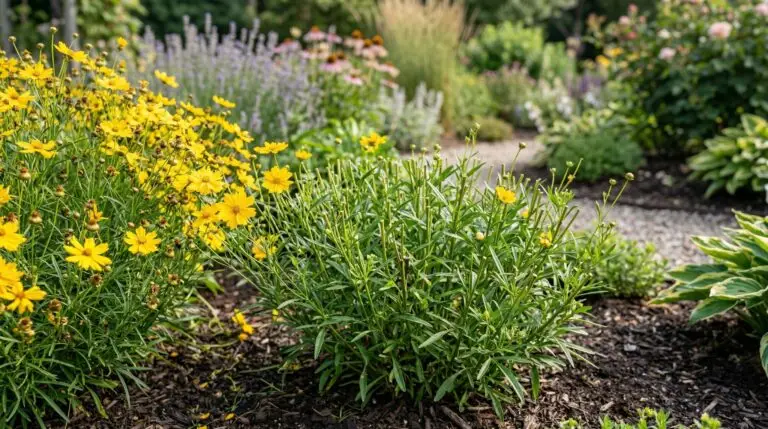
Why coreopsis stops blooming in midsummer and how to keep flowers coming
Growing coreopsis from seed for masses of budget-friendly garden color
Native coreopsis species and their role in restoring American wildflower meadows