Many gardeners purchase a potted jasmine vine on a whim after smelling its blooms at the nursery, only to realize they have no plan for its vigorous growth. Before you bring a vine home, you need to evaluate your site and determine exactly how you want to use this plant. Assess your available space to see how many hours of direct sun the area receives and whether the soil drains well. Jasmine vines are aggressive growers that require substantial support, meaning a flimsy wire frame will not hold up over time. You must decide whether you want to cover a seating area, frame a doorway, or screen a view before you put a shovel in the ground. A successful fragrant garden structure requires deliberate planning, a realistic budget for materials, and a commitment to ongoing maintenance.
Evaluating site conditions and selecting support structures
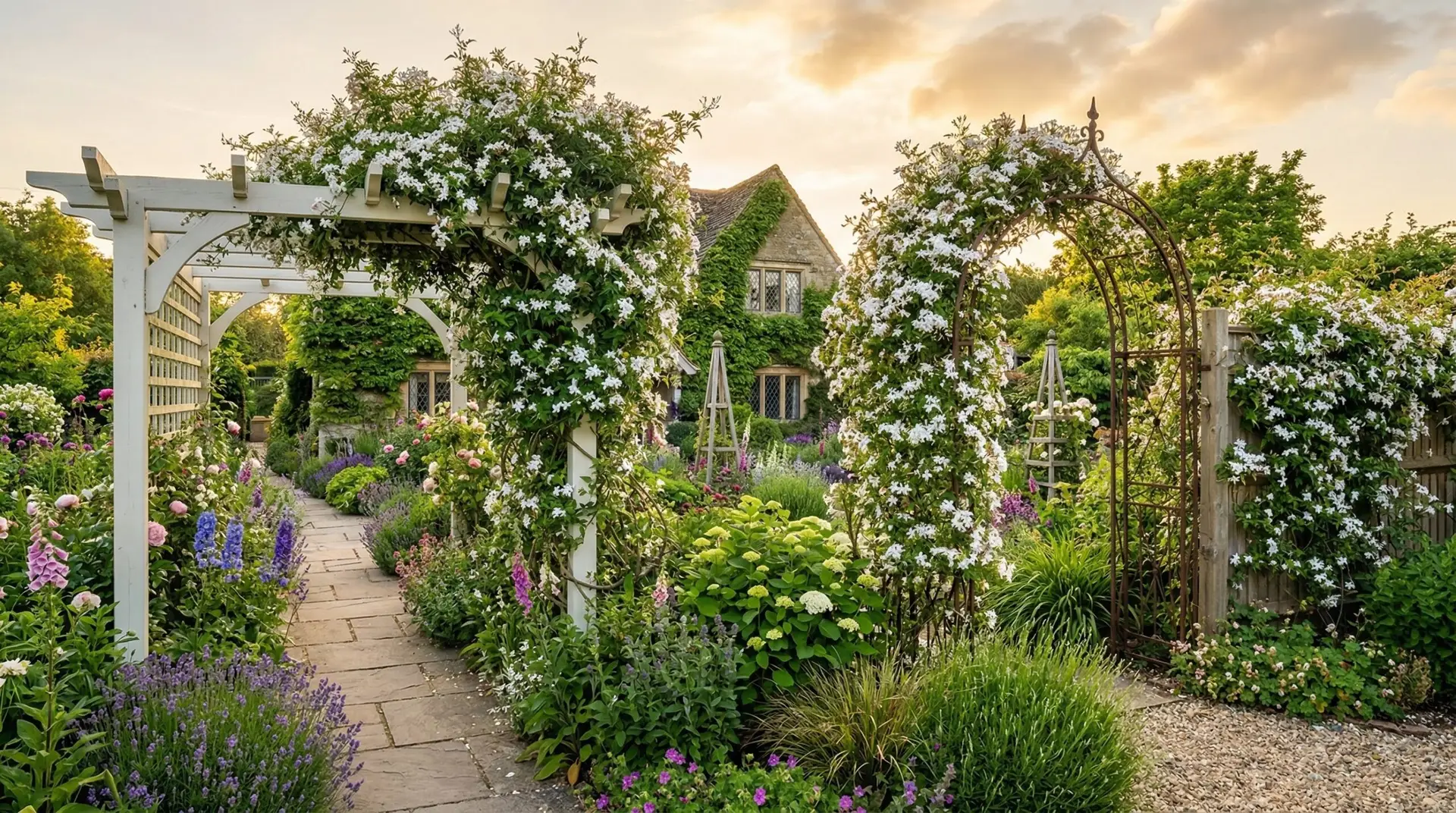
The first step in your planning process is matching your intended structure to the mature weight of the vine. A mature jasmine plant is heavy, especially after rain, and it will quickly collapse a lightweight decorative obelisk. If you want to create a jasmine arbor over a garden path, you need to invest in thick cedar, redwood, or powder-coated steel. A wooden structure will cost more upfront and require construction time, but it provides the necessary stability for decades of growth. You should also consider the placement of your structure relative to seating areas or open windows to maximize your enjoyment of the fragrance. Think about the path of the sun, as jasmine blooms best with at least six hours of direct sunlight daily.
Once you decide on the location and material, you must prepare the planting site before installing the structure. Do not install a heavy pergola or trellis only to discover the ground beneath it is solid rock or compacted clay. Dig a test hole to check soil drainage, as jasmine roots will rot if they sit in standing water. If your soil drains poorly, you need to factor in the time and cost of amending the bed with compost or building a raised planter box at the base of your structure. Setting up the support system before planting prevents damage to the delicate root ball that occurs when you try to pound posts into the ground next to a newly installed vine. This preparation phase might take a full weekend, but it ensures your plant has the right foundation for long-term health.
Initial planting and early vine training techniques
With your structure securely in place, you can move on to the execution phase of planting and initial jasmine vine training. Dig a hole twice as wide as the nursery pot and place the plant about twelve to eighteen inches away from the base of the support. This spacing allows the roots room to expand without hitting the concrete footings of your pergola or the wooden posts of your arbor. Water the plant deeply immediately after installation to settle the soil and eliminate air pockets around the root zone. During the first year, your primary goal is root establishment rather than rapid vertical growth or heavy flowering. You should expect to spend about ten minutes twice a week checking soil moisture and gently guiding the new shoots toward their support.
Jasmine vines climb by twining their stems around supports, but they need human intervention to cover a structure evenly. If left alone, the vine will grow straight up to the light, leaving the bottom of your trellis completely bare. You must physically weave the young, flexible stems horizontally across the lower sections of your jasmine trellis. Secure these stems loosely with soft garden twine or plant ties, being careful not to choke the growing vines. As the plant produces new vertical shoots from these horizontal runners, you can begin guiding them upward to cover the next tier of the structure. This methodical approach to training requires your attention every few weeks during the active growing season, but it guarantees thick, even coverage over the entire framework.
Different climbing plants require different training strategies, so do not assume your jasmine will behave exactly like other vines in your garden. For instance, growing clematis often involves managing delicate leaf petioles that clasp onto thin wires, while jasmine uses its entire main stem to wrap around thicker posts. Similarly, annuals like morning glories will scramble up almost anything in a single season, whereas a perennial jasmine builds a permanent woody framework over several years. You must treat your jasmine as a long-term architectural element, selecting the strongest three or four main stems to serve as the permanent base. Remove any weak or crossing stems early in the process to prevent a tangled mess that will be difficult to untangle later. Expect this initial structural training to take two full growing seasons before the vine reaches the top of a standard eight-foot arbor.
Long-term maintenance and pruning for consistent coverage
Once your vine covers the structure, your planning shifts from training to ongoing maintenance and growth control. A mature jasmine vine requires a firm hand to keep it from taking over your garden or pulling down gutters and roof tiles. You need to schedule a major pruning session once a year, typically immediately after the main flush of flowers fades in late spring or early summer. Cutting the plant back at this specific time allows it to produce new growth that will develop the flower buds for the following year. If you wait until late fall or winter to prune, you will cut off all the potential blooms and end up with a green but flowerless structure. Budget at least two hours for this annual pruning task, plus extra time to gather and dispose of the massive amount of clippings the plant will generate.
Regular maintenance also involves checking the integrity of your support structure and replacing old ties. As the woody stems thicken over the years, they can easily snap tight plastic ties or wire, which can then cut into the bark and damage the plant. Inspect the base of your arbor or pergola every spring to ensure the posts are not rotting and the structure remains entirely stable under the increasing weight. You should also thin out the interior layer of the vine every few years to improve air circulation and prevent fungal diseases from taking hold in the dense foliage. If the bottom of the plant eventually becomes woody and bare, you can cut one or two of the oldest stems down to the ground to force fresh, leafy growth from the base.
To get started with your jasmine project this week, grab a tape measure and a notebook and head out to your garden. Identify the exact spot where you want to add a vertical element and measure the available width and height for a structure. Check the sunlight in that specific location at three different times during the day to confirm it meets the minimum requirement of six hours. Once you verify the site conditions, you can begin researching local suppliers for heavy-duty trellises or pricing out the lumber needed to build your own custom pergola. Taking these practical steps now ensures you will be completely ready when it is time to purchase and plant your vine.
More About Jasmine flower
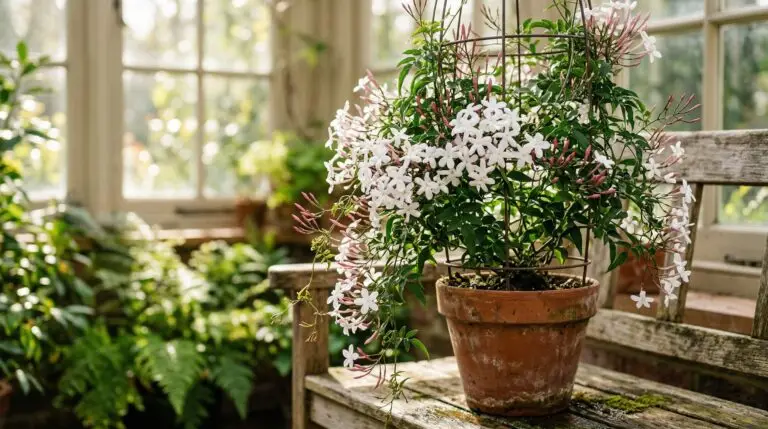
Growing jasmine indoors for fragrant winter blooms from a houseplant vine
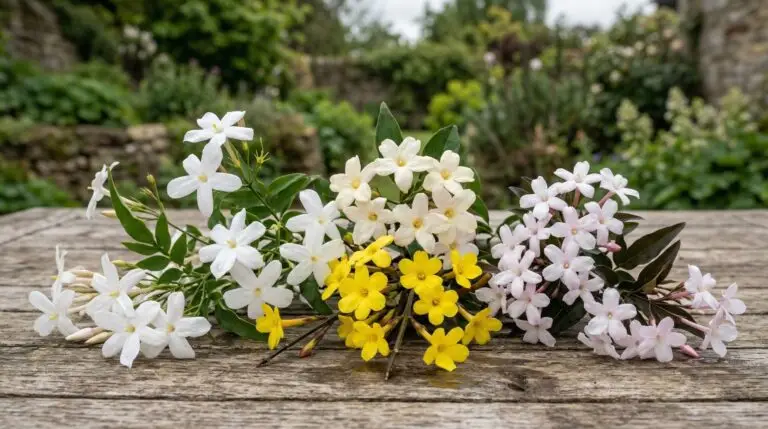
Winter jasmine for cheerful yellow flowers on bare branches in the coldest months
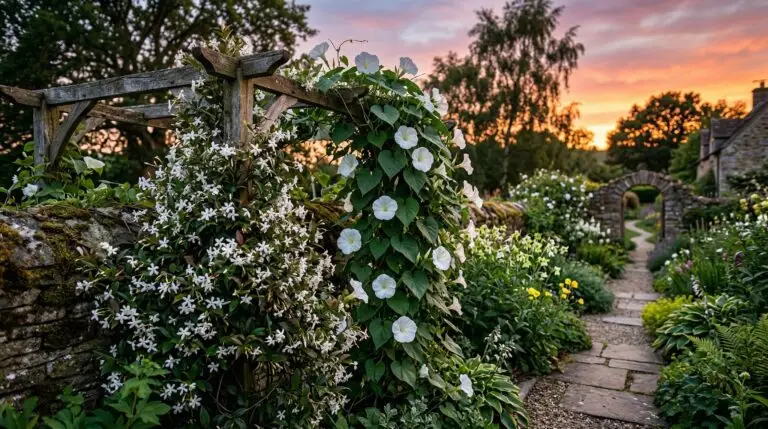
Companion plants for jasmine: what to grow and what to avoid
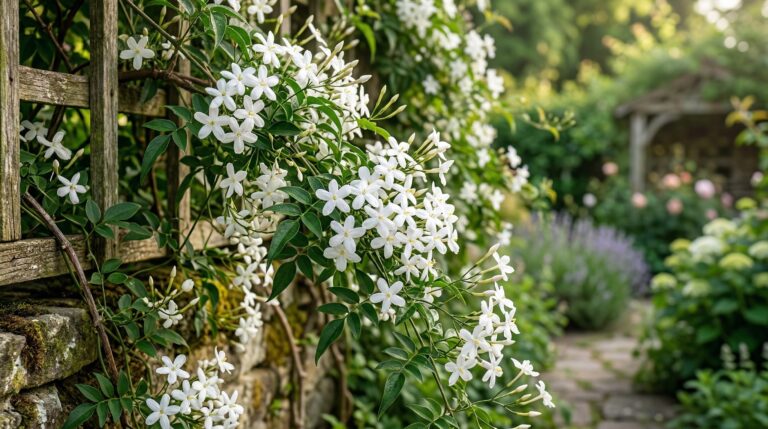
How to grow jasmine for intoxicating evening fragrance that fills the entire garden
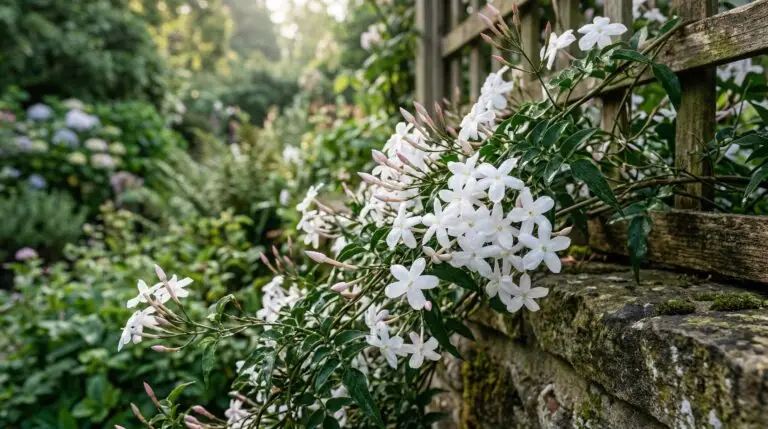
Why jasmine is not blooming and the cold night temperatures it needs to set buds
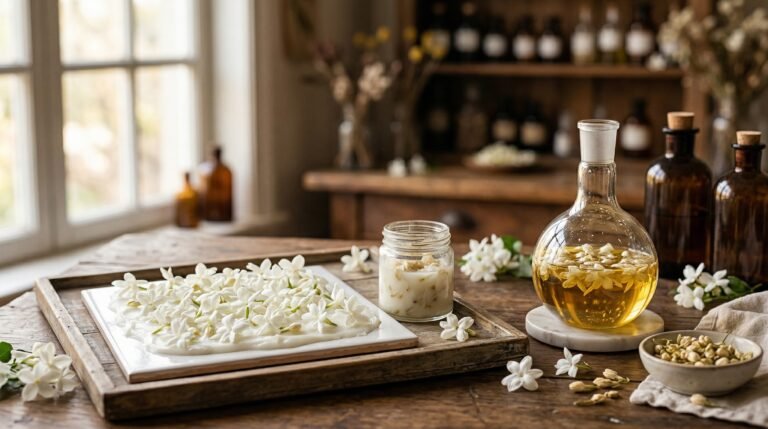
Jasmine essential oil and why this is one of the most precious fragrances on earth
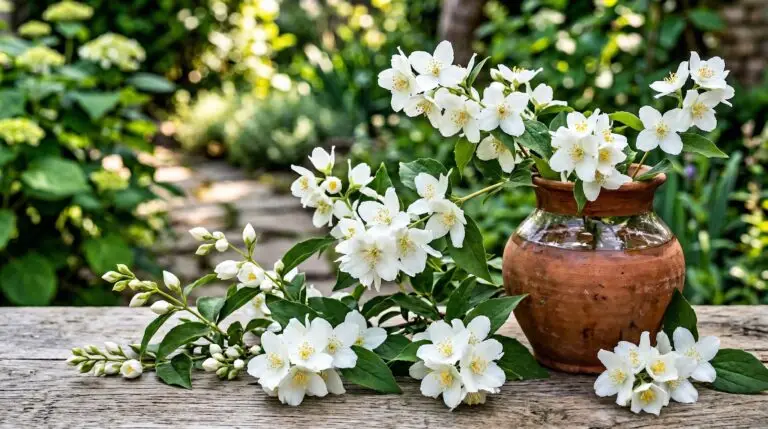
Best jasmine varieties from hardy winter jasmine to intensely fragrant Arabian jasmine
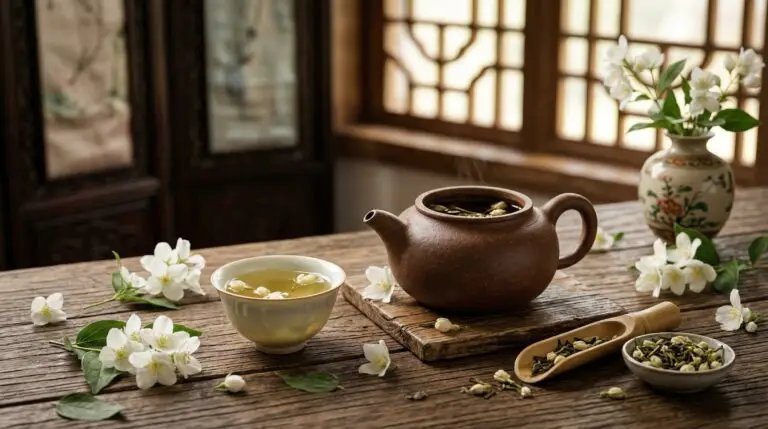
Jasmine tea and the ancient art of scenting tea leaves with fresh jasmine flowers