Contents 5 sections
Understanding the nature of the brew
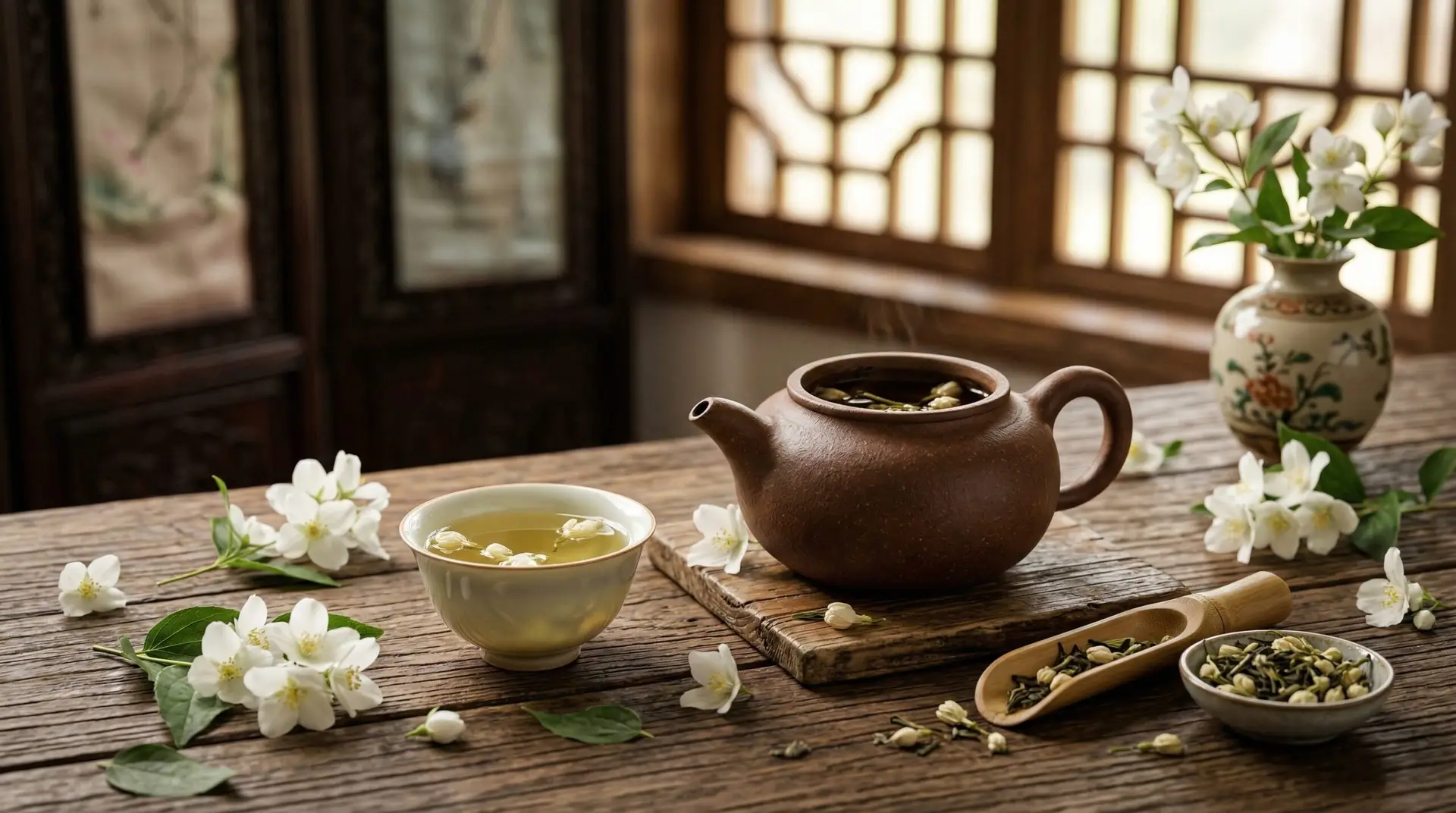
One of the first things gardeners ask when they start growing fragrant plants is how those little white blossoms actually turn into the tea we all know. Most people assume that jasmine tea is simply a cup of dried flowers steeped in hot water. The truth is much more interesting and involves an ancient Chinese process of scenting actual tea leaves. True jasmine tea begins with a high quality green tea base that is harvested early in the spring and kept in storage until the summer jasmine season arrives. Sometimes white or black teas are used, but green tea has a mild, vegetative profile that perfectly complements the sweet floral notes. The tea leaves are highly absorbent and wait quietly for months in dry warehouses to be paired with the fresh summer blooms. The natural follow-up question is when and how these delicate flowers are picked to capture that perfect, sweet scent.
Catching the scent at the right moment
If you have ever grown a jasmine plant, you probably noticed that the fragrance is strongest in the evening. Commercial growers know this well and time their harvest specifically to catch the flowers right before they open. Workers head into the fields in the late afternoon to pick thousands of tightly closed buds that are just on the verge of blooming. They transport these closed buds to a temperature controlled facility and wait for nightfall. As the evening cools, the buds naturally pop open and release their intense essential oils into the air. The timing must be exact, because a blossom that opens on the vine loses its volatile oils to the wind and becomes useless for flavoring. This leads to something many growers wonder about, which is how exactly the tea leaves absorb that scent without the final product tasting like old perfume.
The traditional layering technique
The secret to authentic jasmine tea making lies in a meticulous layering process that takes place over several nights. Tea masters spread a layer of the waiting green tea leaves on the floor and cover it completely with a layer of the freshly opened jasmine blossoms. They repeat this alternating pattern until they have a large pile, allowing the dry tea leaves to act like a natural sponge that pulls the moisture and aromatic oils directly out of the flowers. The pile sits for several hours while the scent transfer occurs, generating a mild heat that the masters must carefully monitor and occasionally turn to prevent the leaves from cooking. By the way, a detail that surprises many tea drinkers is that the flowers are entirely sifted out and removed from the tea leaves the next morning. High quality jasmine tea actually contains no flower petals at all in the final tin, because the spent blooms can introduce a bitter taste if left behind. The process is often repeated up to seven times with fresh batches of flowers to achieve a deeply fragrant brew that permeates the leaf entirely.
Making your own infused tea at home
People often ask if they can replicate this traditional method at home using their own garden plants. You absolutely can make your own jasmine flower tea if you have an abundant blooming vine and a good quality loose leaf green tea. You will want to pick your buds in the late afternoon just like the professionals do, placing them in a sealed glass jar with your tea leaves just as the sun goes down. Leave the jar sealed overnight while the flowers open and share their oils with the tea. The next morning, pick out all the wilted blossoms and let the tea leaves dry out completely on a paper towel before you try to brew a cup. This process is quite different from making a cup of chrysanthemum or lavender tea, where you simply dry the whole flower heads and steep them directly in hot water. You can experiment with different ratios, but a handful of fresh buds to a cup of dry tea leaves is a great starting point for your first batch.
What you get from every cup
Gardeners usually want to know what health benefits they are getting from all this careful harvesting and layering effort. Because the base of the drink is almost always green tea, you receive a solid dose of antioxidants and a gentle amount of caffeine to start your day. The scent of the jasmine itself provides an aromatherapeutic effect that has been used for generations to calm the nervous system and ease tension. If you are looking for a completely caffeine-free floral drink, you might prefer something like a tart hibiscus infusion, but jasmine offers a unique balance of relaxed alertness. Brewing the tea correctly is also important, as boiling water will scorch the green tea leaves and ruin the delicate floral oils you worked so hard to capture. A question people rarely think to ask is what happens to all those millions of discarded flowers after they give up their scent to the commercial tea leaves. Once the blossoms are sifted out, they have completely lost their fragrance and are simply composted back into the soil to feed the next generation of tea and jasmine plants.
More About Jasmine flower
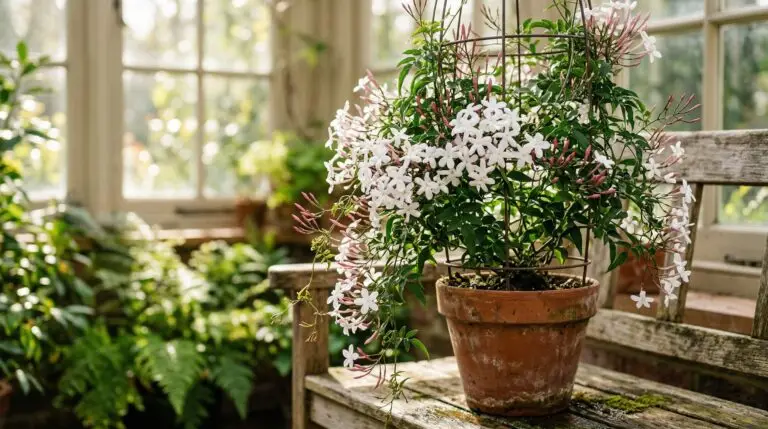
Growing jasmine indoors for fragrant winter blooms from a houseplant vine
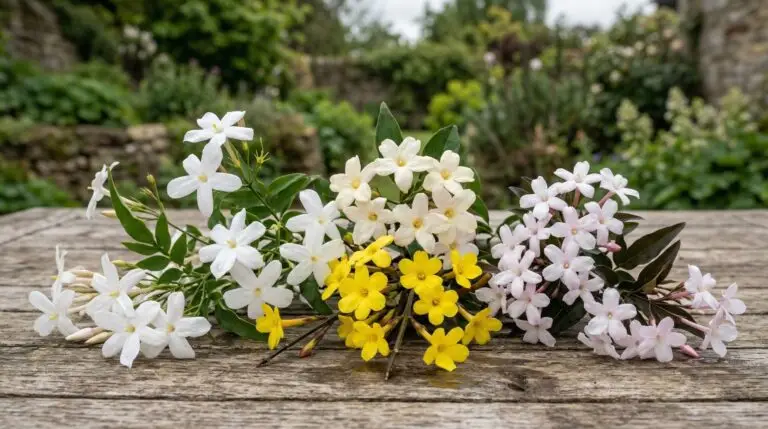
Winter jasmine for cheerful yellow flowers on bare branches in the coldest months
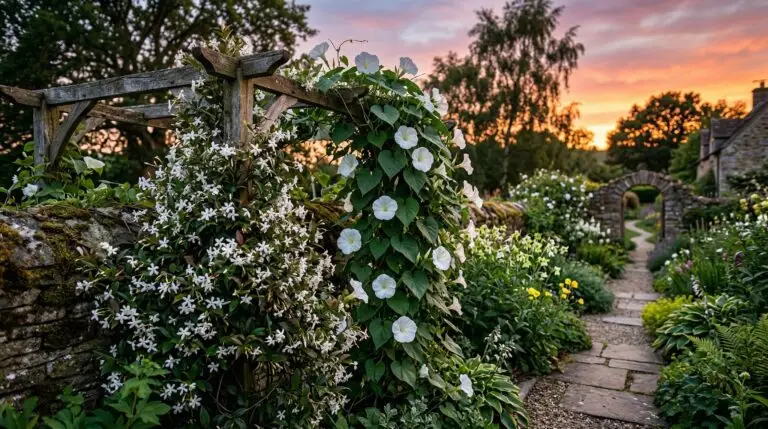
Companion plants for jasmine: what to grow and what to avoid
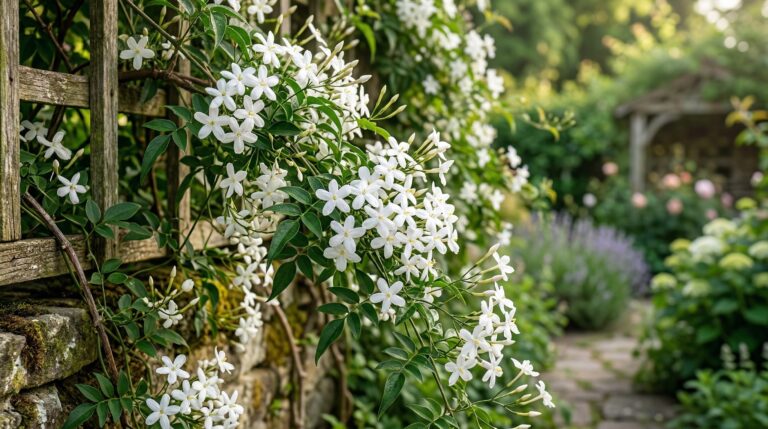
How to grow jasmine for intoxicating evening fragrance that fills the entire garden
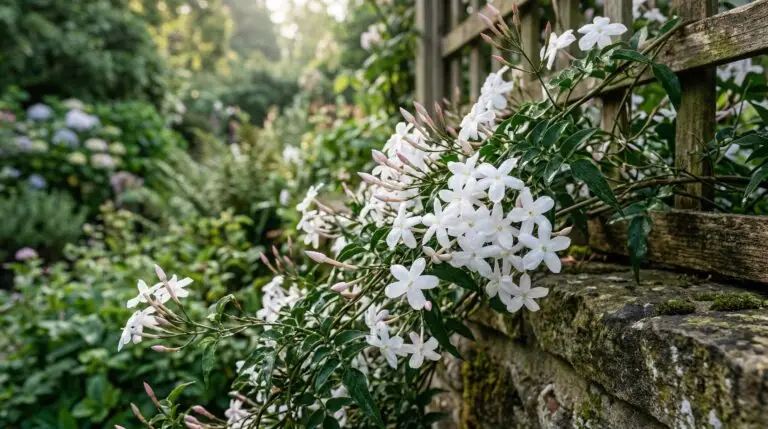
Why jasmine is not blooming and the cold night temperatures it needs to set buds
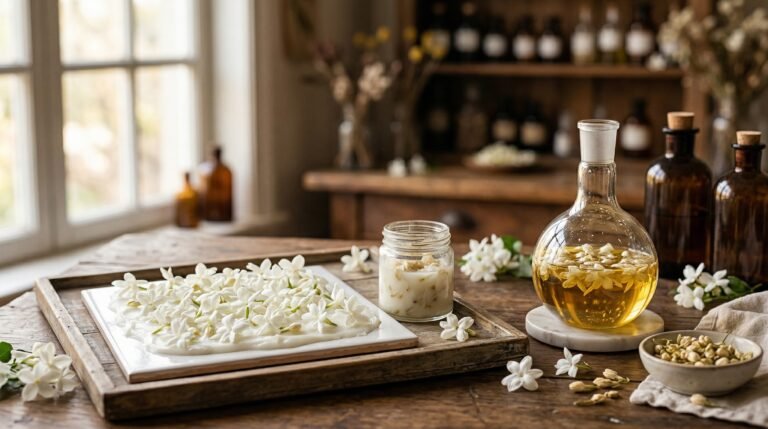
Jasmine essential oil and why this is one of the most precious fragrances on earth
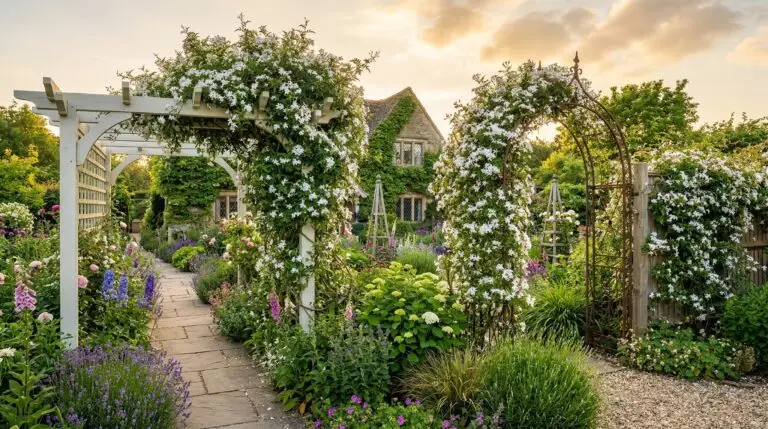
Training jasmine vines on arbors trellises and pergolas for fragrant garden structures
Best jasmine varieties from hardy winter jasmine to intensely fragrant Arabian jasmine
Jasmine flower meaning and why it represents love and sensuality across cultures
Enjoying our flower guides? Add YourFlowersGuide as a preferred source on Google. It helps more readers find us.
Add to Preferred Sources