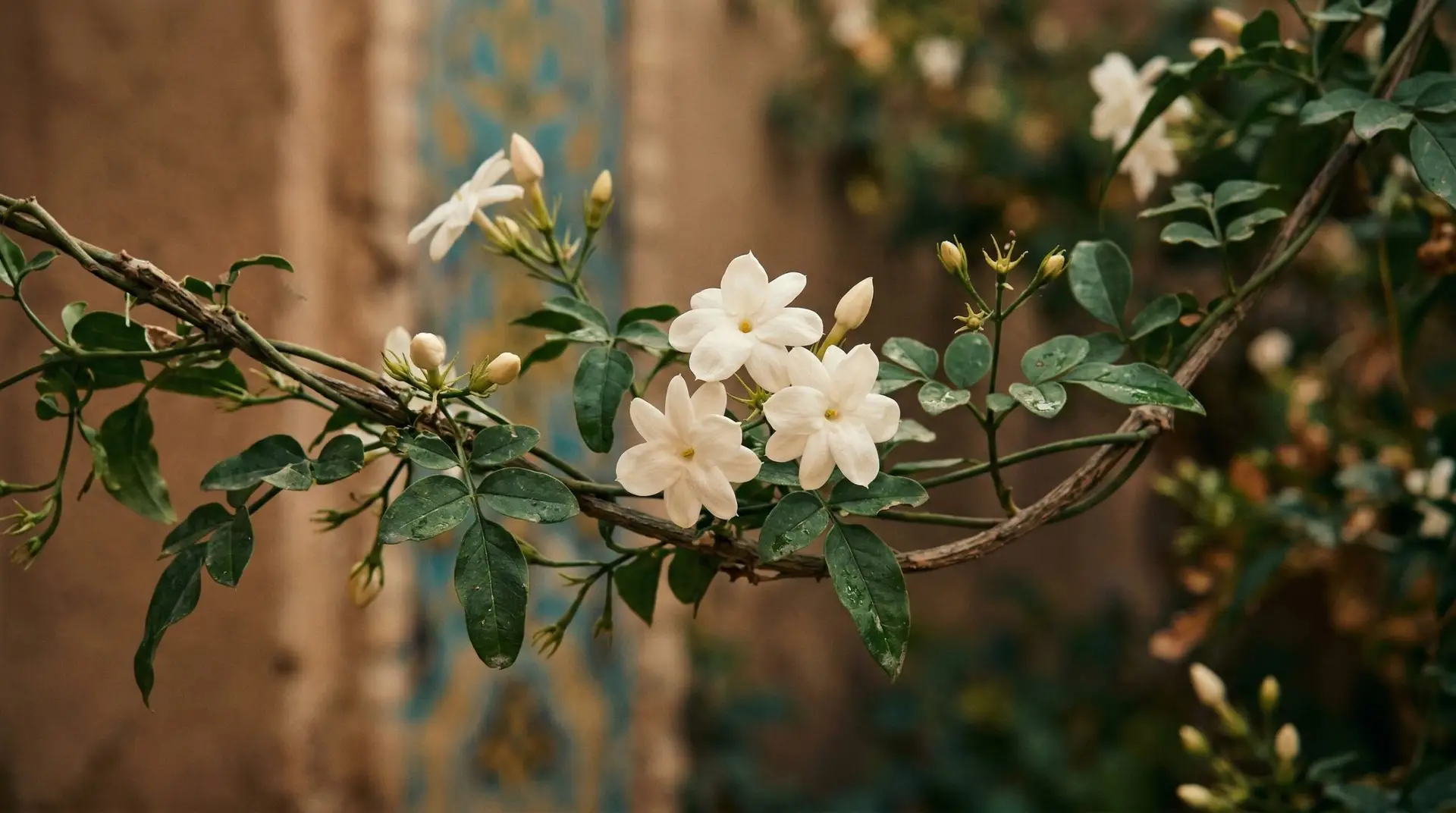
Long before you see the small white petals in the dark, you know the plant is there. The fragrance of night-blooming jasmine spills over garden walls and drifts through open windows on heavy summer air. This invisible presence has captivated gardeners and perfumers for centuries, carrying stories from the ancient world into modern backyards. The Persian word ‘yasmin’ translates simply as a gift from God, a name that captures the reverence early cultivators felt for the plant. Nomadic traders carried the seeds and cuttings along the Silk Road, trading the promise of sweet scent for silk and spices. As the vines took root in new soils across Asia and Europe, the jasmine meaning evolved with the people who grew it. The flower became a quiet companion to human rituals, marking moments of profound love, spiritual devotion, and deep sensuality.
Contents 3 sections
From Persian courtyards to Hindu wedding ceremonies
In the walled gardens of ancient Persia, gardeners trained the vines to climb trellises near fountains so the evening breeze would carry the perfume across the water. The physical flower is surprisingly modest compared to the heavy, intoxicating scent it produces. This contrast between the delicate white star and its powerful fragrance gave rise to early jasmine symbolism tied to unexpected strength and hidden sensuality. When the plant reached the Indian subcontinent, it found a climate that allowed it to thrive and a culture that wove it into daily spiritual life. Women began stringing the fresh blossoms into thick garlands called gajra to wear in their hair, letting the body’s heat release the fragrant oils throughout the day.
During Hindu wedding ceremonies, the flower takes on a role of divine hope and physical union. The bride and groom exchange heavy floral garlands, often mixing the white blossoms with other traditional blooms. While the classic red rose speaks of fiery passion, jasmine offers a different kind of love story. It is a promise of purity mixed with a deeply rooted, sensual connection that grows stronger as the day turns to night. The scent lingers on the skin and clothing of the couple long after the ceremony ends, a physical reminder of the vows they exchanged. The vines themselves grow vigorously and intertwine with whatever support they find, offering a living metaphor for two lives weaving together.
The white star of the Philippines and Thailand
As cuttings traveled further east, the plant encountered new traditions and took on different forms of reverence. In the Philippines, a specific variety known as sampaguita grows wild and is cultivated in small village plots. Children and vendors gather the unopened buds before dawn, working quickly while the air is still cool and the essential oils are locked tightly inside the green sepals. They thread the tight buds onto cotton strings to create necklaces that people buy for religious offerings, graduations, and home altars. The name sampaguita comes from the phrase ‘sumpa kita’, which translates to ‘I promise you’, rooting the flower deeply in concepts of fidelity and steadfast devotion. Much like the thick, waxy petals of the creamy white gardenia, the sampaguita holds its scent and structure even as it begins to dry.
In Thailand, the seasonal rhythm of the plant matches the celebration of motherhood perfectly. The flower reaches its peak blooming season just as the country prepares for its national Mother’s Day in August. Children offer small, detailed arrangements of the white blossoms to their mothers as a gesture of pure, unconditional love. The white color is a mark of a mother’s pure affection, while the sweet fragrance that fills the room mirrors the gentle, pervasive presence of maternal care. This specific jasmine flower language speaks to a love that is less about romantic passion and more about quiet, steady support. The plant asks for very little from the soil but gives back a wealth of blooms, a trait that gardeners and mothers alike understand intimately.
A language written in scent and sensuality
The extraction of the flower’s essential oil requires a delicate and time-consuming process that has barely changed over the centuries. Harvesters must pick the blossoms in the dark, usually between midnight and sunrise, when the chemical compounds responsible for the fragrance are at their absolute peak. If the sun hits the petals, the volatile oils evaporate into the morning air, leaving the harvested flowers practically scentless. It takes thousands of individual blossoms to produce just one small vial of absolute oil, making it one of the most expensive and sought-after ingredients in the world of perfumery. This labor-intensive harvest adds a layer of preciousness and sacrifice to the flower’s identity.
Victorian gardeners in Europe became obsessed with cultivating the plant in glass conservatories to escape the damp chill of winter. They incorporated the blooms into their strict floral dictionaries, where the jasmine flower language translated to amiability, grace, and elegance. Beneath the polite Victorian definitions lay a long-standing association with physical intimacy and sensuality. The chemical makeup of the scent includes indole, a compound that gives the floral sweetness a heavy, almost animalic undertone. This complex chemistry is why the fragrance feels so intoxicating and why it has been used as an aphrodisiac in various cultures for hundreds of years. Gardeners often confuse the true varieties with other fragrant climbers, like the popular stephanotis vine, but the true scent of jasmine remains entirely unique in the botanical world.
Growing this ancient vine in a modern garden connects you directly to the long lineage of people who have tended it before. You might plant it near a porch where you sit in the evenings, waiting for the sun to drop and the small white stars to open. The plant requires patience, often taking its time to establish roots before it decides to send out its long, twisting runners. When it finally blooms, the reward is immediate and overwhelming, filling the dark space with a perfume that feels both familiar and entirely wild. You sit in the quiet of your own yard, breathing in the same scent that filled Persian courtyards and ancient temples, understanding exactly why this small flower has always been a symbol of love.
More About Jasmine flower
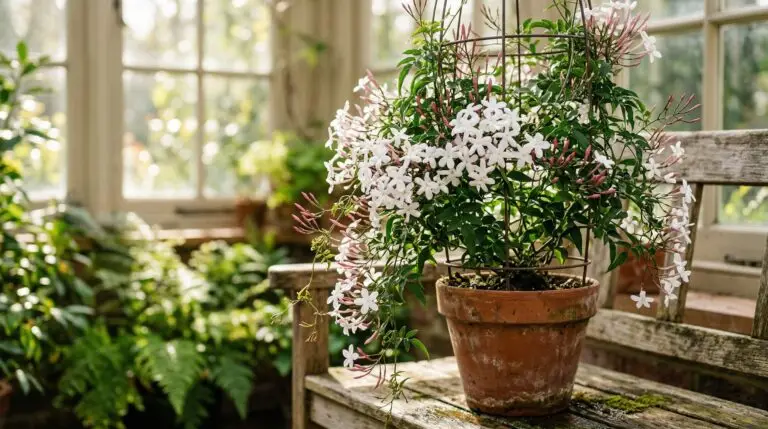
Growing jasmine indoors for fragrant winter blooms from a houseplant vine
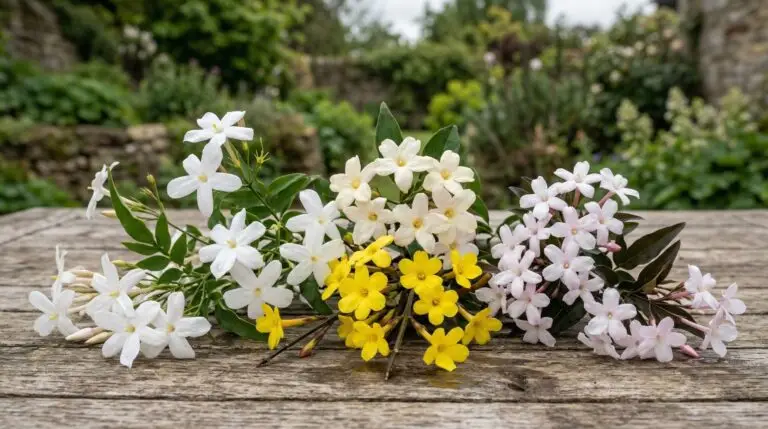
Winter jasmine for cheerful yellow flowers on bare branches in the coldest months
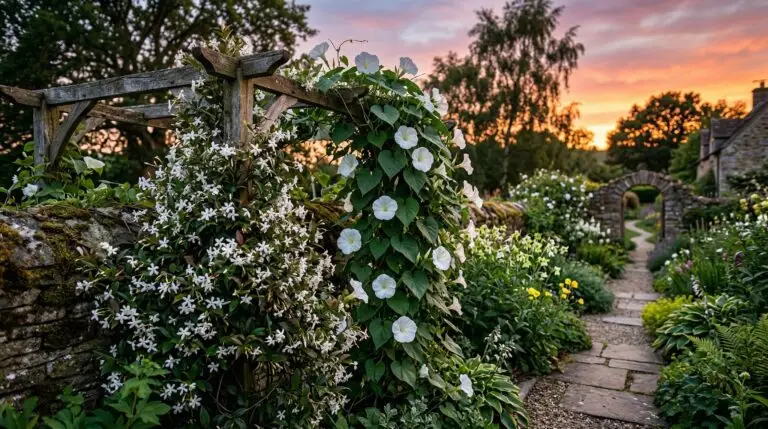
Companion plants for jasmine: what to grow and what to avoid
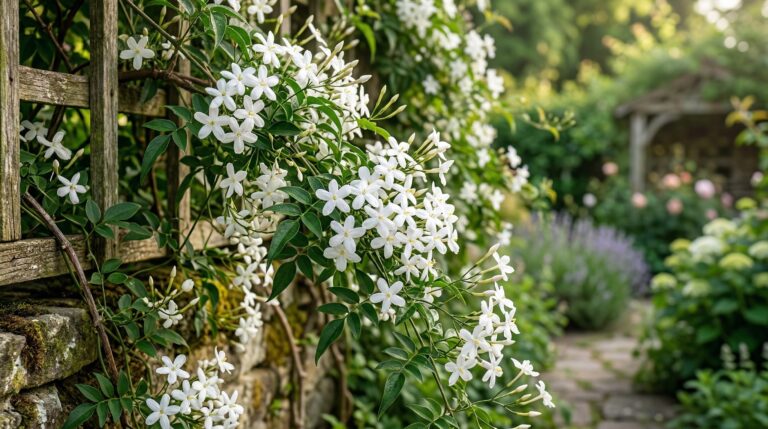
How to grow jasmine for intoxicating evening fragrance that fills the entire garden
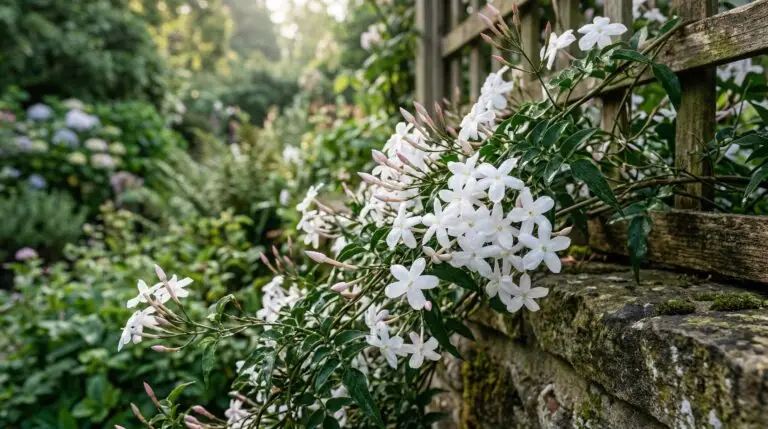
Why jasmine is not blooming and the cold night temperatures it needs to set buds
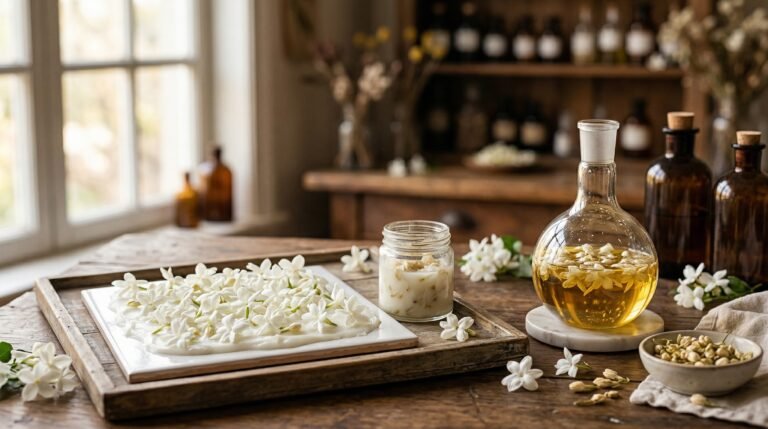
Jasmine essential oil and why this is one of the most precious fragrances on earth
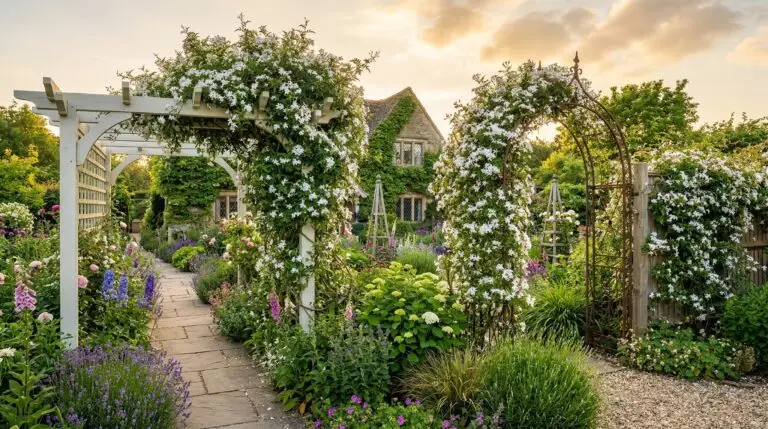
Training jasmine vines on arbors trellises and pergolas for fragrant garden structures
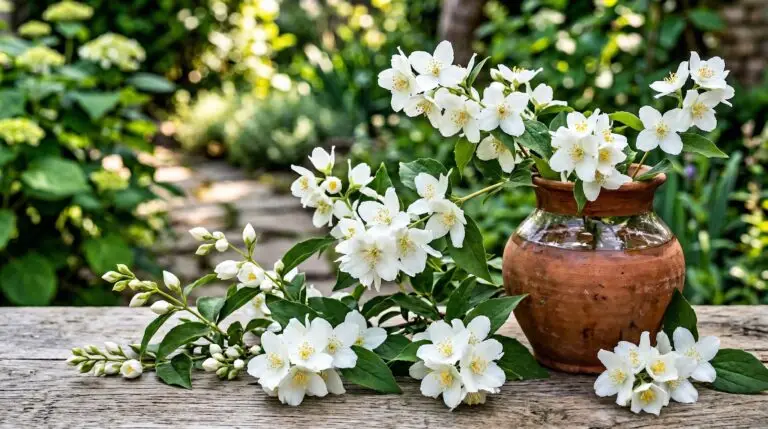
Best jasmine varieties from hardy winter jasmine to intensely fragrant Arabian jasmine
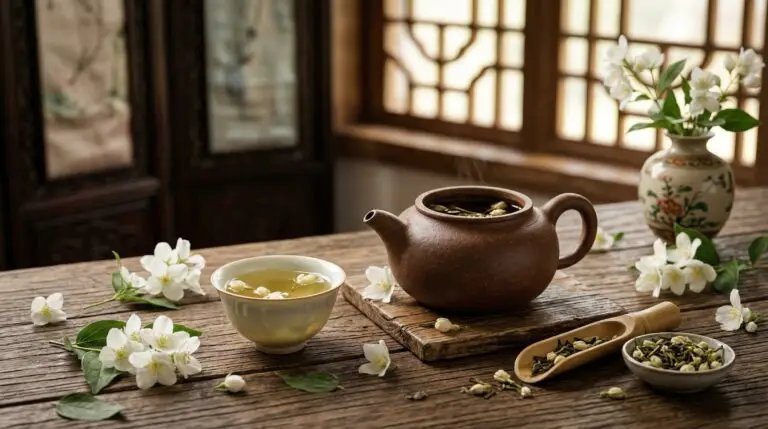
Jasmine tea and the ancient art of scenting tea leaves with fresh jasmine flowers
Enjoying our flower guides? Add YourFlowersGuide as a preferred source on Google. It helps more readers find us.
Add to Preferred Sources