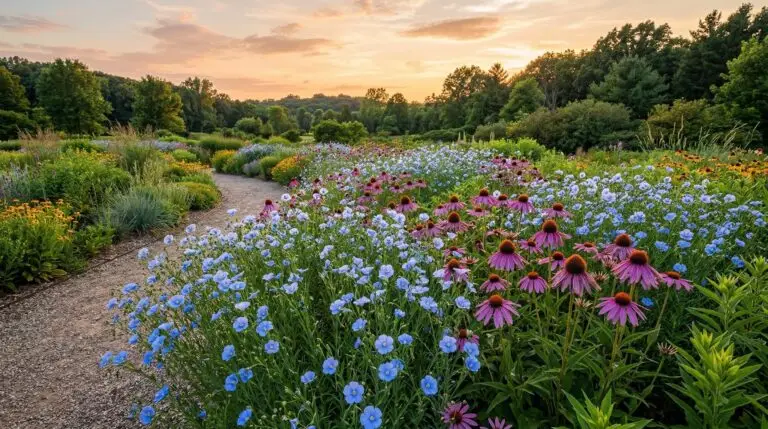
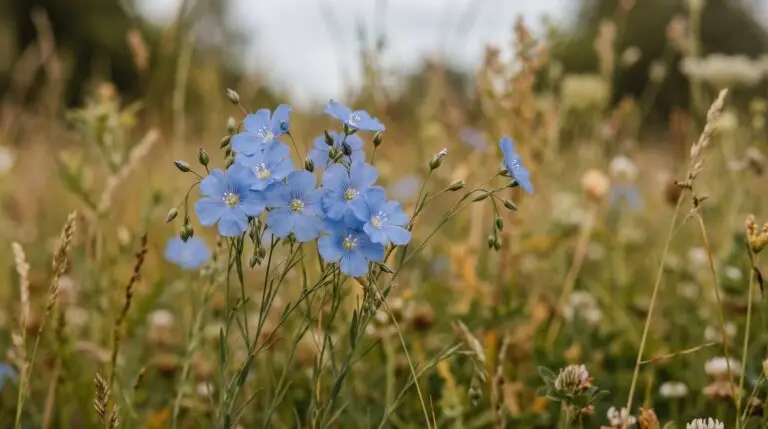
Blue flax is a classic choice for anyone wanting to establish a casual wildflower meadow because it thrives on neglect and produces a daily succession of sky blue blooms. You might be drawn to this plant after seeing it blanket a roadside or open field in early summer. Growing blue flax from seed is a straightforward process that rewards you with delicate flowers that open with the morning sun and drop their petals by the afternoon. Before you start tossing seeds into the dirt, you need to understand that Linum perenne is a short lived perennial. Individual plants usually only survive for three to four years in the garden. To keep a patch going indefinitely, you are actually managing a self sowing colony rather than tending to a permanent shrub. This means your goal is to create an environment where the seeds can naturally drop, germinate, and replace the older plants as they fade out of the garden bed.
Selecting a site with proper drainage
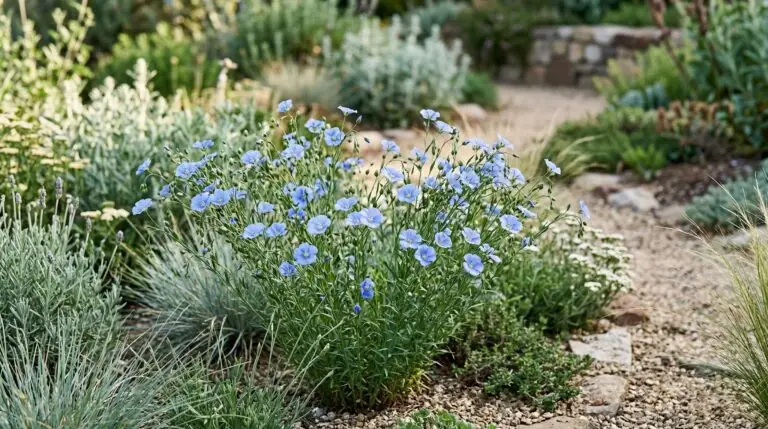
The most common reason blue flax fails to thrive is planting it in heavy, waterlogged soil. These wildflowers evolved in dry, rocky environments, so their roots will rot quickly if they sit in standing water during the winter months. You can test your drainage by digging a hole about a foot deep and filling it with water from your garden hose. If the water drains away in an hour or two, your soil is perfectly suited for linum perenne growing. If the water is still sitting in the hole the next morning, you need to choose a different location or build a raised mound using sandy topsoil. Full sun is absolutely nonnegotiable for this species, as the plants will grow tall and floppy without at least six hours of direct sunlight. Preparing the bed simply requires clearing away existing weeds and grass with a hoe or a broadfork. You do not need to mix in rich compost or fertilizer, because overly fertile soil encourages weak, leggy growth rather than sturdy stems.
Direct sowing techniques for meadow planting
The best time to plant blue flax from seed is in the early spring, just as daytime temperatures consistently stay above sixty degrees Fahrenheit. You can also sow them in late fall, allowing the seeds to lie dormant over the winter and sprout naturally when the soil warms up. Start by taking a hard garden rake and scratching the surface of your cleared soil to create shallow grooves. Scatter the seeds evenly across the prepared area by hand, aiming for about four to six seeds per square foot if you are creating a dense meadow look. Blue flax seeds need a tiny amount of light to trigger germination, so you should never bury them deeply. Instead, take your hands or the flat back of your rake and gently press the seeds into the dirt to ensure good soil contact. Water the area thoroughly using a hose attachment with a fine mist setting so you do not wash the tiny seeds away. Keep the top inch of soil lightly moist until the seedlings appear, which typically takes three to four weeks depending on the weather.
Guiding seedlings through their first season
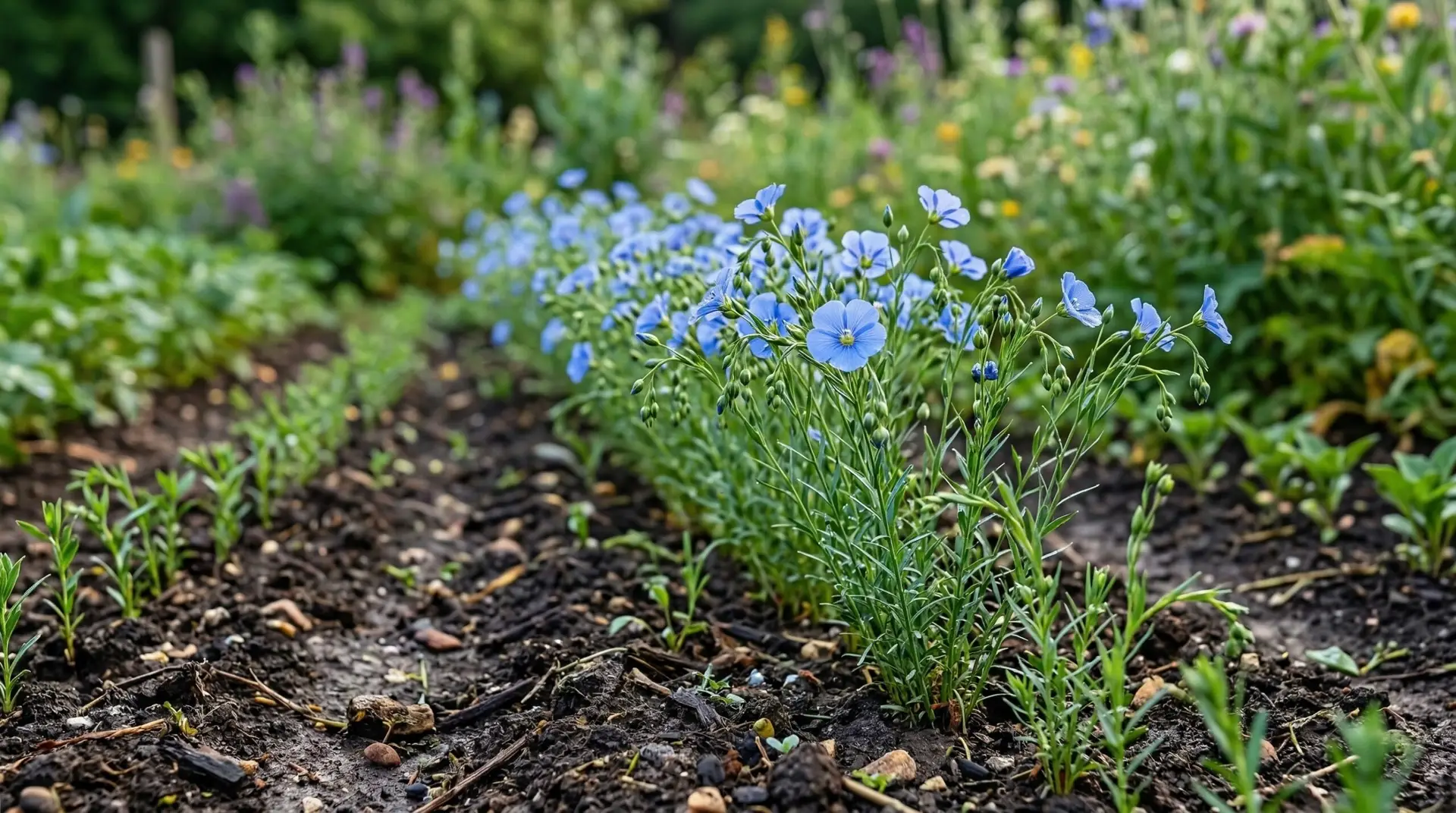
During the first month after planting, you will need to keep a close eye on the meadow patch to distinguish your young wildflowers from aggressive weeds. Blue flax seedlings emerge looking like tiny grass blades before developing their characteristic narrow, alternating leaves along a single central stalk. At this point you might notice that your seedlings are growing very close together in thick clumps. That is normal when hand broadcasting seeds, and you can either thin them out to stand six inches apart or leave them to compete naturally. As the plants establish their taproots, you can gradually reduce your watering frequency to encourage deep root growth. By midsummer, your blue flax will start to produce thin, wiry stems that sway gracefully in the wind and make excellent companions for other meadow flowers. You might consider mixing them with cornflowers for a classic blue on blue color palette. Alternatively, planting them alongside Black Eyed Susan creates a sharp contrast of bright yellow and soft blue that blooms well into the late summer months.
Establishing a self sustaining wildflower patch
When growing blue flax wildflower patches from seed, patience is required during the first year. Many plants will focus entirely on root development and foliage growth during their first season, saving their floral display for the following spring. If you do see blooms in the first year, they will likely be sparse and appear late in the season. The real reward comes in year two, when the established plants send up dozens of stems topped with round buds that pop open every morning. Each flower only lasts a single day, dropping its petals by midafternoon, but the plant produces so many buds that the display continues for weeks. Once the flowering period finishes, the plants will form small, round seed pods that dry and crack open in the late summer heat. Allow these pods to shatter naturally and scatter their contents across your garden bed to ensure the next generation of plants. You can even walk through the patch and gently brush the dried stems with your hands to help knock the seeds loose into the soil.
Over the next few seasons, you will watch your initial planting transform into a dynamic, shifting colony of wildflowers. The original plants will eventually grow woody at the base and decline, but the seedlings they leave behind will seamlessly take their place. You will learn to recognize the tiny grass like sprouts emerging every spring, knowing they will soon mature into tough, drought tolerant plants. A successful meadow requires very little supplemental water or maintenance once this cycle begins. You can simply step back and enjoy the daily rhythm of the sky blue flowers opening with the sunrise. For a truly continuous display of meadow color, you could eventually introduce later blooming annuals like cosmos into the bare spots where older flax plants have faded. Your garden will become a self sufficient ecosystem that brings reliable color and gentle movement to your yard year after year.
More About Blue Flax
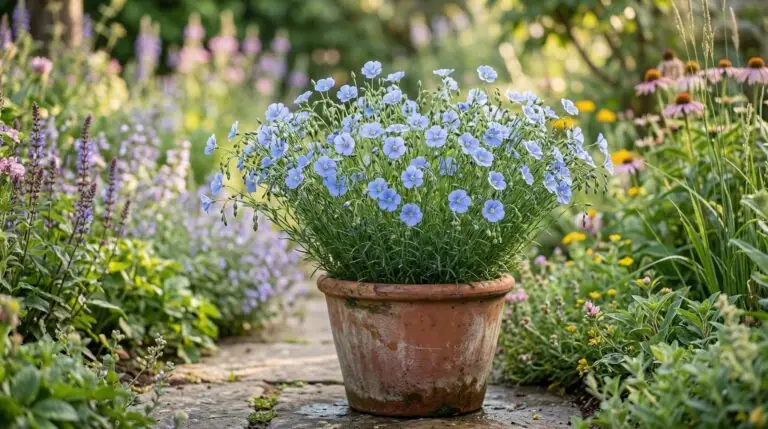
Growing blue flax in containers and window boxes for sky-blue summer color
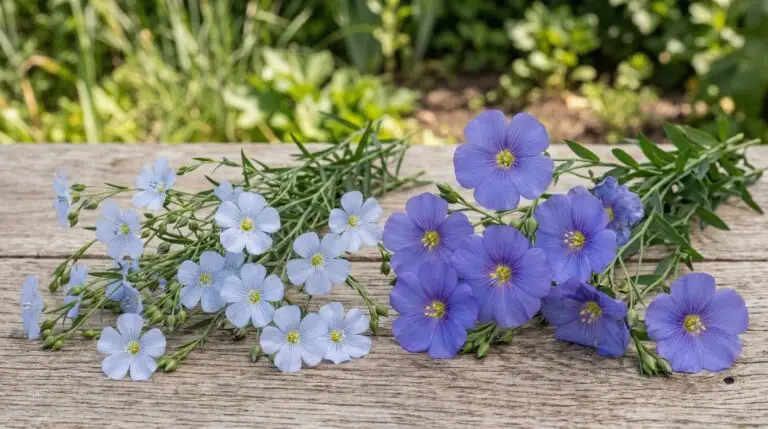
Lewis flax versus perennial blue flax and which native species to grow
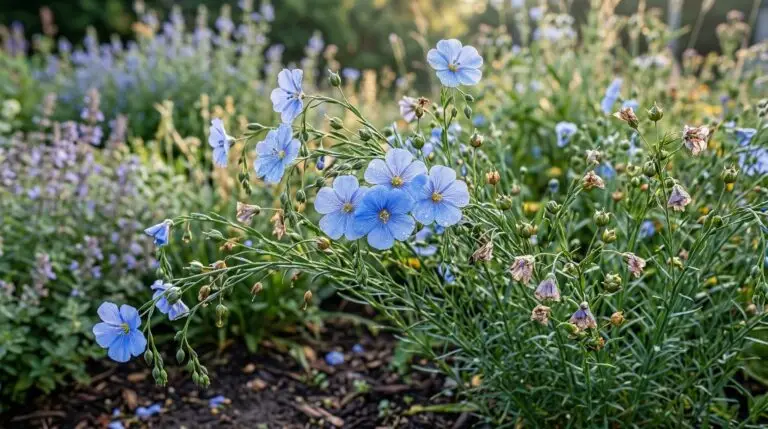
Why blue flax flowers only last one day and why that is actually a good thing
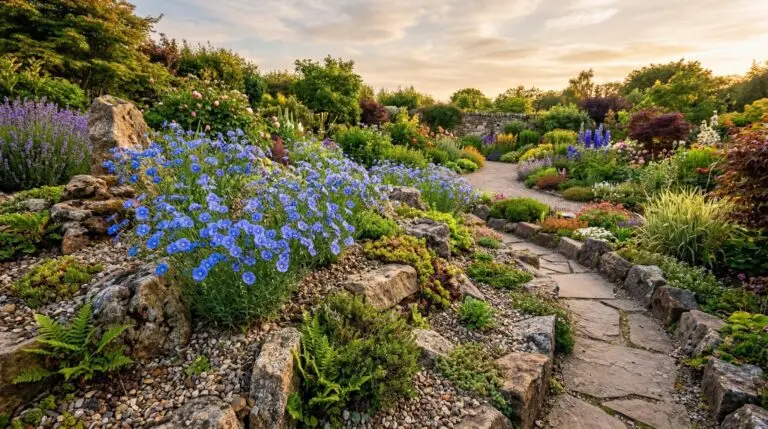
Blue flax in rock gardens and gravel pathways for a natural alpine look
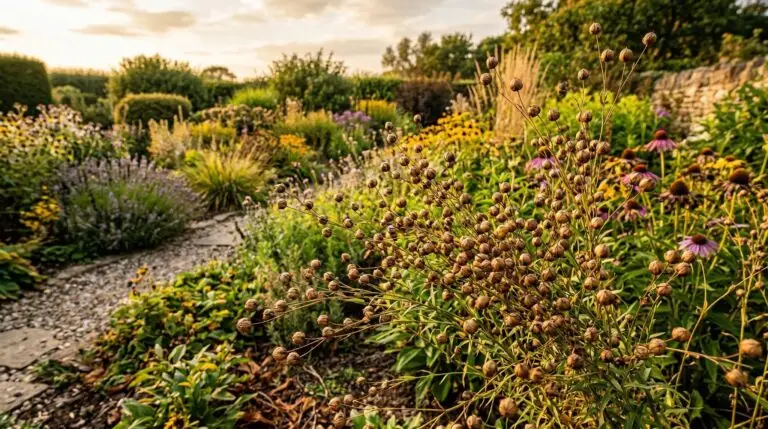
How to collect and save blue flax seeds for planting next season
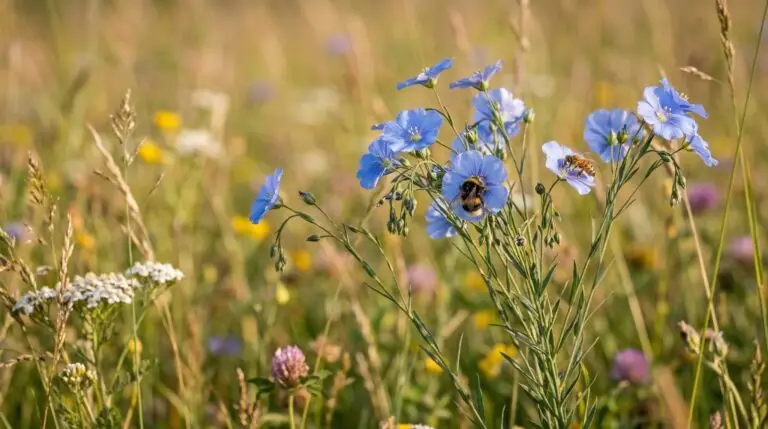
Blue flax for pollinator gardens attracting native bees and beneficial insects
The history of flax from ancient linen production to ornamental garden flower
Blue flax for xeriscaping and drought-tolerant gardens that still look beautiful