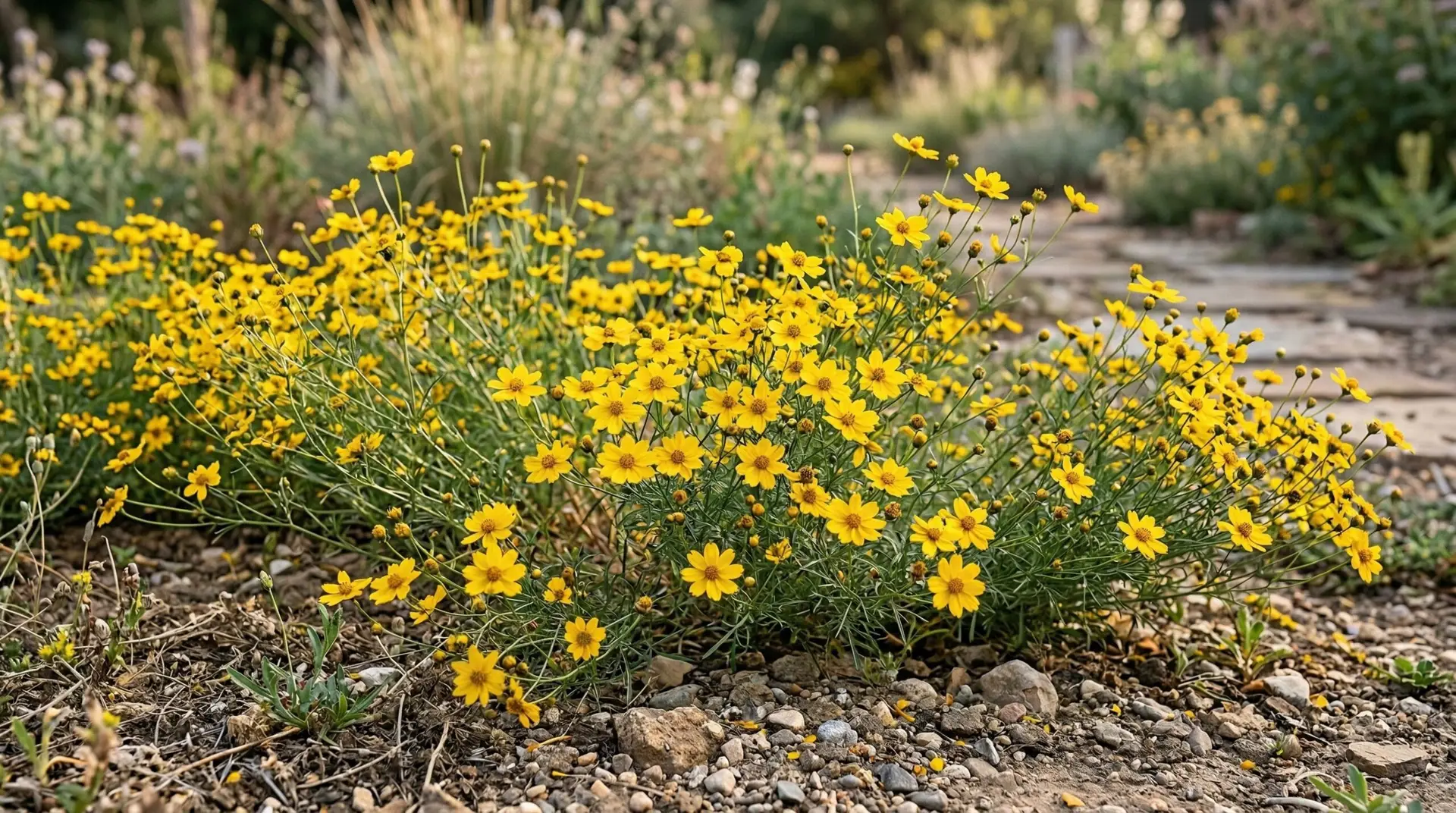
There is always that one spot in the yard where the hose barely reaches and the soil feels like concrete. Every gardener has spent entirely too much money trying to coax delicate perennials into growing in these harsh zones, only to watch them crisp up by July. The secret to fixing these dead zones is not hauling in bags of expensive topsoil or setting up complicated drip irrigation systems. The answer is planting something that actually prefers to be neglected and left to its own devices. Coreopsis is exactly that kind of plant, producing bright yellow flowers for months when practically ignored.
Many people start out thinking every flower needs rich compost and daily watering to look good. Learning how to grow coreopsis quickly breaks that habit because over-watering and over-feeding will actually ruin the plant. When given too much fertilizer, the stems grow too fast and flop over into a messy, tangled pile that completely covers the surrounding plants. The easiest way to get tight, upright mounds of blooms is to stick them in the ground and walk away. Growing coreopsis care routines involve putting away the fertilizer box and letting the plant do what it naturally wants to do.
Giving coreopsis the poor soil it actually wants
Finding the right location comes down to looking for the areas where other plants struggle to survive. Coreopsis thrives in sandy, rocky, or lean dirt that drains quickly after a heavy rain. If the garden has heavy clay, simply mixing in a few shovels of coarse builder sand or small gravel into the planting hole will provide the drainage these roots require. Buying premium potting mixes or organic compost is a waste of money for this specific flower. Save the expensive soil amendments for the vegetable garden and let the coreopsis handle the rough patches.
Planting depth and spacing are straightforward, but giving the roots room to breathe prevents problems later in the season. Dig a hole just deep enough so the top of the root ball sits level with the surrounding soil. If the crown of the plant is buried too deep, it will rot during the first long rainy spell of the spring. Space the plants about eighteen to twenty-four inches apart to allow for good air circulation, which prevents mildew from forming on the leaves. The plants might look sparse and small when first put in the ground, but they fill in that empty space very quickly by their second year.
Watering rules for a drought resistant plant
The transition period right after planting is the only time an easy perennial coreopsis requires consistent attention from a gardener. Newly transplanted nursery pots need a deep soaking once a week for the first month to help the roots establish themselves in their new home. The leaves might droop and look entirely dead for about two weeks after transplanting. They are not dead, so resist the urge to drown them in water or dig them back up. Give them time to adjust to the native soil, and they will perk up once the roots stretch out.
Once the plants survive their first full season, the watering schedule drops to almost nothing. In many regions, natural rainfall provides all the moisture a mature coreopsis needs to produce a massive flush of summer flowers. Gardeners in the deep South may find they need to provide a supplemental soaking during extended dry spells in August just to keep the foliage looking green. In northern zones, the cooler summer nights mean the plants can often go weeks without a single drop of extra water. This extreme drought tolerance makes them an excellent companion for growing yarrow, which also prefers dry feet and plenty of sunshine.
Managing the blooms and self seeding habits
A common myth is that low-maintenance plants require absolutely zero physical labor throughout the year. While coreopsis care is minimal, grabbing a pair of sharp shears in mid-summer will force the plant to produce a second wave of flowers. When the first massive display of blooms starts to fade and turn brown, grab the entire plant in one hand and cut it back by about one third. This quick haircut removes the spent flowers and encourages fresh green growth from the center of the crown. The technique is very similar to the way many people manage growing catmint to keep it looking tidy late in the season.
Leaving the flowers alone at the end of the summer brings a different set of benefits and challenges to the garden. The dried seed heads provide a reliable food source for small birds throughout the winter months. However, those same seeds will inevitably drop to the soil and germinate the following spring, creating dozens of tiny new plants. The seedlings are very easy to recognize and pull out with two fingers if they pop up in unwanted areas. Many home gardeners simply dig up the free volunteer plants and move them to fill in empty spots along the driveway or sidewalk.
Companions that share the same tough attitude
Designing a resilient garden means grouping plants together based on how much abuse they can tolerate. Putting a thirsty, shade-loving plant next to a coreopsis will always end in disaster for one of them. Instead, surround these yellow blooms with other tough, sun-loving perennials that thrive in lean soil and high heat. Planting them alongside growing black eyed susan creates a classic, cheerful border that requires practically no intervention from June through September. Both plants will handle the hottest afternoon sun without wilting or demanding a drink from the hose.
Every yard needs a backbone of dependable plants that ask for nothing and give plenty in return. Finding flowers that actually look better when ignored frees up time to fuss over the delicate roses or the demanding tomato plants. Coreopsis earns its permanent spot in the yard by surviving the dry spells, ignoring the poor soil, and blooming reliably year after year. Learning to step back and let these tough perennials do their job is one of the most practical lessons a home gardener can master.
More About Coreopsis
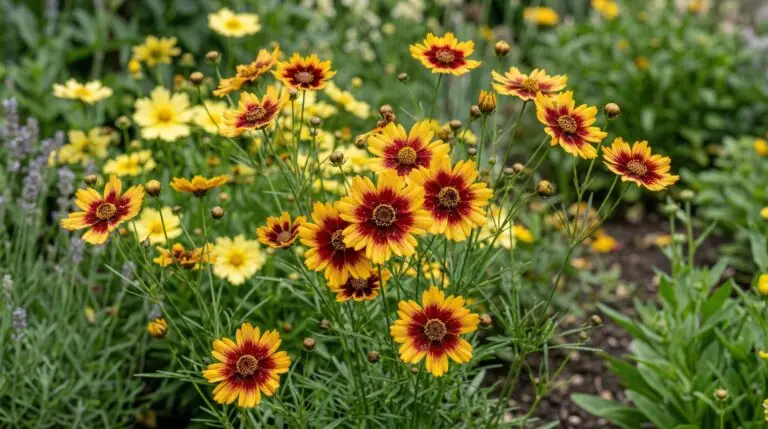
Red and bicolor coreopsis varieties that go beyond the usual yellow
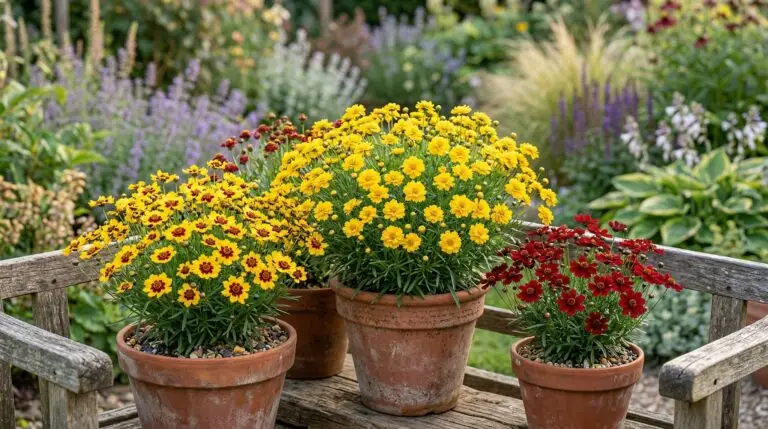
Coreopsis in containers and window boxes for sunny spots that need easy color
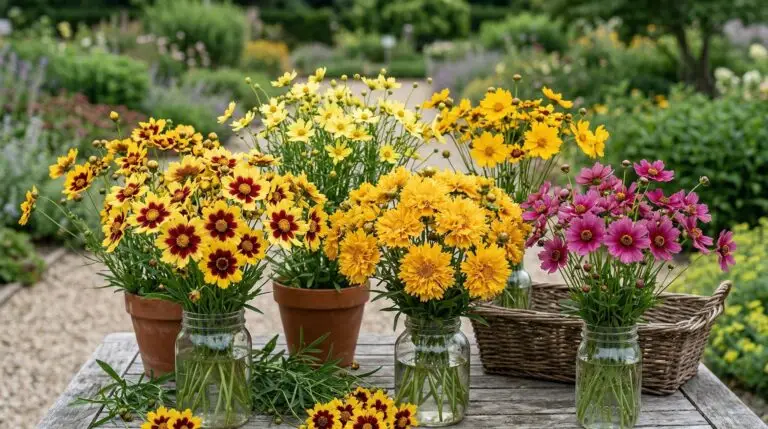
Thread-leaf coreopsis Moonbeam and why it is one of the finest perennials ever bred
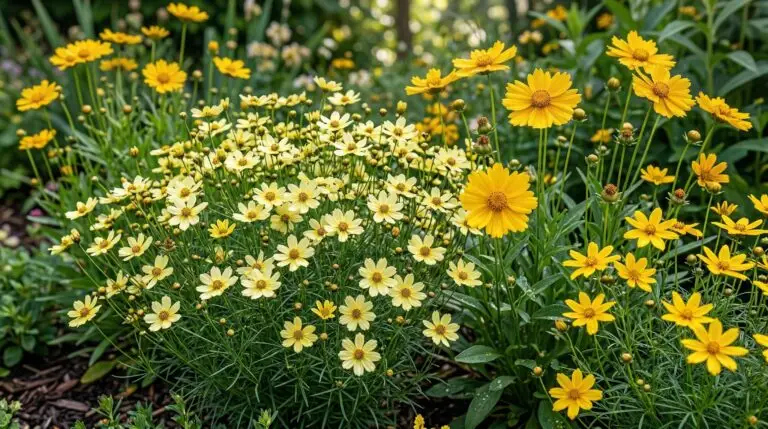
Best coreopsis varieties for non-stop golden blooms from early summer to frost
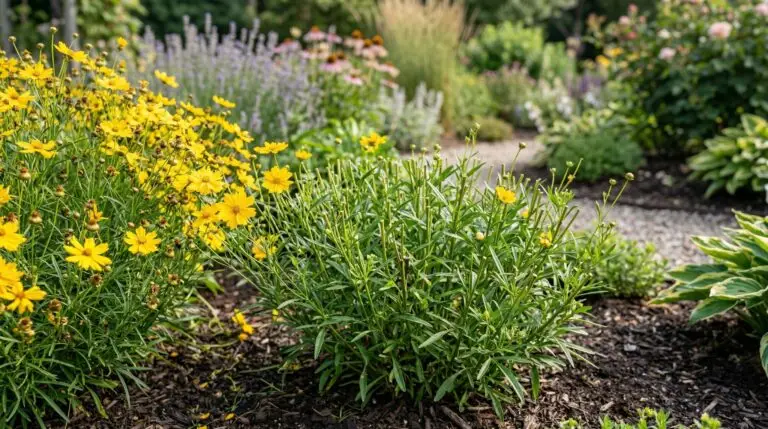
Why coreopsis stops blooming in midsummer and how to keep flowers coming

Coreopsis for xeriscaping and dry garden conditions where other flowers struggle
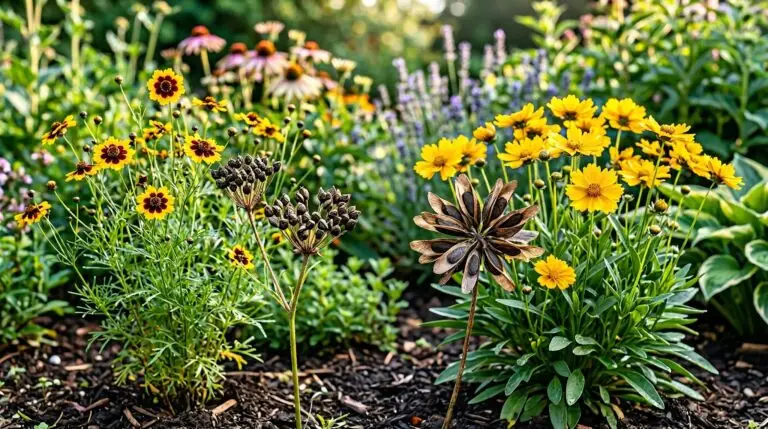
Growing coreopsis from seed for masses of budget-friendly garden color
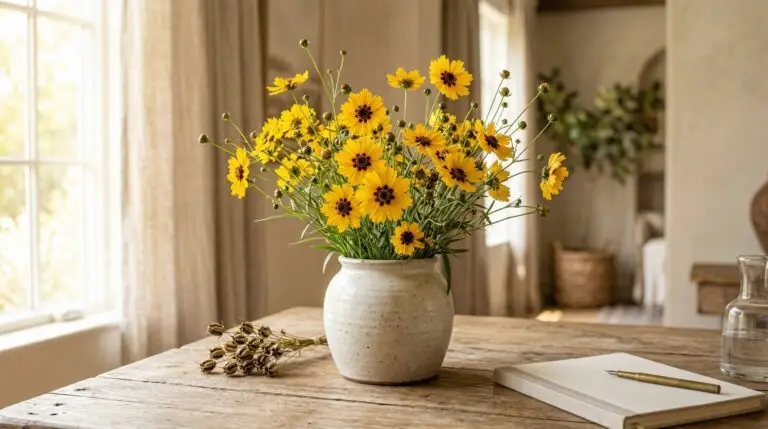
Native coreopsis species and their role in restoring American wildflower meadows