Every gardener learns eventually that plant survival is a strictly local affair. What thrives effortlessly through a mild winter in Zone 8 Georgia will perish during the first hard freeze in Zone 4 Minnesota. Understanding your specific regional context is the absolute foundation of success when overwintering blue salvia. The methods you use to protect these plants must match the specific threats your climate presents, whether that is bone-chilling wind, heavy snowpack, or months of cold winter rain. General advice to simply mulch your plants often fails because it ignores the complex relationship between temperature, soil chemistry, and winter moisture. To bring blue salvia back stronger each spring, you must evaluate your own garden conditions and apply the right protection strategy for your exact location.
Understanding salvia cold hardiness across northern zones
In the deep freeze of Zones 3 through 5, overwintering salvia requires protecting the crown from sustained subzero temperatures. Gardeners in the Upper Midwest and New England face the primary challenge of deep, penetrating frost that can destroy the root system of even the hardiest varieties. The secret to salvia winter care in these regions relies heavily on consistent snow cover, which is a powerful natural insulator against wild temperature swings. When snow is unreliable, you must recreate that insulation by applying a thick layer of loose organic matter over the plant crowns after the ground freezes solid. Waiting until the soil is completely frozen prevents rodents from nesting in the mulch and eating the salvia roots during the winter months. You can also utilize microclimates by planting your salvia near south-facing brick walls that absorb solar heat during the day and radiate it back to the soil at night. Choosing the right planting location initially dictates how much winter protection you will need to apply later in the season.
Managing winter moisture in the Pacific Northwest and South
Gardeners in the Pacific Northwest and the humid Southeast face a completely different set of winter challenges that have little to do with extreme cold. In these regions, wet winter soil kills far more blue salvia plants than freezing temperatures ever will. Salvia roots sitting in cold, waterlogged clay will quickly rot, making excellent drainage the absolute priority for winter survival. You can improve your odds significantly by planting in raised beds or amending heavy soils with coarse sand and gravel to ensure water moves quickly away from the root zone. Similar drainage requirements apply to lavender, another Mediterranean native that demands dry feet during the dormant season to survive heavy winter rains. If your region experiences relentless winter precipitation, avoid cutting the salvia stems all the way to the ground in autumn. Leaving the hollow stems intact prevents water from pooling directly into the crown, which frequently causes fatal fungal infections during damp winter months.
Overwintering strategies for the dry Mountain West and Plains
The high altitudes and open spaces of the Mountain West present a brutal combination of dry air, intense winter sun, and howling winds. Blue salvia cold hardiness is severely tested here because the dry winter winds strip moisture from the dormant plant tissues faster than the frozen roots can replace it. In alkaline soils common across the Southwest and Mountain regions, you might need to add elemental sulfur to lower the pH closer to the 5.5 to 6.5 range that helps these plants absorb nutrients efficiently before dormancy. Building physical windbreaks using evergreen boughs or temporary fencing can protect the dormant crowns from the worst of the desiccating winds. Unlike the damp Northwest, plants in these dry regions actually benefit from occasional winter watering during prolonged dry spells when the ground thaws briefly. This regional approach mirrors the winter care needed for Russian sage, which also requires protection from severe wind desiccation while dormant. A deep layer of coarse mulch applied in late fall helps lock in whatever soil moisture remains before the deep freezes arrive.
Container overwintering and indoor propagation methods
When local conditions are simply too harsh for outdoor survival, bringing plants inside offers a reliable alternative for preserving your favorite blue salvia varieties. Gardeners in extreme northern climates often grow tender salvia species in pots specifically so they can move them into an unheated garage or cool basement before the first killing frost. The goal indoors is not to encourage winter growth, but to force the plant into a deep dormancy by keeping temperatures between 35 and 45 degrees Fahrenheit while providing minimal water. You only need to water these dormant containers lightly once a month, just enough to keep the root ball from turning to dust. For those who prefer leaving their plants in the ground, taking stem cuttings in late summer provides excellent insurance against catastrophic winter losses. Rooting these cuttings indoors under grow lights ensures you have vigorous young plants ready for the garden if the parent plant fails to survive a particularly brutal winter season.
Successful gardening requires treating your yard as a unique ecosystem rather than a generic plot of dirt. The climate patterns, soil composition, and seasonal shifts in your specific region dictate exactly how any plant will behave and what it needs to survive the dormant season. By observing how water moves through your soil in January or noting which beds receive the harshest winter winds, you gather the precise data needed to make informed decisions. Adapting your techniques to match these local realities is the true secret to keeping perennial plants healthy year after year. Every plant you put in the ground will teach you something about your local climate if you pay attention to how it responds to the changing seasons.
More About Blue Salvia
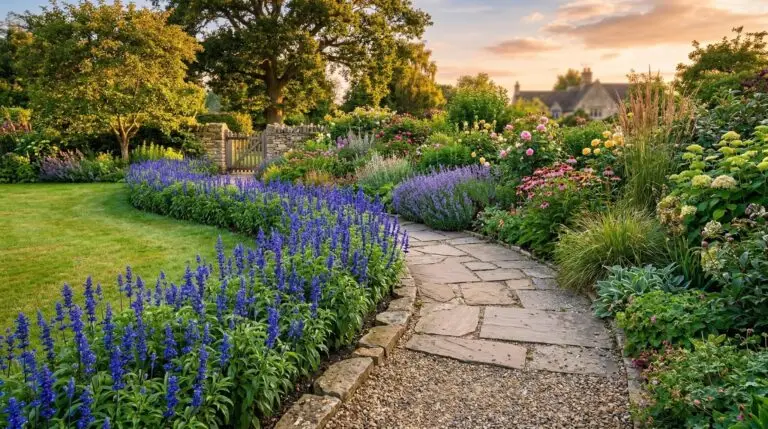
Growing blue salvia as a fragrant edging plant along walkways and garden paths
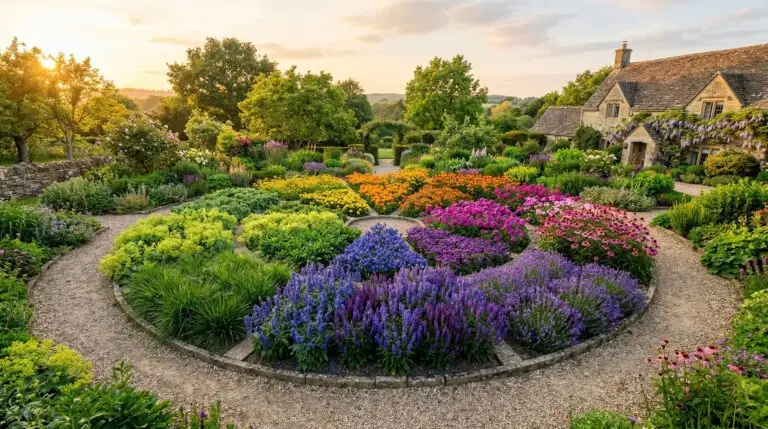
Blue salvia and yellow marigold together for a classic complementary color garden
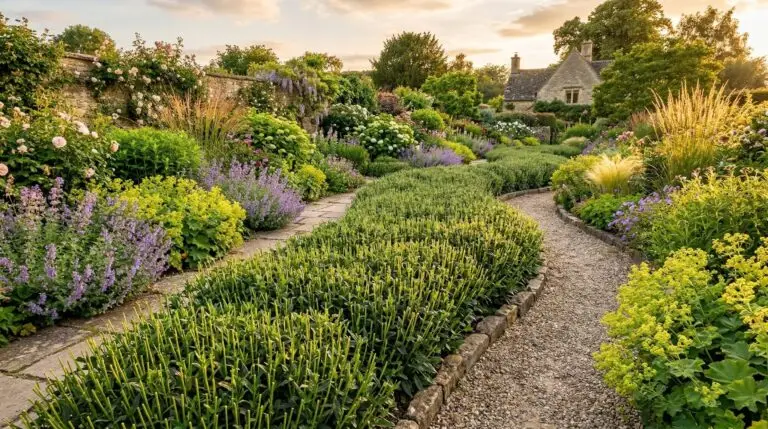
How to prune and deadhead blue salvia for a second and third flush of blooms
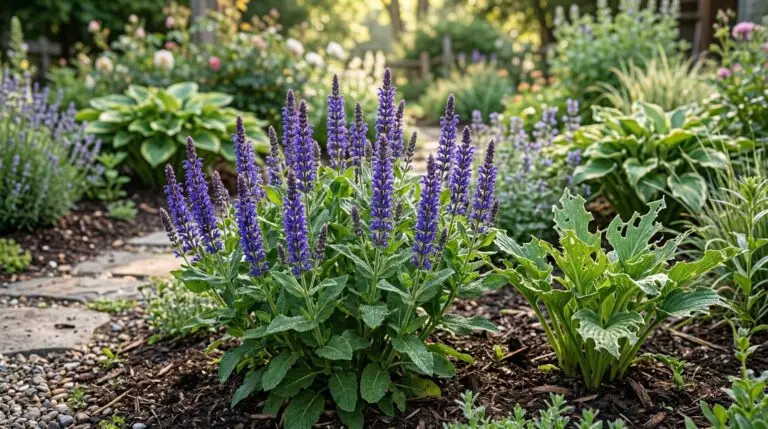
Blue salvia as a deer-resistant flower for gardens where deer are a constant problem
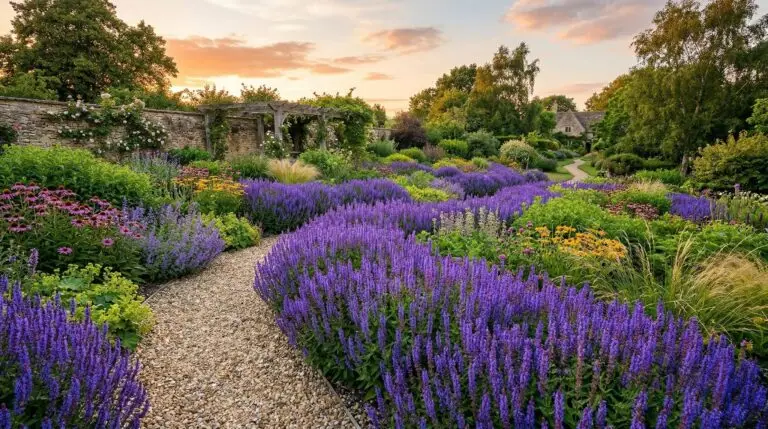
Blue salvia in mass plantings for dramatic sweeps of color in large gardens
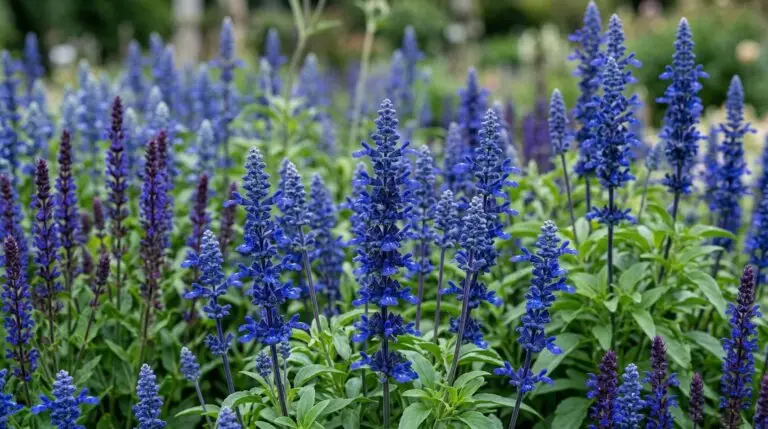
Best blue salvia varieties for non-stop color from late spring through first frost
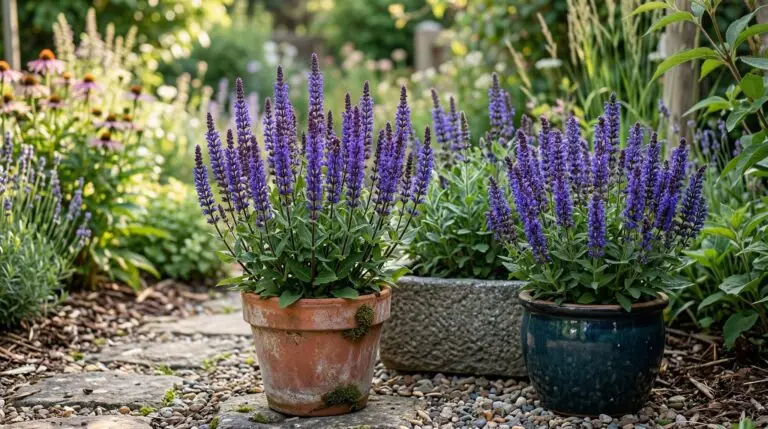
How to grow blue salvia in containers for a burst of color on sunny patios
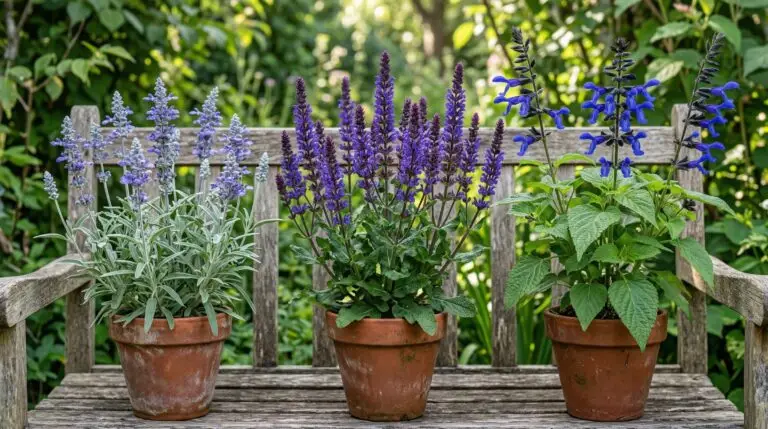
Perennial salvia versus annual salvia and how to choose the right one