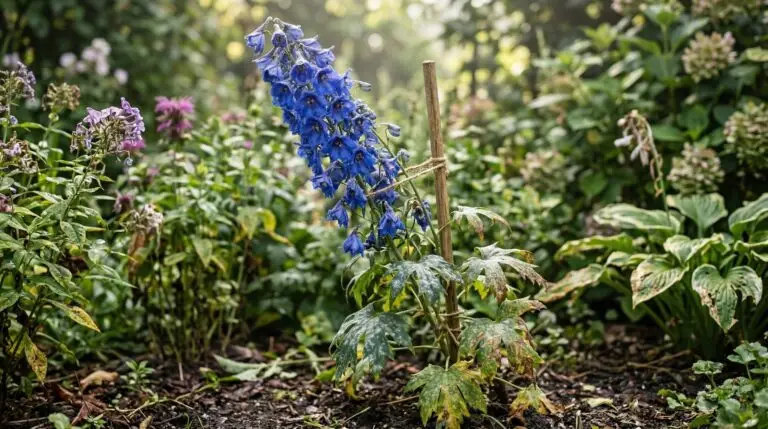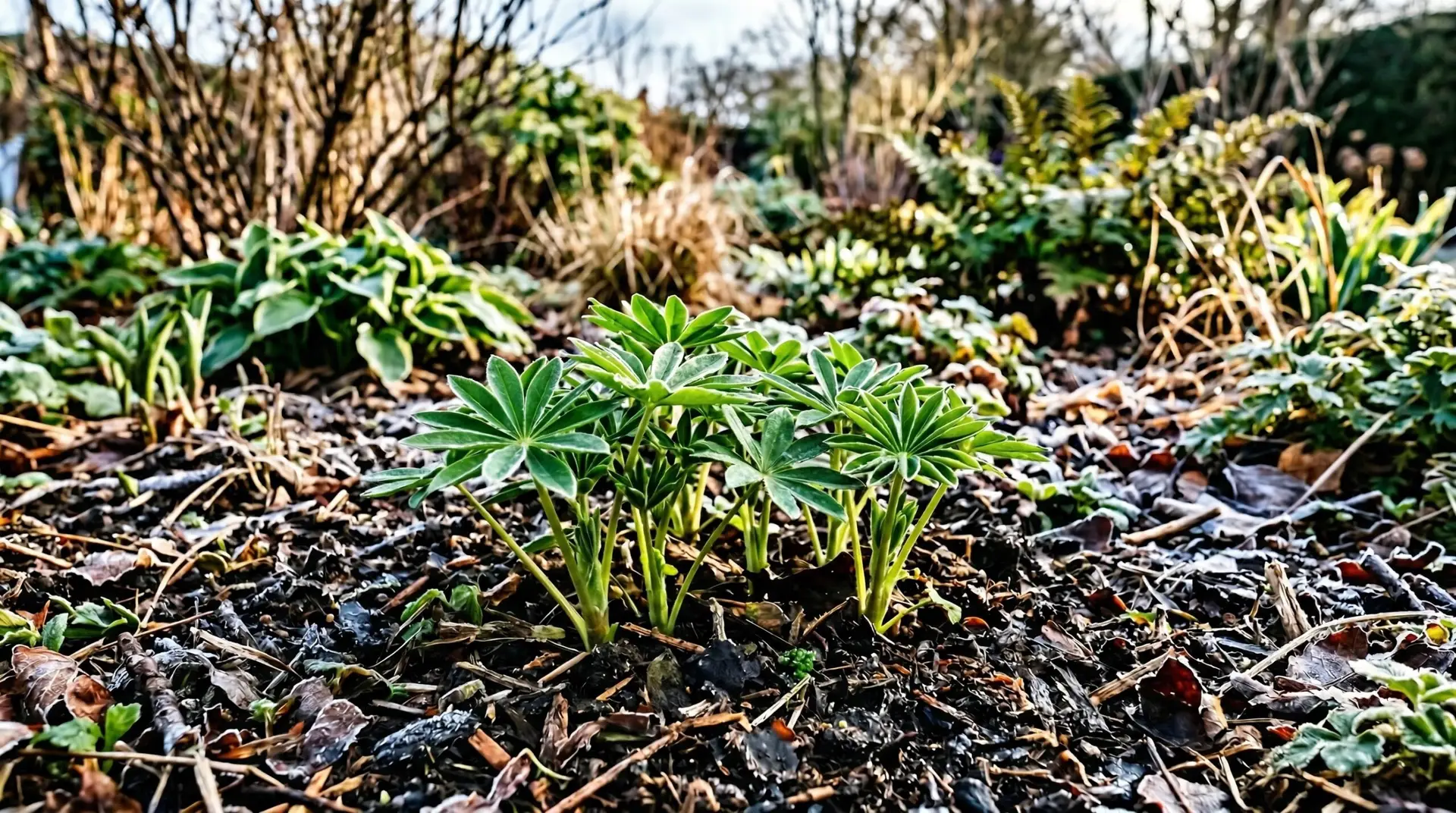
By the time you finish reading, you will understand exactly why growing delphiniums from seed feels different than starting your average garden flower, and how mimicking nature’s seasons is the secret to unlocking their growth. Delphinium elatum produces the tall, majestic flowering spires that define classic cottage gardens, but getting those towering stalks requires a bit of botanical understanding. When a gardener first attempts to grow these perennials from seed, they often treat them like a standard summer annual, which usually leads to disappointment. We are going to look at how these seeds behave in the wild so we can recreate those conditions indoors. Understanding the biological locks that keep these seeds dormant will completely change how you approach seed starting. Instead of hoping for a quick sprout, you will learn to guide these plants through a slow, deliberate process of waking up and establishing roots.
Waking up dormant seeds with winter simulation
To understand delphinium seed starting, we first need to look at where these plants originated and how they survive in cold climates. In nature, a delphinium drops its seeds in late summer or early fall, where they sit on the soil surface through freezing winter temperatures. If those seeds sprouted immediately in October, the tender new plants would be killed off by the first hard freeze. To prevent this, the seeds have a built-in dormancy mechanism that acts like a chemical lock, preventing germination until they have experienced a prolonged period of cold and moisture. We call the process of breaking this dormancy cold stratification, and it is the most vital step in growing a delphinium from seed. Without this chilling period, the seeds simply assume it is still autumn and refuse to wake up, leaving the gardener staring at pots of bare soil.
We can easily recreate this winter experience in a standard kitchen refrigerator, tricking the seeds into thinking they have survived a long, snowy season. The most reliable method is to fold the seeds inside a damp paper towel, slip that into a plastic bag, and place it in the crisper drawer for about three to four weeks. The moisture is just as important as the cold here, because a dry seed in the refrigerator will just stay dormant. Think of the damp paper towel as the melting snow and wet autumn leaves that would naturally cover the seeds in a garden bed. You might notice some seeds actually beginning to sprout tiny white roots while still in the refrigerator, which is a perfect sign that the chemical lock has been broken. Taking the time to properly stratify your seeds dramatically increases your success rate and ensures a much more uniform sprouting process.
The specific rules for delphinium germination
Once the seeds come out of their artificial winter, they need very specific conditions to transition from dormant embryos into active sprouts. This is where many beginners run into trouble, because delphinium germination requires complete darkness, which goes against the common advice to put seed trays under bright grow lights. In their natural habitat, the seeds that successfully sprout are the ones that have been worked slightly into the soil by winter rains and melting snow. If we expose them to light too early indoors, it signals to the seed that it is sitting on top of the soil where it might dry out and die before establishing a root system. To accommodate this, you should press the chilled seeds lightly into your potting mix and cover them with a thin layer of soil, keeping the trays in a dark room or covering them with cardboard until you see the first green shoots emerge.
Temperature plays another massive role in this stage of the process, and again, we have to look to nature for our cues. Because these plants naturally wake up in early spring, they prefer much cooler soil temperatures than typical garden vegetables or summer annuals. A soil temperature between sixty and sixty-five degrees Fahrenheit is ideal for waking them up, meaning you should keep them far away from standard seedling heat mats. If the soil gets too warm, the seeds will often slip back into a secondary dormancy, assuming that the hot days of summer have arrived and it is too late to begin growing. Once those tiny green loops finally break through the soil surface, you must immediately remove any dark covers and provide them with bright, cool light to prevent them from stretching and becoming weak.
Navigating the slow seedling stage
After the initial excitement of sprouting, you will enter a phase of growth that requires a tremendous amount of patience. Delphinium seedlings are notoriously slow growers, spending their first few months focusing entirely on building a robust root system rather than pushing out new leaves. You can think of this like building the foundation of a house, where months of invisible work must happen underground before the walls can safely go up. If you are used to growing fast annuals like cosmos, which seem to double in size every week, the sluggish pace of a young delphinium can make you worry that you are doing something wrong. This takes a season or two to get a feel for, and that is completely normal for anyone learning to grow perennial flowers.
During this slow indoor growing phase, watering practices become incredibly important for the health of the young plants. The delicate root systems are highly susceptible to rotting if they sit in soggy soil, yet they will quickly die off if the potting mix dries out completely. The goal is to maintain a consistent, even moisture level, much like the dampness of a wrung-out sponge. Watering from the bottom of the tray rather than pouring water over the fragile leaves helps encourage the roots to grow downward while keeping the soil surface relatively dry, which prevents fungal diseases. Providing a gentle breeze from a small fan will also strengthen the stems and keep the air circulating, mimicking the spring winds they would experience outdoors.
Managing first year expectations in the garden
When the danger of frost has passed and your seedlings have a few sets of true leaves, it is time to move them into their permanent garden home. Just like other structural perennials such as lupine, delphiniums need deep, rich soil to accommodate their extensive root systems. You should amend the planting area with plenty of compost before putting them in the ground, because these plants are heavy feeders that require abundant nutrients to build their massive flowering stems. Even with perfect soil preparation, it is essential to understand that your plants will likely stay quite small during their first summer outdoors. They are still dedicating the majority of their energy to establishing a crown that will survive the coming winter, rather than putting on a spectacular floral display.
The blooms you get in that first year will be a scaled-down preview of what the plant is truly capable of producing. Instead of the towering six-foot spires you see in garden magazines, you might get a modest stalk that reaches only two or three feet tall. This might seem disappointing at first, but it is actually a sign of a healthy, long-lived plant that is prioritizing survival over a flashy, exhausting first-year performance. Some gardeners even choose to cut off these first-year flower stalks before they open, redirecting all the plant energy back down into the root system. By the time their second spring arrives, the established plants will erupt from the ground with incredible vigor, rewarding your patience with the massive, densely packed flower spikes you originally envisioned.
Saving seeds for future generations
Once you have successfully grown your plants to maturity, you have the opportunity to collect your own seeds and start the cycle all over again. If you are growing open-pollinated varieties rather than complex hybrids, the seeds you save will generally produce plants that look very similar to the parent flower. To harvest them, you simply wait for the flowers to fade and the seed pods to dry and turn brown on the stalk. You will hear the seeds rattling inside the pods when you shake the stem, which is your signal to snip the stalks and carefully empty the tiny black seeds into a paper envelope. Storing these envelopes in a cool, dry place ensures they remain viable until you are ready to begin the cold stratification process again the following winter.
Growing these magnificent plants from a tiny, dormant speck teaches us to slow down and observe the quiet, deliberate pace of the natural world. Success comes not from forcing the plant to grow on our schedule, but from understanding the biological rules it relies on to survive winter and establish deep roots. When you respect their need for a cold rest, dark germination, and a long period of foundational growth, you stop fighting the plant and start working alongside it. The patience required to nurture them through that quiet first year makes the towering blooms of their second season feel like a true horticultural achievement rather than a simple purchase. Ultimately, you are learning to cultivate the soil and the environment just as much as you are cultivating the flower itself.
More About Delphinium elatum
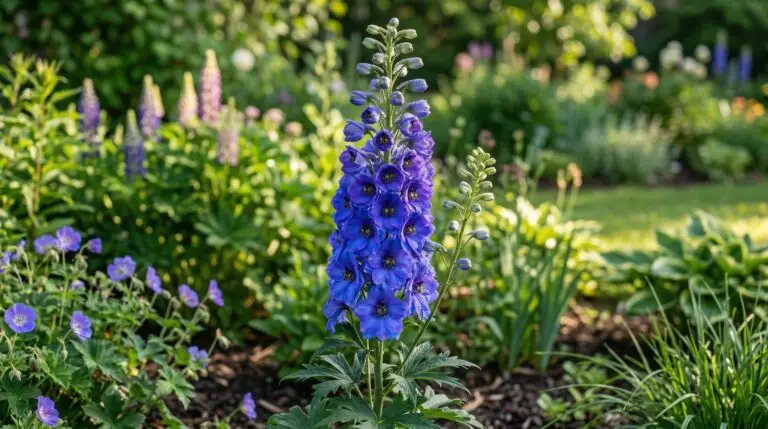
Delphiniums as show-stopping cut flowers for dramatic tall arrangements
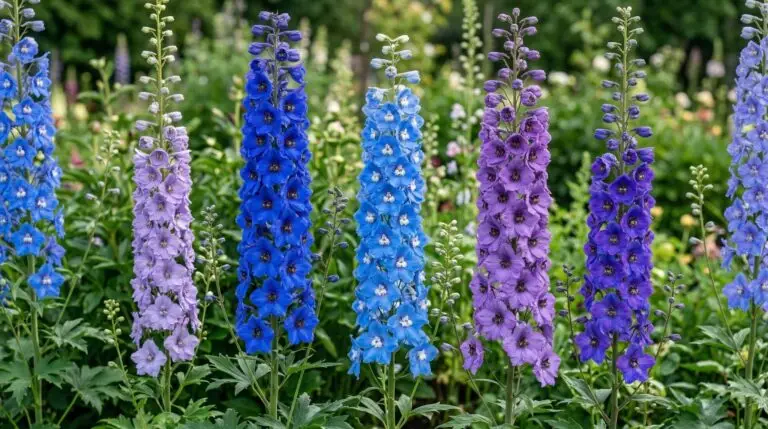
Best delphinium varieties from towering Pacific Giants to compact Magic Fountains
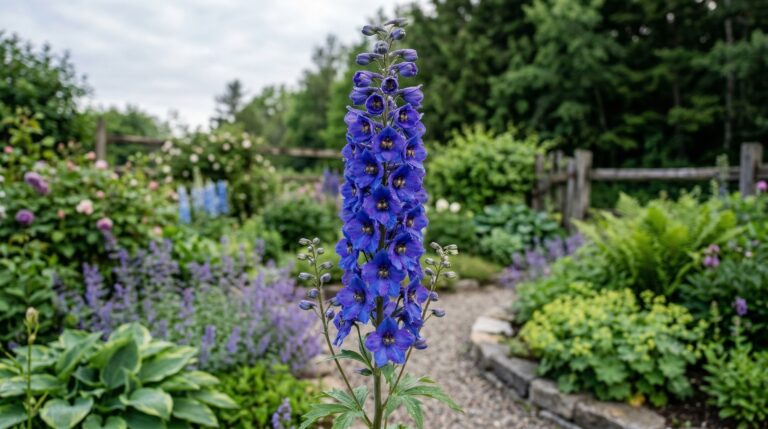
How to grow tall delphinium spires that tower above the garden like living architecture
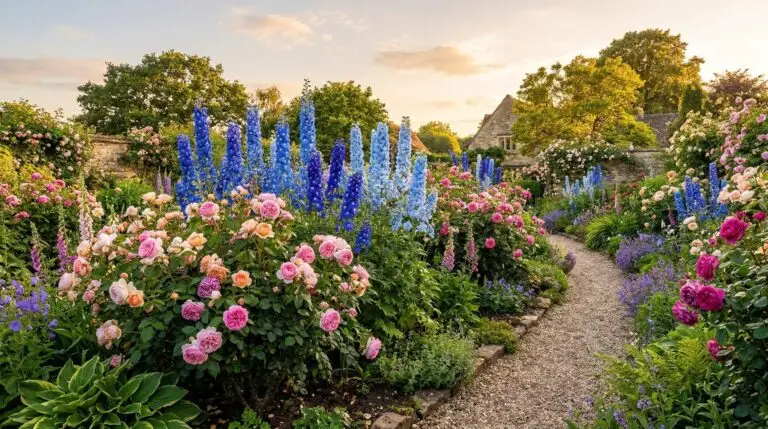
Delphinium companion plants: what to grow, what to avoid

Staking delphiniums properly so tall flower spikes survive wind and rain storms

How to get delphiniums to rebloom by cutting back spent flower spikes
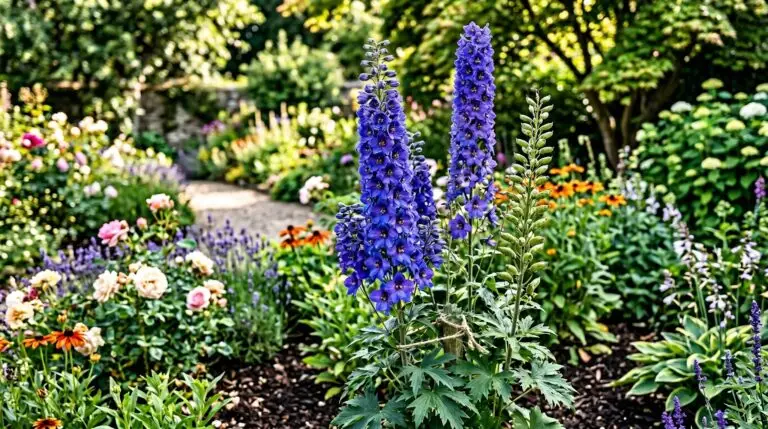
Why delphiniums are short-lived perennials and how to keep them coming back
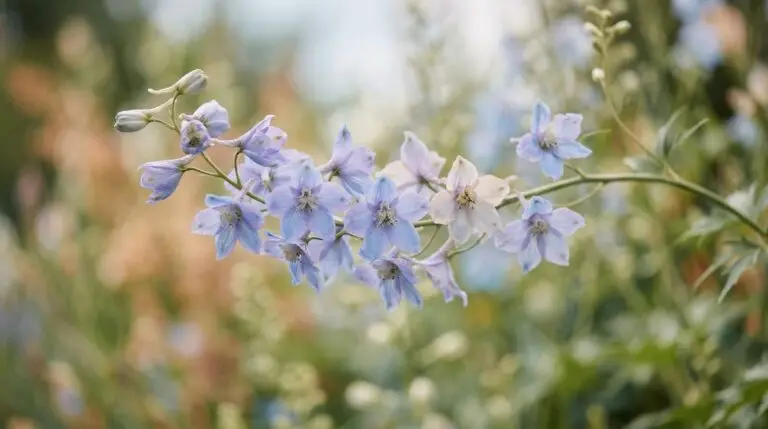
Delphinium flower meaning and the symbolism of true blue in the garden