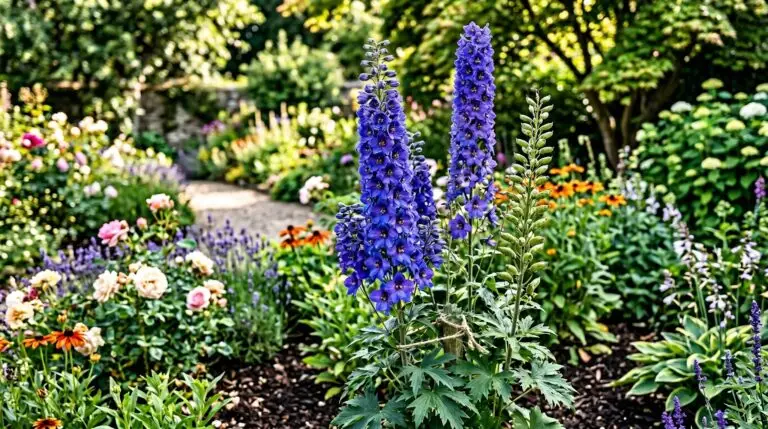
Growing Delphinium elatum gives a garden a towering vertical presence that few other plants can match. When those massive spires of blue, purple, or white finally open in early summer, the display is incredibly rewarding. As those initial flowers begin to fade, you might assume the show is over for the year and leave the stalks standing. Leaving the spent stalks in place tells the plant to shift its energy into producing seeds rather than growing new foliage or flowers. If you intervene at the right moment, you can trick the plant into producing a delphinium second bloom later in the season. Getting a second flush of flowers requires a specific sequence of cutting back and feeding to replenish the massive amount of energy the plant just spent. Understanding how the plant responds to pruning will help you time your actions perfectly for a late summer or early fall return.
Before you grab your tools, you need to observe the plant closely to understand its growth cycle. A delphinium puts an enormous amount of resources into that first towering spike, drawing heavily on its root system and the surrounding soil nutrients. If you cut the plant back too early, you deprive it of the foliage it needs to photosynthesize and rebuild its root reserves. If you wait too long, the plant commits to seed production and will stubbornly refuse to send up new flower stalks. The goal is to strike a balance where you remove the fading flowers but leave enough green material to sustain the plant while it regroups. You will need a sharp, clean pair of bypass pruners and a bucket to carry away the substantial amount of plant material you are about to remove. Disinfecting your pruners with rubbing alcohol before you start is a good habit, as delphiniums can be susceptible to bacterial and fungal issues that spread easily through dirty tools.
Contents 3 sections
Timing the first cut for maximum energy return
Knowing exactly when to begin cutting back delphiniums depends entirely on the progression of the flowers on the main spike. Delphinium blooms open from the bottom of the stalk upward over a period of several weeks. By the time the topmost buds finally open, the flowers at the base of the spire have usually dropped their petals and started forming swollen, green seed pods. You should initiate the pruning process when about two thirds of the flowers on the spike have faded and dropped. Waiting for the very last flower at the tip to finish means the bottom pods have already consumed too much of the plant’s energy. When you see that two thirds threshold reached, take your pruners and cut the main flower stalk off just below the lowest flower, leaving the rest of the leafy stem intact. This initial high cut stops seed production immediately while preserving the maximum amount of foliage to help the plant gather sunlight.
Leaving that leafy stem standing might look a bit awkward in the garden bed, but it is a necessary step in the process. The plant needs those remaining leaves to photosynthesize and send energy back down to the crown, which sits just at the soil surface. Over the next week or two, you will notice the hollow stem you left behind beginning to yellow and die back. At this point you might notice the remaining leaves looking ragged or developing powdery mildew, which is completely normal as the old foliage shuts down. While you are observing this dieback, look closely at the base of the plant near the soil line. You will eventually see small, fresh green shoots beginning to emerge from the crown. These new basal shoots are the beginning of your delphinium rebloom, and their appearance is your signal to make the second, lower cut.
Making the proper cut and feeding the plant
Once those new basal shoots are about two or three inches tall, you can safely remove the old, yellowing stem. Take your pruners and cut the original stem down to about two inches above the soil line. You want to cut close to the ground, but you must be extremely careful not to nick or damage the tender new shoots emerging around the base. The old stem is hollow, which means water can collect inside it and cause the crown to rot if you cut it completely flush with the soil. Leaving a short two-inch stub creates a natural cap that eventually dries out and seals off the crown from excess moisture. Clear away all the old leaves and stem debris from around the base to prevent fungal spores from splashing onto the fresh new growth during rainstorms. Keeping the area around the crown clean gives the new shoots the best possible environment to develop rapidly.
Cutting the plant back so drastically removes a major source of energy, so you must replace those nutrients immediately to support the second flush. As soon as you make that final low cut, apply a balanced, water-soluble fertilizer or a rich layer of compost around the base of the plant. Delphiniums are heavy feeders by nature, and asking them to produce a second round of massive flower spikes requires rich, fertile soil. Work a handful of granular organic fertilizer gently into the top inch of soil, being careful not to disturb the shallow roots. Water the fertilizer in deeply to make sure the nutrients travel down to the root zone where the plant can access them right away. If the weather has turned hot and dry, you will need to provide consistent moisture over the coming weeks to keep the new shoots growing vigorously. A plant that is stressed by drought at this stage will simply abort the new shoots and go dormant until the following spring.
Managing the new growth and anticipating the second flush
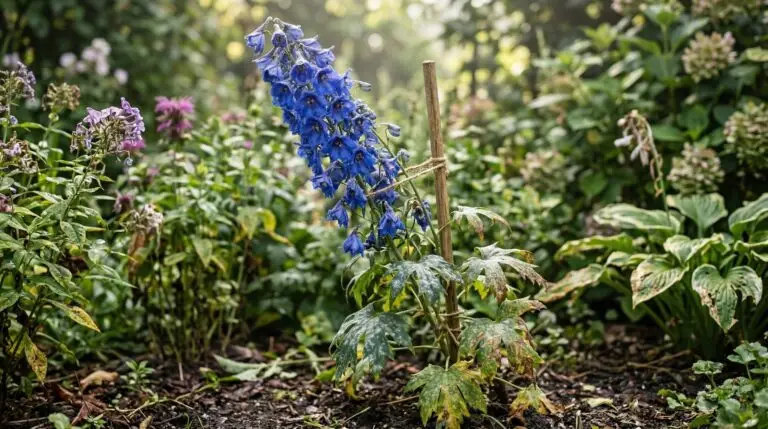
As the new shoots grow taller, you will need to provide support just as you did for the spring growth. Even though the second flush of flowers will be smaller, the stems can still snap easily in heavy wind or rain. Insert stakes or grow-through supports early in the process so the stems can grow up through them naturally. You might be tempted to let every new shoot develop, but thinning them out will result in better quality flowers. Select the three or four strongest stems to keep, and pinch off any weaker or spindly shoots at the base. Redirecting the plant’s resources into fewer stems guarantees thicker stalks and larger flower clusters. Similar pruning and thinning techniques work well for other perennials too, and you can apply this same logic when managing catmint to keep its shape tidy after its first wave of color.
Setting realistic expectations for your late season flowers will help you appreciate the results of your hard work. The fall bloom quality will differ from what you saw in early summer, primarily because the days are getting shorter and the plant has less overall energy. You should expect the second flower spikes to be shorter and perhaps less densely packed with blooms than the towering spring spires. The individual flowers themselves may be slightly smaller, but the color is often deeper and more intense due to the cooler late summer nights. These late blooms are highly useful in the garden, providing vertical interest and rich color at a time when many other plants are winding down. They also offer an essential late-season nectar source for hummingbirds and bees preparing for colder weather. Pairing these late bloomers with sturdy, late-season companions like coneflower creates a rich, textured garden bed that bridges the gap between summer and fall.
Watching those secondary spikes develop and finally open in the late summer or early fall is a distinct gardening pleasure. When the weather cools and the days shorten, your delphiniums will stand tall again, offering a welcome echo of their earlier glory. The entire process of monitoring the flowers, making the two-stage cuts, and feeding the crown teaches you how to read the plant’s natural rhythms. You will learn to recognize the exact moment when the old growth has finished its job and the new shoots are ready to take over. By providing the right nutrients and water at the exact transition period, you actively partner with the plant to extend its season. You will end the gardening year knowing you maximized the potential of one of the most demanding but striking plants in your garden.
More About Delphinium elatum
When to plant larkspur seeds in fall
Delphiniums as show-stopping cut flowers for dramatic tall arrangements
Best delphinium varieties from towering Pacific Giants to compact Magic Fountains
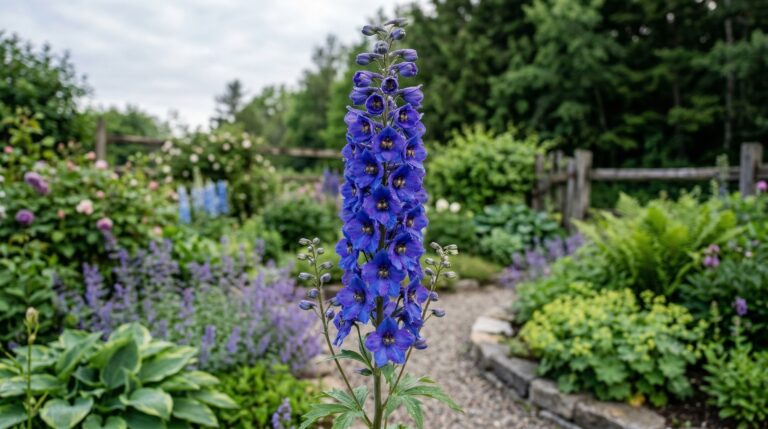
How to grow tall delphinium spires that tower above the garden like living architecture
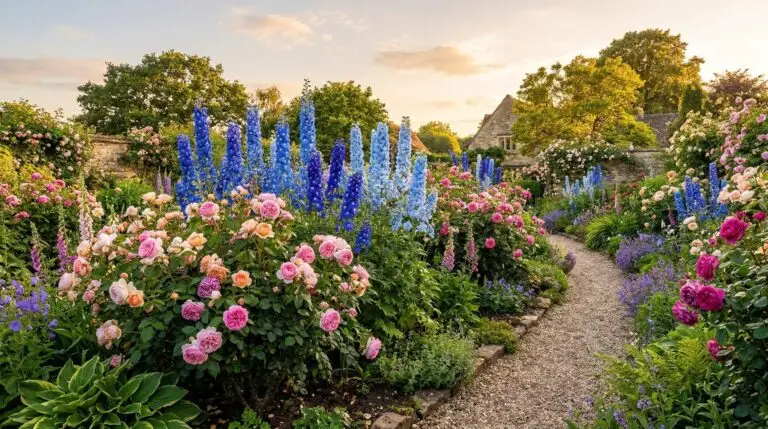
Delphinium companion plants: what to grow, what to avoid
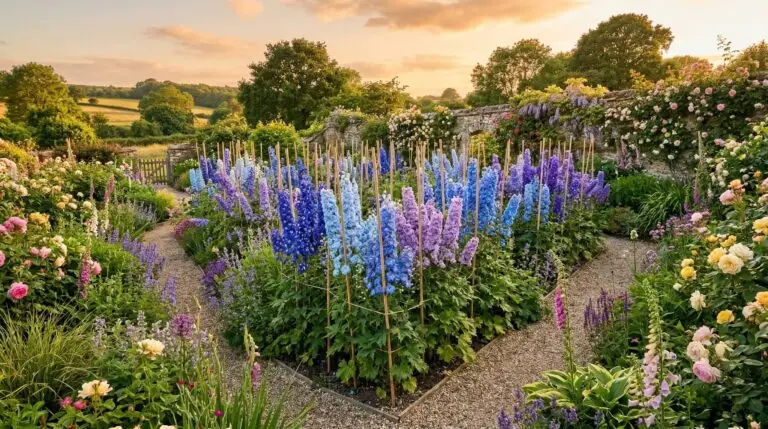
Staking delphiniums properly so tall flower spikes survive wind and rain storms
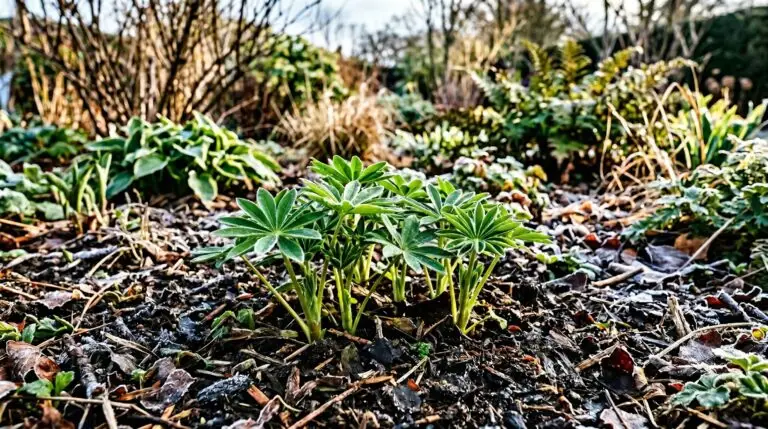
Growing delphiniums from seed and the patience required for first-year blooms
Why delphiniums are short-lived perennials and how to keep them coming back
Delphinium flower meaning and the symbolism of true blue in the garden
Delphiniums in hot climates and alternatives for gardeners south of zone 7
Enjoying our flower guides? Add YourFlowersGuide as a preferred source on Google. It helps more readers find us.
Add to Preferred Sources