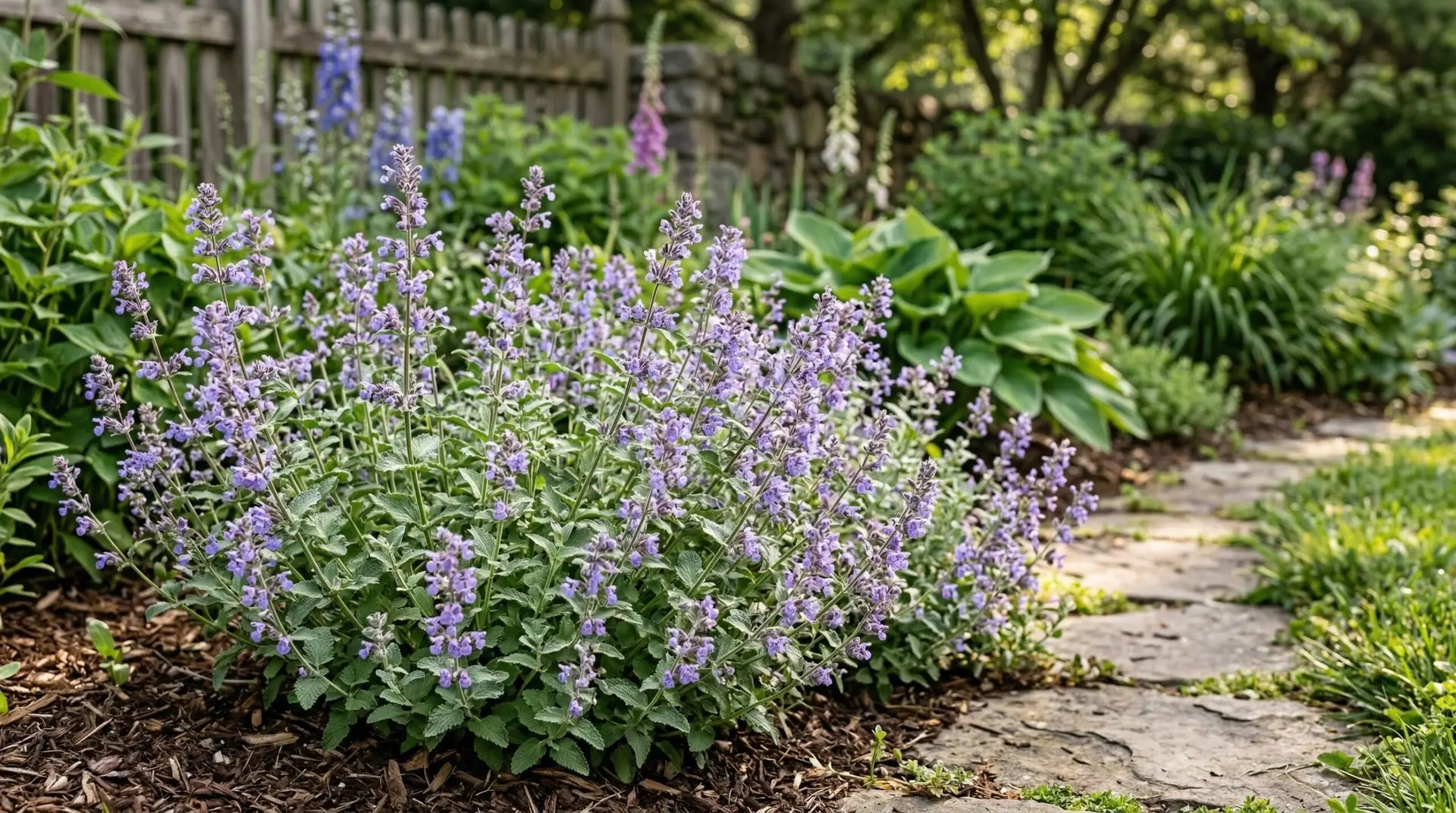
Over my years managing perennial borders in botanical gardens, I have watched countless plants fail under the combined pressures of browsing animals and erratic rainfall. Catmint, known botanically as Nepeta, consistently survives these exact conditions with minimal intervention. This plant belongs to the Lamiaceae family, sharing the square stems and aromatic foliage characteristic of its relatives. It thrives in full sun and persists on neglect, making it a highly reliable low maintenance perennial for challenging sites. Gardeners often seek a plant that offers long seasonal interest without requiring constant irrigation or chemical deterrents. Catmint answers this need directly by producing successive waves of blue or purple flowers while remaining virtually untouched by local wildlife.
Understanding the anatomy of deer resistance
The mechanism that makes catmint deer resistant relies entirely on its chemical composition. The foliage contains nepetalactone, a volatile iridoid compound that gives the plant its distinct, pungent aroma. When a deer or rabbit brushes against the plant or attempts to take a bite, the ruptured plant cells release these essential oils immediately. Mammalian herbivores rely heavily on their sense of smell to determine if a plant is safe or palatable to consume. The strong scent of Nepeta overwhelms their olfactory receptors, causing them to abandon the plant in favor of milder forage. This chemical defense system remains active throughout the entire growing season, from the first emergence of spring foliage to the first hard frost.
You should understand that no plant is entirely immune to deer if the local population faces severe winter starvation. However, under normal foraging conditions, catmint ranks among the least likely perennials to suffer browsing damage. The leaves also possess a finely pubescent, or hairy, texture that deer find physically disagreeable in their mouths. This combination of strong scent and rough texture is a proven survival strategy in the plant kingdom. I often plant it along the outer edges of garden beds to create a strong olfactory barrier that protects more vulnerable plants behind it. You will find a similar defensive strategy in lavender, which makes the two plants highly compatible in a defensive planting scheme.
Establishing a drought tolerant root system
A common misunderstanding about drought tolerant catmint is the assumption that it requires no water immediately after planting. Like all perennials, Nepeta must develop a deep, extensive root system during its first growing season to survive future dry spells. You need to provide consistent, deep watering for the first few months, allowing the top two inches of soil to dry out completely between applications. Once the plant anchors itself, its water requirements drop significantly, allowing it to rely almost entirely on natural rainfall. The plant performs best in soils with a pH ranging from 6.0 to 7.0, though it tolerates slightly alkaline conditions quite well. Perfect drainage is non-negotiable, as heavy clay soils that hold winter moisture will cause the crown to rot before spring.
Soil fertility dramatically impacts the structural integrity of this plant. If you plant catmint in rich, heavily amended loam or apply synthetic fertilizers, the stems will grow rapidly and become structurally weak. This overly lush growth invariably leads to a decumbent habit, where the center of the plant splits open and the stems flop flat against the ground. The plant actually requires lean, unamended soil to maintain a dense, upright mound of foliage. In botanical garden settings, we often pair it with Russian sage because both plants demand these exact same lean, dry conditions to maintain their structural discipline. Keeping the soil relatively poor ensures the plant directs its energy into root development and flower production rather than excessive vegetative growth.
Cultivar selection and growth habits
Selecting the right cultivar often dictates the success of a low maintenance perennial border. The most common variety in the trade is Nepeta x faassenii ‘Walker’s Low’, a sterile hybrid that causes frequent confusion due to its name. The moniker refers to a specific garden in Ireland, not the physical height of the plant, which often reaches three feet tall and wide. Because this hybrid is sterile, it does not waste energy producing viable seed, resulting in a much longer blooming period than species types. Newer cultivars like ‘Cat’s Pajamas’ or ‘Kitten Around’ offer genuinely compact habits, staying under eighteen inches tall for smaller residential spaces. You must match the mature dimensions of the specific cultivar to your site, as these plants resent division and perform best when left undisturbed for several years.
Even the best cultivars require specific mechanical intervention to maintain their appearance through late summer. Sometime in mid-July, the initial massive flush of flowers will begin to fade and turn brown. At this stage, the plant often looks exhausted and the stems may begin to splay outward from the center crown. You must perform a hard shear, cutting the entire plant back by one-half to two-thirds of its total volume. This aggressive pruning removes the spent flower spikes and stimulates dormant buds located lower on the stems. Within two to three weeks, the plant will push a fresh mound of gray-green foliage followed by a second wave of flowers that lasts until autumn.
Integration into dry garden designs
The architectural volume of catmint makes it an essential anchor for xeriscape beds and dry borders. Its mounding habit softens hardscape elements like stone walls, gravel paths, and brick pathways where reflected heat might stress more delicate perennials. The continuous succession of tubular flowers draws a steady population of bumblebees, honeybees, and solitary wasps, making it highly valuable for ecological support. I frequently combine it with yarrow to create a highly resilient, low-water matrix that suppresses weeds through dense shading of the soil surface. The cool blue and violet tones of the Nepeta flowers provide a necessary visual contrast to the warm yellows and reds typically found in drought-tolerant companion plants. This creates a functional, ecologically active planting bed that requires virtually no supplemental irrigation.
As you plan your garden beds for the upcoming season, evaluate your site carefully before installing catmint. Choose a location that receives a minimum of six hours of direct sunlight daily, as shade will induce weak, leggy growth. Space the plants according to their mature width, resisting the urge to pack them tightly for immediate impact, as they need good air circulation to prevent foliar diseases. Dig a hole just wide enough to accommodate the root ball and backfill with native soil without adding compost or peat moss. Water the new installation deeply to settle the soil around the roots, then step back and let the plant establish its own resilience. By honoring its preference for lean soil and dry feet, you will secure a robust perennial that anchors your garden for years.
More About Catmint
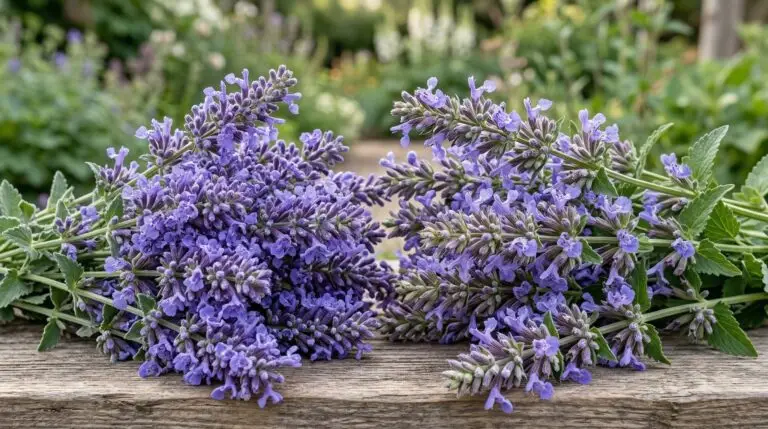
Catmint versus lavender and which fragrant purple perennial works better in your garden

Designing a low-water perennial border with catmint as the anchor plant

How to shear back catmint for a second flush of blooms and a tidy appearance
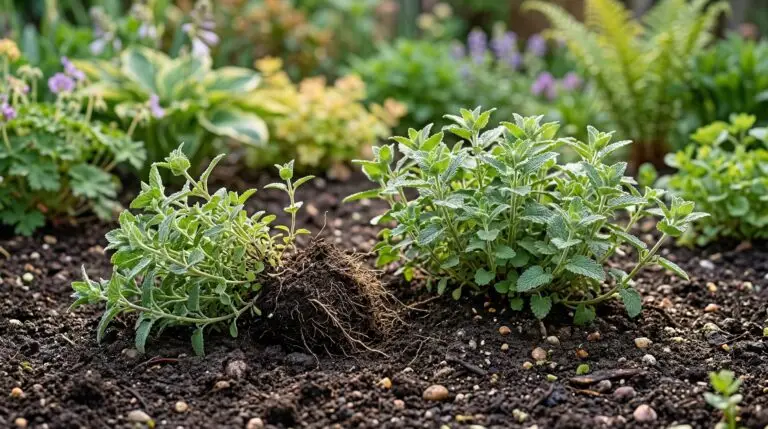
How to propagate catmint from stem cuttings and division in spring

How to use catmint as a flowering ground cover that chokes out weeds
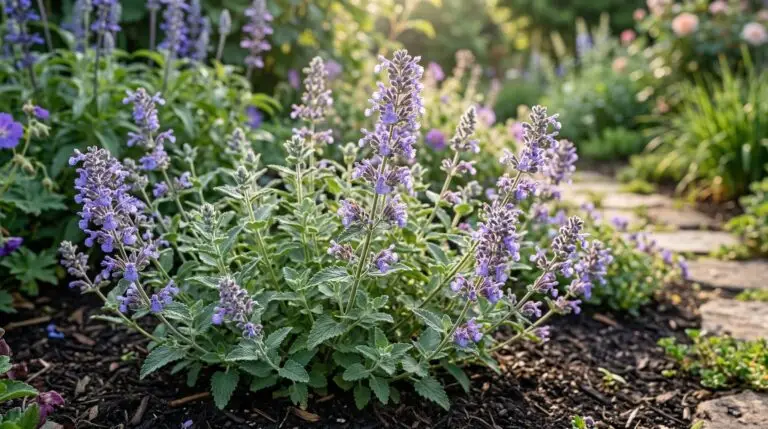
Catmint versus catnip and why they are different plants with different garden uses
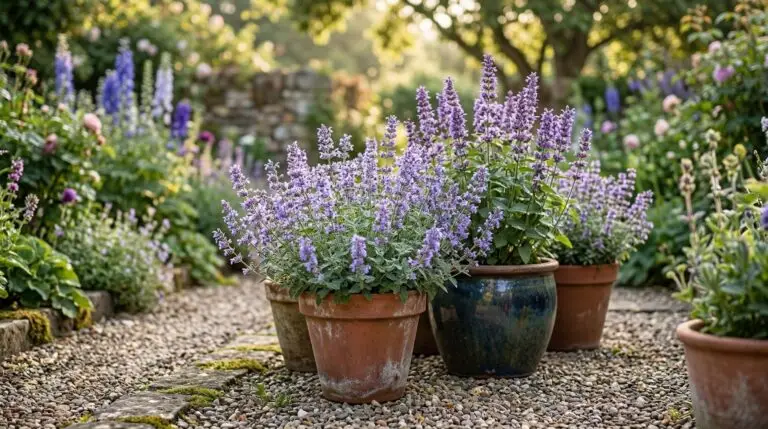
Growing catmint in containers for a fragrant pollinator-friendly balcony
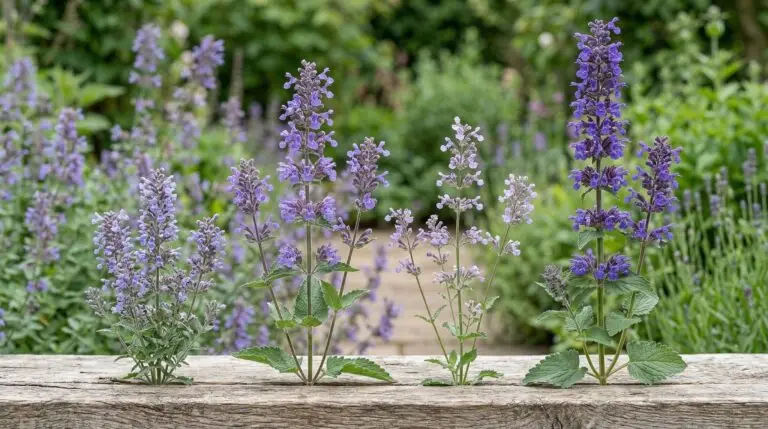
Best catmint varieties from compact Walker’s Low to towering Six Hills Giant