Every time someone brings home a bird of paradise, they expect those massive, paddle-shaped leaves to stay perfectly smooth and intact forever. Then the first big leaf splits right down the middle, or the edges start curling inward like a dry taco shell, and panic sets in. People immediately assume they are killing their expensive tropical plant and start throwing water or fertilizer at it in a desperate attempt to fix the flaws. The truth is that bird of paradise leaves splitting and curling are incredibly common reactions that usually stem from a misunderstanding of how this plant behaves in its natural environment. Before you make any drastic changes to your care routine, you need to look closely at the foliage to figure out exactly what the plant is trying to tell you. Some imperfections are entirely normal, while others are clear warning signs that your watering habits or indoor environment need an immediate adjustment.
Understanding natural leaf splits versus problem tearing
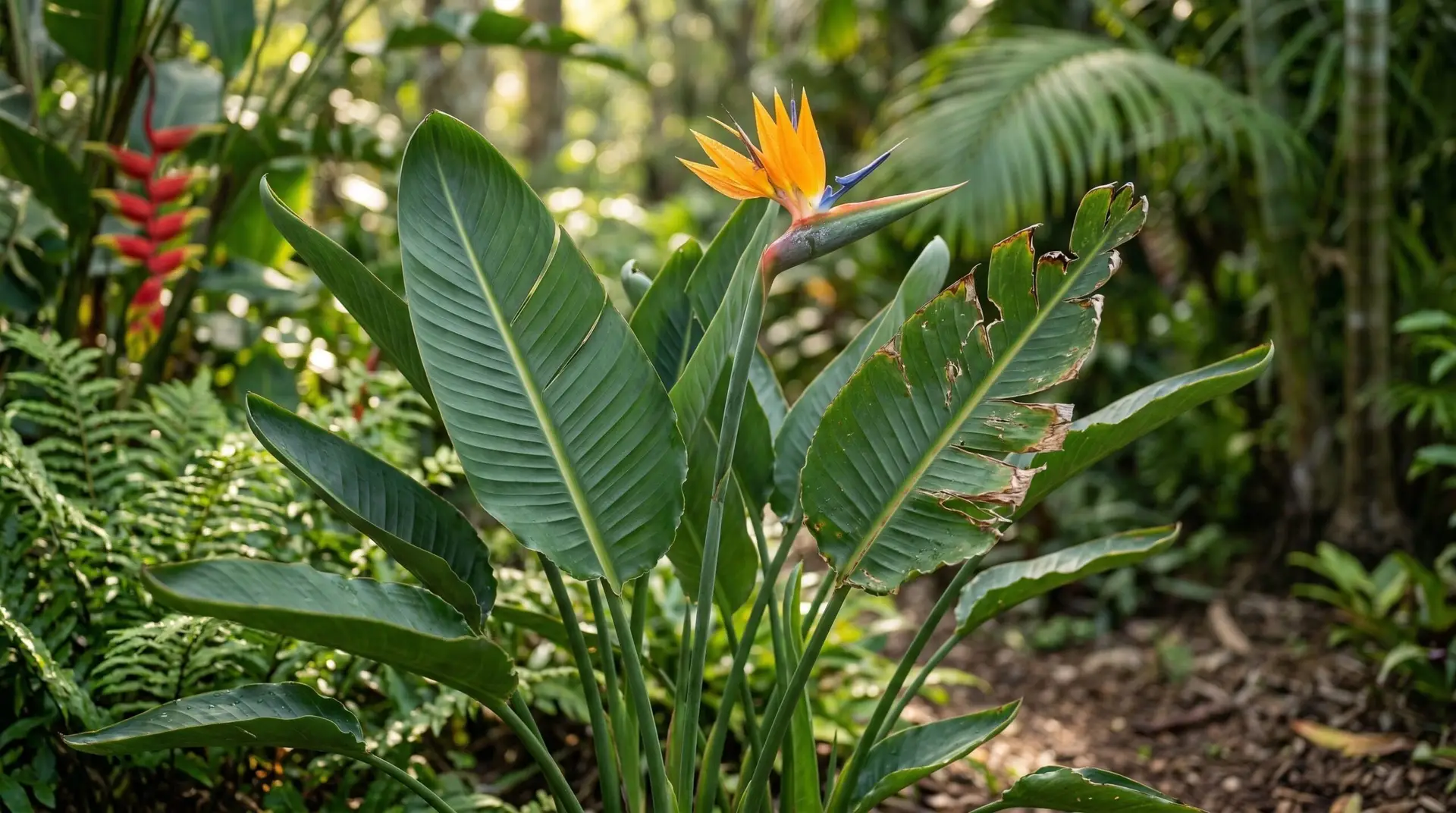
When you see clean splits running from the outer edge of the leaf inward toward the center rib, you are looking at a natural evolutionary feature rather than a sign of poor health. In their native coastal habitats, these large leaves catch a lot of wind, and the splitting prevents the entire stem from snapping in half during a storm. You will see this exact same wind-resistant adaptation if you ever grow a banana plant outdoors in a breezy spot. Indoor plants will still develop these splits naturally as the leaves age, mature, and brush against passing people or pets. You only need to worry when the splits look ragged, have wide brown margins, or happen before a new leaf has even fully unrolled from its stem. Those symptoms point to a lack of humidity or physical trauma during the delicate unrolling phase rather than natural maturation. To prevent premature tearing on new growth, you can gently increase the moisture in the air around the plant while a new leaf is emerging, but you must accept that older leaves will eventually split no matter what you do.
Why your bird of paradise leaves are curling inward
Leaf curling is an entirely different issue from splitting and almost always indicates that your plant is experiencing environmental stress. When a bird of paradise leaf curls inward along the edges, it is actively trying to reduce its surface area to prevent moisture loss through transpiration. This defensive reaction usually means the plant is simply too dry, either because the soil is completely parched or the air in your home is stripping moisture away faster than the roots can absorb it. Tropical indoor plants like the anthurium might respond to dry air with crispy brown tips, but the thick foliage of a strelitzia reacts by rolling up tight. The fix requires you to check the soil moisture deeply rather than just feeling the top inch of dirt. If the soil is bone dry halfway down the pot, you need to take the plant to a sink or shower and soak it thoroughly until water runs freely out of the drainage holes. Giving a large plant frequent, shallow sips of water is a common mistake that leaves the deep root system completely dehydrated and causes chronic leaf curling.
Diagnosing root bound issues and watering problems
Sometimes you might feel confident that your watering schedule is adequate, yet the strelitzia curling leaves persist and start to look dull or slightly yellow. When this happens, it usually means the plant has become severely root bound and physically cannot hold onto the water you provide. Bird of paradise plants grow massive, thick, tuberous roots that can quickly fill a container, pushing the actual potting soil out of the way or compacting it into a hard brick. If there is more root mass than soil in the pot, the water will just run straight down the sides of the container and out the bottom without ever soaking in. You can check for this by pulling the plant out of its nursery pot to inspect the root ball, which might require a bit of wrestling if the roots are wedged in tight. While these plants do prefer to be slightly snug in their pots to produce blooms, they still need enough soil to retain moisture between waterings. Upgrading to a container that is two inches wider and filling the gaps with fresh potting mix will often cure the curling problem within a few weeks.
Identifying and treating common pest damage
If you have ruled out watering issues and root congestion, you need to inspect those curled leaves very closely for tiny pests hiding in the crevices. Thrips and spider mites love to attack bird of paradise plants, and their feeding habits drain the cellular fluids from the foliage, causing the leaves to warp, curl, and eventually turn a mottled yellow. You might notice a fine webbing near where the leaf meets the stem, or you might see tiny black specks of debris scattered across the underside of the curled leaves. Treating these pests requires patience and persistence because they reproduce quickly and hide deep inside the tightly rolled new growth where sprays have a hard time reaching. You should start by taking the plant outside or to the shower and hosing down the foliage to physically dislodge as many bugs as possible. After the plant dries, wiping down every single leaf with a damp cloth and applying a thorough coating of insecticidal soap will help break the pest life cycle. You will need to repeat this cleaning process every week for at least a month, as a single treatment is rarely enough to eliminate a heavy infestation.
Preventing these frustrating bird of paradise leaf problems comes down to providing consistent moisture, bright light, and occasional inspections before a minor issue turns into a major decline. You should get into the habit of wiping the large leaves down with a damp cloth every few weeks to remove household dust, which keeps the plant photosynthesizing efficiently and helps you spot pests early. Keep the plant away from direct blasts of air conditioning or heating vents, as those drafts will instantly cause the foliage to curl and dry out. If you are struggling to keep the humidity up during the dry winter months, running a humidifier in the same room is far more effective than trying to mist the leaves with a spray bottle. The single most useful piece of advice for growing a bird of paradise is to ignore the flaws on the old foliage and focus entirely on the condition of the newest leaf. If the newest leaf emerges strong, opens fully, and stands tall, your care routine is working properly regardless of how split or battered the bottom leaves might look.
More About Bird of Paradise
Giant white bird of paradise versus orange bird of paradise and which to choose
How to divide bird of paradise to share with friends or fill your garden
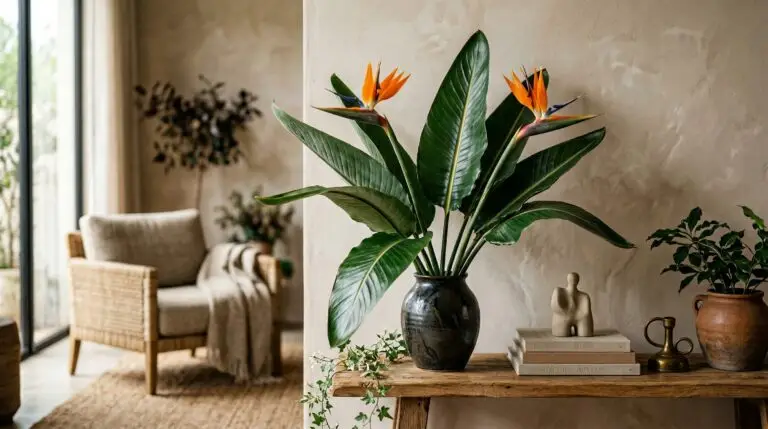
Bird of paradise in modern interior design as a living sculptural statement
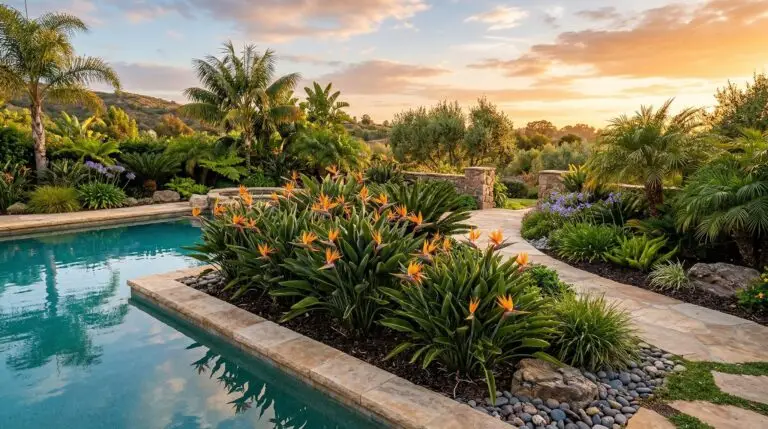
Bird of paradise in tropical landscape design for a resort-style backyard
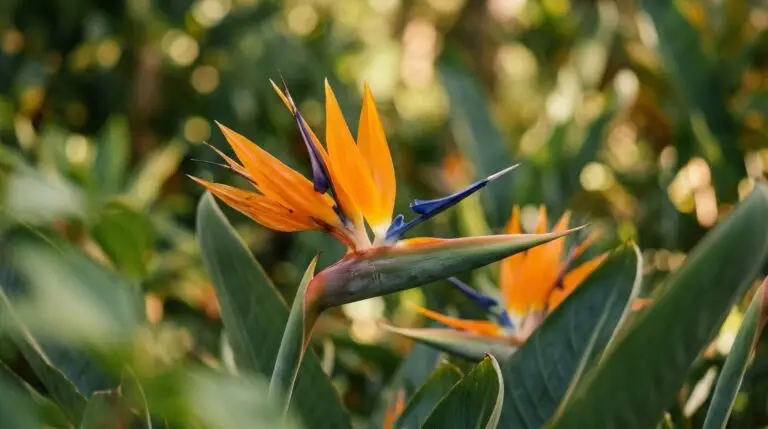
Bird of paradise flower meaning and its connection to freedom and paradise
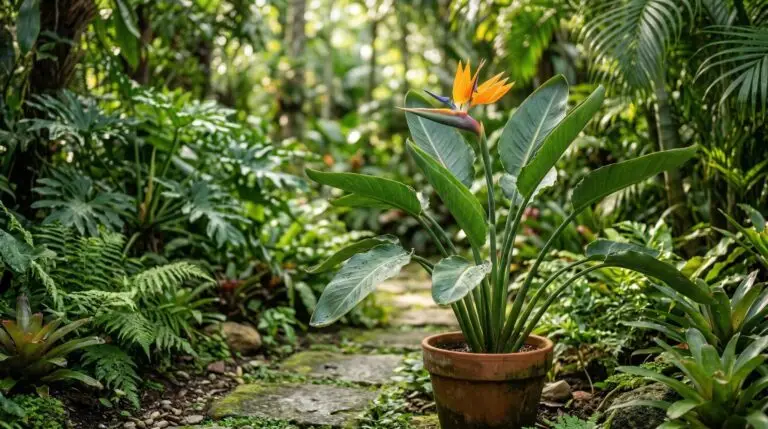
How to grow bird of paradise indoors and get it to bloom in your living room