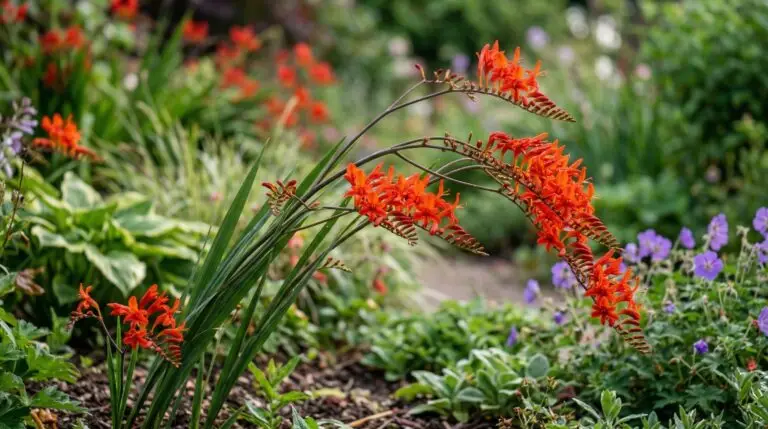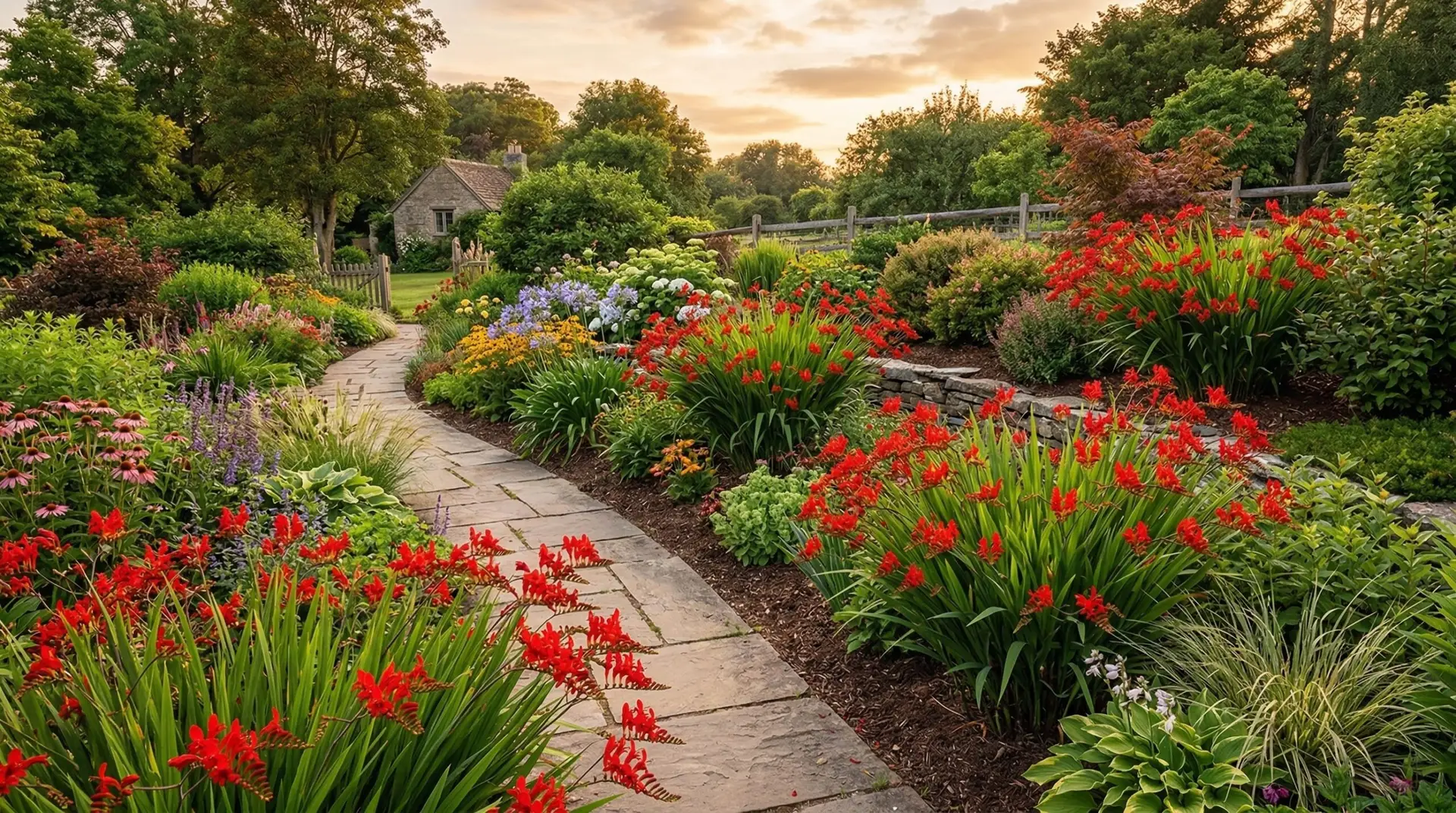
Growing conditions vary enormously across the continent, meaning that a plant thriving effortlessly in one region requires careful management just a few states away. Understanding your local context is the absolute foundation of success with crocosmia, a South African native that has adapted surprisingly well to North American gardens. A gardener in the rainy Pacific Northwest faces completely different challenges with these corms than someone gardening in the dry, freezing Upper Midwest. In coastal areas with mild winters and high humidity, crocosmia spreads aggressively and requires frequent division to keep the dense clumps from choking themselves out. Move into the continental climate of Zone 5 or below, and the conversation shifts entirely from controlling the plant’s spread to keeping the underground structures alive through deep freezes. Successful crocosmia winter care depends on knowing your precise USDA hardiness zone, your winter moisture levels, and the specific cultivar you are growing.
Understanding cold hardiness across specific regions
The baseline crocosmia cold hardiness varies significantly depending on the specific variety you choose to plant and the regional weather patterns you experience. The famous cultivar ‘Lucifer’ demonstrates superior cold tolerance compared to softer yellow and orange varieties like ‘George Davison’ or ‘Emily McKenzie’. In Zone 6, ‘Lucifer’ usually survives the winter without any intervention, provided the soil drains well and heavy winter rains do not rot the dormant corms. Other varieties often perish in Zone 6 unless they receive thick protective layers or benefit from a highly sheltered microclimate near a heated building. Gardeners in Zone 5 face a true borderline situation where ‘Lucifer’ might survive a mild winter protected by consistent snow cover but succumb quickly to a prolonged polar vortex on bare ground. In Zone 4 and colder, the frost line penetrates deep into the earth, freezing the soil solid to a depth that destroys the cellular structure of all crocosmia corms regardless of the cultivar. Understanding these precise hardiness thresholds helps you decide whether to leave your plants in the soil or bring them indoors before the first hard freeze hits your region.
Overwintering crocosmia in the ground with heavy mulch
For gardeners operating in Zone 5 or dealing with tender varieties in Zone 6, overwintering crocosmia in the ground requires active intervention through heavy mulching. The primary goal is to insulate the soil and prevent the destructive freeze-thaw cycles that heave corms to the surface where they are exposed to lethal air temperatures. Wait until a hard frost completely kills the foliage, cut the leaves back to a few inches above the soil, and apply a thick layer of shredded leaves, straw, or evergreen boughs. You need at least six to eight inches of loose organic material to provide adequate insulation against prolonged cold snaps in these transitional zones. Microclimates play a massive role in this strategy, as corms planted against a south-facing brick wall or foundation receive radiant heat that effectively raises their growing zone by a full number. Winter wetness is just as dangerous as winter cold, so planting in raised beds or amending heavy clay soils with coarse sand improves the drainage necessary for survival. Just as you might push the limits with a gladiolus in a sheltered garden room, you can coax crocosmia through a harsh winter if you control both the soil temperature and the surrounding moisture.
Lifting and storing corms in severe winter climates
Gardeners in Zone 4, Zone 3, and the deep continental interior must accept that leaving crocosmia in the ground means certain death for the plants. In these severe winter climates, lifting and storing corms is the only reliable method for preserving your investment for the following growing season. The process begins a few days after the first frost blackens the foliage, signaling that the plant has entered dormancy and pulled its energy back into the underground structures. Carefully dig around the perimeter of the clump with a garden fork, lifting the entire mass of corms and soil out of the ground without piercing the fleshy centers. Gently brush away the loose dirt, but leave the papery outer tunics completely intact as they provide natural protection against desiccation during the long winter months indoors. The storage requirements closely mirror those used for a dahlia, requiring a cool, dark, and slightly humid environment to prevent the corms from shriveling into hard, lifeless husks. Pack the cured corms in dry peat moss, wood shavings, or vermiculite, and store them in an unheated basement or root cellar where temperatures remain consistently between 35 and 50 degrees Fahrenheit, checking them periodically to remove any rotting corms.
Spring planting and adapting to local soil conditions
When spring arrives and the danger of frost finally passes, the stored corms are ready to return to the garden, but regional soil conditions dictate exactly how and when you plant. In the humid Southeast, soils often lean acidic and hold excessive moisture, requiring gardeners to plant the corms slightly shallower to prevent rot during heavy spring rainstorms. In alkaline soils common across the arid Southwest, add sulfur to lower the pH to the slightly acidic range this plant prefers for optimal nutrient uptake and vigorous blooming. Cold-climate gardeners should wait until the soil warms to at least 50 degrees Fahrenheit, as planting dormant corms in cold, wet earth invites fungal pathogens that destroy the plant before it breaks the surface. If your region experiences short growing seasons, you can start the corms indoors in pots a month before your last frost date, similar to getting a head start on a canna lily. Pay close attention to wind exposure on the open plains, as the tall, arching flower spikes will snap in heavy gusts unless protected by a sturdy windbreak or denser companion plants. Adapting your planting depth and timing to your specific soil chemistry and regional weather patterns ensures the corms break dormancy quickly and send up strong, healthy shoots.
The secret to long-term success with any marginally hardy plant is learning to read your specific property rather than relying entirely on generic hardiness zone maps. Your garden possesses unique characteristics, from the way cold air settles at the bottom of a slope to the way winter rain pools in poorly drained beds. A zone designation tells you the average extreme minimum temperature for your region, but it tells you nothing about your local snow cover, winter rainfall patterns, or the insulating properties of your native soil. Heavy clay soils hold winter moisture that rots dormant plants, while sandy soils drain quickly but freeze much deeper during prolonged cold snaps. By observing how water moves through your property and identifying the warmest, most sheltered pockets near your home, you can stretch the boundaries of what will survive your winters. Adapting your care routine to match the reality of your local climate transforms gardening from a frustrating struggle against nature into a highly successful partnership with your specific environment.
More About Crocosmia
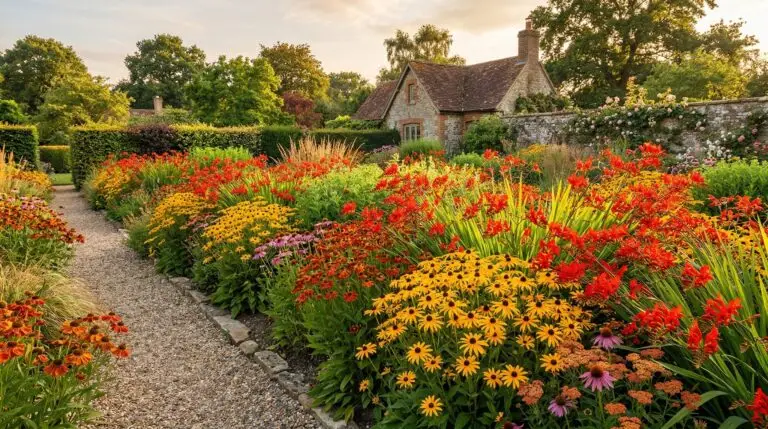
Crocosmia companion plants for a hot-colored summer border that sizzles
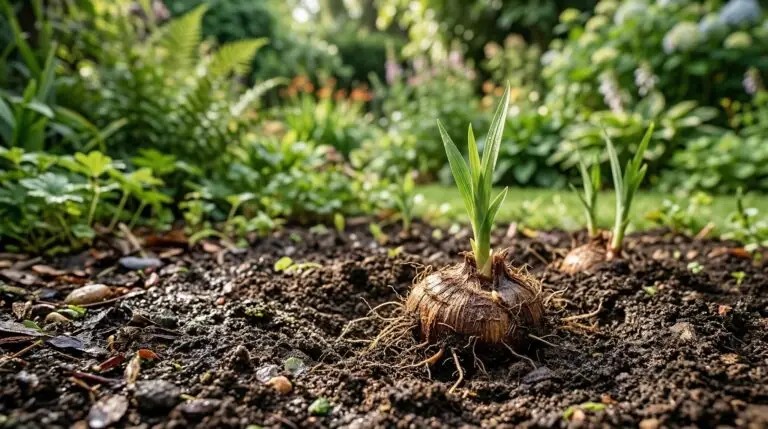
How to grow crocosmia for fiery arching sprays of color in midsummer gardens
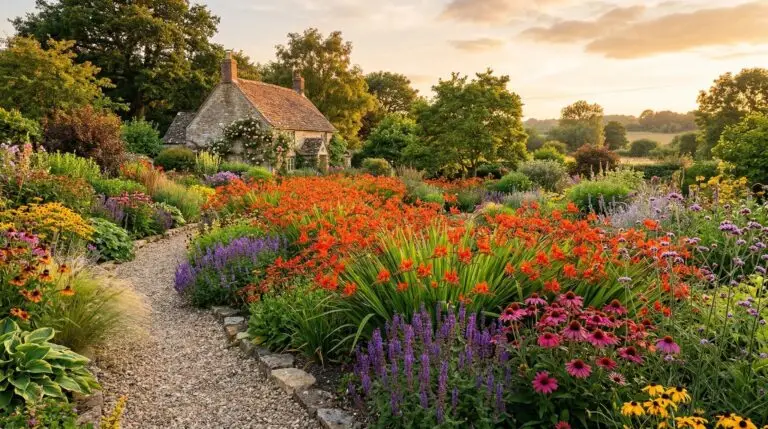
Designing a late summer garden with crocosmia that peaks when spring flowers are gone
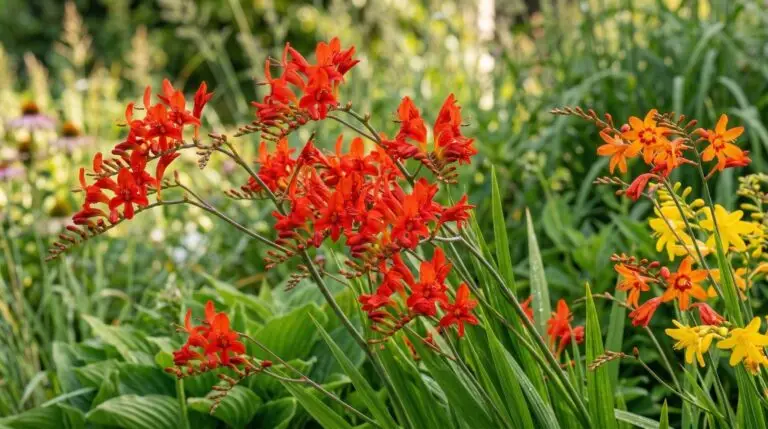
Best crocosmia varieties from fiery Lucifer to golden Emily McKenzie
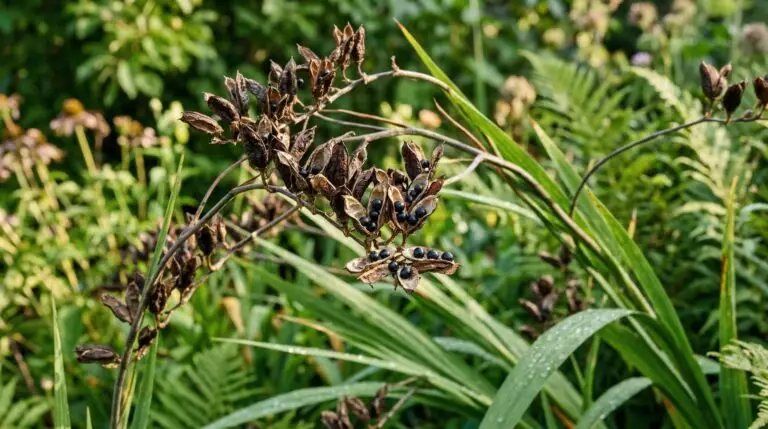
Crocosmia seed pods and how to propagate new plants from seed for unique varieties
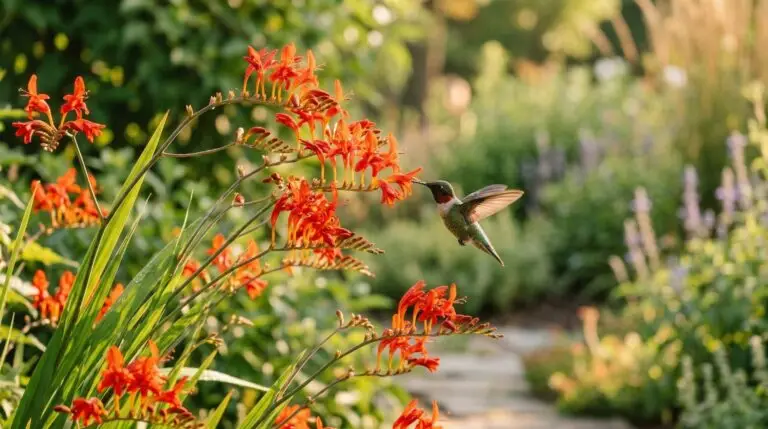
Crocosmia as a hummingbird magnet and why they prefer these tubular flowers
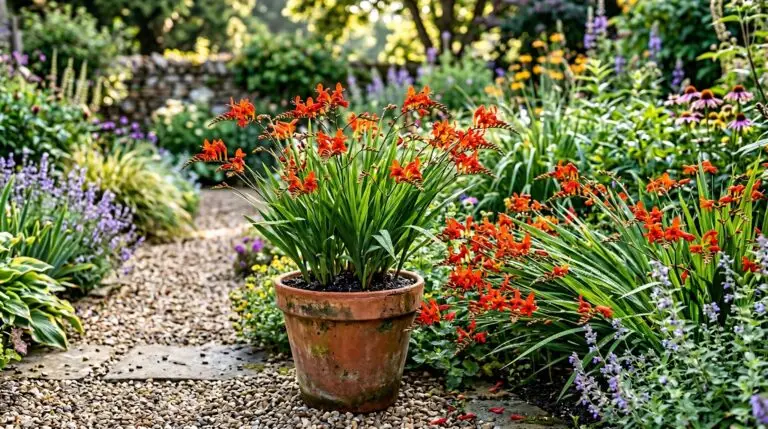
Growing crocosmia in containers for tropical-looking patio displays