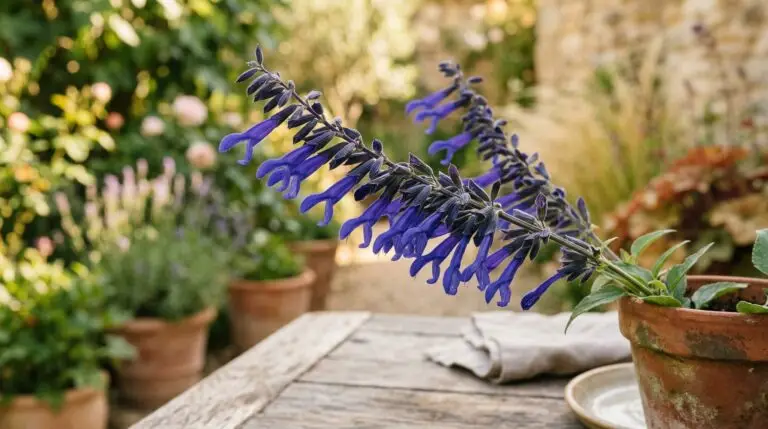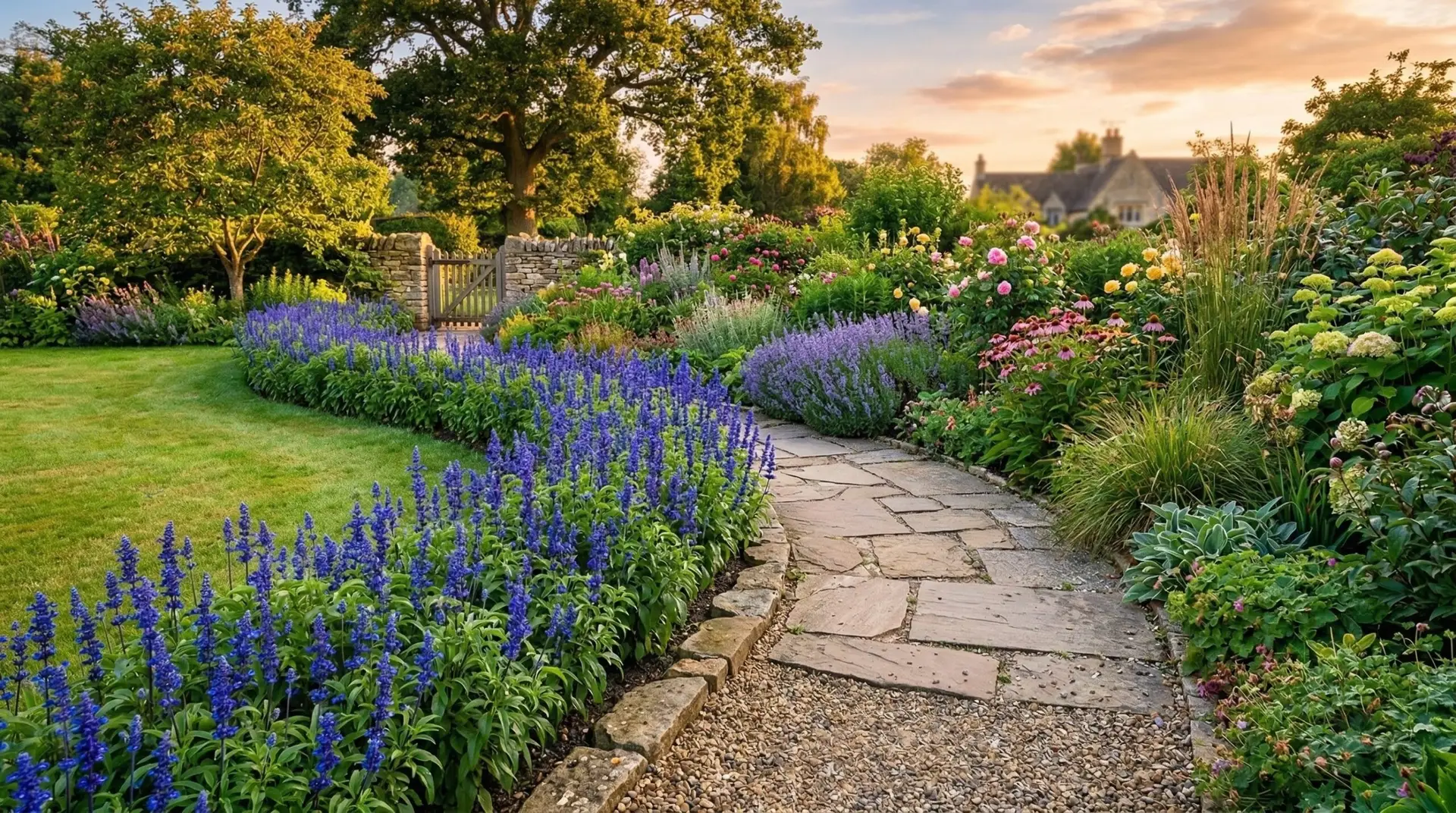
Before you purchase dozens of plants to line your walkway, you need to evaluate the physical conditions of your garden path. Blue salvia requires specific environmental factors to thrive and produce its signature fragrant foliage. Walk your path during different times of the day to track how many hours of direct sunlight the area receives. These plants need at least six hours of full sun to maintain a compact, upright habit rather than stretching toward the light and falling over your walkway. You must also check the soil drainage along the edge of your path, especially if it is paved with concrete or stone that might trap water. Salvia will rot in constantly wet soil, so areas where puddles remain after a rainstorm will require significant amendment before planting.
Once you confirm the sunlight and drainage are adequate, consider the physical space available between your path and the rest of your garden. A proper salvia edging plant needs a dedicated strip of soil about eighteen to twenty-four inches wide to accommodate mature growth without spilling too far onto the walking surface. Think about how the path is used daily and whether brushing against the plants will be a pleasant experience or a nuisance for your family. The friction of passing legs releases the herbal scent from the leaves, making it a practical choice for high-traffic areas. Compare this to planting lavender, which offers a similar sensory experience but often requires even sharper drainage and more specific pruning to prevent woody centers. Taking time to map out this spatial footprint prevents the common mistake of crowding the walkway.
Selecting varieties and calculating your plant budget
Planning a continuous border requires a realistic assessment of your plant budget and careful variety selection. Unlike a mixed border where you might buy one or two specimens, a blue flower edging project usually demands ten to thirty identical plants to create a cohesive look. Measure the total linear footage of your pathway to determine exactly how many plants you need to purchase. For a formal, tight hedge look, you will space the plants closer together, which increases your initial cost. If you prefer a looser cottage garden style, you can space them slightly further apart and let them weave naturally with other low-growing path plants like sweet alyssum. Calculating these costs early in the planning stage helps you decide whether to tackle the entire walkway at once or divide the project into phases.
The specific variety of blue salvia you select will dictate both your spacing math and the final appearance of your walkway. You must choose compact, dwarf cultivars specifically bred to stay under eighteen inches tall, rather than standard varieties that can reach three feet and flop under their own weight. Cultivars like Marcus or Blue Hill are reliable choices that maintain a tidy mound shape throughout the growing season. Read the mature width on the plant tags and divide your total linear footage by that number to get your baseline plant count. Add two or three extra plants to your shopping list to keep in reserve, as having identical replacements on hand is helpful if a few fail to establish in the first month. Sourcing this many identical plants often requires ordering from a nursery weeks in advance rather than relying on weekend garden center inventory.
Executing the planting phase for a uniform edge
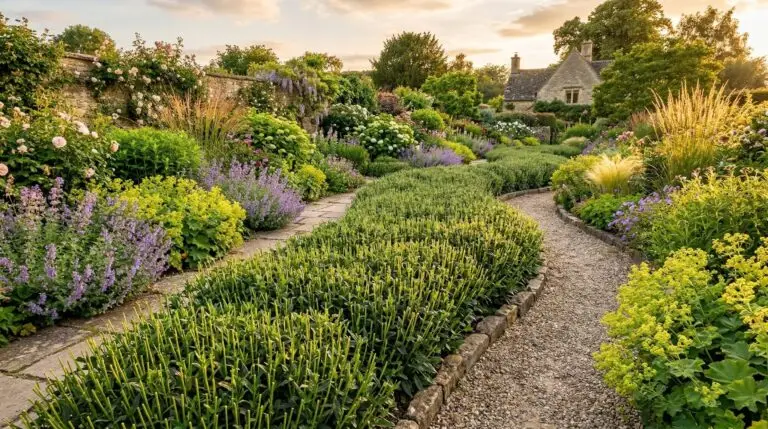
The execution phase requires precision to ensure your salvia garden path looks intentional and uniform. Begin by stretching a string line along the entire length of your walkway to create a perfectly straight guide for your planting holes. Set the string about eight to ten inches back from the hard edge of the path so the mature plants will soften the border without completely obstructing foot traffic. Dig a continuous trench or individual holes that are twice as wide as the nursery pots, loosening the soil deeply to encourage rapid root expansion. If your path edges consist of compacted builder soil or heavy clay, you must mix in coarse sand and compost to improve the aeration around the root zone. Proper soil preparation takes considerable physical effort, so budget a full weekend just for digging before you even bring the plants home.
Timing your planting correctly gives the young plants the best chance to establish a strong root system before the stress of summer heat arrives. Plan to install your edging in early spring after the last frost or in early autumn when the soil is warm but the air is cool. Space the plants exactly according to your earlier calculations, measuring from the center of one root ball to the center of the next to guarantee even gaps. Water each plant deeply immediately after backfilling the soil to settle any air pockets around the roots. Expect the first year to be entirely about root establishment and vegetative growth, with the most uniform and abundant flowering appearing in year two. Applying a two-inch layer of organic mulch between the plants will suppress weeds and retain moisture while the canopy fills in.
Managing the ongoing maintenance timeline
Maintaining a neat blue salvia border requires a moderate but consistent time commitment throughout the growing season. During the first three months after planting, you must monitor soil moisture weekly and provide supplemental water when the top two inches of soil feel completely dry. Once the roots are fully established in their second year, these plants become highly drought tolerant and usually survive on natural rainfall alone. The primary maintenance task shifts to deadheading the spent flower spikes to encourage a second or third flush of blue blooms later in the summer. You will need to dedicate about thirty minutes every few weeks to shear off the faded flower stalks with sharp garden scissors to keep the border looking crisp. Ignoring this task results in a messy, overgrown path edge and significantly fewer flowers.
The end of the growing season brings a specific pruning requirement to prepare the edging for winter and ensure healthy growth the following spring. After the foliage dies back following a hard frost, you must cut the entire plant down to about three inches above the soil line. Leaving the dead stems standing over winter can trap excess moisture against the crown and increase the risk of rot. This simple annual haircut prevents the plants from developing woody, unproductive centers, a common issue that also affects path-lining perennials like catmint if left unmanaged. Rake away all the fallen leaves and debris from the base of the plants to maintain good air circulation during the dormant months. Bagging and removing this debris prevents fungal diseases from overwintering near the susceptible plant crowns.
Action plan for your walkway project
Moving from the idea phase to actual preparation requires a few concrete steps you can complete right now. Start this week by measuring the exact length of your garden path with a tape measure and recording the numbers in a notebook. Go outside at nine in the morning, noon, and three in the afternoon to take photos of the walkway so you have a visual record of the sun and shadow patterns. Use a trowel to dig a small test hole near the edge of the pavement and fill it with water to see how quickly it drains. Write down the dimensions of your desired planting strip to calculate exactly how much compost you will need for soil amendment. These simple tasks will give you the exact data you need to decide if a blue salvia border is the right investment for your property.
More About Blue Salvia
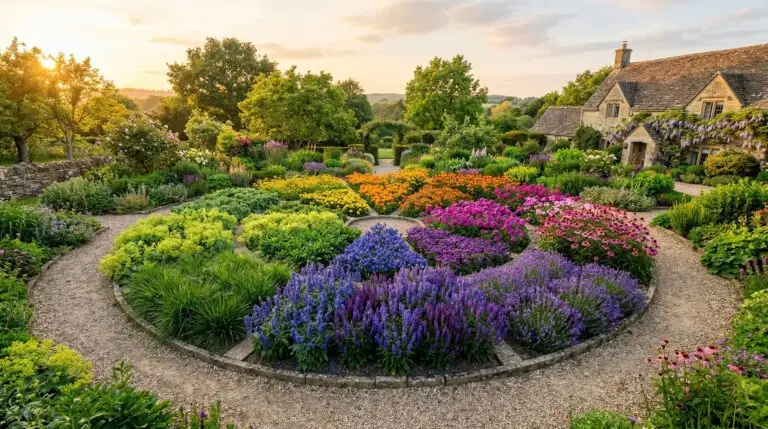
Blue salvia and yellow marigold together for a classic complementary color garden
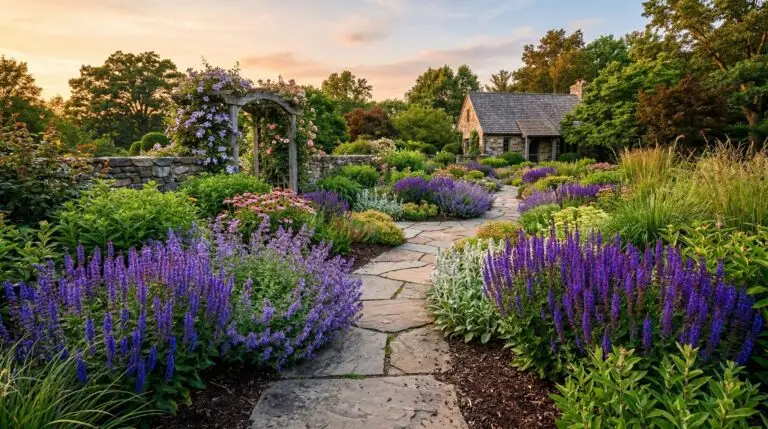
How to overwinter blue salvia in cold climates and bring it back stronger
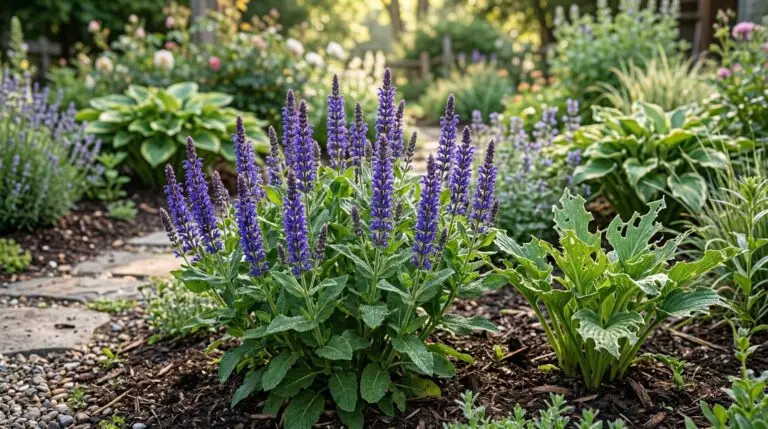
How to prune and deadhead blue salvia for a second and third flush of blooms
Blue salvia as a deer-resistant flower for gardens where deer are a constant problem
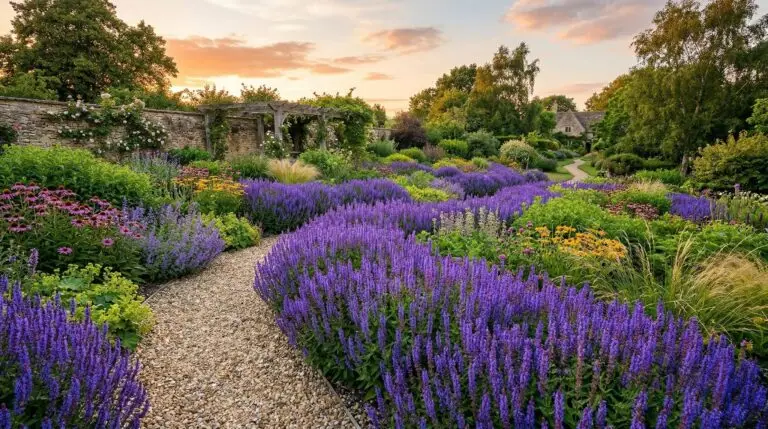
Blue salvia in mass plantings for dramatic sweeps of color in large gardens
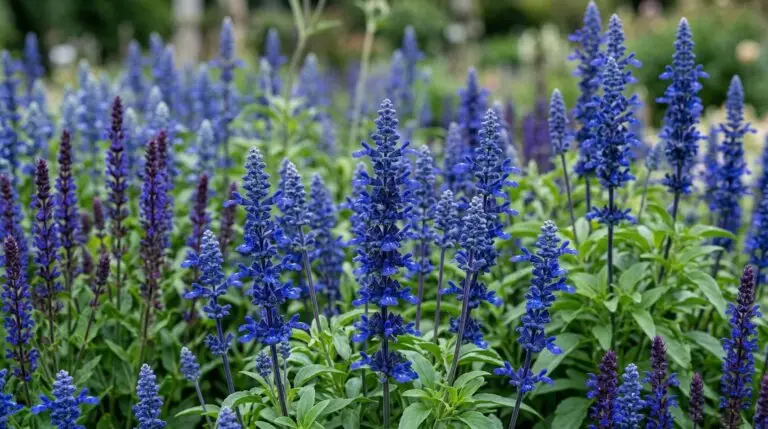
Best blue salvia varieties for non-stop color from late spring through first frost
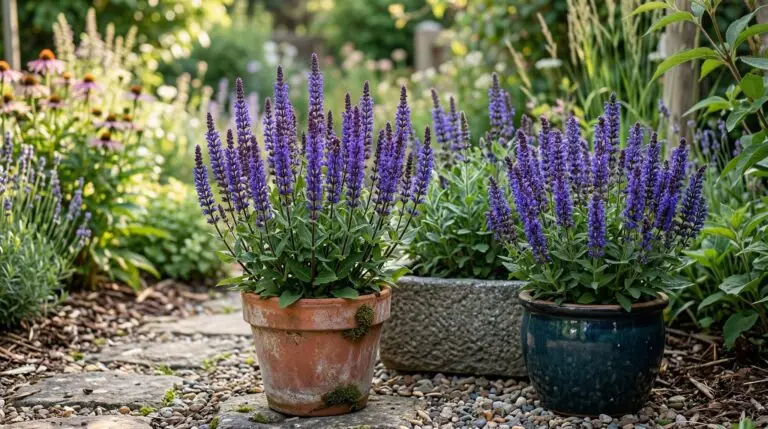
How to grow blue salvia in containers for a burst of color on sunny patios
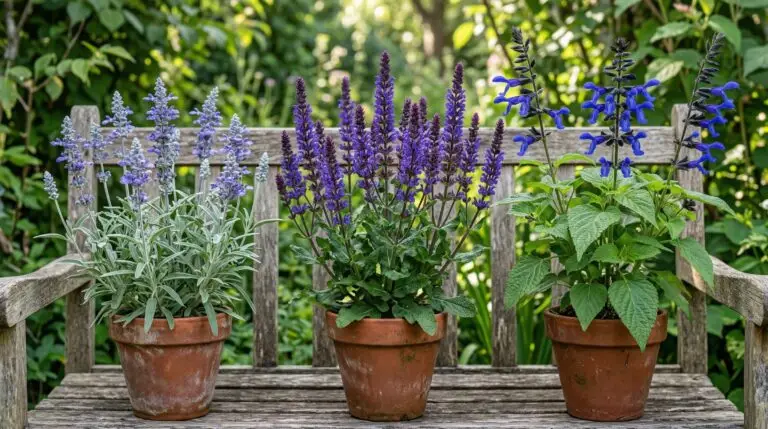
Perennial salvia versus annual salvia and how to choose the right one