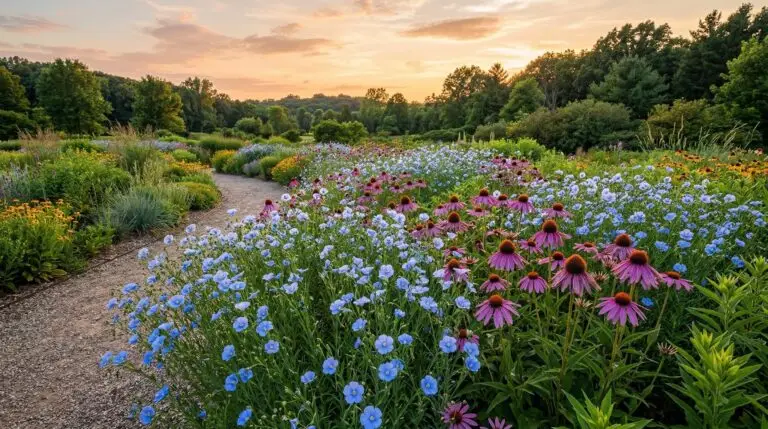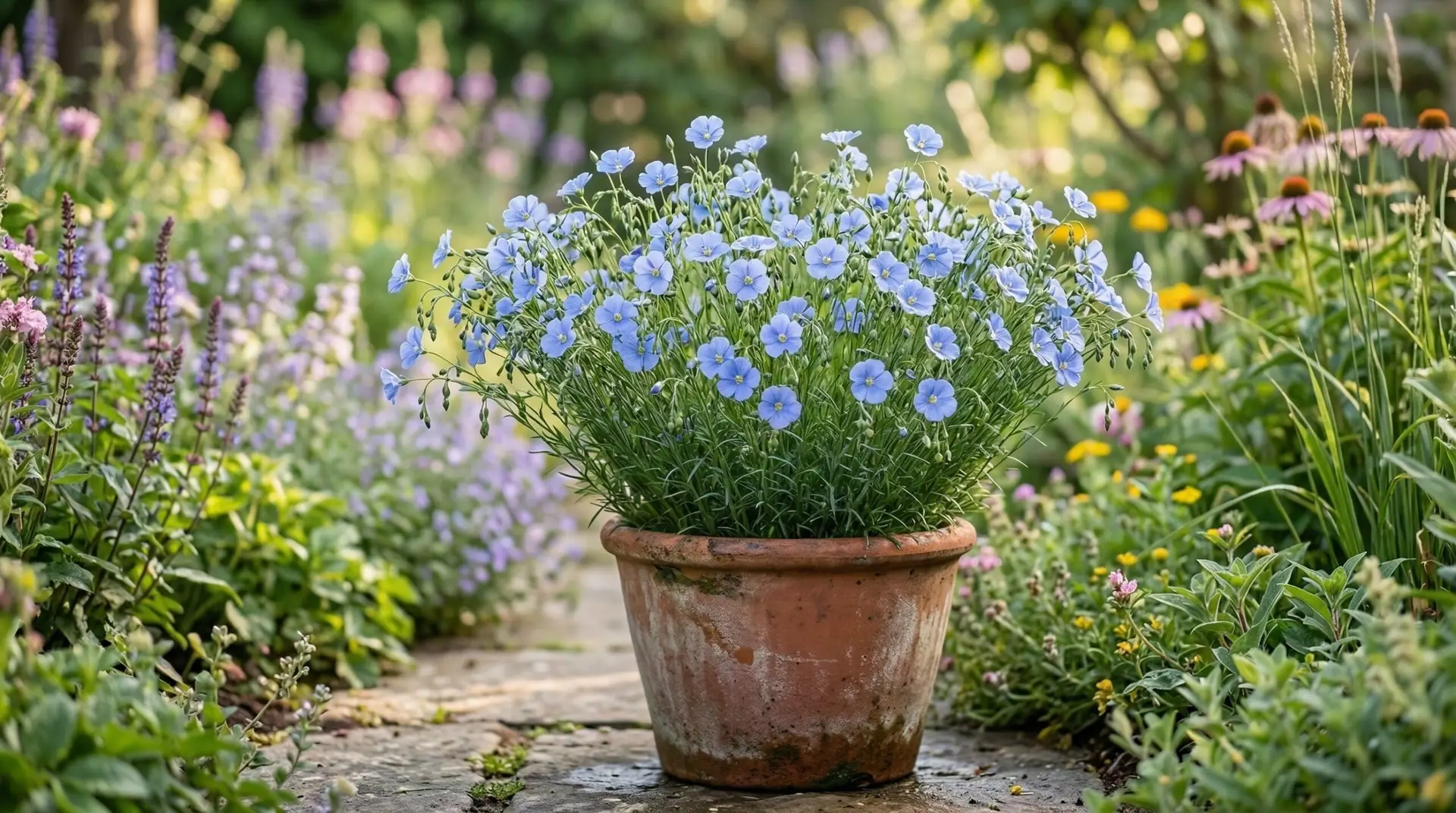
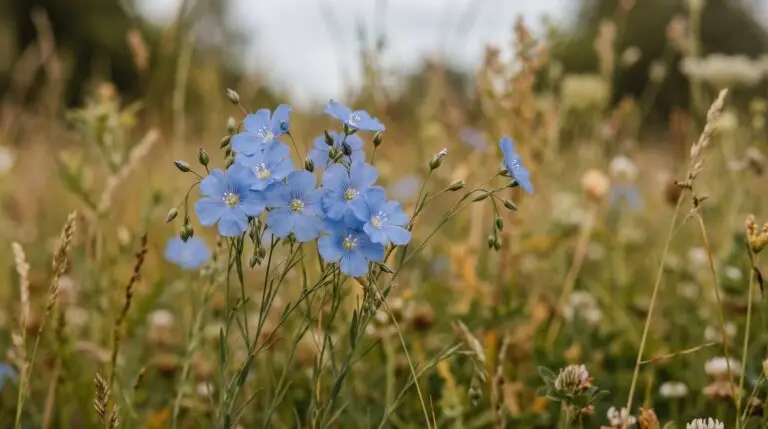
Stepping out onto the back porch early on a summer morning to find a fresh crop of sky-blue flowers open to the sun is one of the quiet rewards of tending a garden. Blue flax produces delicate blooms that last only a single day before dropping their petals by mid-afternoon. The plant simply opens a new batch of flowers the very next morning, creating a continuous display of color for weeks. While often seen swaying in open meadows or large borders, growing blue flax in pots brings that same airy movement right up to the patio. These plants have a reputation for needing deep soil to accommodate their taproots, but they adapt surprisingly well to life in a pot when given the right conditions. Success comes down to understanding exactly how they behave in confined spaces and adjusting basic care routines to match their wild nature. Bringing these wildflowers out of the garden beds and into controlled containers allows for close-up appreciation of their fine petal veins. The daily rhythm of watching them open and drop becomes a familiar part of the summer routine.
Setting up a linum container for proper drainage
The quickest way to kill a drought-tolerant meadow plant is to let its roots sit in soggy soil. When preparing any linum container, the primary focus must be on creating rapid drainage rather than holding onto moisture. Standard potting soil straight from the bag is usually too heavy and retains too much water for these prairie natives. Mixing equal parts of ordinary potting soil with coarse sand or perlite creates a gritty texture that allows water to pass through almost instantly. Expensive decorative planters are entirely unnecessary for this project, as a cheap terracotta pot breathes well and naturally pulls excess moisture away from the soil. Just ensure whatever pot is chosen has at least three large drainage holes at the bottom. Skip the layer of gravel people often put inside the bottom of pots, as that actually traps water higher up in the root zone where it causes rot. Elevating the pot on a few small bricks or ceramic feet ensures water can escape freely onto the patio below.
Watering routines across different climates
Plants confined to containers dry out much faster than those growing in the ground, requiring a shift in how often the watering can comes out. New seedlings will look a bit wilted and unhappy for about two weeks after transplanting into their new pots. They are not dying, they just need time to establish their root systems before pushing new top growth. Once established, wait until the top two inches of the soil feel completely dry to the touch before giving the pot a deep soaking. Gardeners in the humid South might only need to water once a week, while those in dry western zones will likely be out with the hose every other day during July. Overwatering results in yellowing leaves and a sudden halt in flower production, so err on the side of keeping the dirt slightly dry. Checking the weight of the pot by tipping it slightly is the most reliable way to know if the soil is dry all the way through. A pot that feels incredibly light is ready for a thorough drink until water runs out the bottom holes.
Designing a balanced blue flax window box
The slender stems and small leaves give this plant a very lightweight appearance in pots, making it an excellent candidate for elevated planters. Planting a blue flax window box requires mixing these wispy blue flowers with something that provides a solid base of foliage to hide the bare lower stems. Crisp white flowers create a sharp, clean contrast that makes the pale blue petals look even brighter against the side of a house. A border of low-growing sweet alyssum spills beautifully over the front edge of the box and fills in the gaps around the base of the taller flax stems. Trailing varieties of white verbena also work well to anchor the arrangement while the flax dances above them in the breeze. Keep the spacing slightly tighter than recommended on the seed packets to create a full, lush look right away, since container plants do not reach the same mature width as garden specimens. Placing the tallest flax plants near the back of the box prevents them from shading out the shorter trailing companions. The resulting display looks like a slice of wild meadow blooming right on the windowsill.
Feeding container plants without encouraging weak growth
A common mistake with potted meadow plants is treating them like hungry annuals that need constant feeding. Prairie natives thrive in lean soils and will actually produce fewer flowers if given too much nitrogen. Heavy doses of liquid fertilizer cause the stems to grow incredibly tall and weak, leading them to flop over the sides of the pot after the first heavy rain. Skipping the synthetic bloom boosters and mixing a single handful of mature compost into the potting soil at planting time provides all the nutrition needed for the entire season. If the leaves start looking unusually pale by midsummer, a very weak solution of fish emulsion applied once will green them up without triggering a massive growth spurt. Keeping the diet strict ensures the plants remain compact and focus their energy on producing those daily blue blooms rather than excess foliage. Potted plants naturally exhaust their soil nutrients faster than ground plants, but flax prefers that depleted environment. Ignoring the urge to fertilize is sometimes the hardest habit for a dedicated gardener to break.
Managing the daily bloom cycle and late summer fade
The reality of growing this specific flower is accepting that the ground around the pots will be covered in dropped petals by evening. Sweeping up the fallen blue confetti becomes part of the daily patio routine, but the constant renewal of blooms makes the minor mess worthwhile. Deadheading individual spent flowers is practically impossible due to their sheer numbers and short lifespan. Instead of picking off single blooms, wait until the entire plant starts looking ragged in late July and cut the whole thing back by half with a pair of sharp shears. The stems will look like bare sticks for about ten days before pushing out fresh green growth and a second, smaller flush of late summer flowers. By the time autumn arrives, letting the last few flowers form their round seed pods provides an easy way to collect free seeds for next year’s containers. Because these are short-lived perennials, pots left out over winter in northern zones will freeze solid and kill the roots. Moving the containers into an unheated garage or simply saving the collected seeds to start fresh in the spring guarantees the return of those sky-blue flowers without fighting the winter weather.
More About Blue Flax
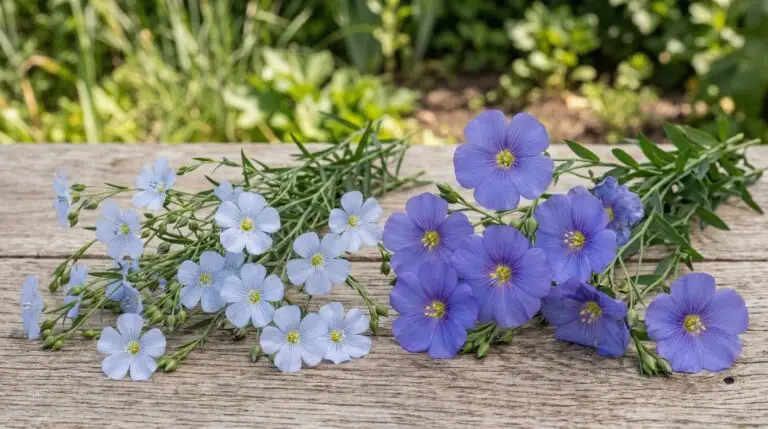
Lewis flax versus perennial blue flax and which native species to grow
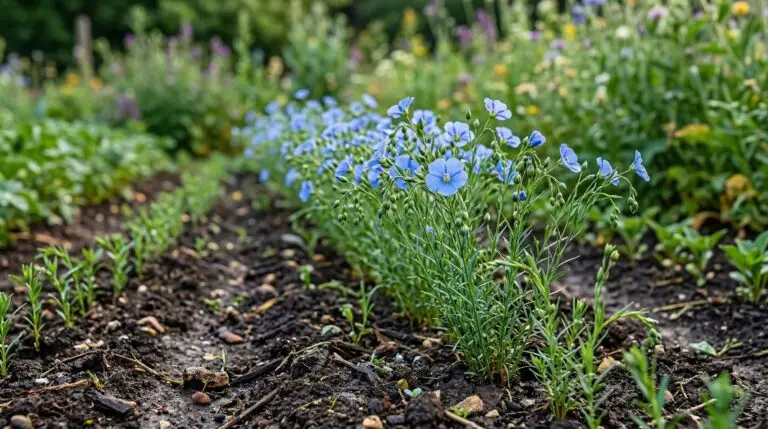
How to grow blue flax from seed for a low maintenance wildflower meadow
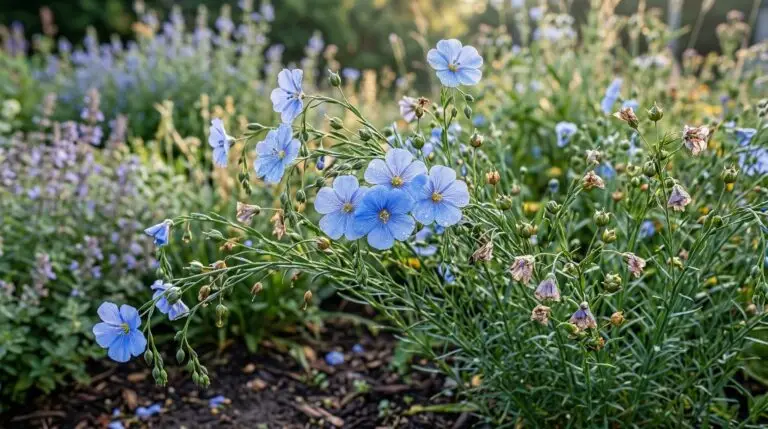
Why blue flax flowers only last one day and why that is actually a good thing
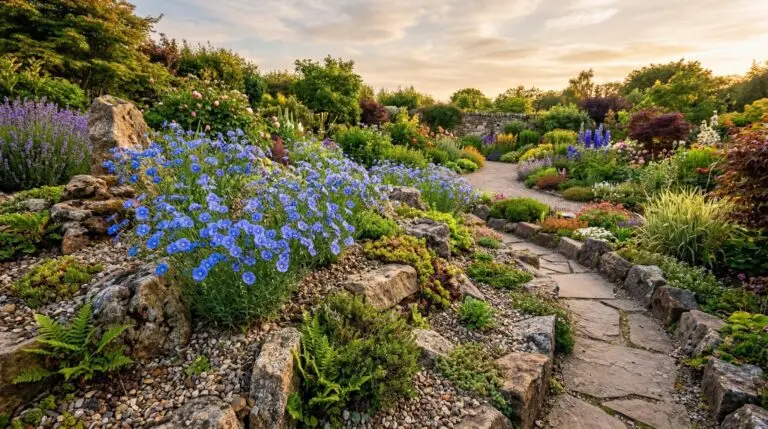
Blue flax in rock gardens and gravel pathways for a natural alpine look
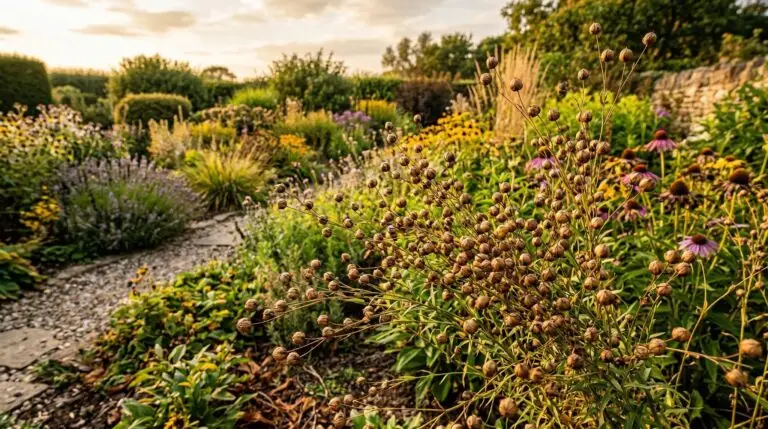
How to collect and save blue flax seeds for planting next season
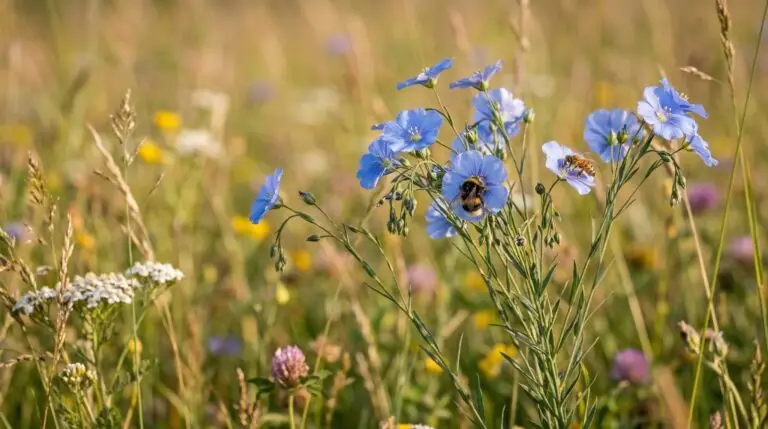
Blue flax for pollinator gardens attracting native bees and beneficial insects
The history of flax from ancient linen production to ornamental garden flower
Blue flax for xeriscaping and drought-tolerant gardens that still look beautiful