January birth flowers by day: the Korean 365-day tradition
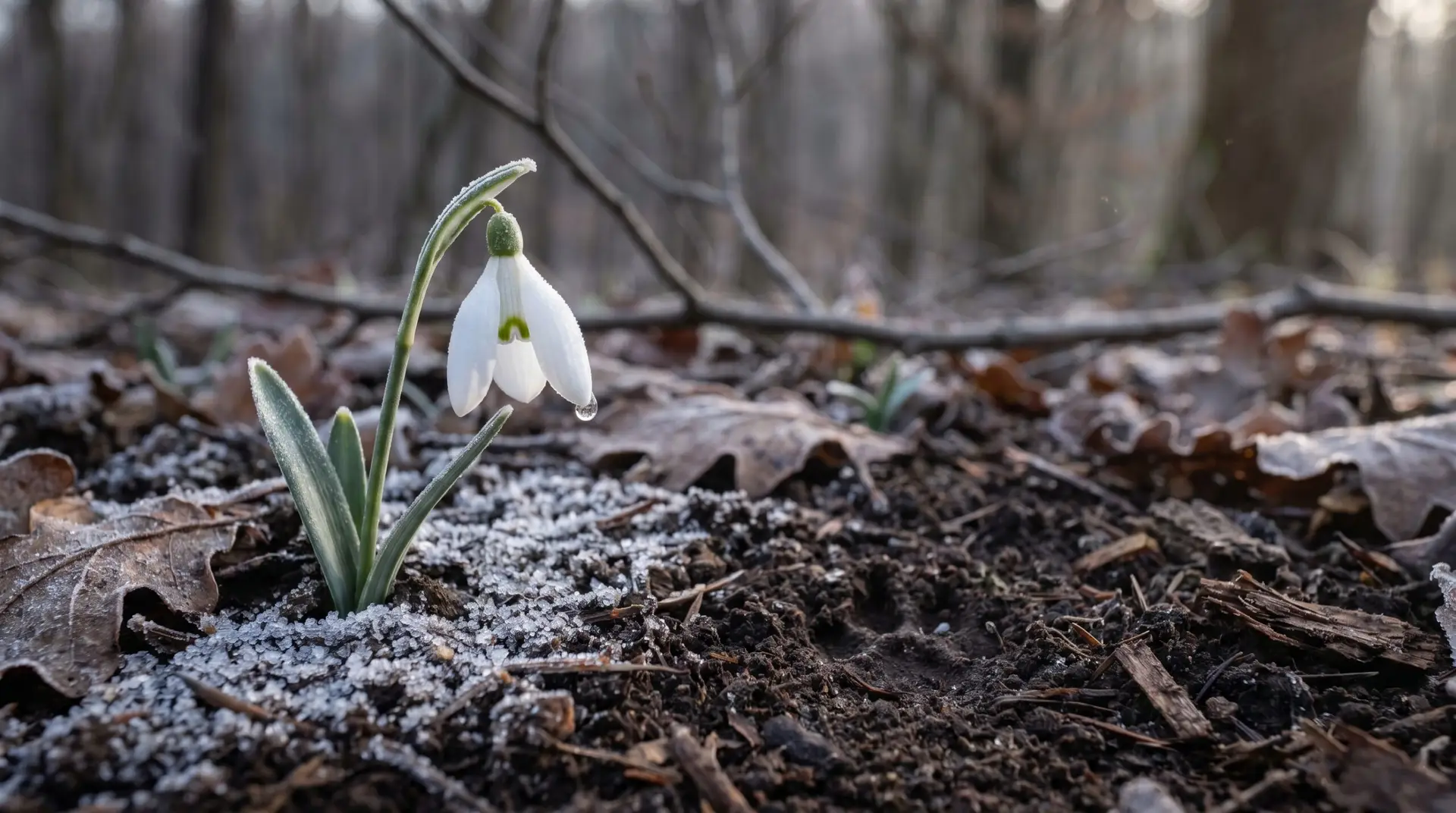
Korean tradition assigns a unique flower to every day of the year, and January’s 31 days have their own meanings beyond the Western carnation-and-snowdrop pairing. The list emphasizes themes of hope, persistence, and mother’s love, with winter-blooming species featured heavily in the early days of the month.
One direct match between the two traditions stands out: snowdrop appears as the January 1 flower in the Korean list, matching the Western secondary birth flower for the whole month. The tradition itself emerged in Korea in the early twentieth century, possibly drawing influence from Japanese hanakotoba (flower language) traditions, and exists in multiple compilations across Korean sources rather than as a single state-sanctioned text. The list presented below follows the widely-circulated Creatrip and NamuWiki version, with cross-checks against alternative Korean compilations where meaningful differences exist. The full origin story of the Korean 365-day system is covered in the cross-month Korean 365-day birth flowers pillar; what follows is the January portion specifically.
Early January (Jan 1-10): hope and renewal
The first ten days of January in the Korean tradition emphasize hope emerging from winter darkness. Snowdrop opens the month with the meaning of hope, spring crocus follows with youth without regret, and hyacinth brings peaceful love. The thread across these early-month flowers is a quiet “we’ll get through winter” emotional register, fitting for the year’s coldest and darkest days.
- Jan 1: Snow Drop (스노드롭): Hope. Matches the Western January secondary birth flower.
- Jan 2: Jonquil (노랑수선화): Answer to love.
- Jan 3: Spring Crocus (사프란): Youth without regret.
- Jan 4: Hyacinth (히아신스): Peaceful love.
- Jan 5: Hepatica (노루귀): Patience.
- Jan 6: White Violet (흰제비꽃): Innocent love.
- Jan 7: Tulip (튤립): Broken heart.
- Jan 8: Purple Violet (보랏빛 제비꽃): Love.
- Jan 9: Yellow Violet (노랑 제비꽃): Shy love.
- Jan 10: Box Tree (회양목): Endure and overcome.
Three violet entries appear in this window (Jan 6, 8, 9), each in a different color and with a different shade of meaning. Tulip on Jan 7 has the unusual “broken heart” reading that contrasts with the otherwise hopeful tone of the surrounding days. Box tree closes the first third of the month with “endure and overcome,” a fitting bridge into the persistence theme of mid-January.
Mid January (Jan 11-20): persistence and friendship
The middle ten days shift from hope to endurance. Arbor vitae opens the window with strong friendship, sweet alyssum brings outstanding beauty, and the meanings continue through restraint, longevity, and quiet strength. This is the deep-winter section of the Korean January list, when the symbolic register matches the season’s demand for steady persistence.
- Jan 11: Arbor Vitae (측백나무): Strong friendship.
- Jan 12: Sweet Alyssum (향기 알리섬): Outstanding beauty.
- Jan 13: Narcissus (수선화): Mystery.
- Jan 14: Cyclamen (시클라멘): Introverted personality.
- Jan 15: Thorn (가시): Serious, stern.
- Jan 16: Yellow Hyacinth (노랑 히아신스): Win or lose.
- Jan 17: Rumex (수영): Friendly.
- Jan 18: Indian Mallow (어저귀): Conjecture.
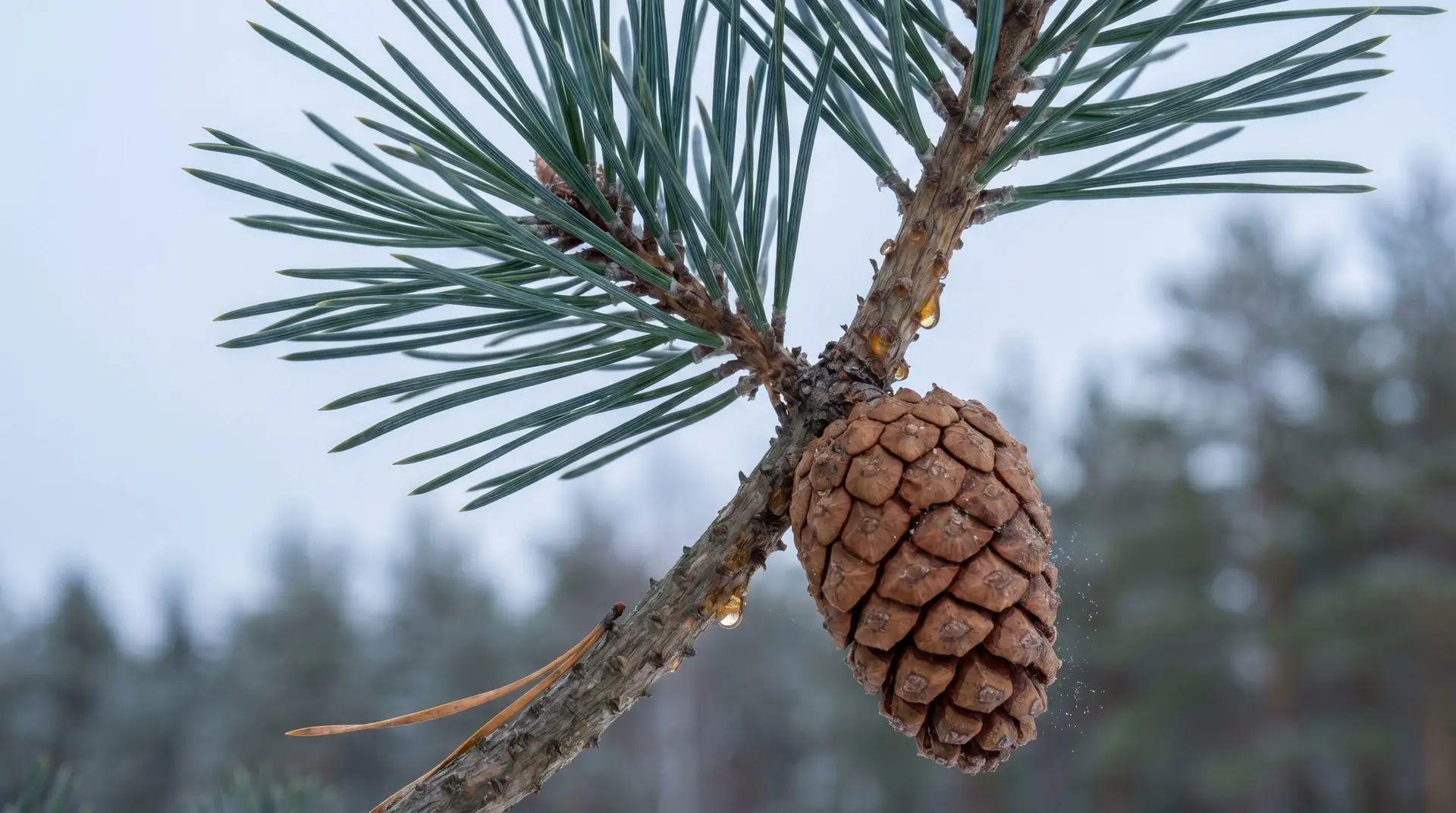
- Jan 19: Pine (소나무): Center of qi, longevity.
- Jan 20: Buttercup (미나리아재비): Innocent.
Pine on Jan 19 introduces the Korean tradition’s longevity theme that recurs throughout the year on different dates (also November 14 and December 14, with different specific readings each time). Narcissus on Jan 13 has the “mystery” meaning that ties into the Greek myth of Narcissus and his reflection. Thorn on Jan 15 stands out as the only non-flower botanical in this mid-month window, with a serious and stern reading.
Late January (Jan 21-31): mother’s love and courage
The final eleven days hold the most emotionally explicit meanings of the month. Mother’s love appears twice in this window (Jan 22 and Jan 29, both as moss), an unusual repetition that emphasizes the Korean tradition’s reverence for maternal devotion during the year’s coldest weeks. The window closes with happiness coming (Jan 30) and joy of youth (Jan 31), a hopeful arc toward February.
- Jan 21: Ivy (담쟁이덩굴): Friendship.
- Jan 22: Moss (이끼): Mother’s love.
- Jan 23: Bullrush (부들): Obedience.
- Jan 24: Saffron Crocus (가을에 피는 사프란): Beauty of moderation.
- Jan 25: Cerastium (점나도나물): Genuine.
- Jan 26: Mimosa (미모사): Sensitive heart.
- Jan 27: Rowan (마가목): Not lazy.
- Jan 28: Black Poplar (검은 포플라): Courage.
- Jan 29: Moss (이끼): Mother’s love.
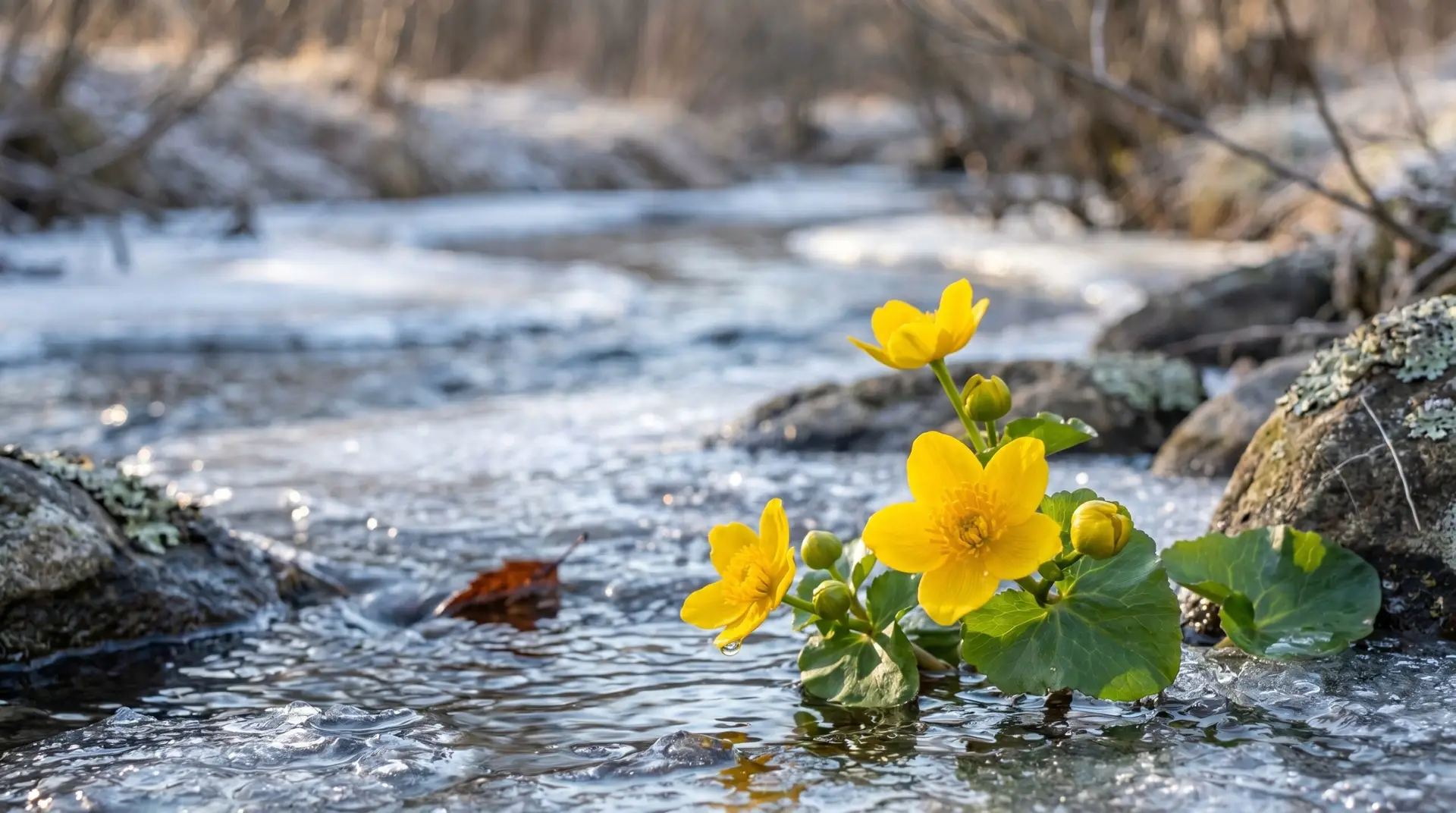
- Jan 30: Marsh Marigold (매쉬 메리골드): Happiness will come.
- Jan 31: Spring Crocus (노란 사프란): Joy of youth.
The mother’s love repetition on Jan 22 and Jan 29 is striking. Korean tradition rarely reuses the same flower with the same meaning within a single month, which makes the moss double-entry significant. Some Korean folklore traditions explain the repetition as honoring both biological and adoptive maternal bonds; other sources treat it as a compilation variation that became standardized over time. Either reading reinforces January’s broader association with maternal devotion, which also appears in the Western tradition through the Anna Jarvis Mother’s Day connection to white carnation.

How Korea’s January compares to the Western tradition
The Western tradition assigns January a single primary flower (carnation) and a single secondary flower (snowdrop) for the entire month. The Korean tradition assigns a distinct flower to each of the 31 days. The two systems are not in conflict; they are different cultural frameworks for thinking about flowers and time.
One direct match exists. Snowdrop appears as the Korean January 1 flower with the meaning of hope, matching the Western secondary birth flower for the whole month. Anyone born on January 1 has reinforced snowdrop symbolism from both Korean and Western traditions, a rare cross-cultural alignment for a specific date.
Carnation does not appear in the Korean January list. The Western primary January flower is treated as a different symbolic register in Korean tradition (Korean carnation symbolism centers on Korean Parents’ Day in May rather than on a January date assignment). This is one of several places where the two traditions place the same flower in different calendar positions.
Mother’s love appears twice in Korean January (Jan 22 and Jan 29, both as moss), which parallels the Western Anna Jarvis Mother’s Day association with white carnation. Someone born on Jan 22 or Jan 29 holds the mother’s love meaning from the Korean tradition and the Mother’s Day connection from the Western tradition, a doubled reading that fits the carnation-centered Western January even when the specific flower differs.
About this list: sources and honest caveats
The Korean 365-day birth flower tradition emerged in the early twentieth century, possibly influenced by the Japanese hanakotoba (flower language) framework that was widespread in East Asia during the same period. No single foundational text codifies the Korean list. Multiple Korean compilations exist with minor variations:
- The Creatrip English-translated version (primary source for this article’s list).
- The NamuWiki Korean-language entry on 탄생화 (birth flower), with cross-references to celebrity birth flower data.
- The flower-korea.com 365-day list, which sometimes diverges on specific dates.
This article presents the widely-circulated Creatrip and NamuWiki version. If your birthday flower appears differently in another Korean source, both readings can be valid. The tradition allows variation, and no Korean government or cultural authority has declared one version definitive.
The list is living folklore rather than state-sanctioned tradition. Korean families often have their own preferred versions passed down from older relatives, and modern Korean florists may use yet another variant in their commercial presentations. Treating any single list as the official Korean tradition would misrepresent the actual cultural reality, which is a flexible folk system with broad agreement on themes and substantial variation on specific date-flower assignments.
Frequently asked
What is the Korean birth flower for January 1?
Snowdrop, with the meaning of hope. This matches the Western secondary birth flower for the whole month of January, a rare direct alignment between the two traditions on a specific date.
Does Korean January match the Western tradition?
Partly. Snowdrop appears in both on January 1. Carnation, the Western primary January flower, does not appear in the Korean January list at all. The two systems agree on themes (hope, persistence, mother’s love) more than on specific date-flower pairings.
Why does mother’s love appear twice in Korean January?
Mother’s love (moss) is listed on both January 22 and January 29 in the widely-circulated version of the Korean tradition. Some sources explain the repetition as honoring both biological and adoptive maternal bonds. Others treat it as a compilation variation that became standardized over time. The doubled meaning fits January’s broader association with mothers, which also appears in the Western Anna Jarvis Mother’s Day tradition through white carnation.
Where does the Korean 365-day tradition come from?
The tradition emerged in Korea in the early twentieth century, likely influenced by the Japanese hanakotoba framework that was widespread in East Asia. No single foundational text exists. The tradition continues as living folklore, with multiple compilations existing in Korean sources and with families often using their own preferred versions.
Are there other versions of this list?
Yes. The Creatrip version (primary source for this article), the NamuWiki Korean-language entry, and the flower-korea.com list all exist with minor differences. If your birthday flower appears differently in another Korean source, both can be valid.
Can I use both Korean and Western traditions for my January birthday?
Yes. The two systems are complementary rather than competing. A January 1 birthday has hope from both traditions (snowdrop direct match). A January 22 birthday adds Korean mother’s love (moss) alongside the Western carnation-and-snowdrop pairing. Many people draw meaning from both.
Sources
- Birth flower (탄생화) · NamuWiki Korean reference
About this article. > Written and reviewed by the Your Flowers Guide editorial team. The Korean 365-day list is sourced from the Creatrip English-translated compilation and cross-referenced with the NamuWiki Korean reference. Multiple Korean compilations exist with minor variations; this article cites a widely-circulated version while acknowledging that the tradition is living folklore rather than state-sanctioned text.