June birth flower: rose, honeysuckle, and what they mean
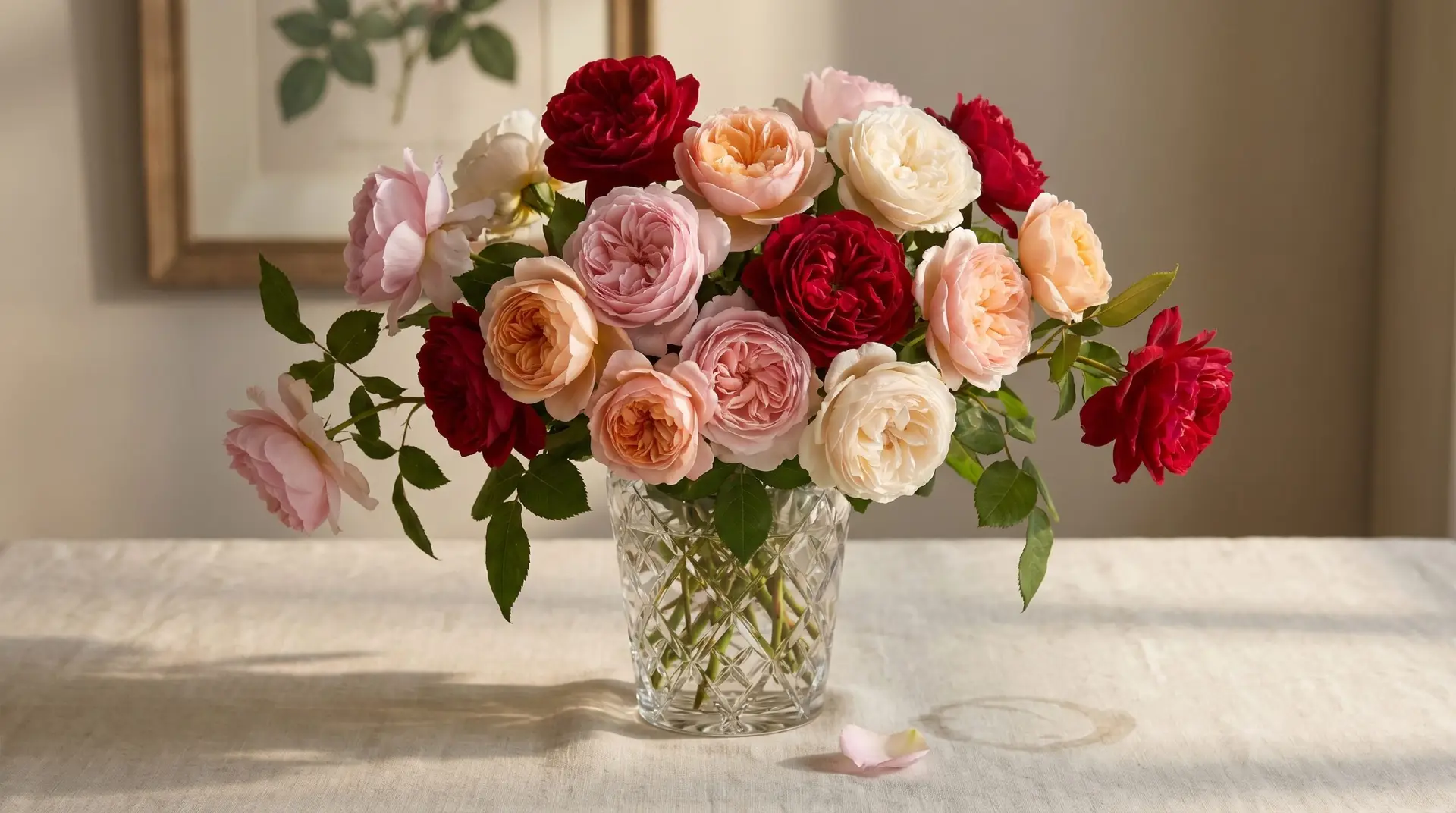
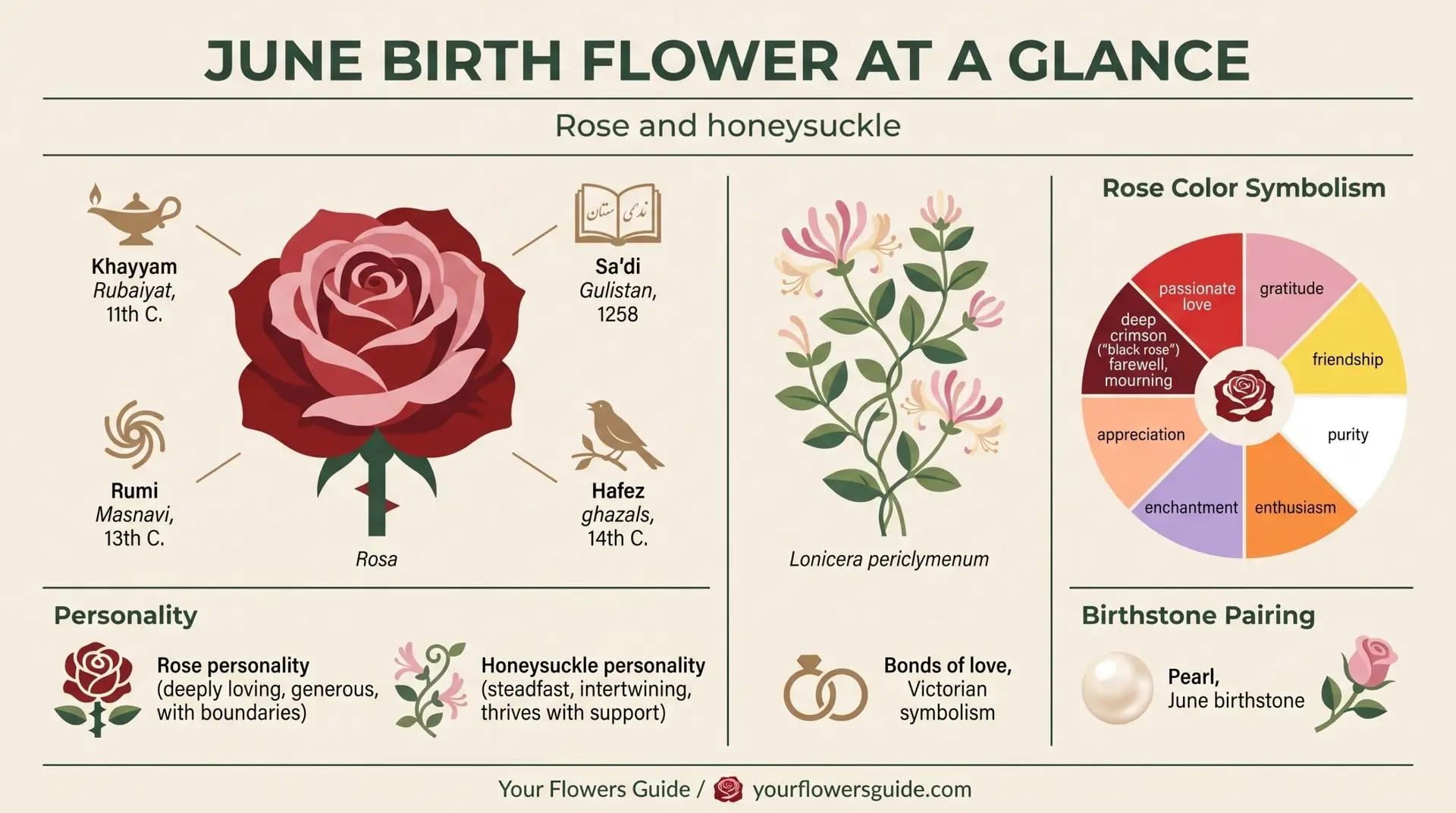
June has two birth flowers in Western tradition: rose (Rosa) as the primary, and honeysuckle (Lonicera) as the secondary. Rose stands for love in its many forms, with the specific meaning shifting by color. Honeysuckle stands for bonds of love, steadfast affection, and the intertwining of lives.
Rose is the most culturally significant flower in human history. No other species has accumulated comparable depth of poetry, religious symbolism, political iconography, fragrance industry, and visual art tradition across multiple unrelated civilizations. The flower appears prominently in Persian classical poetry from the eleventh century onward (Omar Khayyam, Rumi, Sa’di, Hafez), in Roman cultivation and literature, in Christian Marian symbolism, in Tudor English political iconography (the red and white roses of the Wars of the Roses), in nineteenth-century Bulgarian rose-oil production (still the largest in the world), and in modern global cut-flower trade (rose remains the most-given cut flower in the world). The June birth flower assignment connects directly to this long cultural history. Honeysuckle holds a quieter but distinct place as a fragrant climbing vine of European cottage gardens, with Victorian-era symbolic readings centered on the climbing habit as a metaphor for intertwined affection.
Rose, the main June birth flower
Rose belongs to the genus Rosa in the family Rosaceae. The genus contains approximately 150 species native to temperate regions of the Northern Hemisphere, with thousands of named cultivars developed over more than two thousand years of cultivation. The Royal Horticultural Society and the American Rose Society maintain registries with tens of thousands of named varieties spanning the genus.
The cultivated rose divides into three main historical groups. Wild species roses (Rosa rugosa, Rosa gallica, Rosa canina, and others) represent the natural genetic foundation of all subsequent cultivation. Old garden roses (pre-1867) include classes like Gallica, Damask, Alba, Centifolia, Moss, Bourbon, China, and Tea roses, with extensive cultivation across Europe and Asia from at least the Roman period. Modern roses (post-1867, beginning with the introduction of the hybrid tea group through Joseph Pernet-Ducher’s breeding work in France) include the hybrid teas, floribundas, grandifloras, English roses (David Austin), miniatures, climbers, and shrub roses that dominate modern garden and cut-flower trade.
The June bloom timing varies by class and climate. Once-blooming old garden roses produce a single magnificent flush in June across most temperate climates, with no further bloom until the following year. Modern repeat-blooming roses (hybrid teas, floribundas, English roses, most modern climbers) bloom from June through autumn frost with multiple flushes, though the June flush is typically the most abundant of the year. This combination of peak-bloom timing across both rose categories made June the natural birth flower month for rose in Victorian flower writers’ assignments.
Color range in modern roses covers red, pink (in dozens of shades from pale blush to deep magenta), yellow, white, orange, lavender (purple), peach, apricot, near-black (deep crimson cultivars), and many bicolor and striped patterns. The “blue rose” remains a breeder’s goal that has not been achieved through traditional hybridization due to absent pigments in the rose genome; modern “blue roses” in florist trade are either dyed white roses or genetically modified varieties produced through pansy gene insertion (Suntory’s Applause rose, 2009).
The full botanical depth of rose cultivation, the history of named varieties, and the detailed breeding history are covered in the dedicated rose portal on this site.
Honeysuckle, the secondary June birth flower
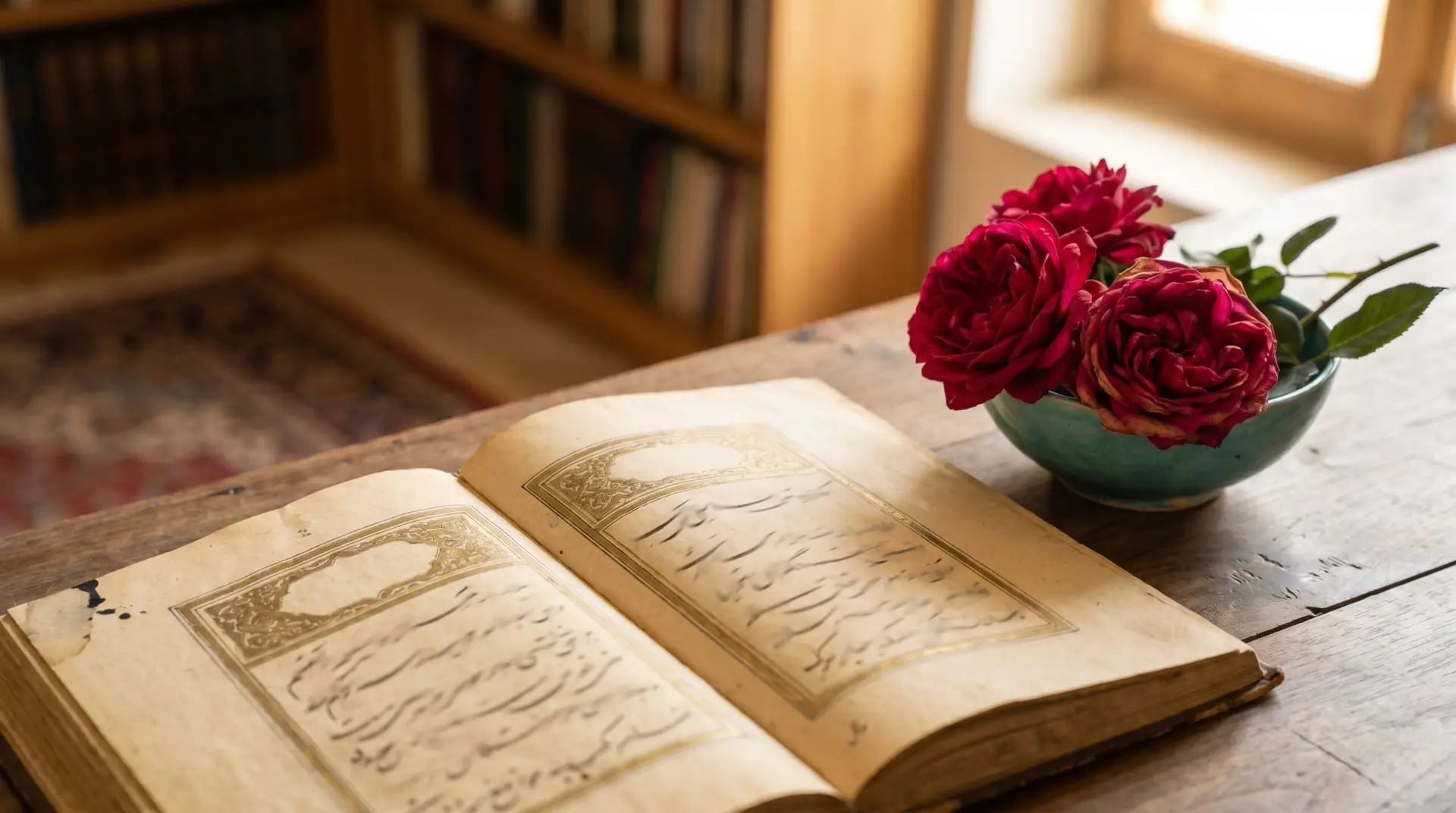
Honeysuckle belongs to the genus Lonicera in the family Caprifoliaceae. The genus contains about 180 species globally, native to temperate regions of the Northern Hemisphere. The most commonly cultivated species in the European honeysuckle tradition is Lonicera periclymenum (the common honeysuckle or woodbine), a climbing vine native to Europe and western Asia.
The plant is a climbing or trailing vine reaching 15 to 20 feet on suitable supports. The leaves are oval and arranged in opposite pairs along the stem. The flowers appear in clusters at the tips of stems, with each individual flower showing a distinctive tubular form with the petals fused into a long tube that opens at the end into two lips (an upper “hood” of four fused petals and a lower single petal). The classic European honeysuckle has cream-yellow flowers with pink-red tinges on the outer surfaces, though cultivated varieties extend the color range to pink, deep red, white, and bicolor combinations.
The fragrance is the honeysuckle’s most distinctive characteristic. The flowers release intense sweet fragrance, particularly in evening hours when the scent attracts moths and other night-flying pollinators. The fragrance carries unusually well in still air; a single honeysuckle vine on a fence or trellis can perfume an entire small garden during summer evenings. The sweet character of the fragrance gave the plant its English common name: children traditionally pull individual flowers from the cluster and suck the small drop of nectar at the tube’s base, the “honey” that the suckle suggests.
Bloom timing runs from late spring through summer in temperate climates, with peak abundance in June and July. After flowering, honeysuckle produces small red or black berries that are toxic to humans (mild gastrointestinal upset if eaten) but eaten by birds; do not eat honeysuckle berries.
For deeper coverage of Lonicera botany, the Victorian symbolic tradition, and growing notes, see the honeysuckle deep dive article.
Persian rose poetry: June’s cultural anchor
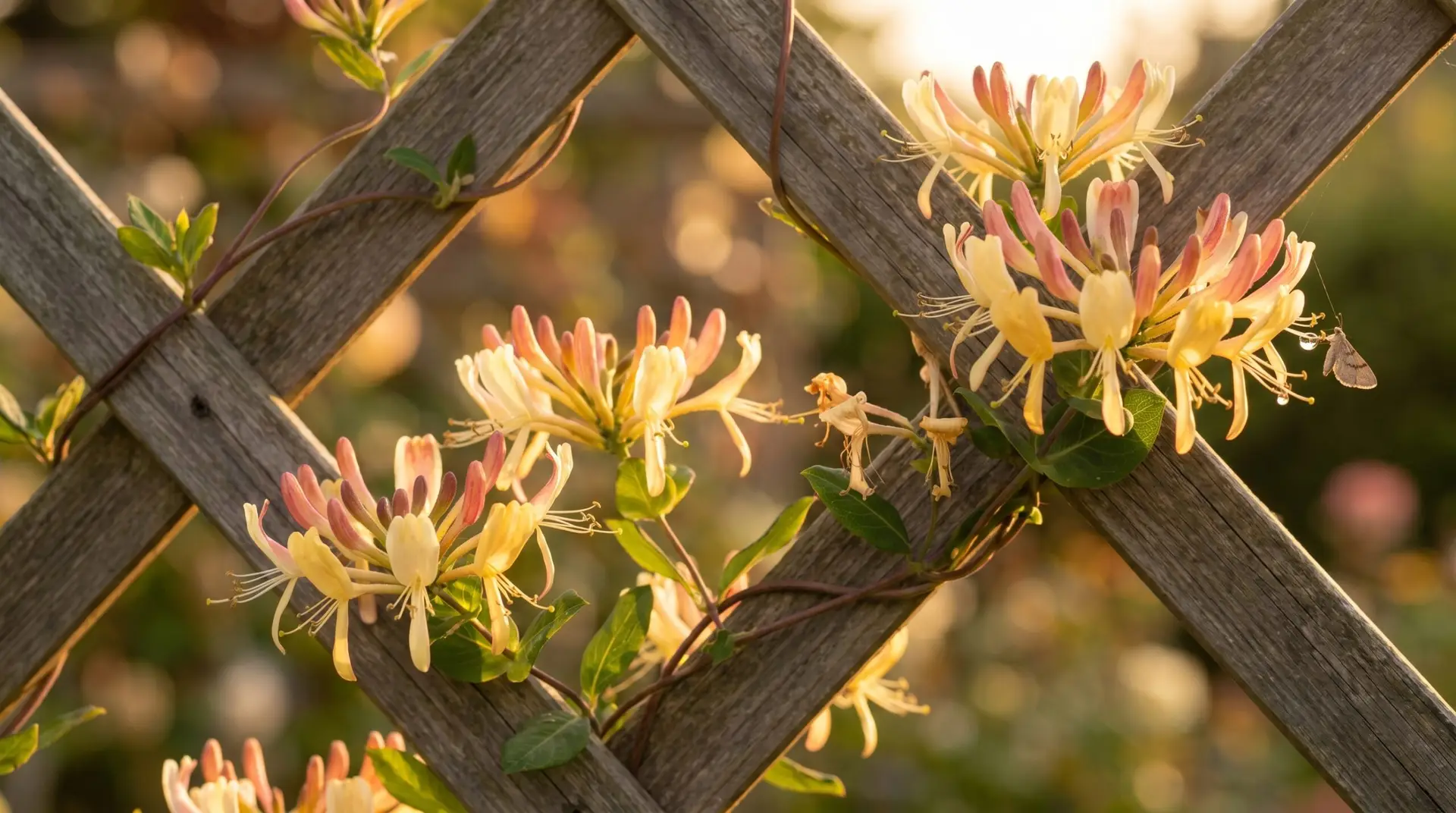
The rose holds a position in Persian literary culture that no other flower holds in any other world tradition. Persian classical poetry from the eleventh century onward features rose extensively as both botanical subject and symbolic anchor, with documented rose passages in the major works of the four poets most associated with the genre: Omar Khayyam, Rumi, Sa’di, and Hafez. The depth of this literary tradition is what made the rose the dominant flower symbol Victorian flower writers inherited and assigned to June.
Omar Khayyam (about 1048 to 1131). The Persian polymath whose Rubaiyat (quatrains) became one of the most-translated works in world literature through Edward FitzGerald’s 1859 English translation. Roses appear in the Rubaiyat as memento mori, symbols of the brevity of beauty and the imperative to enjoy the present moment. The famous “A Book of Verses underneath the Bough, / A Jug of Wine, a Loaf of Bread, and Thou / Beside me singing in the Wilderness” passage gives the broader Khayyamic theme that the rose makes vivid: present beauty is fleeting and must be savored before it fades.
Rumi (1207 to 1273). The Sufi mystic poet whose Masnavi-ye Ma’navi (Spiritual Couplets) contains extensive rose imagery treating the rose as a metaphor for the soul opening to divine love. Rumi’s reading of rose connects the flower’s gradual opening to spiritual awakening; the unfolding petals figure the heart unfolding to receive divine presence. The Masnavi contains thousands of verses, with rose appearing as one of the most-used floral metaphors throughout the work.
Sa’di (about 1210 to 1291). The Persian poet whose Gulistan (The Rose Garden), completed in 1258, became one of the most-quoted works in Persian literary history. The Gulistan is structured as moral tales set in a metaphorical rose garden, with each story illustrating ethical and spiritual lessons through encounters with named characters in a paradisaical garden setting. The work’s structure embeds the rose so deeply in its frame that the rose itself becomes a teacher figure across the chapters.
Hafez (about 1325 to 1390). The Persian lyric poet whose ghazals (rhymed couplets) make rose perhaps the most-recurring image in the Persian classical poetic tradition. Hafez’s Divan contains references to rose in over two hundred of his ghazals, often paired with the nightingale (bolbol) in the classic Persian symbolic pairing: the nightingale loves the rose with longing that the rose cannot fully reciprocate, figuring the longing of the human soul for divine union. The rose-nightingale pairing became a defining trope of Persian classical literature.
The Persian word for rose (gol گل) became the generic word for “flower” across Persian, Urdu, and several other languages influenced by Persian literary culture. This linguistic absorption reflects rose’s cultural primacy: in Persian-influenced regions, the rose simply is the flower, with other flowers requiring specifying names. Modern Iranian flower-gifting culture still draws on this poetry tradition, with rose remaining the dominant gift flower for love declarations and significant occasions.
The Persian rose poetry tradition reached Western European readers through translation. Edward FitzGerald’s 1859 Rubaiyat introduced Khayyam to nineteenth-century English readers and helped establish Persian rose poetry as a recognized cultural reference in late-Victorian literary culture. A.J. Arberry’s twentieth-century translations of Hafez ghazals and Reynold Nicholson’s translation of Rumi’s Masnavi extended this Western engagement. By the time Victorian flower writers were codifying the modern birth flower system in the mid-nineteenth century, Persian rose poetry was a recognized reference point for the educated English reader, reinforcing the rose’s symbolic weight beyond its already-strong native European and Christian associations.
What rose colors mean
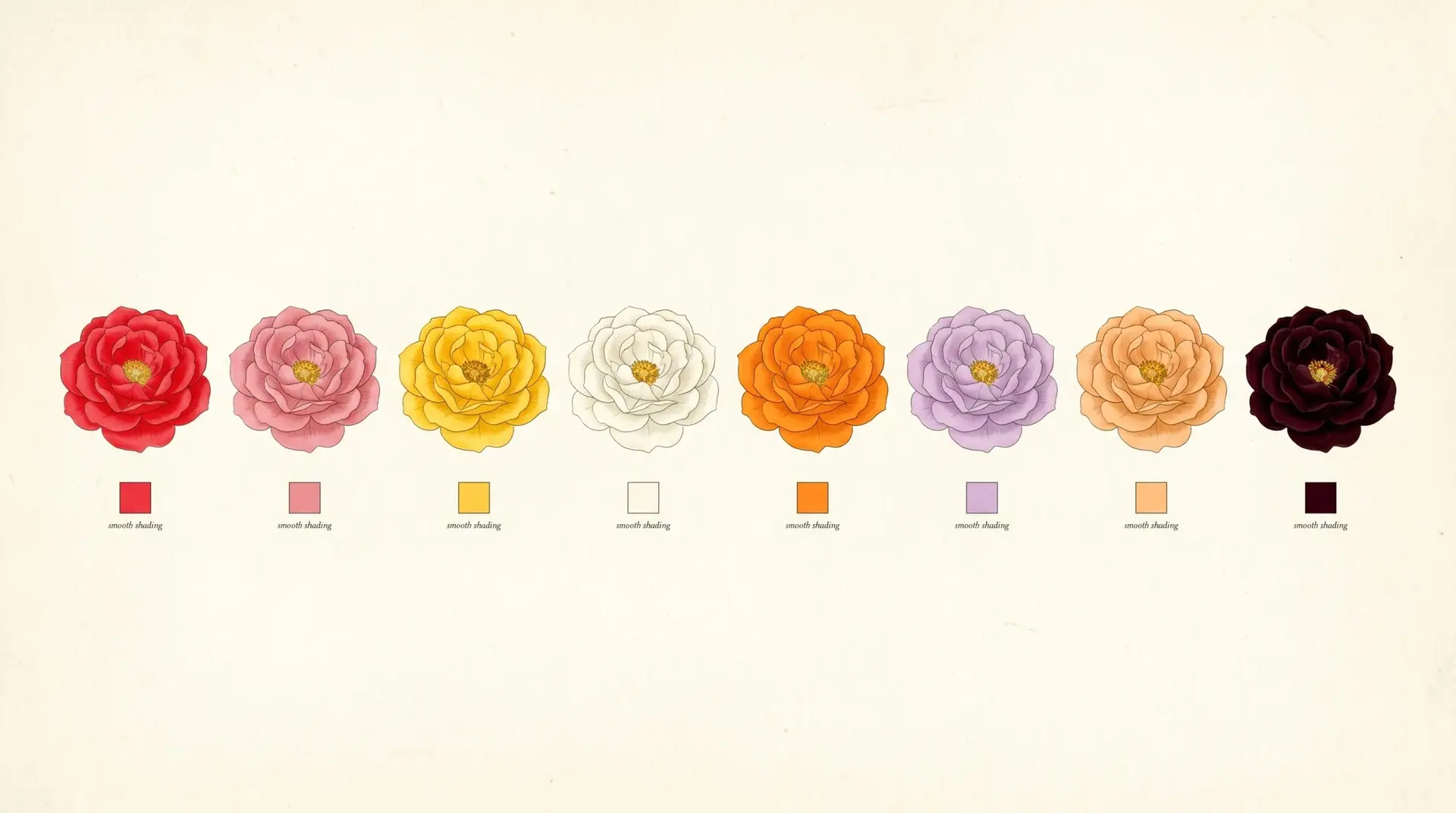
Rose color has the strongest single-flower color symbolism in the entire Western flower vocabulary. The basic color readings are:
- Red rose: passionate romantic love. The classic Valentine’s Day choice. The most-given color for love declarations.
- Pink rose: gentle love, gratitude, and admiration. Shade matters: pale pink reads as sweetness, deeper pink reads as appreciation and gratitude.
- Yellow rose: friendship and joy. Modern dominant reading is positive (friendship), though some Victorian sources also assigned “jealousy” to yellow rose. Modern usage skips the jealousy reading entirely.
- White rose: purity, new beginnings, and innocence. Also used in funeral context for remembrance and respect.
- Orange rose: enthusiasm, fascination, and creative energy. Less traditional than red or pink but increasingly popular for modern birthday bouquets.
- Lavender or purple rose: enchantment and love at first sight. Suits early-relationship gifts.
- Peach rose: gratitude, modesty, and sincere appreciation. The “thank you” rose color.
- Black-red or deep crimson (often marketed as “black rose”): farewell, the end of something, and mourning. True black roses do not exist; the deepest “black” roses are very deep crimson varieties like ‘Black Baccara.’
Mixed bouquets express combined or layered meaning. A bouquet of red and white roses traditionally signals unity in love (a wedding-bouquet color combination). A bouquet of red and yellow signals friendship deepening into love. A bouquet of pink with white signals gentle affection growing.
The complete color-by-color reading with bouquet recommendations and cultural variations appears in the rose color meanings deep guide.
June personalities by flower symbolism
Reading personality from a birth flower is closer to a horoscope than to psychology. Take it as a useful lens, not as evidence. The two June flowers offer complementary readings that many June-born readers find recognizable.
The rose side of June reads as the capacity for deep love and emotional generosity. People in the rose profile are the ones who love quietly but intensely, who treat their close relationships as the most important part of their lives, and who value the quality of connection over the quantity of acquaintances. The “thorns” element of the rose suggests that this depth comes with appropriate boundaries: rose-personality people protect their tender core through clear personal limits, opening fully only to people they trust to handle the depth carefully.
The honeysuckle side reads as steadfast attachment and the willingness to intertwine deeply with chosen people. Honeysuckle climbs through whatever support it can find, and the climbing-vine quality suggests that honeysuckle-personality people thrive when they have steady relationships and supportive environments to grow within. These are the partners who maintain decades-long marriages, the friends who keep weekly phone calls across continents, and the family members who form the central organizing connections that hold extended families together.
The combination describes a June personality that pairs emotional richness (rose) with sustained steady attachment (honeysuckle). June-born readers who describe themselves as both deeply loving and characteristically loyal across long timescales will recognize the fit.
Gift ideas for June birthdays
Rose bouquets are the most accessible June birthday gift across virtually every climate, occasion, and price range. The June bloom timing aligns with peak fresh-cut rose availability in most temperate markets, with garden roses, hybrid teas, English roses, and spray roses all widely stocked.
A simple bouquet of a dozen red roses is the classic romantic June birthday gift. Pricing typically runs from about fifty to one hundred fifty dollars depending on florist quality and rose variety. Mixed-color bouquets extend the symbolic message without losing the rose focus. For close family members, pink or peach roses suit gratitude and affection without the romantic connotation of red.
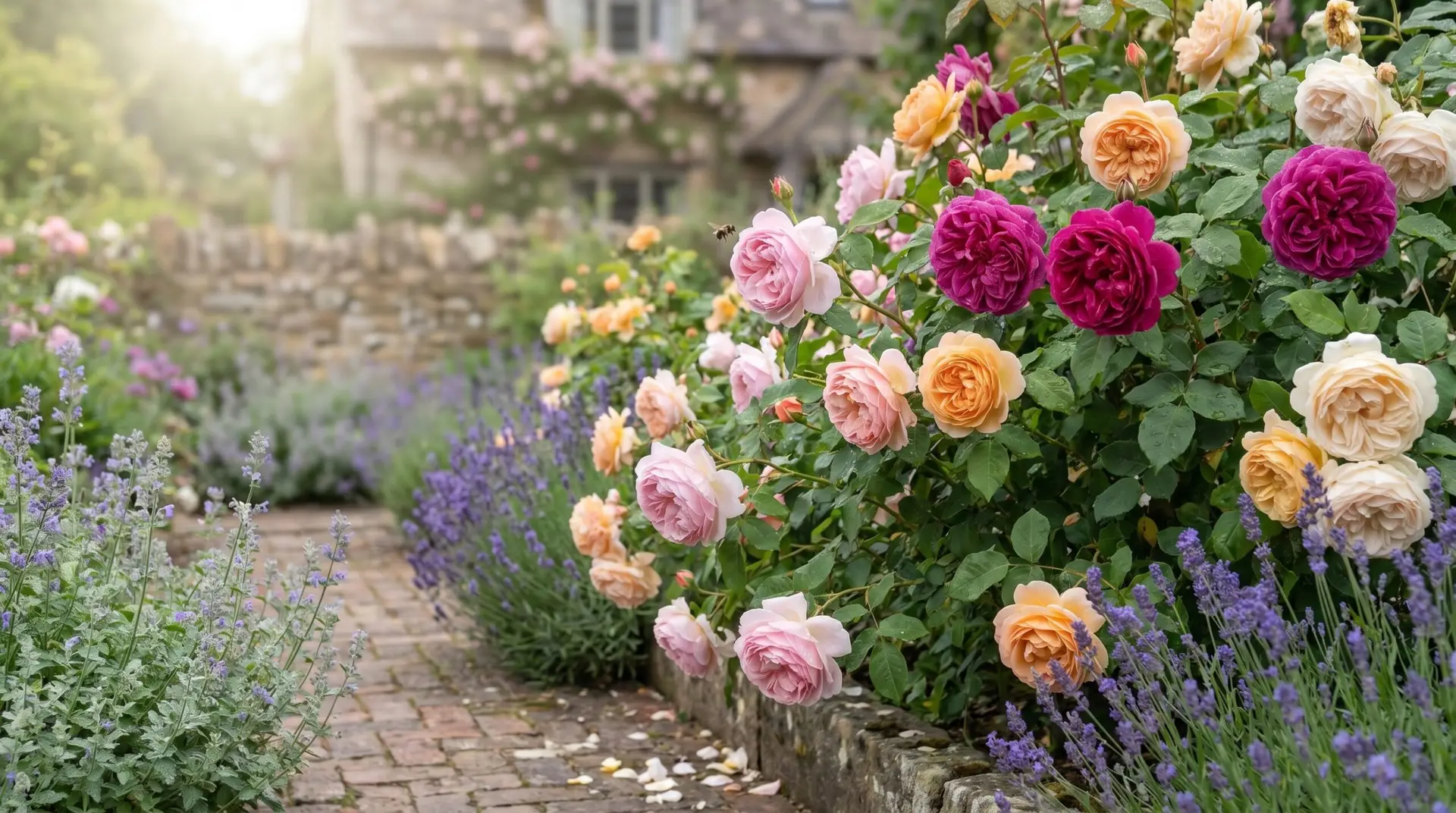
Garden rose plants give a multi-year gift that returns each June. David Austin English roses are particularly popular for birthday gifting because of their fragrance, repeat-blooming character, and visual resemblance to old garden roses while maintaining modern garden performance. Specialty nurseries ship David Austin plants from spring through autumn in temperate climates. Prices typically run from about thirty to seventy-five dollars for a bare-root plant or potted specimen.
Honeysuckle vines as living gifts work for recipients with garden space and trellis or fence supports. Lonicera periclymenum and Lonicera × heckrottii (the more elaborate hybrid form with pink and yellow flowers) are widely available at garden centers from spring through autumn. The vines establish quickly and reach mature size in 2 to 3 years, providing fragrant summer evening color from June through August once established.
Rose perfumes connect to the historical rose-fragrance tradition. Notable rose-centered perfumes include Roses de Chloé (Chloé), Sa Majesté la Rose (Serge Lutens), Lyric Woman (Amouage, based on Damask rose), and Rose 31 (Le Labo). Prices typically run from about eighty to over four hundred dollars depending on size and house.
Rose skincare products draw on the documented Bulgarian Damask rose oil tradition (the world’s largest rose oil production region). Bulgarian rose oil and rosewater products are widely available; high-quality artisan products often come from the Kazanlak region of central Bulgaria where most commercial production is concentrated.
For literary recipients with interest in Persian poetry, a beautiful edition of Khayyam’s Rubaiyat or Sa’di’s Gulistan paired with a single stem rose creates a literate and layered gift. Used and antique bookshops carry FitzGerald-translation Rubaiyat editions at price points from twenty to two hundred dollars; modern paperback editions are widely available at low prices.
A jewelry piece combining rose motif work with pearl (the June birthstone) creates a natural color-and-cultural pairing. The pearl’s cream-white tone harmonizes with most rose colors. Price tiers range from about thirty dollars for simple pearl studs through to several thousand dollars for fine pieces with elaborate rose motif work.
Frequently asked
What is June’s birth flower?
Rose as the primary and honeysuckle as the secondary. Rose is the genus Rosa with approximately 150 species and thousands of cultivars. Honeysuckle is the genus Lonicera with about 180 species, with Lonicera periclymenum (the common European honeysuckle) being the species most associated with the June birth flower tradition.
Why is rose June’s birth flower?
Rose has its peak bloom in June across temperate climates, both for once-blooming old garden roses (a single magnificent flush in June) and for modern repeat-blooming roses (the strongest flush of the year typically in June). The flower also has the deepest documented cultural history of any species in the world, with Persian poetry, Roman cultivation, Christian Marian symbolism, Tudor English political iconography, and modern global cut-flower trade all contributing to its central position. Victorian flower writers naturally chose rose for June given this combination of seasonal availability and cultural depth.
What does the June rose mean?
Love in its many forms, with specific meaning shifting by color. Red rose reads as passionate romantic love. Pink rose reads as gentle love and gratitude. Yellow rose reads as friendship and joy. White rose reads as purity and new beginnings. The basic reading is love and the relational dimension of human experience.
What is Persian rose poetry?
A documented body of Persian classical literature from the eleventh through fifteenth centuries that uses rose as a central poetic image. Four poets are most associated with the tradition: Omar Khayyam (Rubaiyat, eleventh century, rose as memento mori), Rumi (Masnavi, thirteenth century, rose as soul opening to divine love), Sa’di (Gulistan or Rose Garden, completed 1258, structured as moral tales in a metaphorical rose garden), and Hafez (Divan, fourteenth century, rose paired with nightingale in over two hundred ghazals). The Persian word for rose (gol گل) became the generic word for “flower” in Persian-influenced languages, reflecting rose’s cultural primacy.
Are roses and honeysuckle in the same family?
No. Roses are in the family Rosaceae (along with apple, pear, cherry, strawberry, and other related species). Honeysuckle is in the family Caprifoliaceae (along with viburnum, weigela, and snowberry). The two are not closely related botanically; they share only the broader status as flowering plants. The pairing as June birth flowers reflects shared bloom timing and Victorian-era cultural conventions rather than botanical kinship.
What does the yellow rose really mean?
Friendship and joy in the modern dominant reading. Some Victorian sources also assigned “jealousy” to yellow rose, but the modern usage skips this reading entirely. A yellow rose gift reads as friendship; sending yellow roses to a romantic partner does not signal jealousy in any modern context. The Victorian jealousy reading was always a minority assignment and has effectively disappeared from contemporary floriography.
Why is honeysuckle June’s secondary birth flower?
Honeysuckle blooms abundantly in June across temperate climates with its peak fragrance occurring on warm summer evenings. The climbing-vine character gave Victorian flower writers the metaphor of “bonds of love” and intertwined affection that fit naturally as the relational secondary flower paired with the romantic primary rose. The combination treats June as the month for love expressed both passionately (rose) and steadily (honeysuckle).
What birthstone goes with June’s birth flower?
Pearl. The cream-white tone of pearl harmonizes naturally with most rose colors (red, pink, white, peach, lavender), creating coherent color pairings for June-themed jewelry. Pearl was traditionally associated with June through both Western birthstone tradition (formalized 1912) and older folk associations.
Can you eat rose petals?
Yes, rose petals from species roses and most cultivated roses are edible and have been used in cuisine across multiple cultures for centuries. Common uses include rose-petal jam (Middle Eastern tradition), rose syrup (Persian and Indian cuisine), rosewater (cooking and confectionery), and crystallized rose petals (European confection tradition). Use only roses you have grown yourself or have identified with certainty as unsprayed, since commercial florist roses are typically treated with chemicals not safe for consumption.
What is the difference between English rose and hybrid tea?
Both are modern rose categories. Hybrid teas (developed from 1867 onward) have one large bloom per stem on long stems, suited to cut-flower trade. English roses (developed by David Austin from the 1960s onward) combine the form and fragrance of old garden roses with the repeat-blooming character of modern roses. English roses typically have more petals per bloom, stronger fragrance, and a more “old-fashioned” appearance than hybrid teas, but bloom continuously through summer like modern roses.
Sources
- Rose (Rosa) · Encyclopedia Britannica
- Rose growing guide · Royal Horticultural Society
About this article. > Written and reviewed by the Your Flowers Guide editorial team. Botanical content from Britannica and the Royal Horticultural Society. Persian rose poetry references from standard scholarly translations: Edward FitzGerald’s Rubaiyat (1859), Edward Rehatsek’s Gulistan (1888), A.J. Arberry’s Hafez translations (1947 and others), and Reynold Nicholson’s Masnavi translation (1924-1940).