Contents
Agapanthus
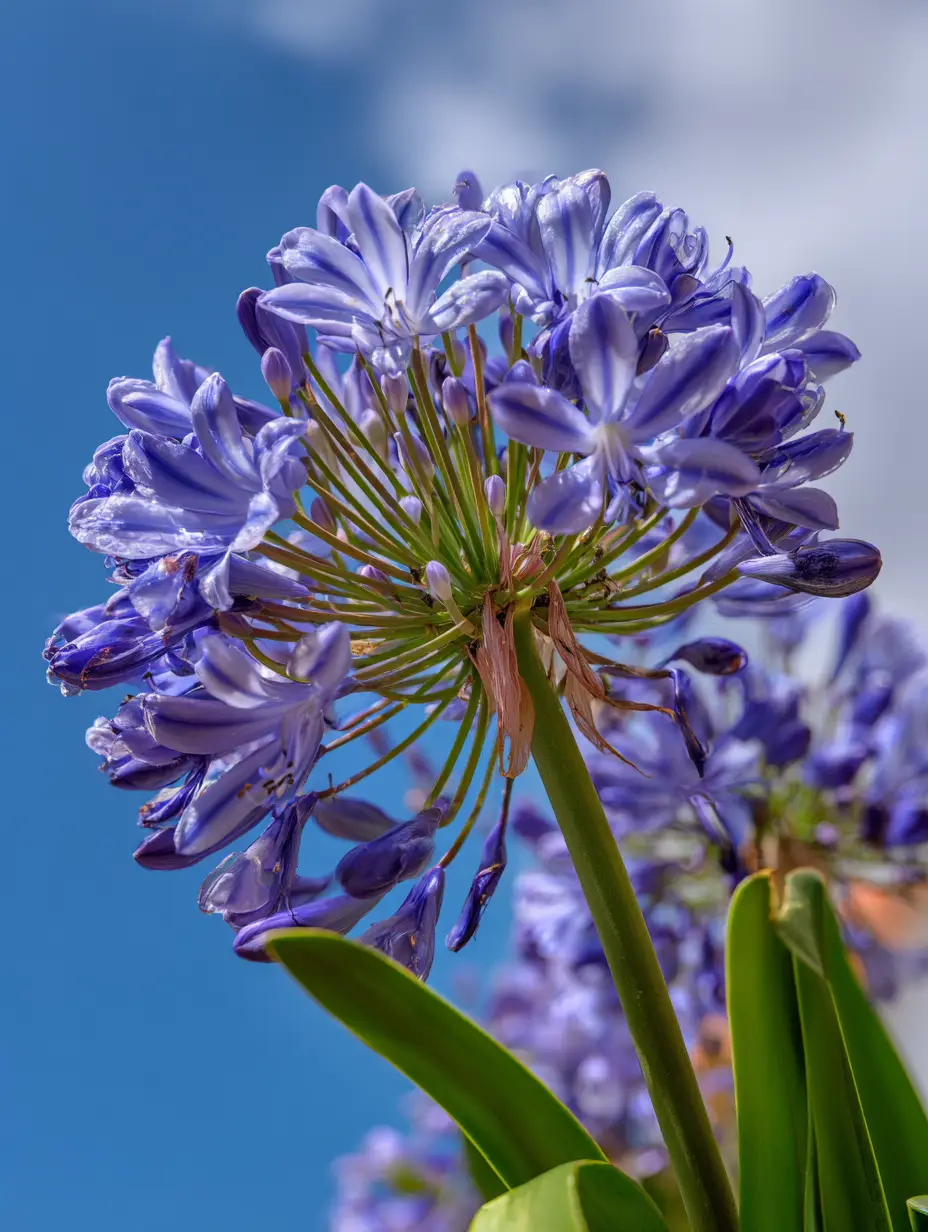
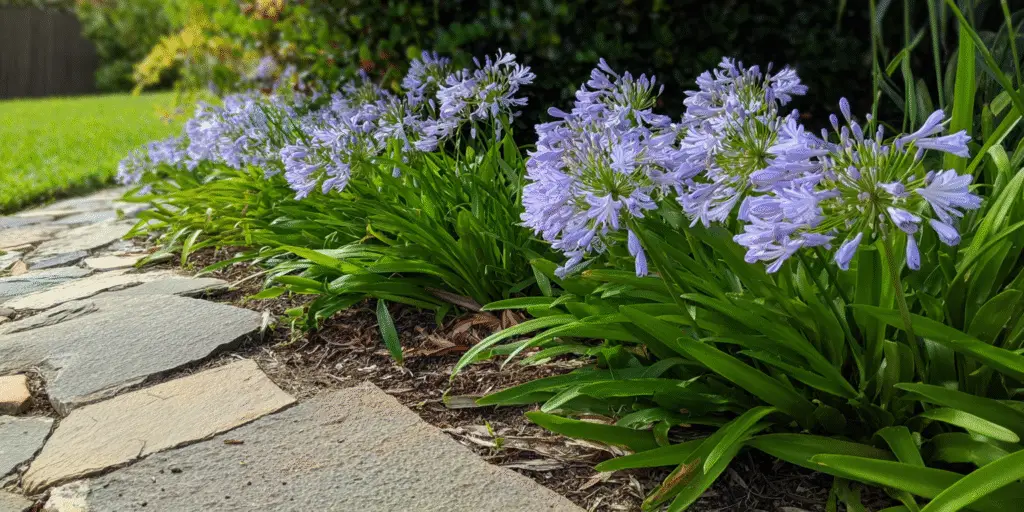
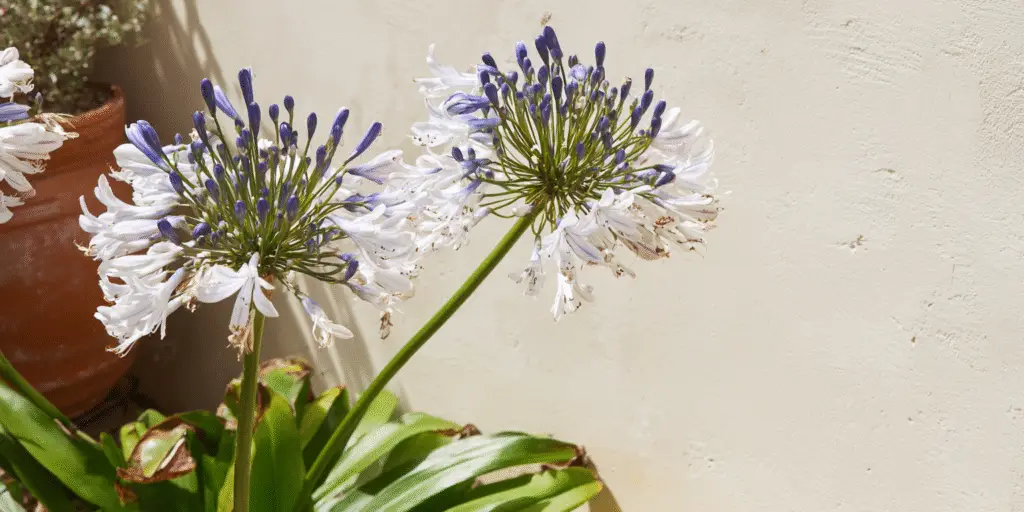
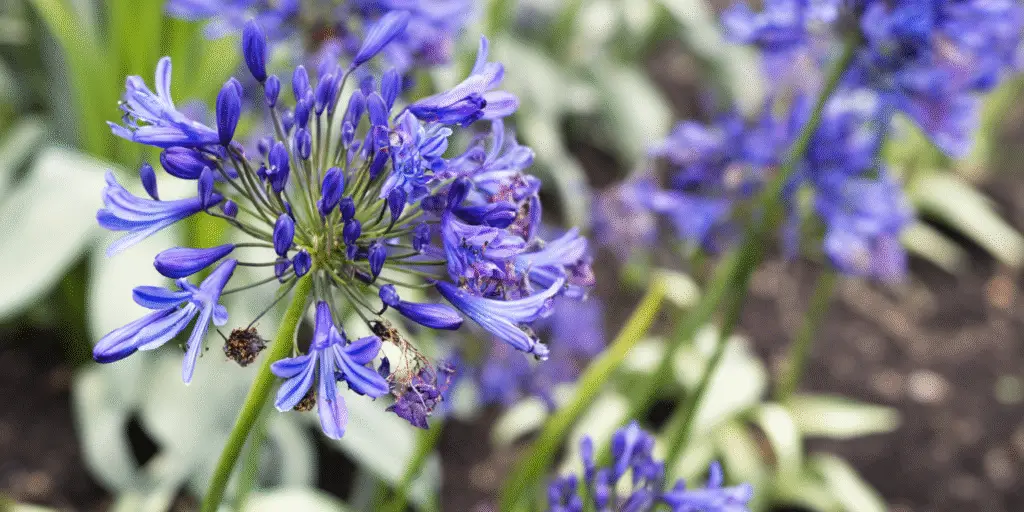
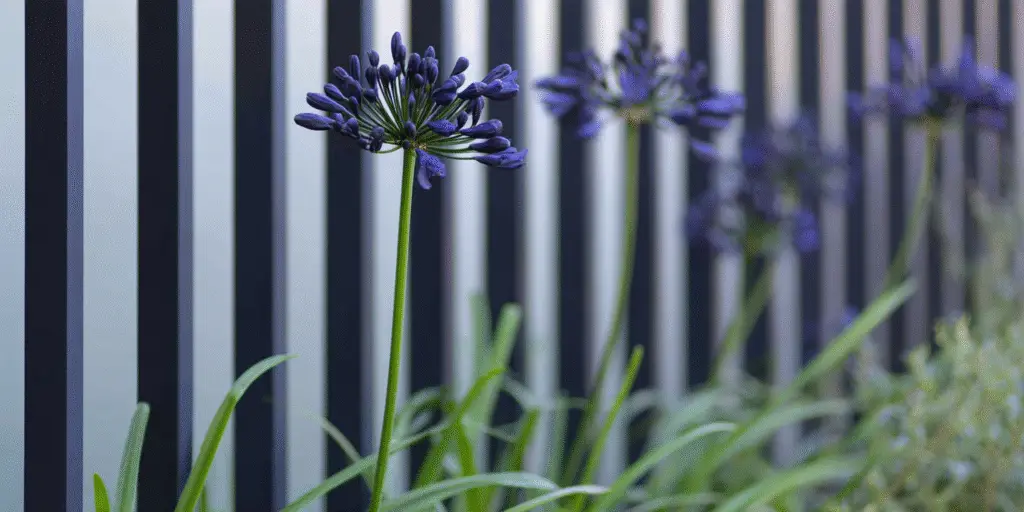
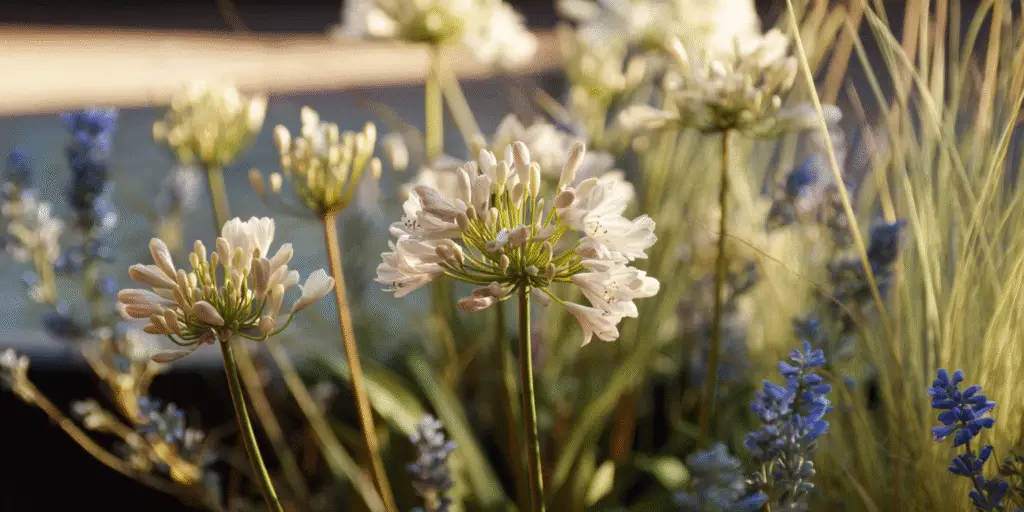
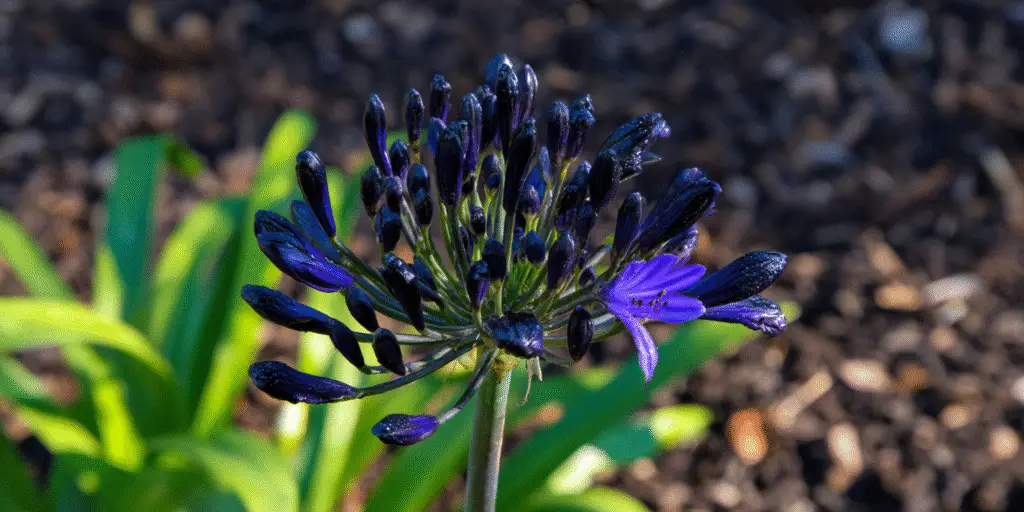
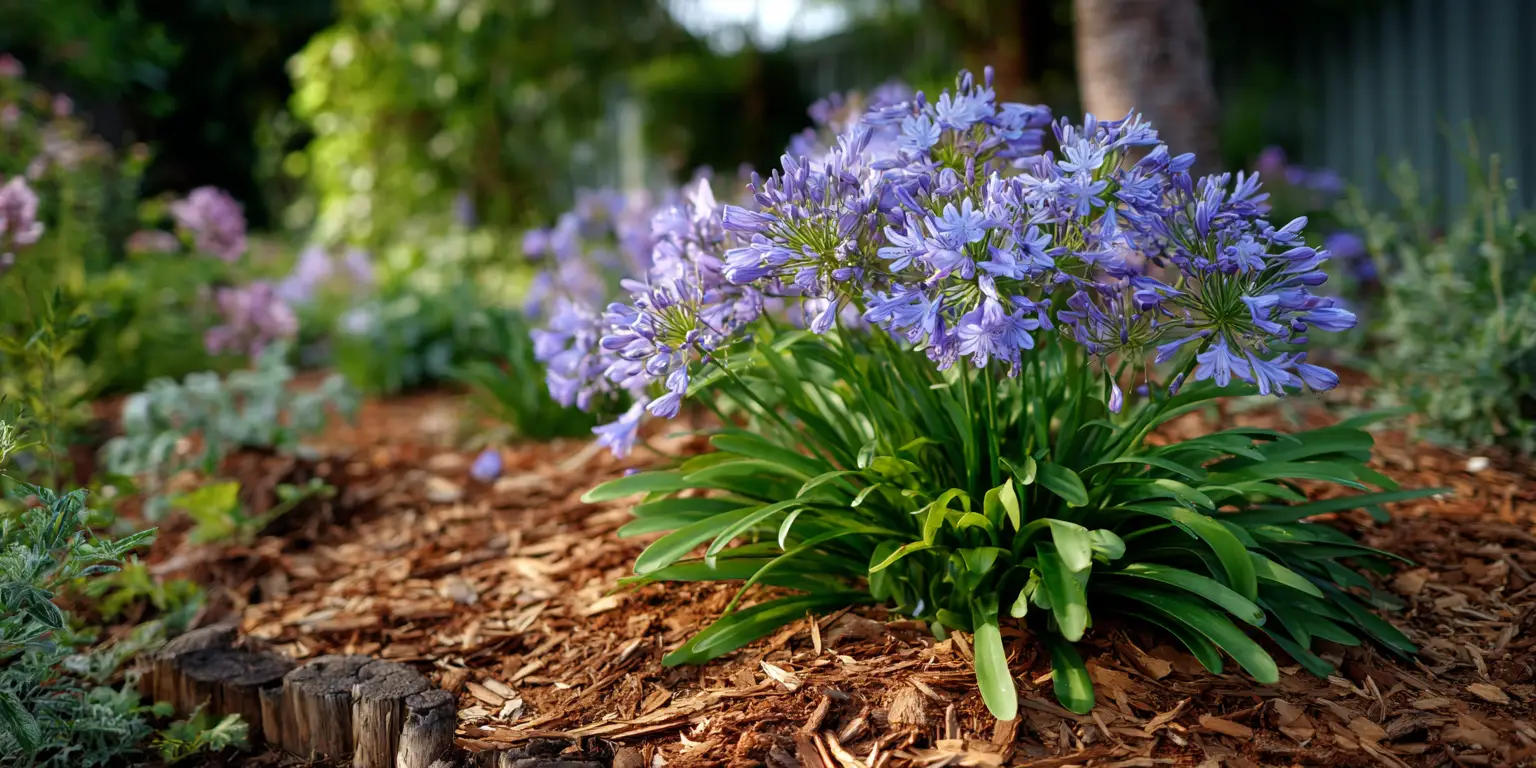
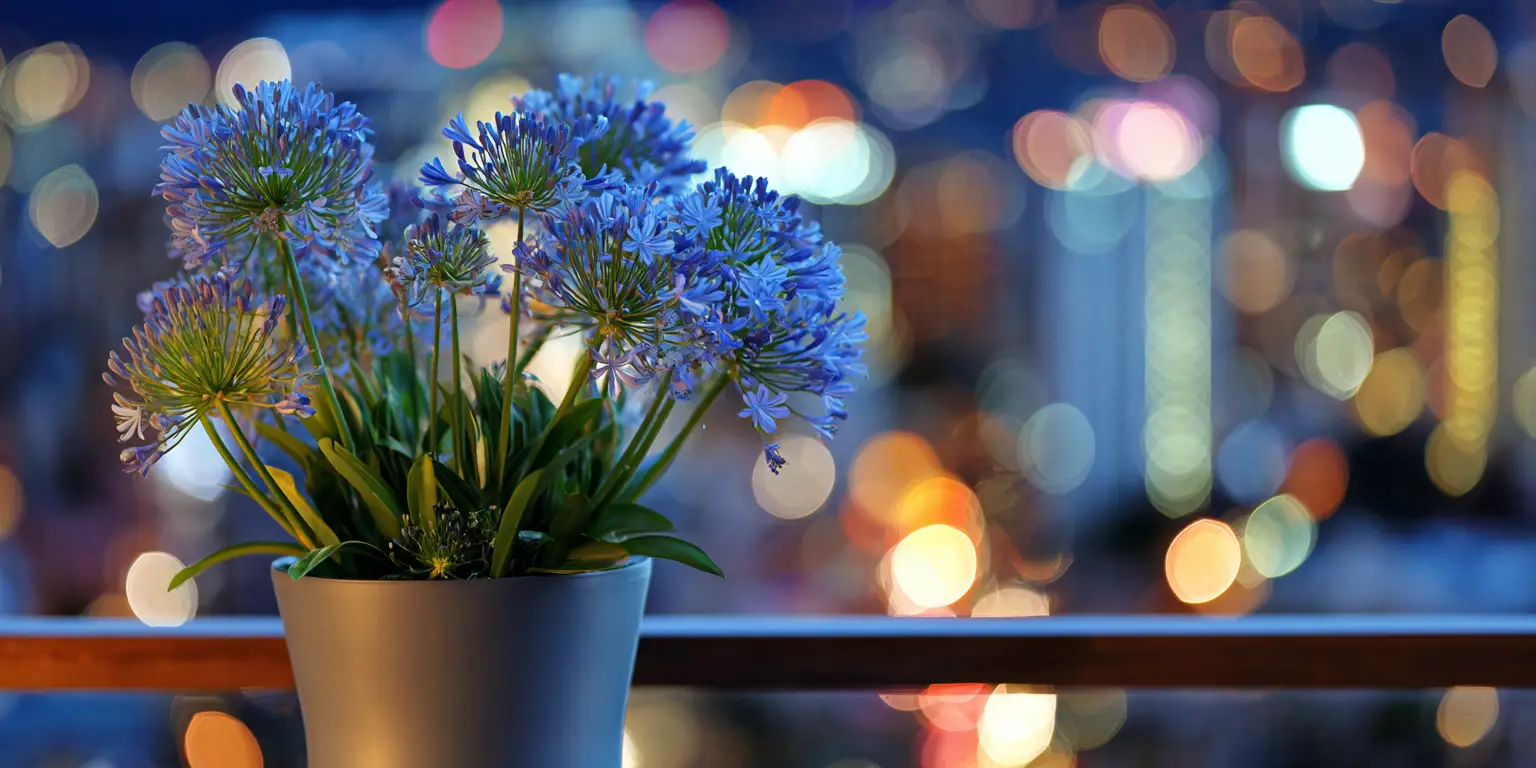
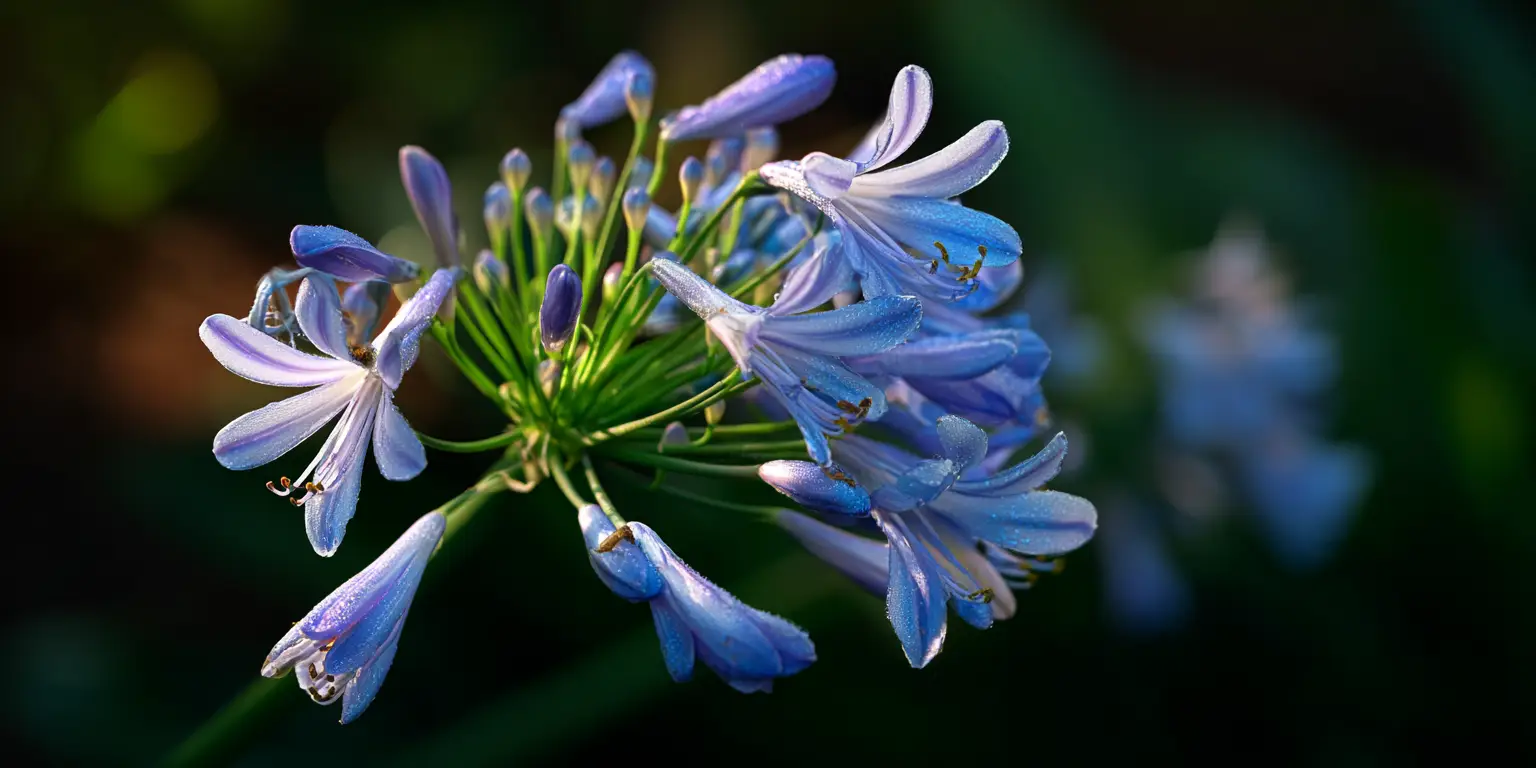
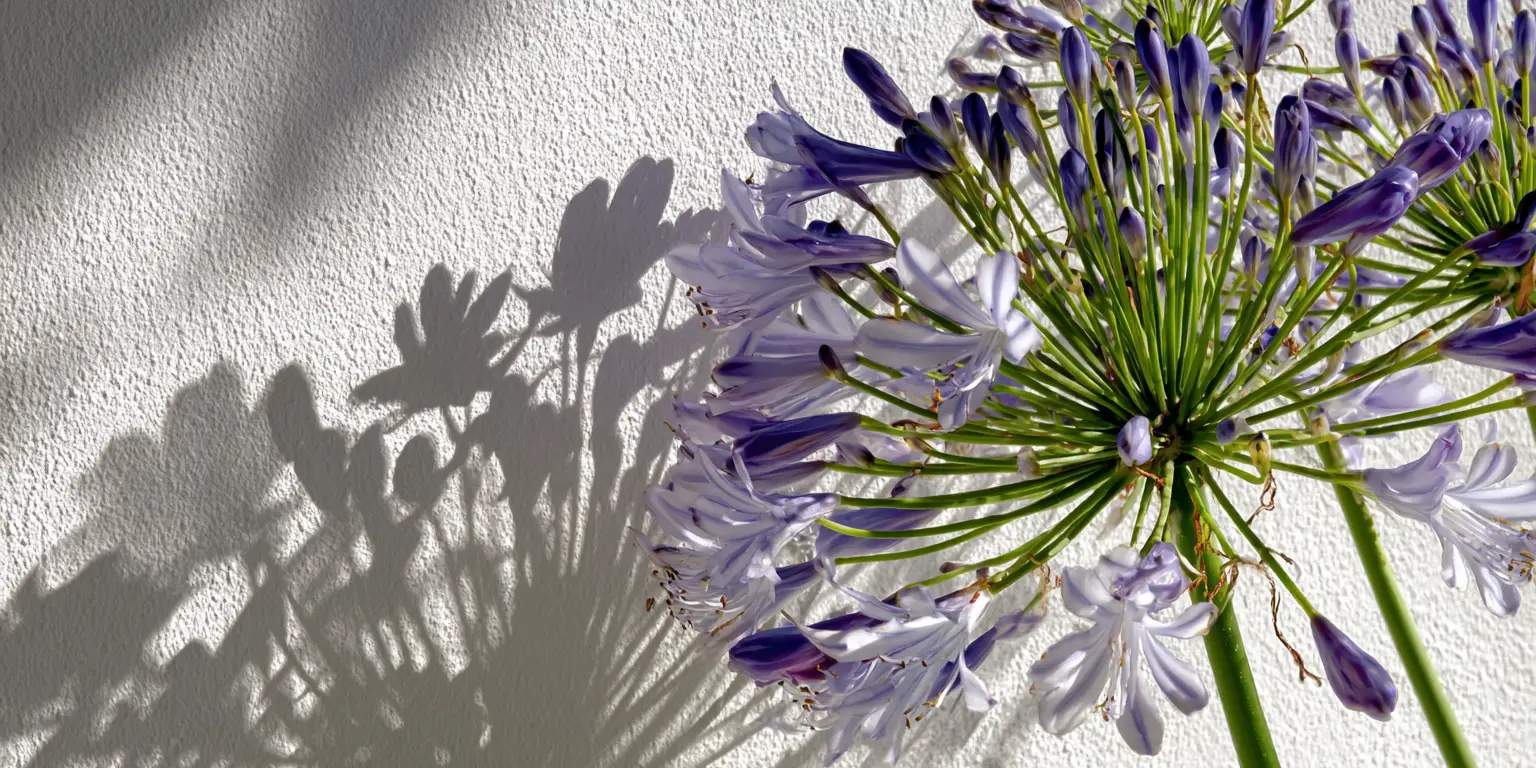
Agapanthus, often called the African lily or lily of the Nile, is a herbaceous perennial known for cool-toned flower clusters and clean, upright lines. It grows as a clump of strap-like leaves, then sends up sturdy stems topped with round heads of trumpet-shaped blooms in blue, purple, or white. In summer beds or pots, an Agapanthus Flower reads as an easy focal point, especially when planted in groups. Native to South Africa’s Cape region, agapanthus fits best in warm, Mediterranean-style climates. It works in borders, containers, and mass plantings, and the flower spheres hold their shape and color for weeks.
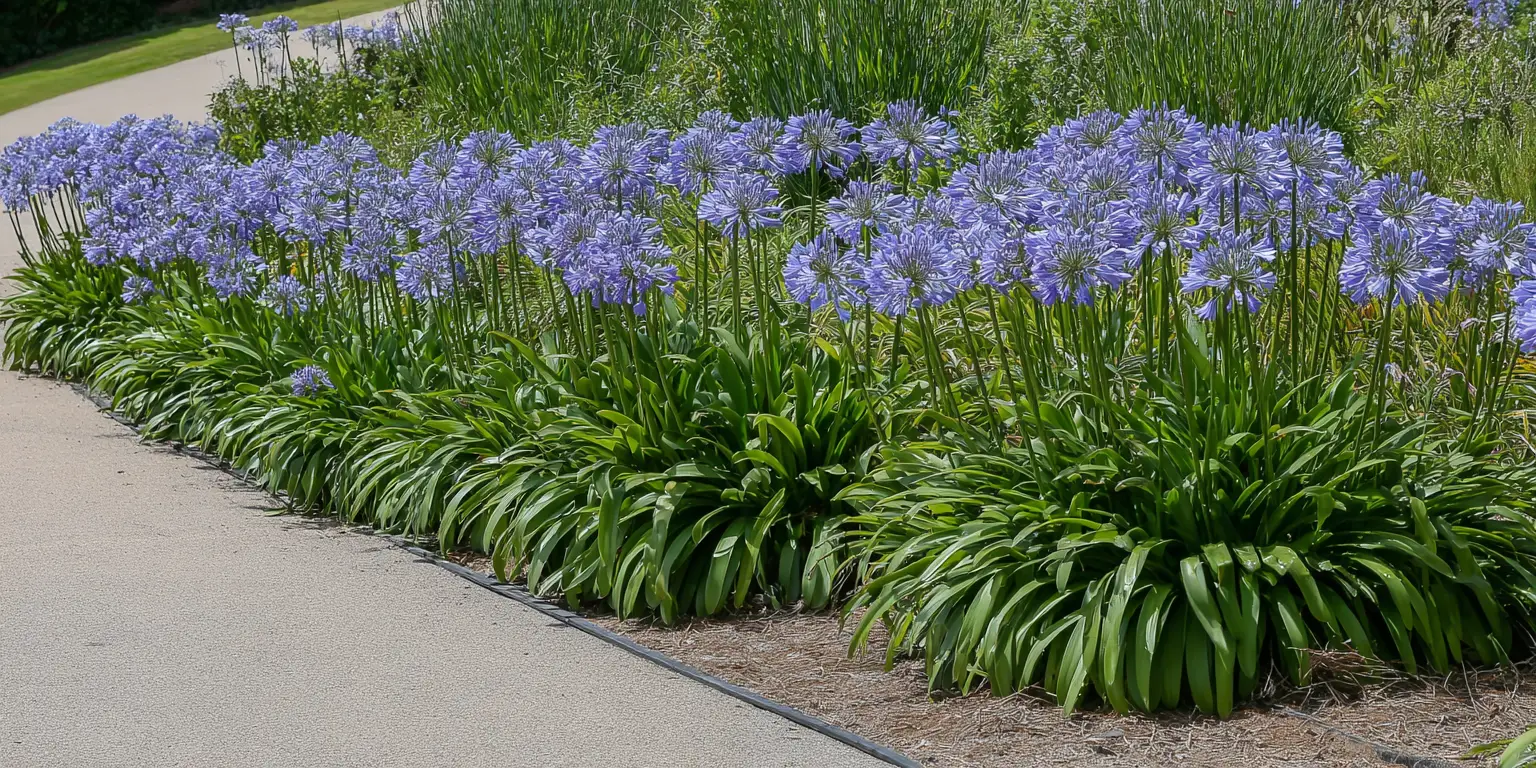
A clear, step-by-step guide to soil, planting, watering, feeding, pruning, and winter care. Includes zone timing, container tips, companions, and quick fixes for common problems.

Bouquet Ideas
Explore simple, beautiful bouquet ideas for the home, gifts, and special occasions from romantic mixes to clean, minimal styles. Each idea includes suggested flower combinations, color palettes, and sizes, with photos for quick inspiration.
🌱 Taxonomy and origin
Agapanthus sits in the amaryllis family (Amaryllidaceae) and forms its own subfamily, Agapanthoideae. Older references placed it with lilies or onions, but modern classification keeps it separate because its traits do not fit neatly in either group. The genus name Agapanthus comes from Greek for “love flower”. All species are native to southern Africa, where they grow on rocky slopes and open grasslands. Agapanthus reached Europe in the 1600s and quickly became a garden plant. Many selections sold today are hybrids derived from a small group of South African species. You will see evergreen and deciduous types: evergreens such as Agapanthus africanus keep foliage in mild winters, while deciduous plants like Agapanthus campanulatus die back in winter and return in spring.
🌸 Bloom time
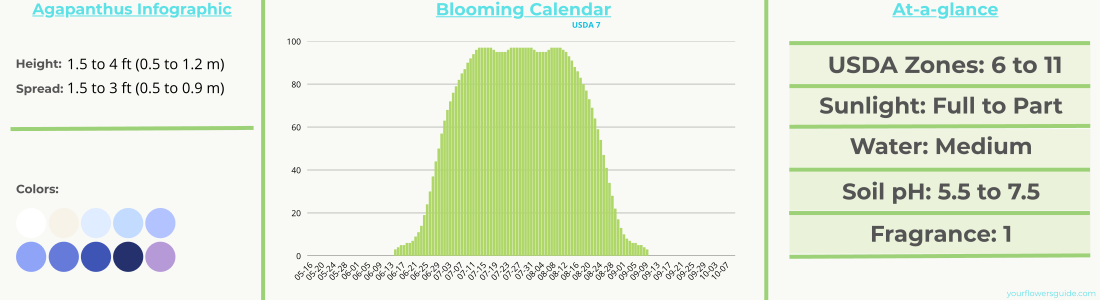
Most agapanthus bloom in midsummer, with flower heads opening from early to late summer depending on the variety and your climate. In mild-winter regions, some start in late spring and may keep going on and off for longer. Each plant sends up several stems, and each round cluster holds many florets that open over time, so color can last for weeks. Many gardeners like agapanthus for the gap it fills after spring bulbs fade and before fall flowers arrive. Removing spent stalks keeps the plant neat and reduces seed set, but it usually does not trigger a second flush. In frost-free areas, some evergreen types may bloom again lightly later in the season.
📏 Height and spread
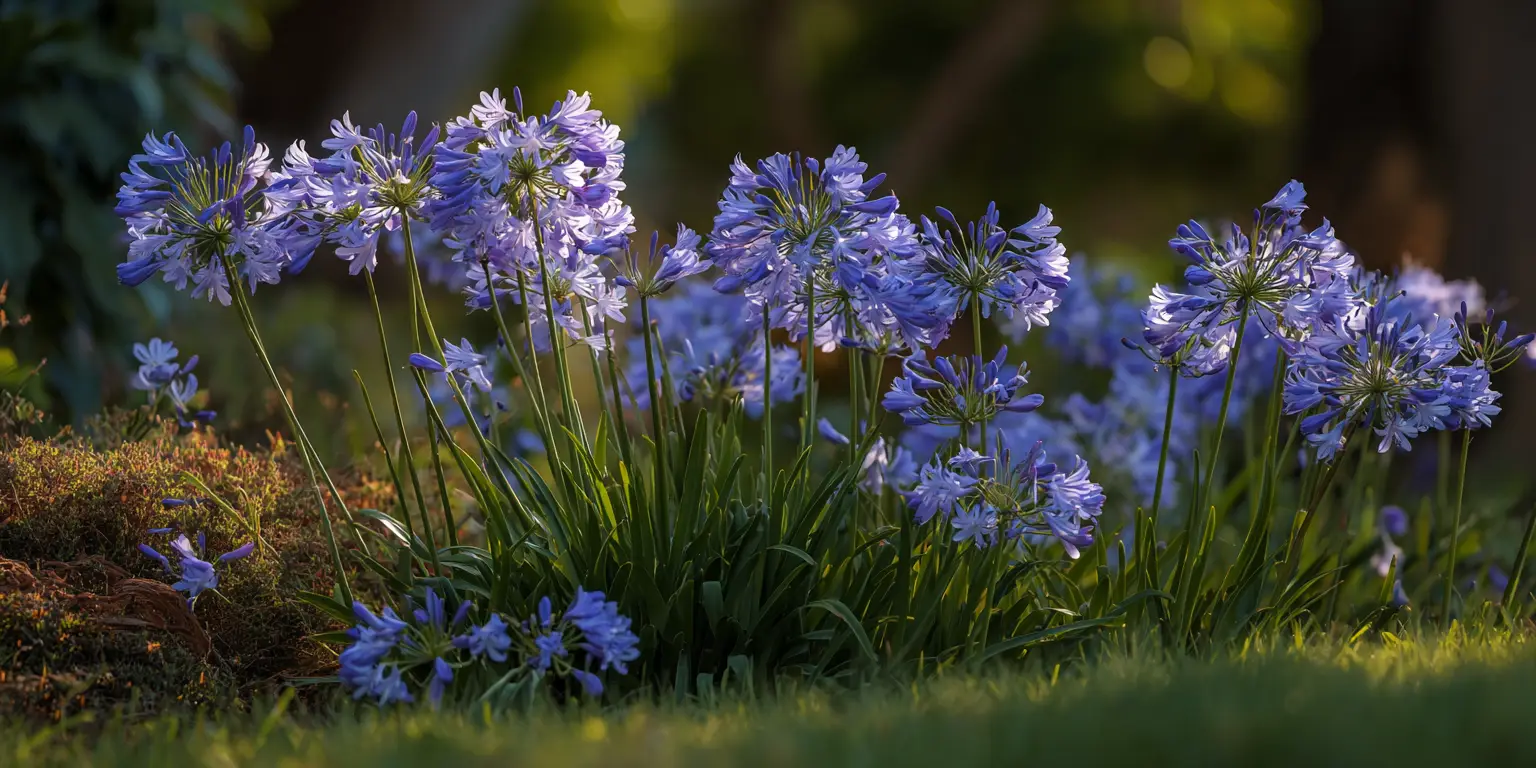
Agapanthus grows as a tidy clump, with arching leaves at the base and flower stalks rising above them. Leaves are often 12 to 24 inches tall (30-60 cm), forming a mound of green. Flower stems commonly reach 2 to 4 feet (60-120 cm), though dwarf cultivars such as “Peter Pan” stay closer to 1 foot tall, and tall selections can reach 5 to 6 feet (over 1.5 m). The plant widens slowly from the crown, not by runners, so it stays where you put it. A mature clump may reach 2 to 3 feet (60-90 cm) across after several years. For borders or mass plantings, spacing plants about 18 to 24 inches apart gives them room to fill in without crowding neighbors.
☀️ Light
Agapanthus blooms best in full sun, ideally 6 to 8 hours of direct light a day. In very hot climates, a little light shade in late afternoon can help prevent leaf scorch, but too much shade usually means fewer flowers. In partial shade, you may get healthy foliage with sparse bloom. If you are growing in containers, set the pot where it gets the most sun, such as a south- or west-facing patio. Indoors, the plant needs very bright light to keep growing, which is why most people treat it as an outdoor plant for the warm season.
💧 Water
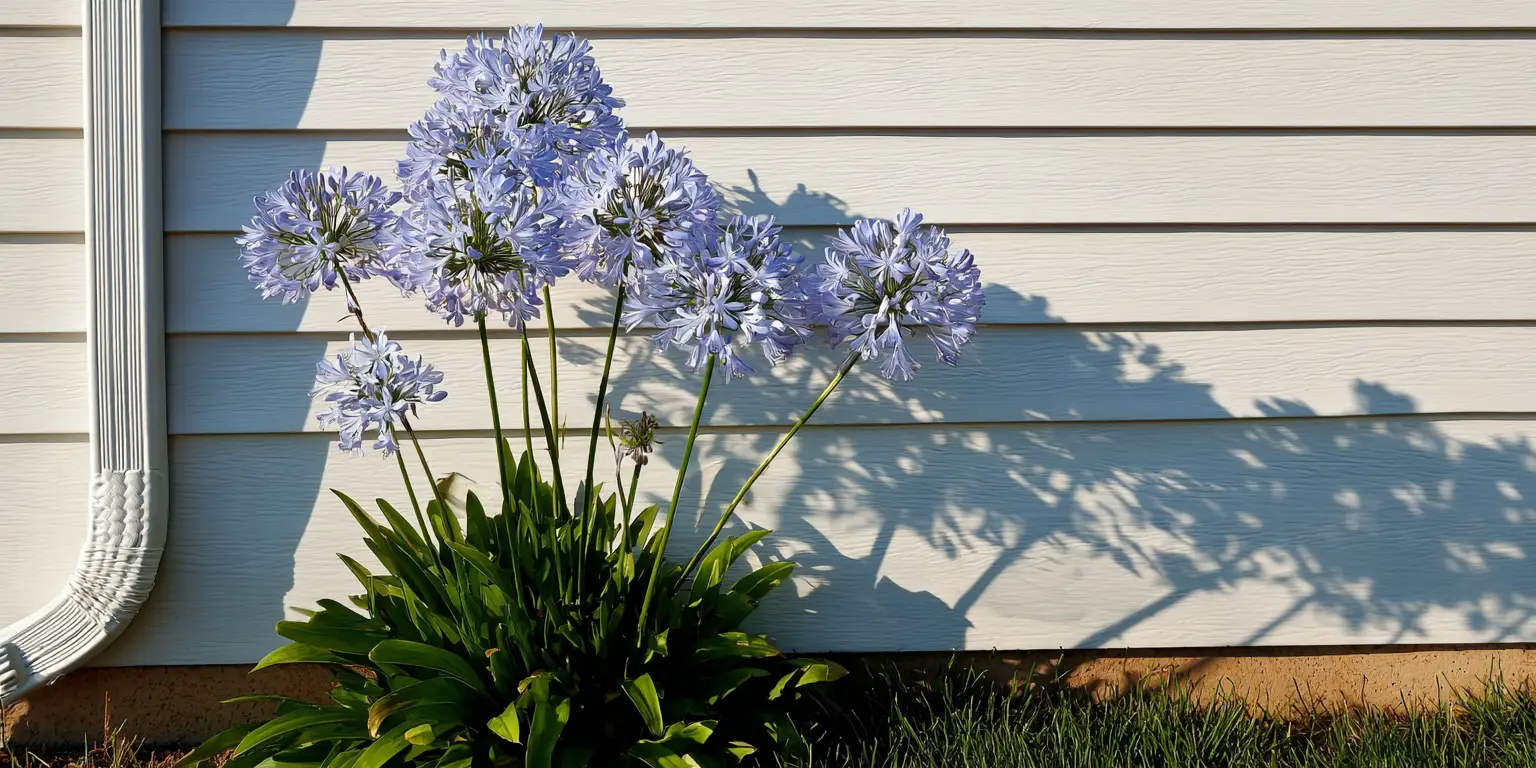
Agapanthus likes even moisture during active growth, but it does not like sitting in soggy soil. In spring and summer, water when the top inch or two of soil dries, then soak thoroughly so moisture reaches the roots. Once established, it handles short dry spells, but long drought can cut flowering. Overwatering and poor drainage are bigger problems and can lead to rot. A light mulch can help soil stay evenly damp in summer; keep mulch off the crown. In winter, water less, especially for deciduous plants that have died back. For pots, water until it drains from the bottom, then let the mix dry slightly before watering again.
🌍 Soil and pH
Use well-draining soil with moderate fertility. In beds, loam with compost works well; heavy clay needs organic matter or grit to improve drainage, or consider a raised bed. Drainage matters more than rich soil because the fleshy roots can rot if water stands. Agapanthus tolerates a range of pH, roughly neutral to slightly acidic (around pH 6.0 to 7.0), and most gardens do not need special adjustments. Flower color does not change with pH the way bigleaf hydrangea can. Slightly alkaline soil is usually fine if drainage is good, but very high pH can lead to nutrient problems.
❄️ USDA hardiness
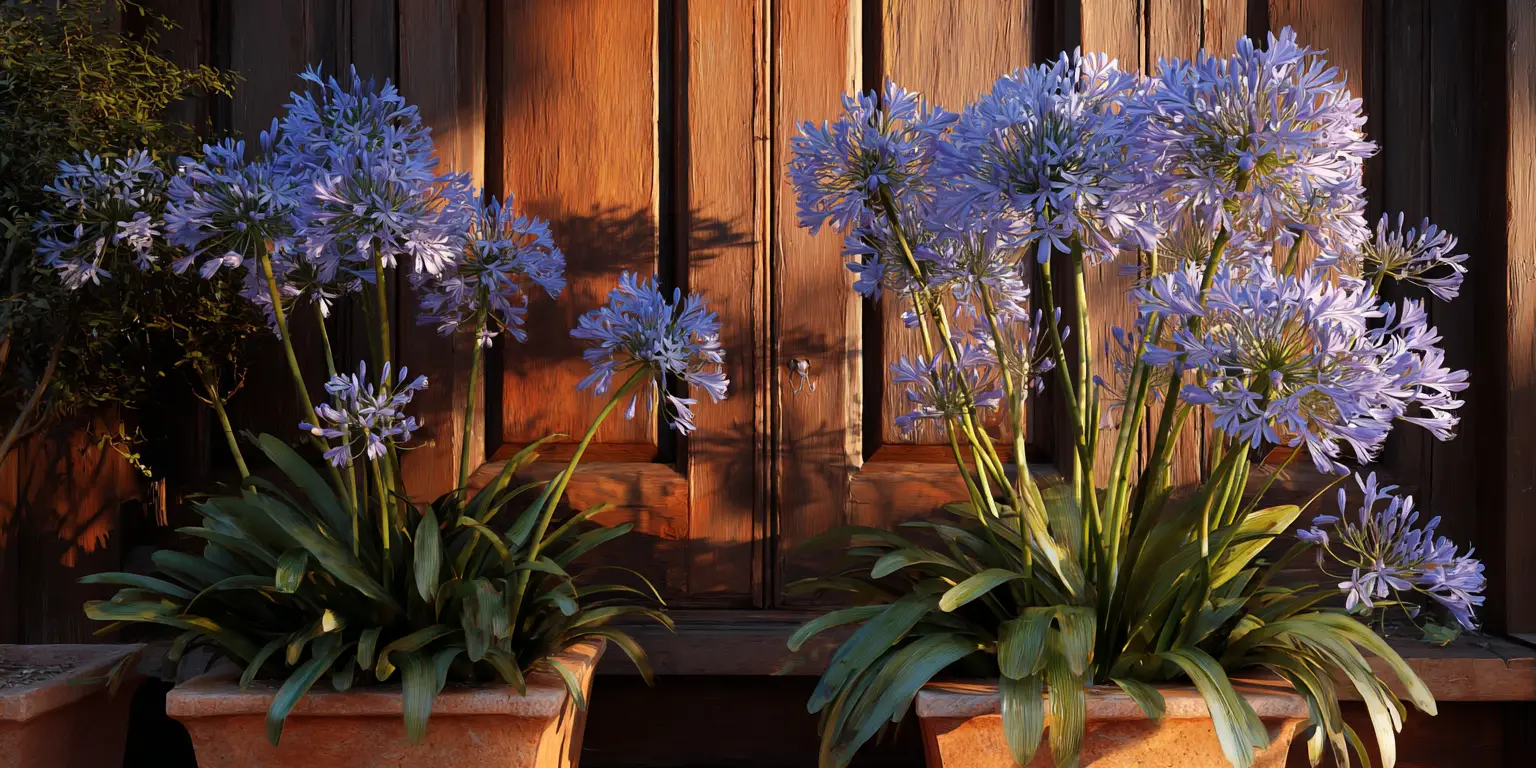
Hardiness depends on type and cultivar, but agapanthus is generally a warm-climate perennial. Many evergreen varieties are listed for USDA Zones 8-11. Some deciduous hybrids handle Zone 7, and a few can get through Zone 6 with strong winter protection. Where winters regularly drop below about 10°F (-12°C), it is safest to grow agapanthus in containers and move them to a sheltered place for winter. In marginal areas, mulch over the crown in late fall can help. Cold-climate gardeners often overwinter pots in a garage, basement, or greenhouse; deciduous types can rest cool and mostly dry, while evergreen types do better with some light and very sparing water.
🌼 Propagation and longevity
Agapanthus is propagated by seed or by dividing established clumps. Seed is simple but slow: germination can take several weeks to a few months, and seedlings often need a few years before they bloom. Seeds from hybrids may not match the parent plant. For quicker, predictable results, most gardeners divide clumps. When a plant becomes crowded, usually every few years, lift and split it after flowering or in early fall (spring works too). Replant divisions at the same depth and expect a short pause before full flowering returns. In suitable climates, agapanthus is long-lived, and clumps can stay in place for decades, often producing more stems as they mature.
👃 Fragrance
Agapanthus flowers have little to no fragrance. Up close, you might catch a faint sweet note, but most people grow it for the shape and color rather than scent. Pollinators still visit for nectar, and the blooms work well in arrangements when you want height without perfume. If you are building a fragrant garden, pair agapanthus with plants that carry scent, such as lavender or roses.
⚠️ Toxicity and pet safety
Agapanthus sap can irritate skin in some people, so gloves are a good idea when cutting or dividing the plant. If eaten, the plant can cause mild stomach upset. Dogs and cats that chew it may drool or vomit, although most pets avoid it because it tastes bitter. Serious poisoning is uncommon, but it is still best to keep the plant out of reach of pets and small children. If a pet eats a noticeable amount or shows symptoms, contact a veterinarian.
🌿 Vase life
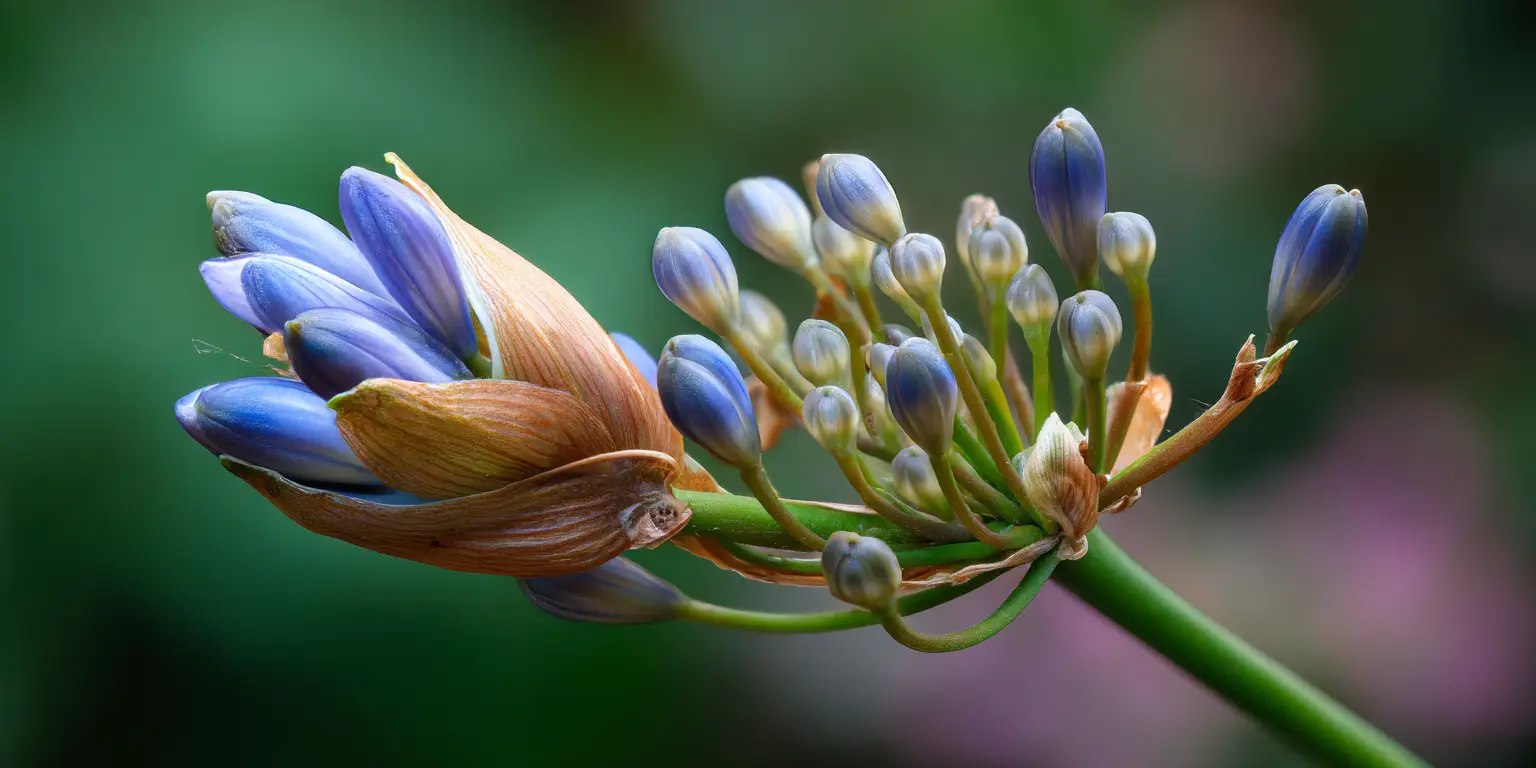
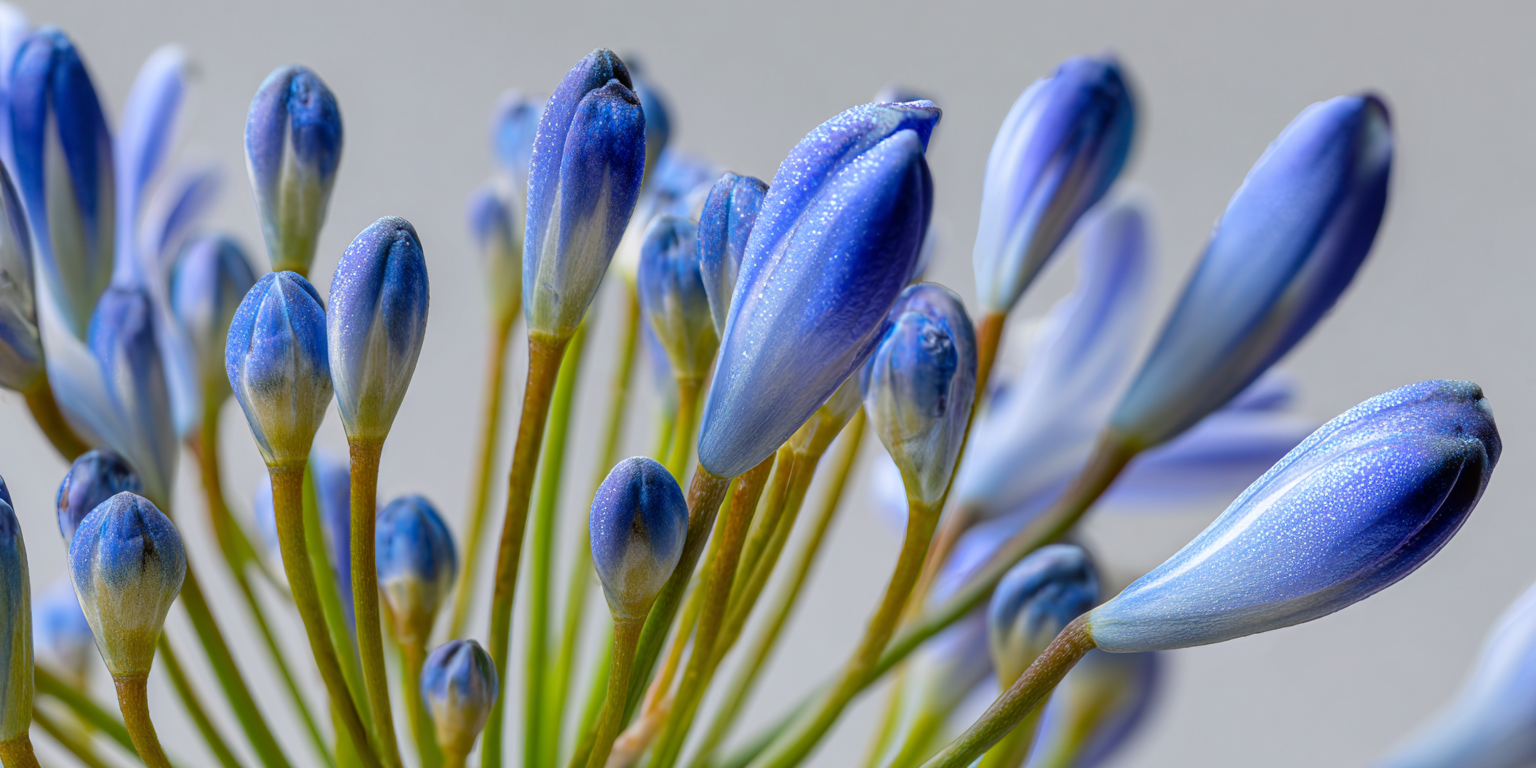
Agapanthus stems hold up well in a vase, and the round flower heads give arrangements height and structure. Cut stems typically look good for about a week, sometimes a bit longer with fresh water and a cool room. Cut in the morning, choose stems with a few florets open and others still in bud, and remove any leaves that would sit below the waterline. Recut the stems before arranging and refresh the water every couple of days. The buds often continue opening in the vase, which helps the display last. The dried seed heads can also be used for texture once the flowers fade.
🐛 Pests and diseases
Agapanthus is fairly tough, but problems show up when plants stay wet and crowded. In humid weather, leaf spots and gray mold can appear, especially on old blooms. Good spacing, airflow, and removing spent stalks help. The biggest risk is root rot in poorly drained soil; yellowing leaves and collapse often trace back to waterlogged conditions. Snails and slugs are the most common pests, chewing ragged holes in leaves. Aphids and thrips turn up occasionally on stems and buds, but serious infestations are uncommon. In some parts of Europe, the agapanthus gall midge can deform buds so they never open; removing affected buds can reduce the cycle. With decent drainage and basic cleanup, most gardeners find agapanthus stays trouble-free.

FAQ
When is the best time to plant agapanthus?
Spring, after the last frost, is the easiest time in most climates. In frost-free areas, early fall also works and gives roots time to settle in before heat returns. If you are dividing an established clump, many gardeners do it just after flowering in late summer or early fall, while the soil is still warm. Try to avoid planting during extreme heat or when the ground is frozen.
Can agapanthus grow in pots or containers?
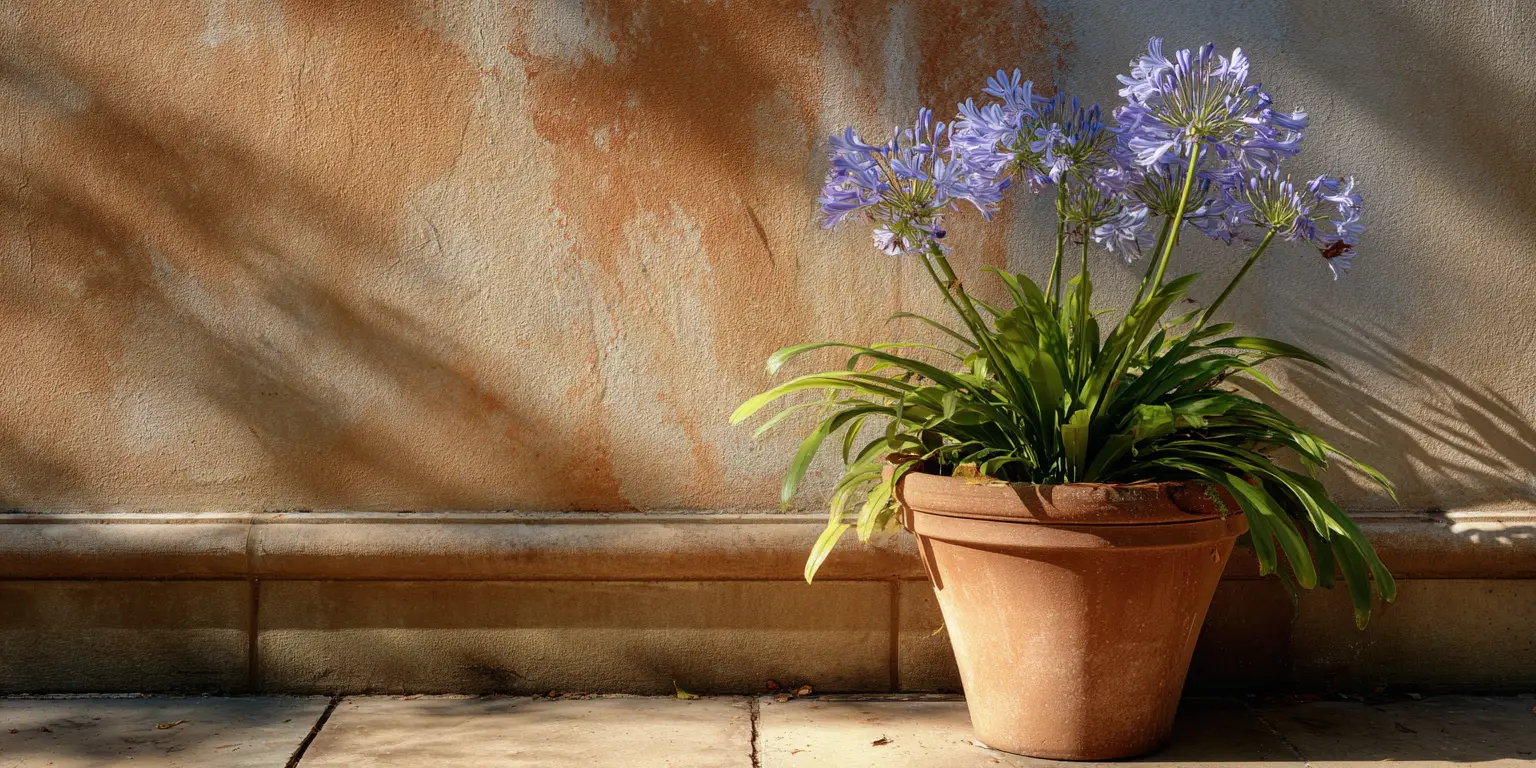
Yes. It adapts well to pots, which is handy in colder areas where you need to move plants for winter. Use a container with drainage holes and a well-draining potting mix. A 12-inch (30 cm) pot is a common starting size for one plant, and agapanthus often blooms well when slightly snug in its pot. Over winter, keep deciduous types cool and mostly dry, and keep evergreen types cool, bright, and lightly watered.
Why is my agapanthus not blooming?
The most common reason is not enough sun; strong light drives flowering. Too much nitrogen can also push leafy growth at the expense of buds. Recently divided or newly planted clumps sometimes skip a season while they re-root. Very old, overcrowded clumps can slow down too, and a division may help. Also check timing: many varieties bloom in midsummer, so early season foliage does not always mean something is wrong.
Do agapanthus come back every year?
In the right climate, yes. In Zones 8-11, and often in Zone 7 for hardier types, the roots survive winter and send up new growth in spring. In colder zones, plants usually need to be overwintered indoors, either in a pot or lifted and stored. With that protection, the same plant can live for many years.
How often should I divide agapanthus plants?
Many gardeners divide every 4 to 6 years, or when a clump gets so dense that flowering drops. Agapanthus usually blooms best when a bit crowded, so there is no rush. Divide after flowering or in early fall, and expect a short pause before full bloom returns. For potted plants, roots pushing hard against the container are a clear sign it is time to repot or divide.
Are agapanthus invasive?
In most gardens it is not invasive because it expands as a clump, not by runners. In warm, frost-free regions, seeds can sprout and the plant may naturalize, which is why it can be flagged in places with ideal conditions. If you want to prevent seedlings, remove spent flower heads before seeds ripen.
What should I do with agapanthus in winter?
Winter care depends on your zone and whether your plant is evergreen or deciduous. In mild areas (Zones 8-11), plants can stay in the ground; deciduous types die back and return, while evergreen types keep foliage. In colder areas, mulch over the crown can help, but in Zones 5 and below it is usually best to overwinter indoors. Bring potted plants into a cool, sheltered place before hard frost. If you lift plants from the ground, store the roots cool, dark, and barely moist, then replant in spring.
Do agapanthus flowers attract wildlife?
Yes, mainly pollinators. Bees visit the nectar, butterflies may stop by, and hummingbirds sometimes feed on the tubular florets where they occur. Deer and rabbits usually leave agapanthus alone because the leaves are tough and sap-filled.
Can I grow agapanthus indoors?
It can be kept indoors, but it needs a lot of light. A sunroom, greenhouse, or very bright south-facing window works best. Most people treat it as a patio plant for spring and summer, then bring it into a cool, bright place for winter. Deciduous types can rest cooler and darker while dormant. Flowering indoors is hit-or-miss unless light levels are close to greenhouse strength.
Interesting tips
- The name Agapanthus comes from Greek for “love flower”. That backstory is one reason it appears in romantic garden themes and wedding work.
- In parts of South Africa, agapanthus appears in traditional herbal lore. These stories vary by region, and the plant is not recommended for self-medication, especially because the sap can irritate.
- The cool blue flowers look good with warm colors. Try it with yellow or orange blooms such as marigolds, daylilies, or zinnias. For a softer palette, mix agapanthus with other blue flowers and silver foliage like lamb’s ear or dusty miller.
- Containers make winter handling easier in cold areas. Many gardeners also notice heavier bloom when the plant is slightly root-bound, so a pot can be a good fit even in mild climates.
- Once established, agapanthus does not ask for much. Overfeeding can reduce bloom, so light feeding is usually enough. The flower stalks are stout and rarely need staking. Removing spent heads is mostly for looks, though it also cuts down on self-seeding.
- Deer and rabbits tend to ignore agapanthus, which helps in wildlife-heavy neighborhoods. The tough leaves and bitter sap make it less appealing than plants like roses or tulips.
- After flowering, the plant forms seed pods that can drop seeds nearby. In warm climates, those seedlings may pop up where you did not plan them. Deadheading before pods mature keeps things tidy and limits spread.
- Cultivar choice matters. Dwarf types such as “Peter Pan” suit edging and small beds, while taller selections like “Bressingham Blue” or “Storm Cloud” read well at the back of a border. If you garden in a colder zone, look for hardy deciduous hybrids, sometimes sold as Headbourne
Related Guides & Flowers
- Bellflower (Campanula)
Elegant bell shaped flowers in shades of blue and purple that echo the rounded umbels of agapanthus in softer, more cottage style borders. - Delphinium elatum
Tall, dramatic spires of blue flowers that pair beautifully with agapanthus in vertical, layered borders for summer displays. - Great Blue Lobelia
A moisture loving blue perennial with upright spikes that offers a more naturalistic, meadow or pond side look next to agapanthus. - Blue Flax
Airy stems and sky blue saucer shaped blooms give a light, floating texture that contrasts nicely with the bold agapanthus clumps. - Cornflowers
Classic intense blue annuals that can fill gaps around agapanthus and reinforce a strong blue color theme in mixed beds. - Love in a Mist (Nigella)
Fine, feathery foliage and hazy blue flowers create a romantic, airy foreground for more architectural agapanthus clumps. - Gentian
Deep, saturated blue trumpet blooms that extend the cool palette and add a more alpine or rock garden note near agapanthus.
References
- Agapanthus – UF/IFAS Gardening Solutions, University of Florida
Short practical overview on planting site, sun exposure, irrigation, and bloom behavior in warm climates. Good for basic care and bloom time. - Agapanthus orientalis – Environmental Horticulture Fact Sheet, University of Florida (PDF)
Extension fact sheet with botanical description, landscape use, cultural requirements, propagation and pest notes. Good for more “technical” citations. - Agapanthus – Wisconsin Horticulture, Division of Extension, University of Wisconsin-Madison
Explains growing agapanthus in containers, indoor overwintering, light and watering needs in colder climates. Useful for USDA zone and container care sections. - Tips and Tricks for Growing Lily of the Nile – Clemson University HGIC
Detailed extension article on soil type, fertilizing, drought tolerance and flowering performance of agapanthus in the southeastern United States. - Agapanthus (African Lily, Lily of the Nile) – NC State Extension Plant Toolbox
Good reference for landscape use, hardiness, propagation, potential invasiveness and basic toxicity caution for people and pets.
Written by: Your Flowers Guide editorial team
We are a small independent group of flower lovers who research and review each guide using trusted horticultural and educational sources. Learn more about us