How to Grow and Care for Anemone Windflowers
Contents
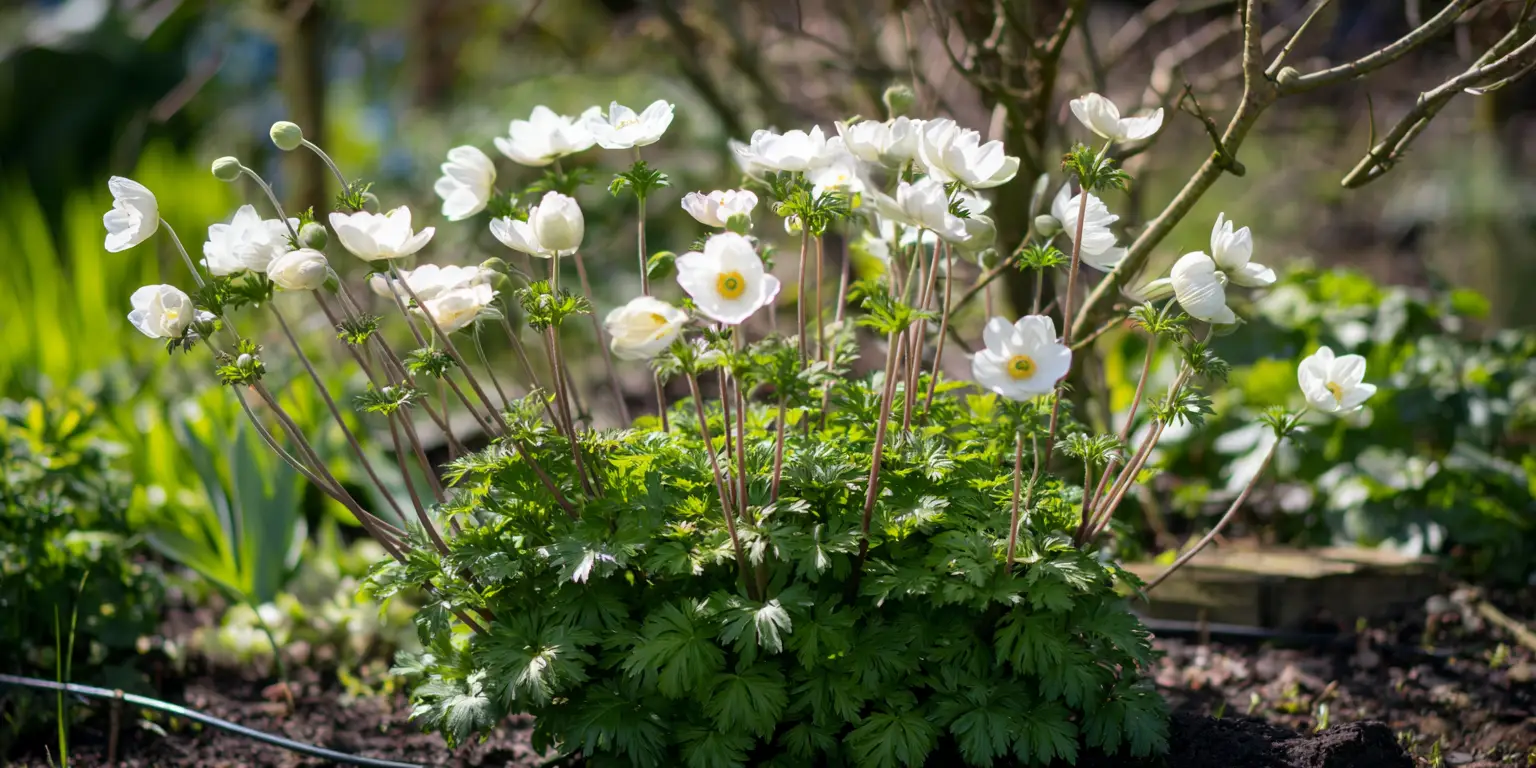
Windflowers are light on their stems and generous with color, opening wide on calm days and closing as clouds pass. In gardens, the name covers several species in the buttercup family Ranunculaceae. The spring ephemerals include Anemone blanda and Anemone nemorosa. Late summer to fall bloomers include the Japanese or hybrid windflowers often listed as Anemone × hybrida or Eriocapitella × hybrida. Florist types grown from clawed tubers are Anemone coronaria. Together they are called windflowers because their petals seem to move with every breeze. Most prefer cool roots, even moisture, and excellent drainage. In warm regions provide morning sun with afternoon shade. In cooler regions full sun to light shade works well. With the right soil structure and regular moisture, Anemone will return reliably and spread in clumps or carpets over time.
Quick snapshot for success: plant in well drained soil rich in organic matter. Keep evenly moist during active growth. Mulch lightly in summer to cool the root zone. Site fall bloomers where they receive morning sun and wind protection. For spring ephemerals let foliage die back at its own pace so the underground organs recharge for next year.
Soil & Bed Preparation
Healthy windflowers start with the soil. These perennials thrive in loose, friable ground that drains well yet holds steady moisture. Aim for a loam or sandy loam amended with compost. Target pH is slightly acidic to neutral, about 6.0 to 7.2. Heavy clay invites crown and root rot. Very coarse sand dries out too fast and starves roots of nutrients. Work in two to three inches of finished compost over the top 8 to 12 inches of soil. If you garden over dense subsoil, a raised bed or mounded border lifts crowns above winter wet and improves aeration.
Spring ephemerals like Anemone blanda and Anemone nemorosa appreciate humus rich soils similar to woodland duff. Fall bloomers such as Anemone × hybrida prefer fertile loam with consistent moisture during summer. Florist Anemone coronaria will rot if planted in dense or soggy soil. Blend a mineral component such as sharp sand or screened grit with compost to create a porous mix for tubers.
Drainage Test and pH Targets: Dig a test hole 12 inches deep and 12 inches wide. Fill with water and allow it to drain. Refill and time the second drain. Ideal soils empty within 1 to 2 hours. If water stands longer than 4 hours, plant in a raised bed that is 8 to 12 inches tall or amend heavily with coarse mineral material and organic matter. For pH, use a home test kit or send a sample to your state Cooperative Extension soil lab. If pH is below 6.0, incorporate finely ground limestone following the lab rate. If pH is above 7.2, work in elemental sulfur or peat moss as advised by the lab. Retest in 12 to 18 months to confirm progress.
Raised beds versus in ground: Raised beds provide control over texture and drainage. They warm earlier in spring and shed winter wet. In ground beds suit established gardens with moderate to light soils. In humid climates where summer rains are frequent, a slight mound for fall anemones helps keep crowns dry. In arid regions, in ground planting moderates soil temperature and slows evaporation.
Bulb, tuber, rhizome, or crown. Anemone blanda and Anemone coronaria are planted from dried tubers. Anemone nemorosa spreads by slender rhizomes. Fall anemones are fibrous rooted clump forming perennials sold bare root or container grown. Tubers need extra aeration. Blend perlite or grit into planting zones so air reaches the tuber surface and new roots can colonize quickly.
Planting Calendar by USDA Zone
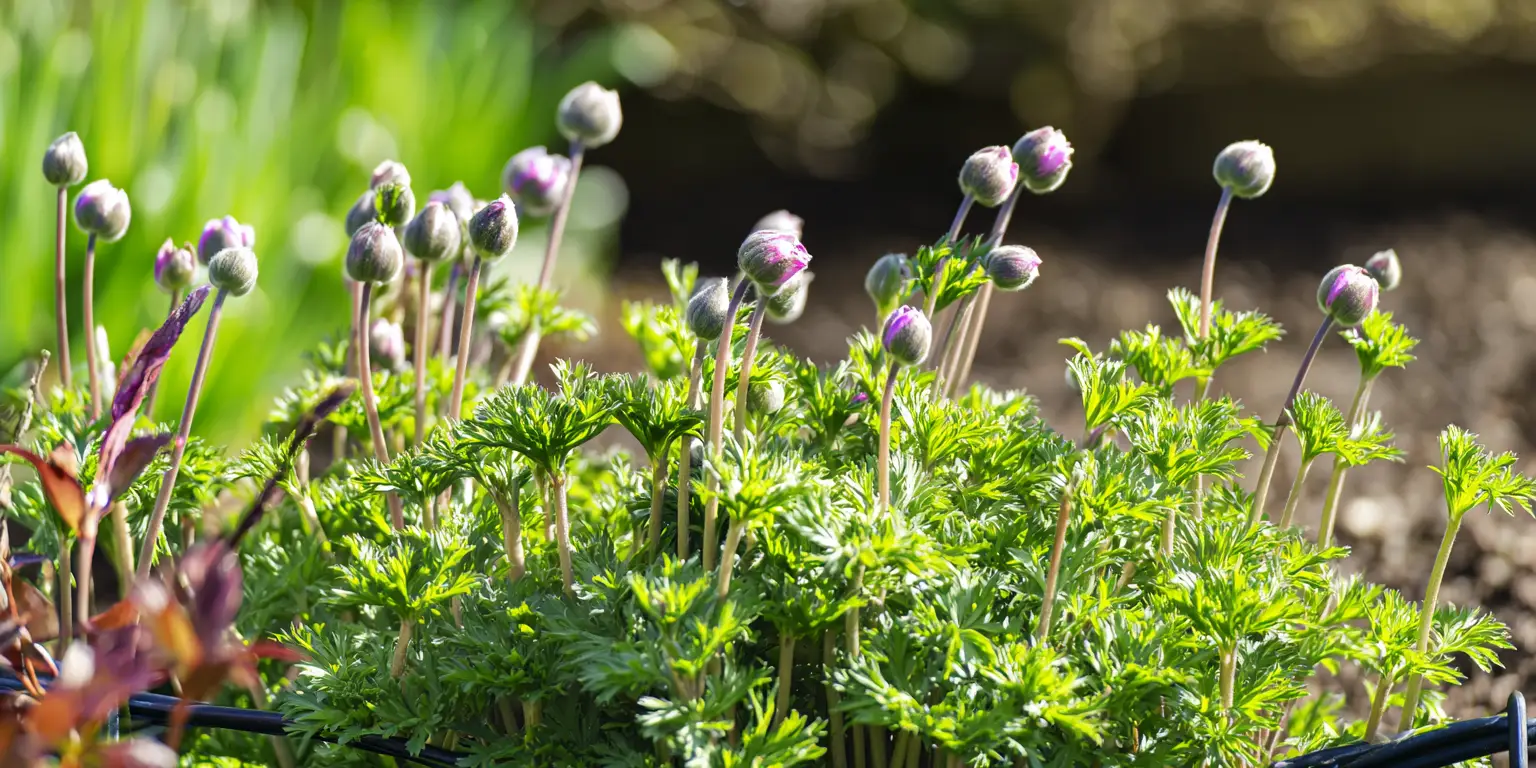
Windflower planting time depends on species and local climate. Use your USDA hardiness zone and frost dates to schedule planting. Where fall planting is listed for tubers, it assumes the soil will not remain waterlogged all winter. Where spring planting is listed, plant as soon as soil is workable.
Anemone blanda
Zones 5 to 8: plant tubers in fall, about September to November, once soil cools to 50 to 60°F. In zones 5 to 6, mulch after the ground cools.
Zones 3 to 4: treat as marginal. Plant in fall in a protected bed with excellent drainage and deep winter mulch.
Zones 9 to 10: plant in late fall for winter to early spring bloom if summers are dry. Provide afternoon shade.
Anemone coronaria
Zones 7 to 10: plant tubers in fall for late winter to spring bloom. In mild coastal zones with winter rain, choose the best drained site.
Zones 5 to 6: plant in early spring after the ground is workable for late spring bloom. A second succession planting 2 to 3 weeks later extends the display.
Zones 3 to 4: grow in containers started in a protected spot or treat as annuals after frost danger has passed.
Anemone nemorosa and similar woodland rhizomatous types
Zones 4 to 8: plant rhizomes or divisions in early fall or very early spring while dormant.
Zones 3: plant in spring and mulch well for winter.
Zones 9 to 10: heat and warm nights limit performance. Plant in bright shade and provide extra summer moisture.
Anemone × hybrida and related fall bloomers
Zones 4 to 8: plant in spring once soil is workable. Fall planting is possible in zones 6 to 8 if you mulch well before the freeze to thaw cycle begins.
Zones 9: plant in fall or late winter and provide afternoon shade.
Hot humid summer belt: give morning sun and filtered afternoon light and water deeply and consistently.
Arid interior West: use in morning sun to light shade with drip irrigation and a thick organic mulch.
Planting: Depth & Spacing
Different windflowers need different handling at planting. Prepare the site, then follow the directions for your plant type.
Bulbs or Tubers
Anemone blanda. Soak the bone dry tubers in room temperature water for 6 to 8 hours before planting. Plant 2 inches deep (5 cm) and 3 to 4 inches apart (8 to 10 cm). Set many in small clusters for a natural carpet. Scatter leaf mold or compost in the hole to buffer soil moisture. Water after planting so soil settles around the tubers.
Anemone coronaria. Soak tubers 3 to 4 hours before planting. Plant 2 inches deep (5 cm) and 6 to 8 inches apart (15 to 20 cm). The knobby point or claws usually face down, but orientation is not critical because shoots will find the light. For cut flower production, plant in staggered rows 6 inches apart with 6 inch spacing in the row. In cold zones start in pots indoors for 3 to 4 weeks, then harden off for one week before transplanting.
Bare root or Divisions
Anemone nemorosa. Plant rhizomes 1 to 2 inches deep (2.5 to 5 cm) with the growing eyes up if visible. Space 8 to 12 inches apart (20 to 30 cm). Water to settle the soil and mulch lightly. Divisions take one season to fill in.
Anemone × hybrida and related fall bloomers. Set the crown at soil level. In heavy soils plant so the top of the crown sits about one half inch above grade to allow for settling. Space 18 to 24 inches apart (45 to 60 cm) because clumps widen over time. Water thoroughly after planting to hydrate the fibrous root system.
Container grown
Slip plants from their pots and tease apart circling roots. Place so the top of the root ball sits level with the soil surface. Backfill and water slowly until the top 6 to 8 inches of soil are moist. Maintain 12 to 18 inches between plants for good air exchange in beds. For a fuller look in containers, plant three A. coronaria tubers per 10 inch pot or one fall anemone per 12 to 14 inch pot.
Transplant shock and acclimation. Harden off greenhouse grown plants for 5 to 7 days. Set them outdoors in bright shade for a few hours the first day. Extend the time and light each day. Keep the root ball moist during the process. Use temporary shade cloth during the first week after planting in open sites.
Watering & Mulching
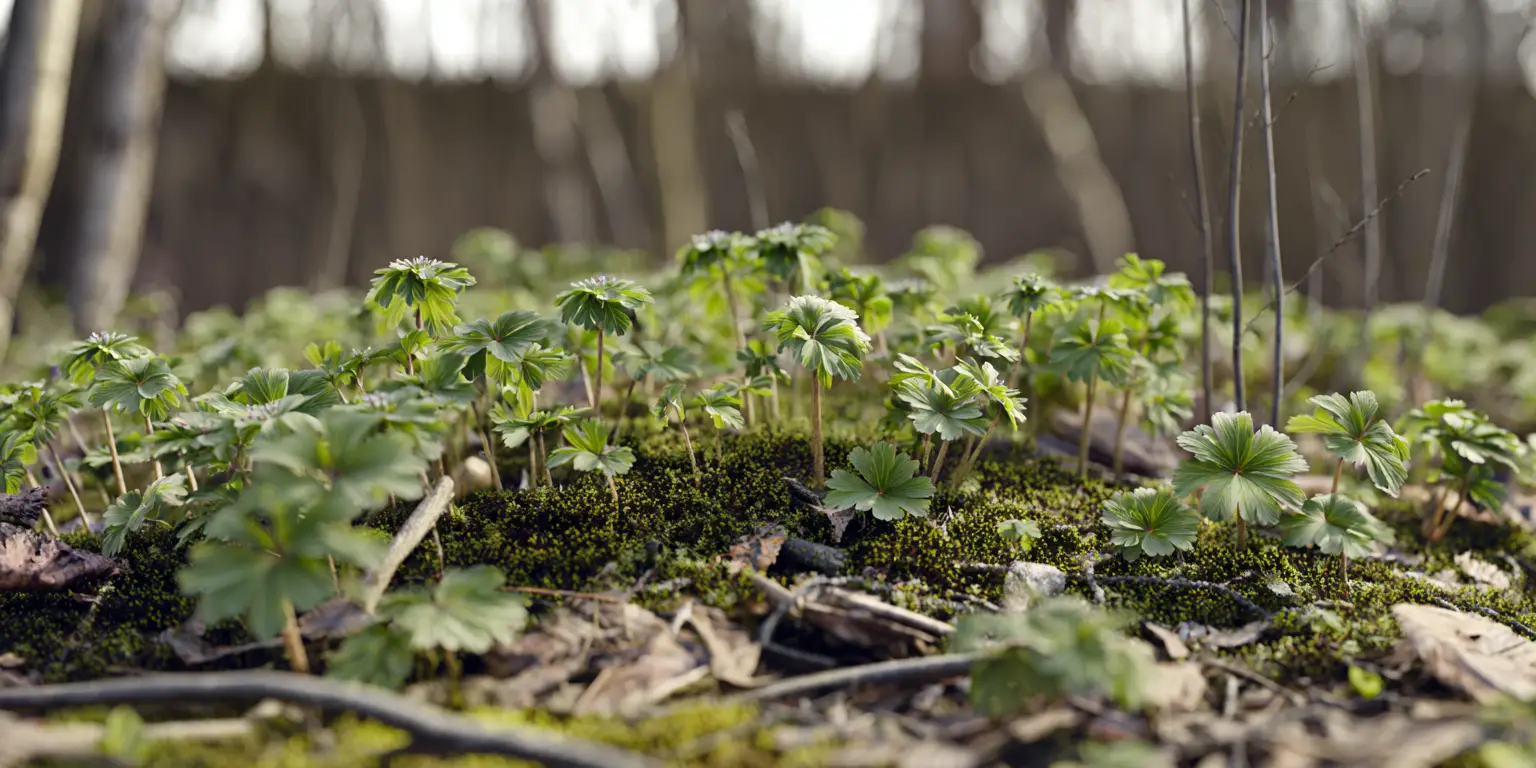
Windflowers respond to steady moisture during active growth. The goal is even moisture without saturation.
Establishment: For the first four to six weeks after planting, water when the top inch of soil is dry. Provide about 1 inch of water per week from rain or irrigation. Use a finger test before you water. If it is dry to the first knuckle, water deeply so moisture reaches 6 to 8 inches.
Mature clumps: Spring ephemerals need moisture from leaf out through bloom, then very little while dormant. Fall bloomers need steady moisture through summer while forming buds. In hot weather or sandy soils, increase to 1.5 inches per week split into two waterings. Drip irrigation or a soaker hose keeps foliage dry and lowers disease pressure.
Mulch: Apply a 2 to 3 inch layer of shredded leaves, leaf mold, pine needles, or fine bark around plants. Leave a 1 inch gap around crowns and stems. Mulch cools roots, slows evaporation, and buffers winter temperature swings.
Heat spikes and drought: During a heat wave above 90°F, give temporary afternoon shade with an umbrella or shade cloth. Water early in the morning so plants hydrate before the hottest part of the day. In drought, water deeply but less often to encourage deep rooting. Allow the top 1 to 2 inches to dry between waterings, especially for tubers and crowns that resent sitting wet.
Salinity and hard water notes: In containers irrigated with hard water, salts can build up and show as white crust on soil. Leach the pot every 4 to 6 weeks by running water equal to two times the pot volume through the container. In coastal areas with salt spray, place fall anemones behind a hedge or fence and rinse foliage with fresh water after storms.
Feeding
Windflowers are moderate feeders and respond to soil that is fertile and biologically active.
Baseline fertility: Before planting, incorporate 2 to 3 inches of compost into the top 8 to 12 inches of soil. This raises organic matter toward a practical target of about 3 to 5 percent.
N P K ranges and timing: For spring ephemerals and tuber types, use a low nitrogen fertilizer with more phosphorus and potassium. Options include a slow release 4 6 3 or 5 10 10 at label rates scratched into the soil at planting, then again lightly after bloom if foliage remains green. For fall anemones, feed in early spring with a balanced slow release in the 5 5 5 to 5 10 5 range. In rich soils, one spring feeding usually suffices.
Organic options: Topdress with compost in early spring around established clumps. A small handful of bone meal or rock phosphate per square foot before bloom supports root and flower development. Water in after applying.
When to skip fertilizer: If plants produce lush foliage with few flowers, you may be overfeeding or the soil is too rich in nitrogen. Skip feeding for one season and focus on light rather than fertilizer. Retest soil every 2 to 3 years to track pH and nutrient trends.
Pruning & Support
For Anemone coronaria and other long bloomers, remove spent blooms to extend flowering. Cut flower stems at the base with clean pruners. For Anemone blanda and Anemone nemorosa, leave foliage in place until it yellows and withers. The leaves feed the tubers and rhizomes for next spring. For fall anemones, cut stems back to basal growth after a hard frost. Remove old leaves in late winter to reduce disease carryover.
Support: Many fall anemones grow 2 to 4 feet tall. In windy sites insert short ring supports or discreet stakes early in the season. Install supports while stems are 12 to 18 inches tall so growth hides the hardware.
Tool hygiene: Clean blades between plants to limit disease spread. Wipe with 70 percent isopropyl alcohol or dip in a 10 percent household bleach solution. Rinse and dry tools after using bleach to prevent corrosion.
Overwintering
Mulch strategy: After the ground cools but before it freezes solid, blanket beds with 3 to 4 inches of shredded leaves or pine needles. Mulch moderates the freeze to thaw cycle that can heave crowns. In spring pull mulch back gradually as new growth emerges.
Tubers in cold zones: In zones colder than their hardiness range, lift Anemone coronaria tubers after foliage yellows. Brush off soil and cure the tubers in a dry, airy place for 2 to 3 weeks. Store in paper bags or a box of dry peat moss or vermiculite at 40 to 50°F (4 to 10°C). Keep them dry and dark. Replant when soil warms in spring.
Fall anemones: In zones 4 to 5, plant in spring and mulch well for winter. In exposed sites, place evergreen boughs over crowns after the soil freezes to trap snow. Remove winter cover in early spring when frost risk declines.
Rodent protection: Voles and mice may tunnel in mulched beds and nibble tubers. Line small planting holes for tubers with a cup of coarse gravel or plant in small wire baskets made from hardware cloth with half inch openings. Keep mulch loose, not matted, to discourage burrowing.
Growing Environments
Windflowers adapt to beds, borders, woodland edges, and containers if basic needs are met.
Containers: For Anemone coronaria, use at least a 10 inch diameter pot for a small cluster or a 12 to 14 inch pot for fuller displays. For fall anemones use a 12 to 16 inch diameter container for one plant. Choose a high quality peat based potting mix with added perlite or pine bark for drainage. Ensure the container has generous drain holes. Water when the top inch of mix is dry. In summer heat, containers may need water every 2 to 3 days.
Microclimate: Position fall anemones where they receive morning sun and light afternoon shade. Avoid reflected heat near south or west facing walls, pavement, or stone mulch. Provide a windbreak in coastal or open exposures. Spring ephemerals tolerate brighter sun before trees leaf out, then appreciate dappled shade.
Irrigation method: Drip lines or soaker hoses conserve water and keep foliage dry. In humid climates, water early in the day if overhead watering is the only option.
Light indoors for starts: If starting tubers or divisions in pots, give a bright window or supplemental light for 12 to 14 hours per day. Harden off before moving outdoors.
Companion Planting & Design
Windflowers earn their place in layered borders and naturalistic plantings.
Hide the die back: Spring ephemerals fade after bloom. Plant with hostas, epimediums, hardy geraniums, and ferns. As these later companions leaf out, they mask yellowing leaves from Anemone blanda and Anemone nemorosa.
Extend color: Pair fall anemones with asters, turtlehead, monkshood, or ornamental grasses. The tall, airy stems of fall anemones thread through lower perennials without smothering them.
Pollinator friendly choices: Single forms of A. coronaria and fall anemones offer accessible pollen. Combine with early bulbs like daffodils and late staples such as asters to support bees across the season. In spring borders, layer with early tulips for a classic color duet.
Spacing for airflow: Leave at least 18 inches between large clumps of fall anemones. In humid regions, thin crowded stems after bloom to encourage air movement. Good spacing reduces leaf spot and powdery mildew.
Color planning: A. blanda brings clear blues and soft pinks that read well from a distance. A. coronaria offers bold reds, blues, pinks, and whites valued by cut flower growers. Fall anemones glow in evening light with pink or white saucers floating above the border. These choices tie neatly into planning pages such as blue, pink, white, and purple flowers for cohesive garden palettes.
References
NC State Extension. North Carolina State University. Anemone coronaria.
NC State Extension. North Carolina State University. Anemone × hybrida.





Written by: Your Flowers Guide editorial team
We are a small independent group of flower lovers who research and review each guide using trusted horticultural and educational sources. Learn more about us