returns in
212
days
Bloom calendar
St. Brigid
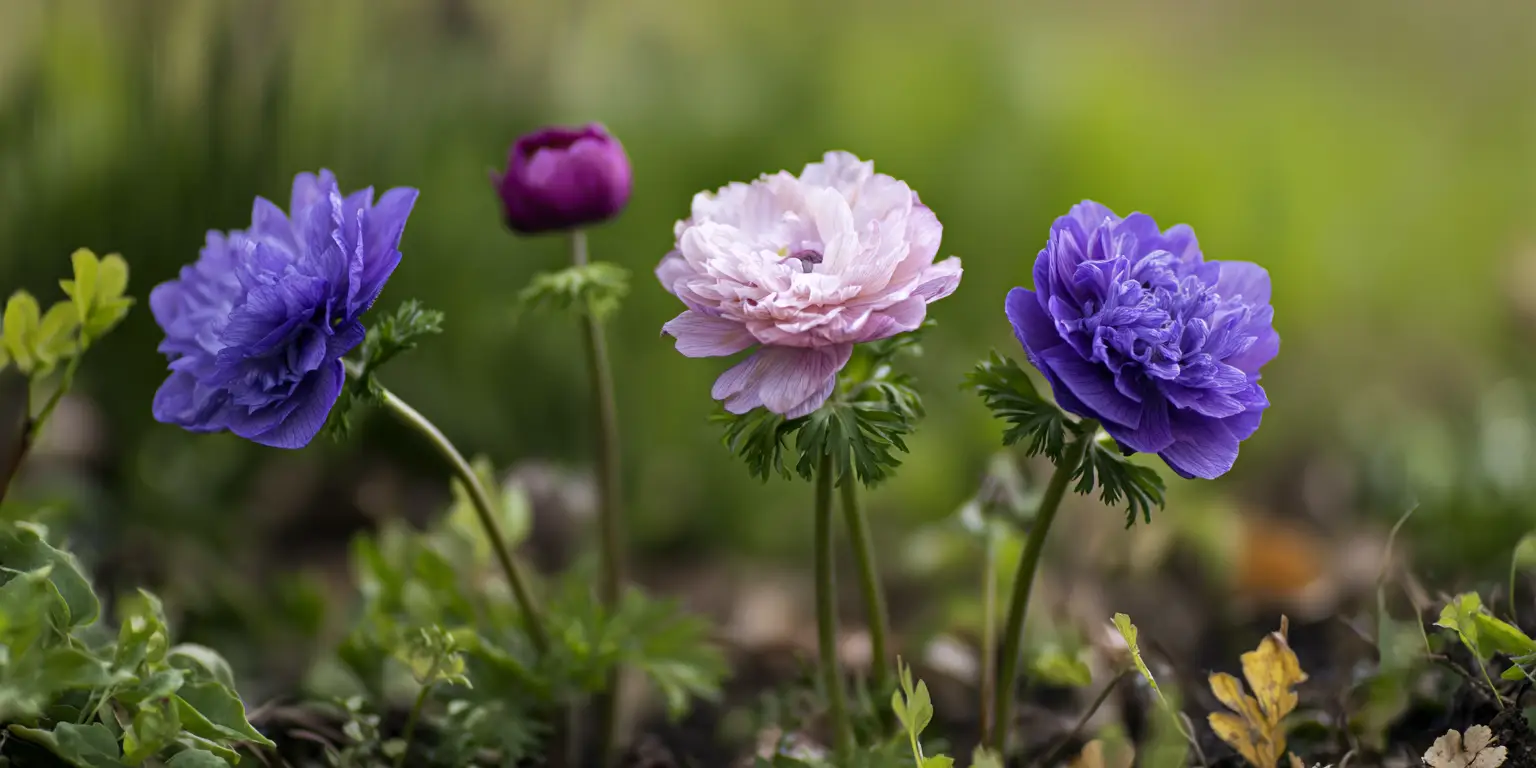
Brigid Group (semi‑double to double forms)
At‑a‑glance
- Group/Class: Brigid Group (semi‑double to double forms)
- Height × spread: 10-18 in (25-45 cm) × 6-9 in (15-23 cm)
- Bloom window: spring
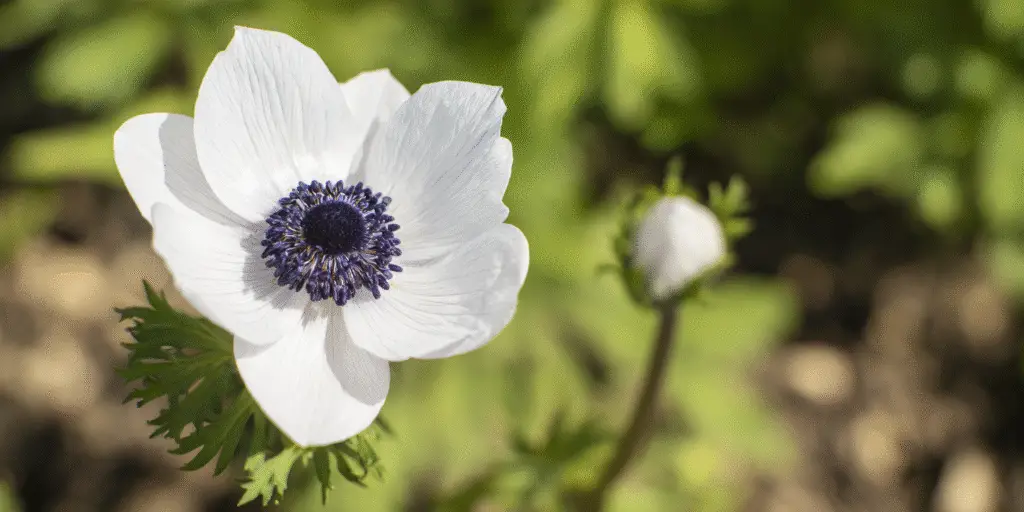
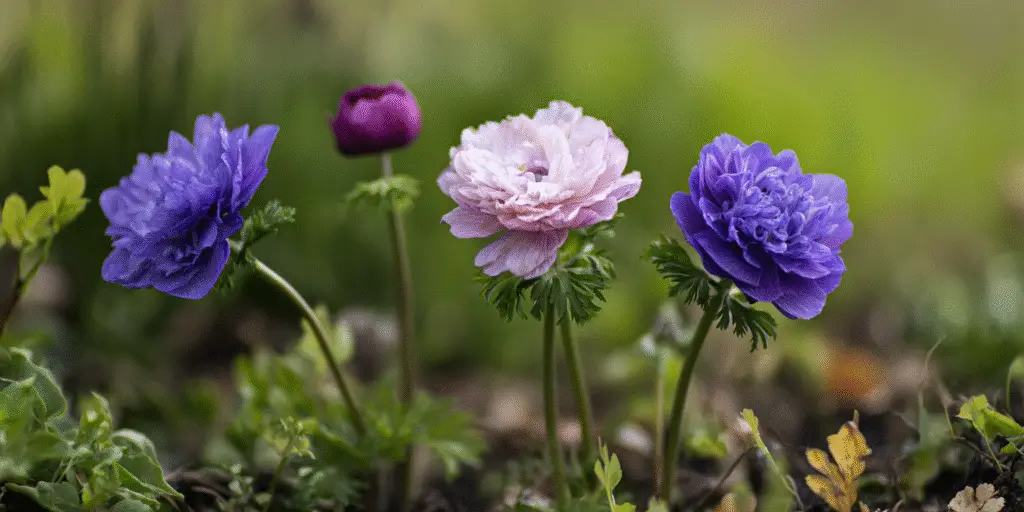
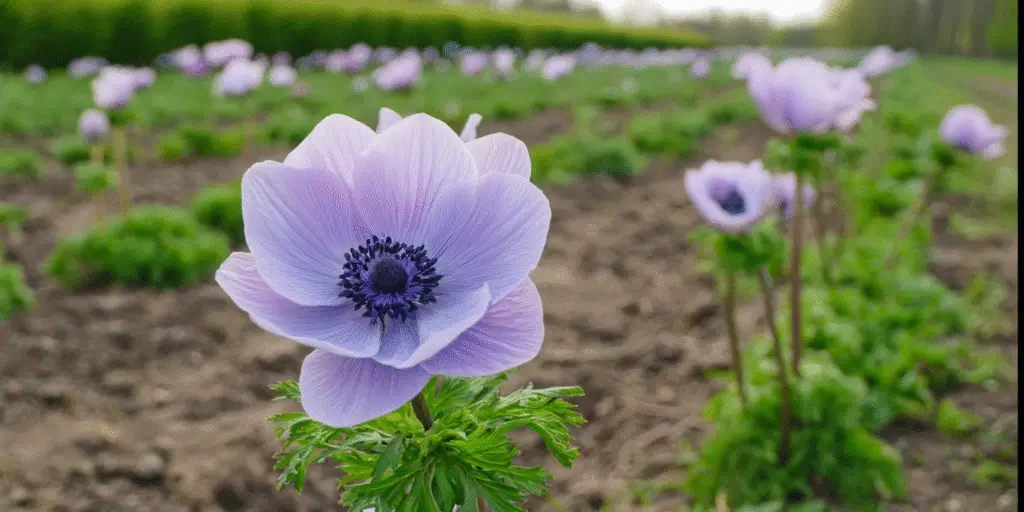
- Color & flower form: semi‑double to double; wide color range with dark centers
- Fragrance: 0 none
- USDA hardiness: zones 7-10; grown as annual in colder zones
- Breeder / Year / Origin: unknown, unknown, Netherlands
- Cut‑flower notes: harvest at colored‑bud stage; vase life typically 3-7 days with preservative; ethylene sensitive; avoid mixing with fresh daffodils
- Pet safety: avoid
How it differs
- Ruffled, fuller blooms compared with single De Caen types.
- Similar stature to other A. coronaria but denser petals.
- Spring bloom long before fall‑flowering Japanese anemones.
- Color range includes many bicolors common in this group.
Strengths
- Showy, textured flowers for spring displays.
- Usable for cutting when stems are long enough.
- Deer and rabbit tolerance commonly noted for the species.
- Handles dry summer dormancy after bloom.
Care in one minute
Light: full sun to light shade.
Soil: sandy or loamy, well‑drained; neutral to slightly alkaline.
Water: steady moisture during growth; keep dry in dormancy.
Feeding: light fertilizer when shoots emerge and at bud stage.
Planting: pre‑soak tubers; plant 2 to 3 in deep, 4 to 6 in apart.
Overwintering: lift and store in cold zones; protect from winter wet where left in ground.
Watch‑outs
- Requires sharp drainage to prevent tuber rot.
- Susceptible to fungal problems in wet or humid springs.
- Short vase life relative to many cuts.
Best uses (tags)
Provenance note
St. Brigid selections are long‑grown forms of Anemone coronaria noted for double flowers; origin is recorded broadly in European breeding.
References
- RHS Plant profile – Anemone coronaria (Saint Bridgid Group)
- UC Davis Postharvest – Anemone, Windflower
- MSU Extension – Top‑rated garden flowers for cutting (Anemone coronaria vase life)
Similar Flowers
Enjoying our flower guides? Add YourFlowersGuide as a preferred source on Google. It helps more readers find us.
Add to Preferred Sources