The ancient roots of the tsutsuji tradition
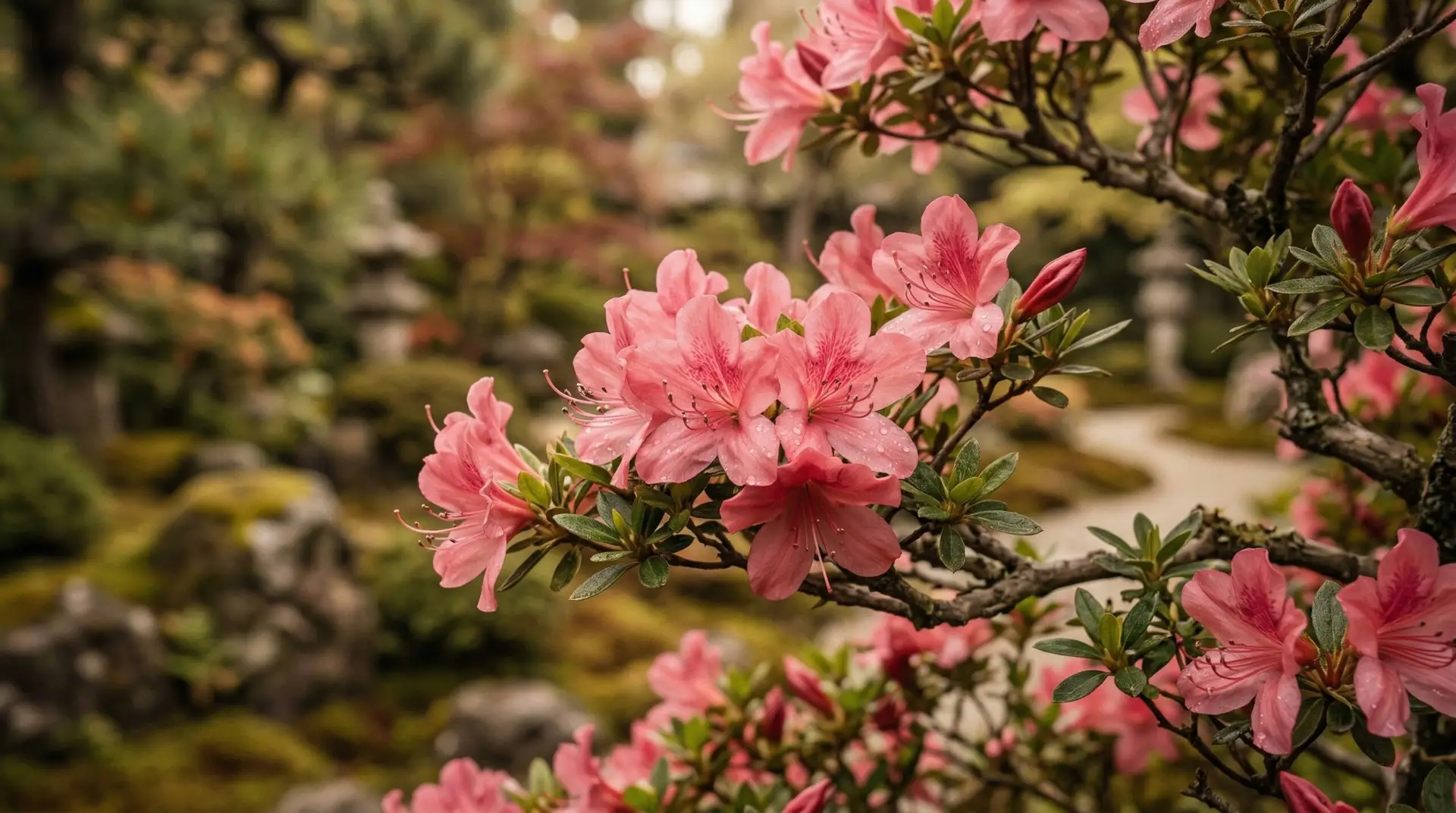
In the walled gardens of Edo period Japan, horticulturists elevated the cultivation of the azalea from simple gardening to an exacting art form. Known locally as tsutsuji, the flowering shrub became a horticultural obsession among the samurai class and wealthy merchants during the seventeenth century. Gardeners developed specific pruning techniques known as karikomi, shaping the dense shrubs into rolling hills or smooth stones that mimicked natural landscapes. This practice required a deep understanding of the plant’s growth habits and a profound respect for its natural form. The resulting mounds of foliage would erupt into solid masses of color each spring, transforming quiet green spaces into vivid seasonal displays. Much like the careful cultivation of the chrysanthemum, the perfection of the azalea represented human harmony with the natural world. These early Japanese breeders isolated natural mutations to create hundreds of distinct varieties, establishing a botanical legacy that continues to influence modern horticultural practices.
The cultural weight of the azalea in Japan extends far beyond its physical appearance in the landscape. In traditional Japanese flower language, or hanakotoba, the azalea meaning is closely tied to patience and the fragile nature of early spring. The plant appears frequently in the Manyoshu, Japan’s oldest existing collection of poetry compiled in the eighth century, where writers used the blooming shrub as a metaphor for hidden love. Because the flowers often appear on bare branches before the leaves fully emerge, poets saw them as brave heralds of warmer weather. Buddhist temples incorporated the shrubs into their meditation gardens, using the brief but intense blooming period as a visual lesson in impermanence. The deliberate placement of these plants near water features or along winding paths forced visitors to slow their pace and observe the seasonal changes. This careful integration of the azalea into religious and philosophical spaces cemented its status as a plant of quiet contemplation.
Temperance and the poetry of exile
Long before Japanese gardeners perfected their pruning techniques, the azalea held a deeply melancholic place in Chinese cultural history. Native to the mountainous regions of central and southwestern China, the plant is known historically as the dujuan hua, or the cuckoo flower. This name stems from an ancient legend about a deposed king who transformed into a cuckoo bird upon his death. According to the myth, the bird sang so mournfully for its lost kingdom that it wept tears of blood, which fell to the earth and bloomed as red azaleas. Consequently, classical Chinese literature often uses the azalea symbolism to express deep homesickness and the pain of exile. Traveling scholars and banished officials would write poems about the flowers when they were forced to leave their home provinces. The wild plants covering the hillsides were a seasonal reminder of the people and places they had left behind, giving the azalea a reputation as a flower of sorrowful remembrance.
Victorian flower language and the message of restraint
When European plant hunters brought Asian azalea species back to Western greenhouses in the eighteenth and nineteenth centuries, the plant acquired an entirely new set of cultural associations. In the highly codified system of Victorian flower language, the azalea came to represent temperance and caution. Sending a bouquet containing these blossoms was a polite way to tell the recipient to take care of themselves or to exercise restraint in a particular situation. This association likely originated from the plant’s literal fragility in the harsh English climate, because the imported varieties required the controlled environment of a glasshouse to survive the winter. The wealthy elite who could afford to maintain these heated conservatories viewed the azalea as a symbol of refined wealth and careful preservation. Gardeners in England and Belgium soon began crossing the delicate Asian species with hardier native varieties, creating the foundation for the hybrid shrubs that populate modern gardens. This cross-cultural breeding effort transformed the azalea from a rare exotic specimen into a standard of the Western horticultural repertoire.
Color meanings and the modern azalea festival
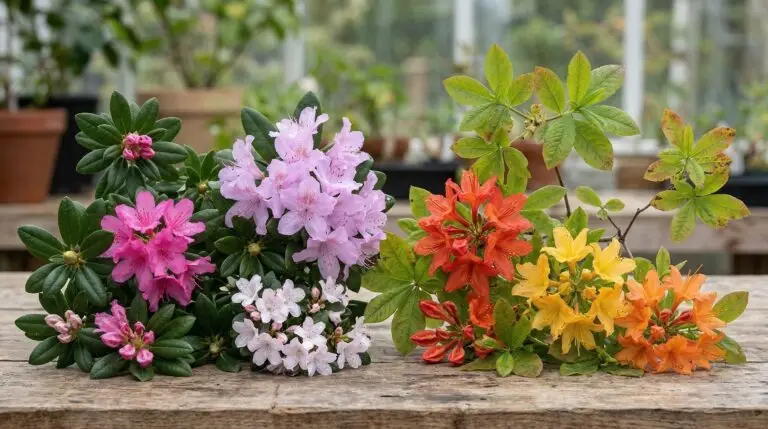
As the cultivation of azaleas expanded globally, different cultures assigned specific meanings to the various colors produced by hybridizers. Red azaleas carry the strongest associations with romantic passion and the legendary tears of the cuckoo bird in Chinese folklore. White varieties, much like the white camellia, represent purity and the transition of the seasons from winter to spring. Pink blossoms generally communicate gentleness and emerging affection, making them common gifts during spring holidays in Western countries. Yellow and orange varieties, which often belong to the deciduous species native to North America, lack the ancient literary associations of their Asian cousins but have come to symbolize energy and new beginnings. Gardeners often select specific colors to create particular moods within a landscape, drawing on centuries of accumulated folklore. The deliberate grouping of these colors allows designers to paint massive swaths of meaning across hillsides and public parks.
The historical reverence for the azalea remains highly visible in contemporary horticultural celebrations around the world. In Japan, the tradition of the tsutsuji matsuri, or azalea festival, draws millions of visitors to ancient shrines and public parks every spring. The Nezu Shrine in Tokyo maintains a garden of over three thousand azalea plants, representing more than one hundred distinct varieties, many of which date back to the Edo period breeding programs. Visitors walk through tunnels of blooming shrubs, participating in a seasonal viewing ritual that has remained largely unchanged for centuries. Modern hybridizers still utilize the genetic material preserved in these historic gardens to develop new varieties with better disease resistance and longer blooming periods. When a contemporary gardener plants a nursery-bought azalea in their suburban yard, they are participating in a botanical lineage that stretches back through Victorian glasshouses to the mountain slopes of ancient China. The carefully pruned shrub by the front door holds within its branches a deep history of poetic exile, meticulous cultivation, and the human desire to shape the natural world.