Contents
Begonia
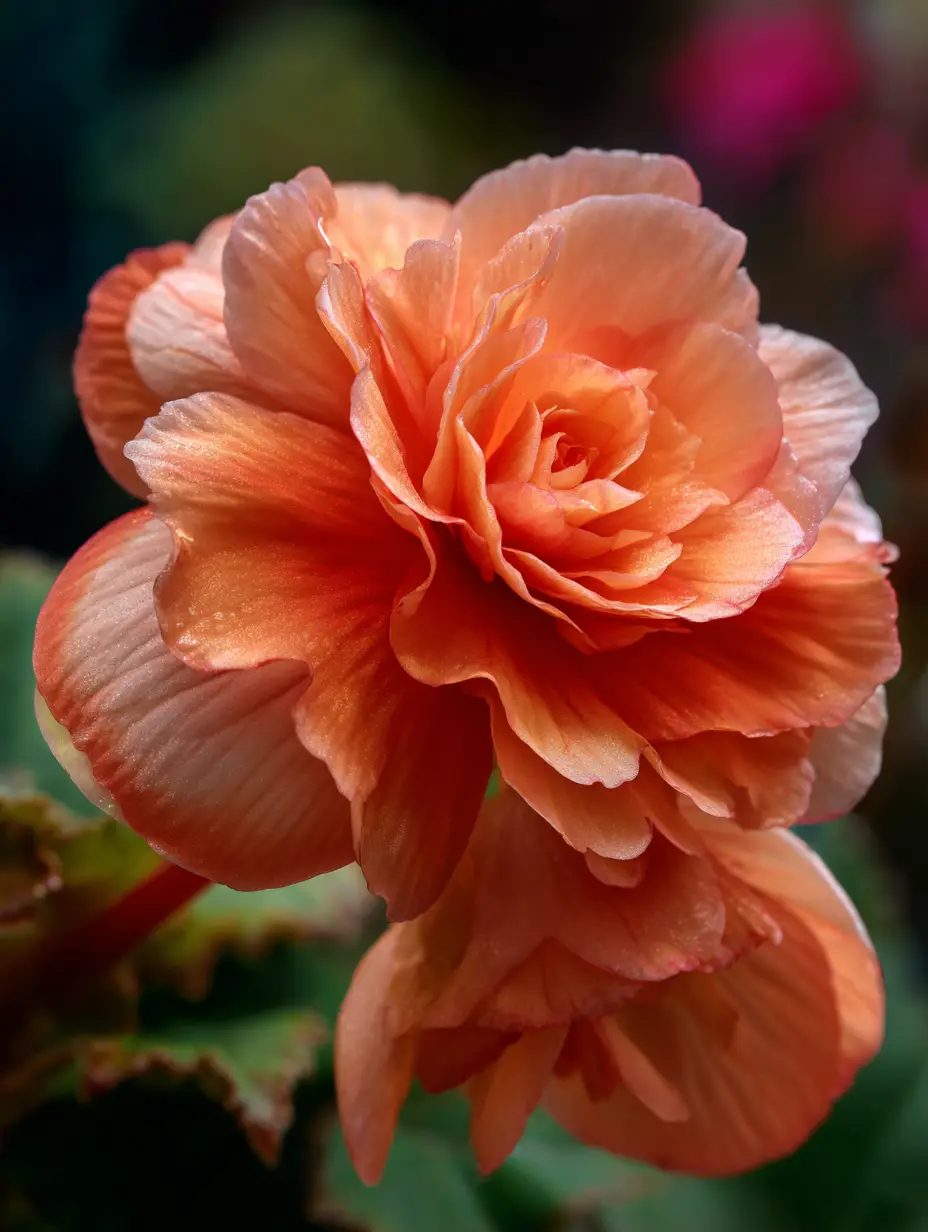
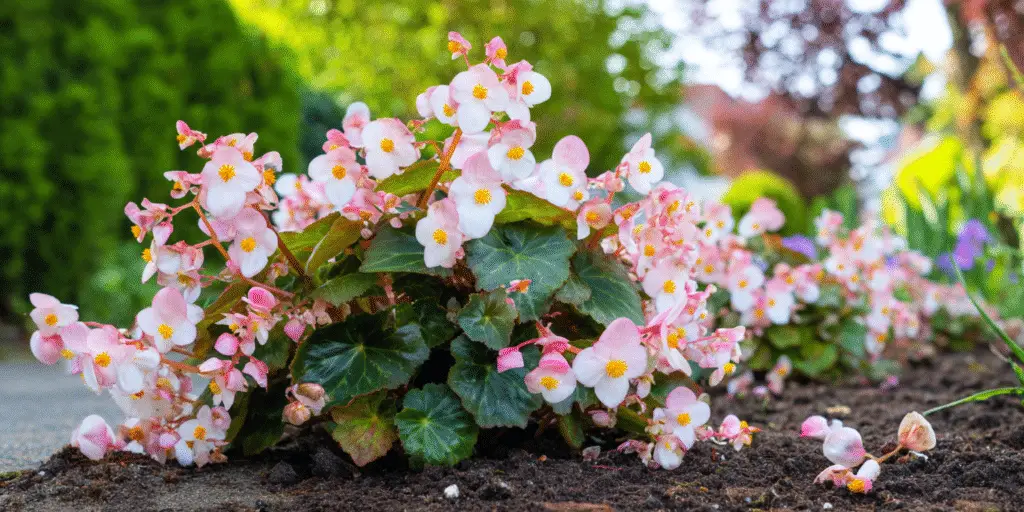
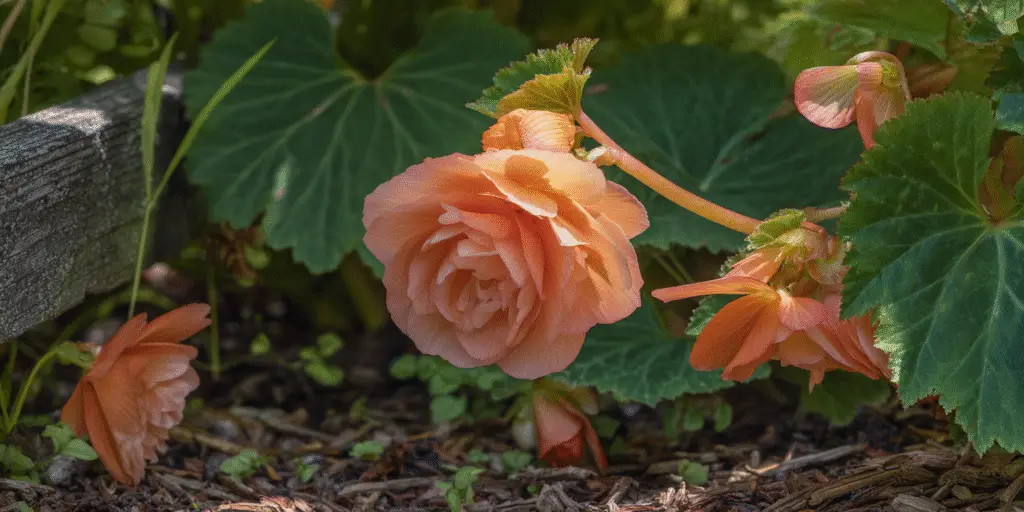
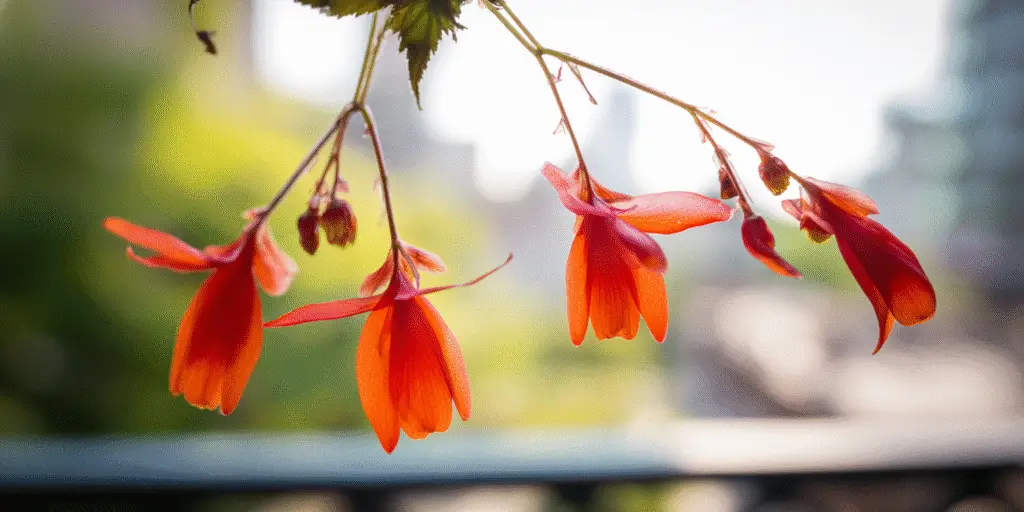
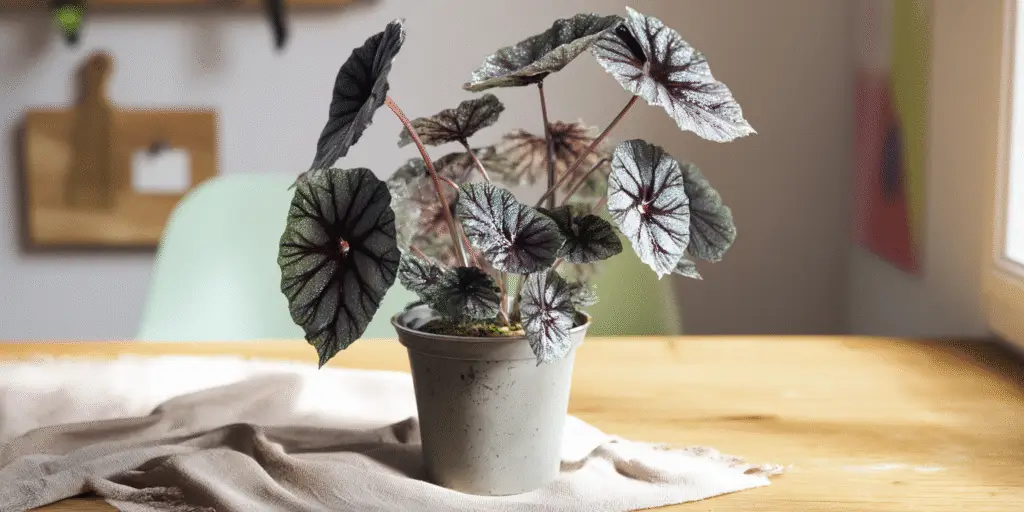
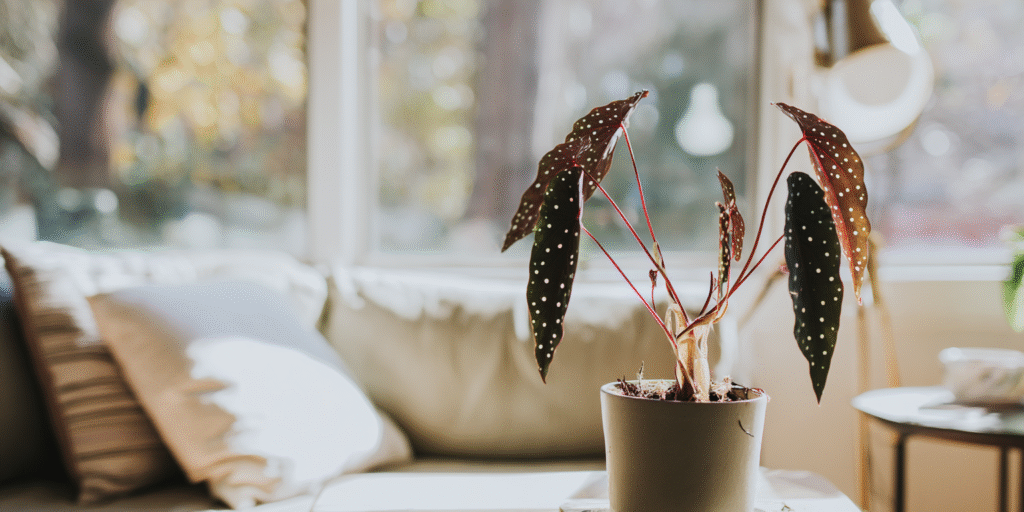
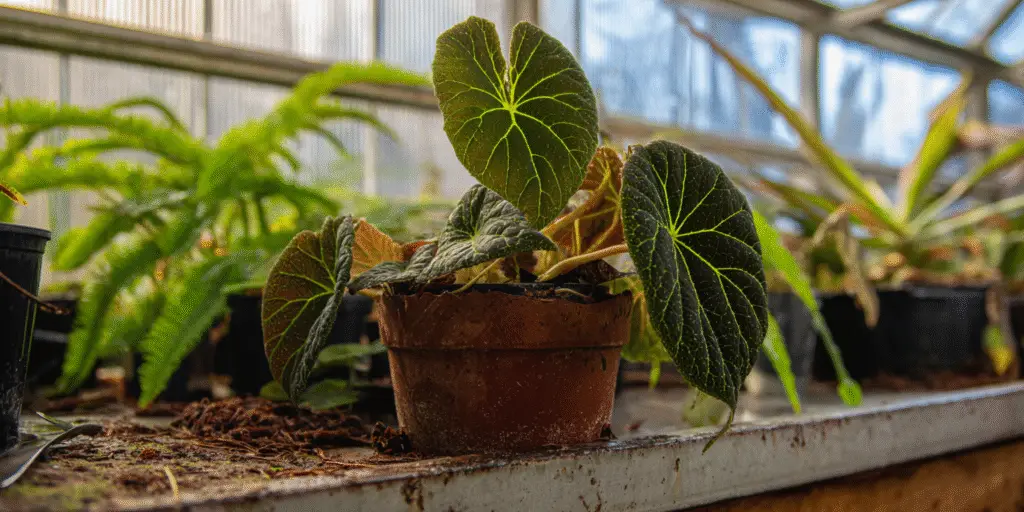
Begonias are a large group of flowering plants grown for both blooms and foliage. The genus Begonia (family Begoniaceae) includes more than 2,000 species, plus many hybrids for gardens and windowsills. Most begonias come from tropical and subtropical forests, so they tend to like bright, filtered light and a bit of humidity. Many have tender, sap-filled stems and leaves that range from plain green to silvered, bronze, or burgundy patterns. One easy giveaway is the leaf shape: the two halves of a begonia leaf usually do not match. Flower colors lean warm – white, pink, red, orange, and yellow are common – while true blue is essentially absent and deep purple is uncommon. In the garden, begonias are often used as bedding plants in shade, and indoors they can be steady, long-blooming houseplants.

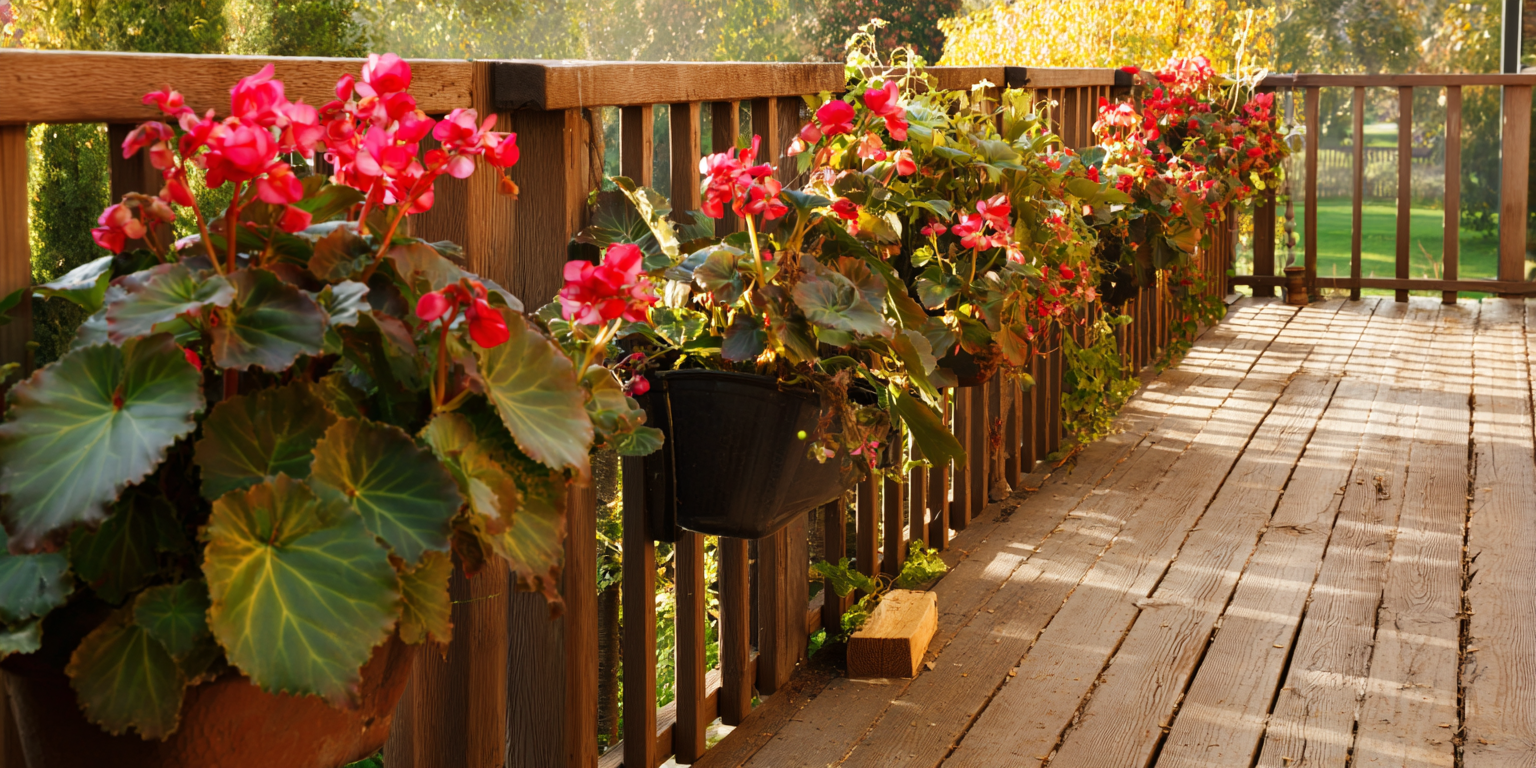
A clear, step-by-step guide to soil, planting, watering, feeding, pruning, and winter care. Includes zone timing, container tips, companions, and quick fixes for common problems.

Bouquet Ideas
Explore simple, beautiful bouquet ideas for the home, gifts, and special occasions from romantic mixes to clean, minimal styles. Each idea includes suggested flower combinations, color palettes, and sizes, with photos for quick inspiration.
🌱 Taxonomy and origin
The genus Begonia sits in the family Begoniaceae and is one of the largest genera of flowering plants, with well over two thousand described species. Carl Linnaeus adopted the name in 1753 to honor Michel Begon (1638-1710), a French administrator who supported botanical exploration. In the wild, begonias grow in moist tropical and subtropical regions of the Americas, Africa, and parts of Asia. You often find them in the understory, where light is filtered and the air stays humid, growing in leaf litter, on rocks, or even on tree trunks. Most are tender herbaceous perennials with soft, sap-filled stems. Begonias are monoecious, which means each plant carries separate male and female flowers, and after pollination it forms dry capsules packed with tiny seeds. Because they are adapted to warm climates, most begonias cannot handle frost. In cultivation, gardeners often group them by growth habit, such as fibrous-rooted “wax” begonias, tuberous begonias, cane-stemmed types, and rhizomatous begonias like rex forms. Those groups are not formal taxonomy, but they are useful when you are comparing plants.
🌸 Bloom time
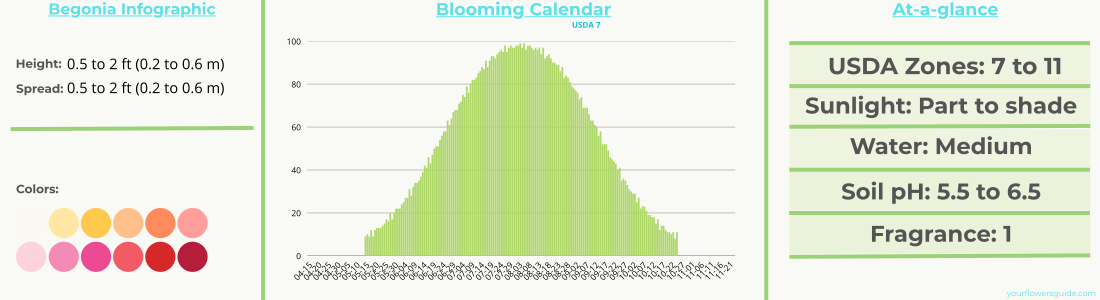
Begonias bloom for a long stretch compared with many summer flowers. Outdoors in temperate areas, most begin in late spring or early summer once nights are consistently warm, then keep going through summer and often into fall until frost. Fibrous or “wax” begonias usually flower steadily from planting time to the first cold snap. Tuberous begonias tend to start a bit later, often in early summer, and continue with larger blooms into early fall. In frost-free climates, or indoors with good light, some types bloom on and off through much of the year. Individual flowers do not last long, but the plant keeps making new buds, so the display looks continuous. Pinching off spent blooms can help the plant stay tidy and keep buds coming.
📏 Height and spread
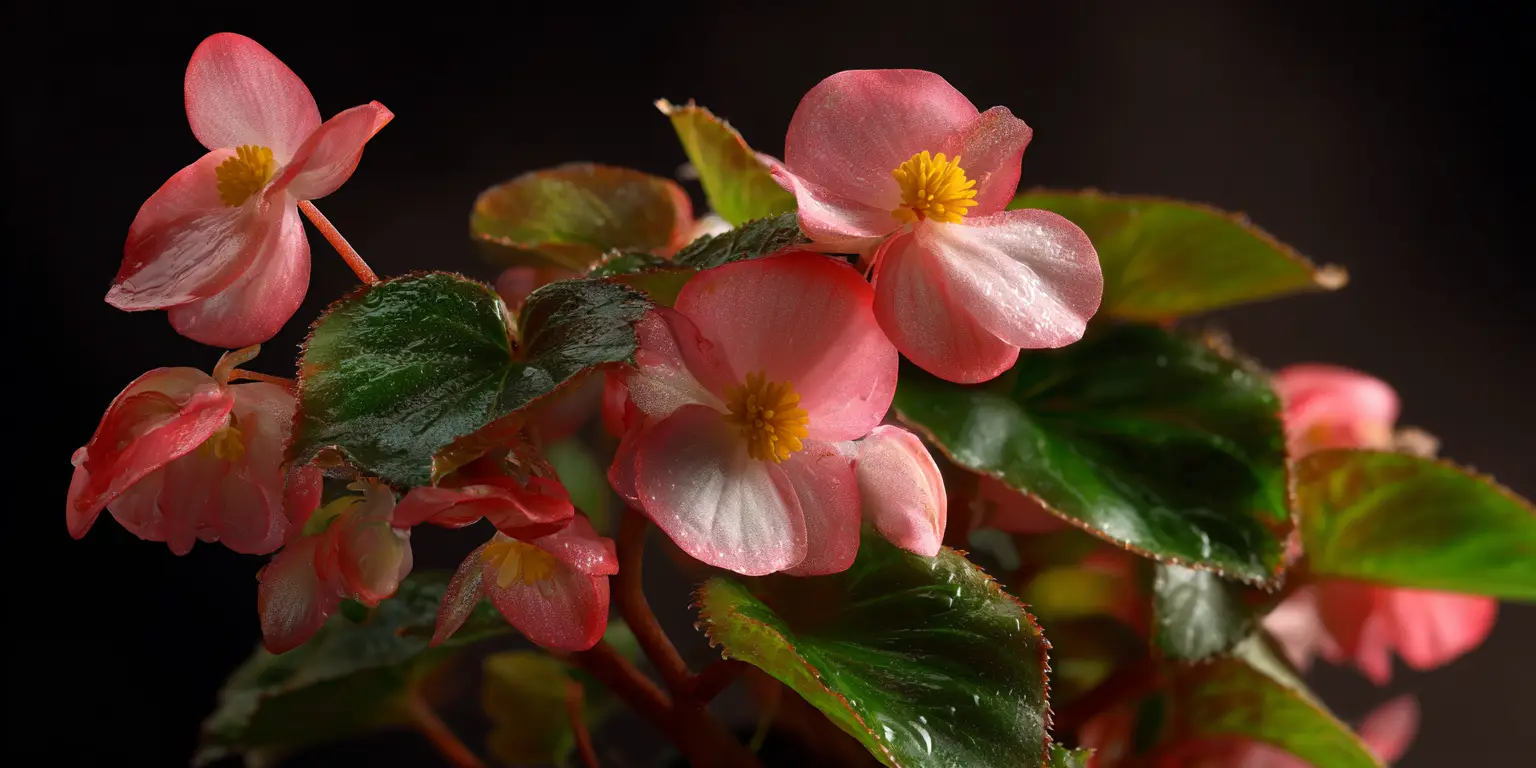
Begonias range from tiny, creeping plants to upright, cane-like specimens. Size depends on the type and variety. Many garden and container begonias stay compact at about 8 to 18 inches tall, with a similar spread. Fibrous-rooted “wax” begonias often sit at the smaller end of that range and form neat mounds for edging and beds. Cane begonias, including Angel Wing types, can grow much taller indoors, sometimes 2 to 5 feet, with an airy, shrub-like shape. Rhizomatous begonias, including rex begonias, usually stay low but spread outward as their thick stems creep across the soil surface. Tuberous begonias commonly reach around 12 to 18 inches and may be upright or trailing, especially in hanging baskets. When planting, give each begonia room based on its expected size so air can move through the foliage and the plant can fill in naturally.
☀️ Light
Begonias like bright light, but most do not enjoy harsh, all-day sun. Partial shade is ideal, such as gentle morning light, dappled shade under trees, or a porch that stays protected at midday. Too much direct sun can scorch leaves, leaving brown, crispy patches, especially during hot weather. Very deep shade can cause leggy growth and fewer flowers. Indoors, place begonias near a bright window where light is strong but indirect, or use a sheer curtain to soften strong sun. Some newer hybrids tolerate more sun than older types, so it helps to watch the leaves and adjust the spot if they look pale, scorched, or stretched.
💧 Water
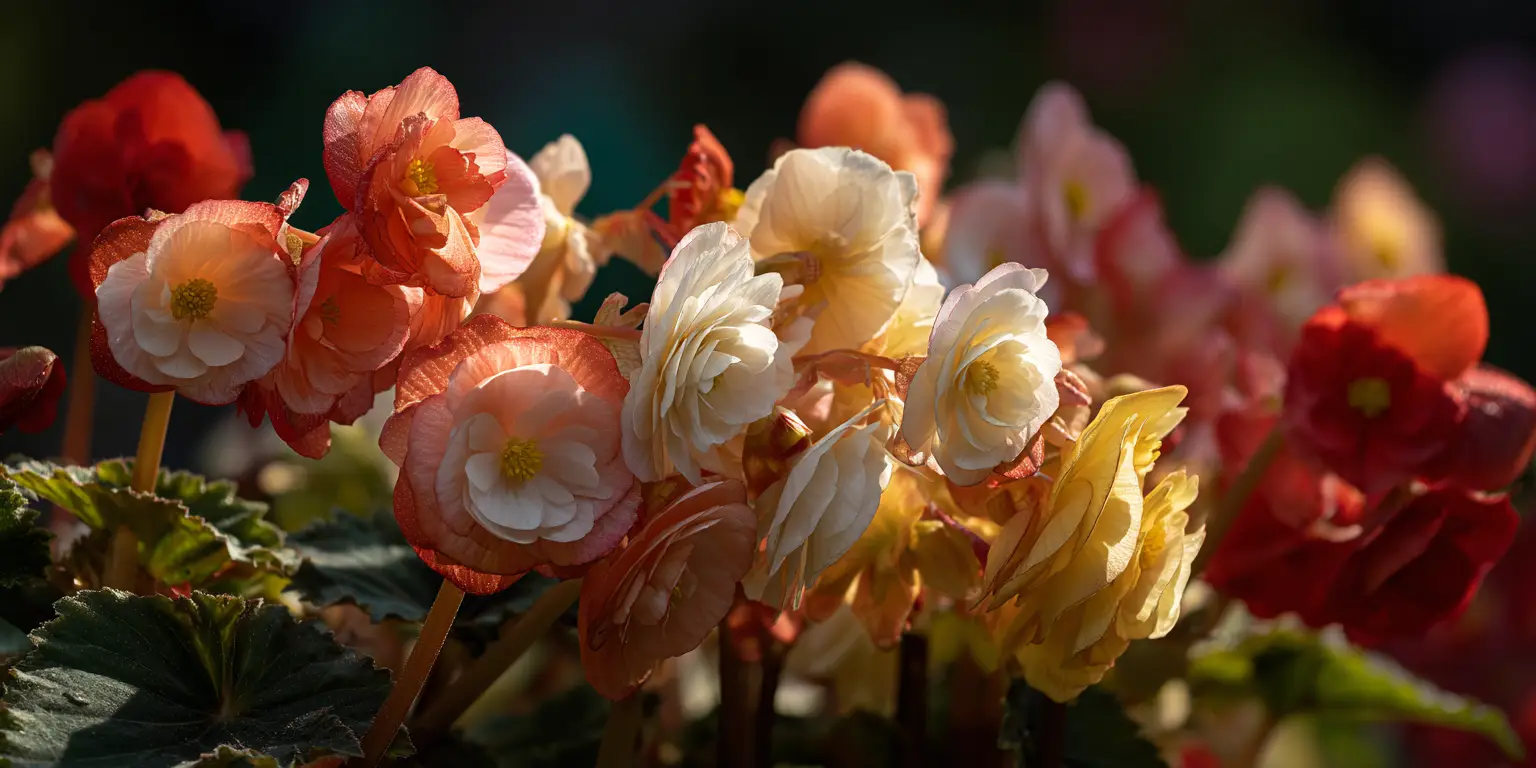
Begonias like steady moisture, but they do not like soggy roots. A simple habit helps: water when the top inch of soil feels dry, then water thoroughly so excess drains away. In containers, make sure the pot has drainage holes and do not let it sit in standing water. Overwatering is a common cause of yellow leaves and stem or root rot. On the other hand, letting the soil go bone-dry for long periods can cause wilting and dropped buds. Try to water at the base of the plant rather than splashing the leaves, and if leaves do get wet, morning watering gives them time to dry. Indoors, many begonias also appreciate moderate humidity, especially in winter when heated air turns dry.
🌍 Soil and pH
Begonias grow best in a light, rich mix that drains well. In garden beds, loosening the soil and mixing in compost or leaf mold helps roots breathe while still holding some moisture. In pots, use a quality potting mix that feels airy rather than heavy, often with added perlite or a similar ingredient for drainage. Begonias generally do well in slightly acidic to neutral soil, roughly pH 5.5 to 7.0. If soil is very alkaline, plants may struggle to take up nutrients and leaves can look pale. Unlike bigleaf hydrangeas, changing soil pH does not change begonia flower color, so pH is mainly about keeping growth steady and roots healthy.
❄️ USDA hardiness
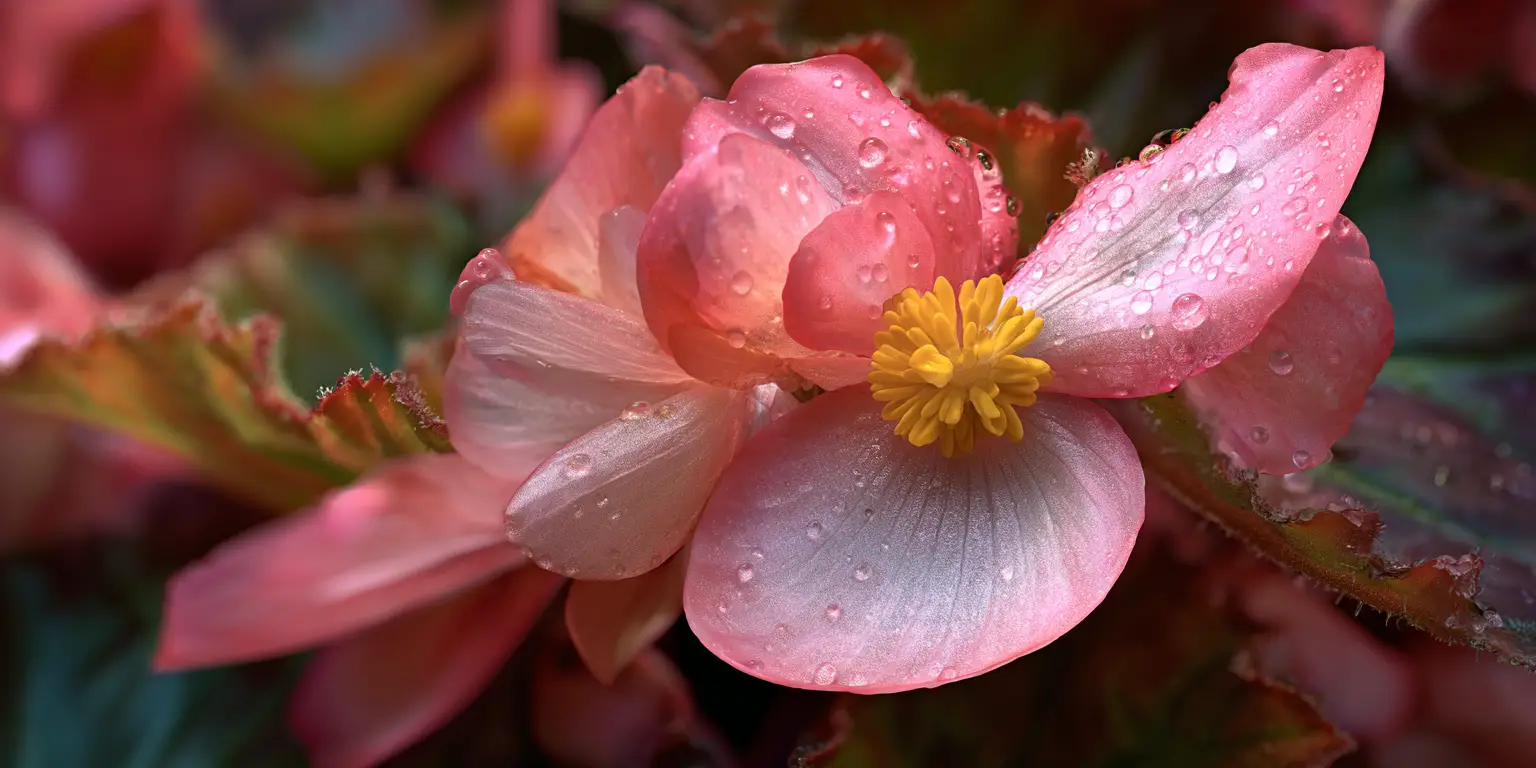
Most begonias are tropical and cannot handle frost. Outdoors, they are usually perennial only in warm areas, roughly USDA zones 9 to 11. In zone 8 and colder, gardeners often grow begonias as annuals, planting after the last frost and letting cold weather end the season. If you want to keep plants longer, containers make it easier to bring them indoors, and tuberous begonias can be stored and replanted the next year. A notable exception is hardy begonia (Begonia grandis), which can survive winters in parts of zones 6 to 7 with protection and reliably in warmer spots. Even so, for most types, plan on protecting begonias from frost or treating them as seasonal color.
🌼 Propagation and longevity
Propagation
Begonias are easy to propagate, and you have a few dependable options. Stem cuttings are the go-to method for many types: a healthy piece of stem can root in water or in a moist potting mix under bright, indirect light. Leaf cuttings work well for rex and other rhizomatous begonias, where a single leaf can produce small plantlets along the veins. You can also grow begonias from seed, although the seeds are extremely fine and need warmth, light, and steady humidity to germinate. Some begonias can be divided, especially those that form clumps or spread by rhizomes, and tuberous begonias can be carried over by saving the tuber. For most home gardeners, stem and leaf cuttings are the simplest ways to make backup plants or share a favorite variety.
Longevity
How long a begonia lives depends on the type and where you grow it. In a warm, frost-free place, begonias are perennial plants and can live for years. Indoors, it is common to keep a begonia for five years or more, especially cane types that slowly develop tougher stems. Over time, plants can get leggy or uneven, and many growers simply start fresh plants from cuttings to keep the same variety looking compact. Outdoors in colder climates, begonias often last only one growing season unless you bring them inside or save tubers. Tuberous begonias can return for several seasons from the same tuber, although old tubers may eventually lose vigor. In practice, begonias can be short-term bedding plants or long-term houseplants, depending on how you overwinter them and how much you prune and renew them.
👃 Fragrance
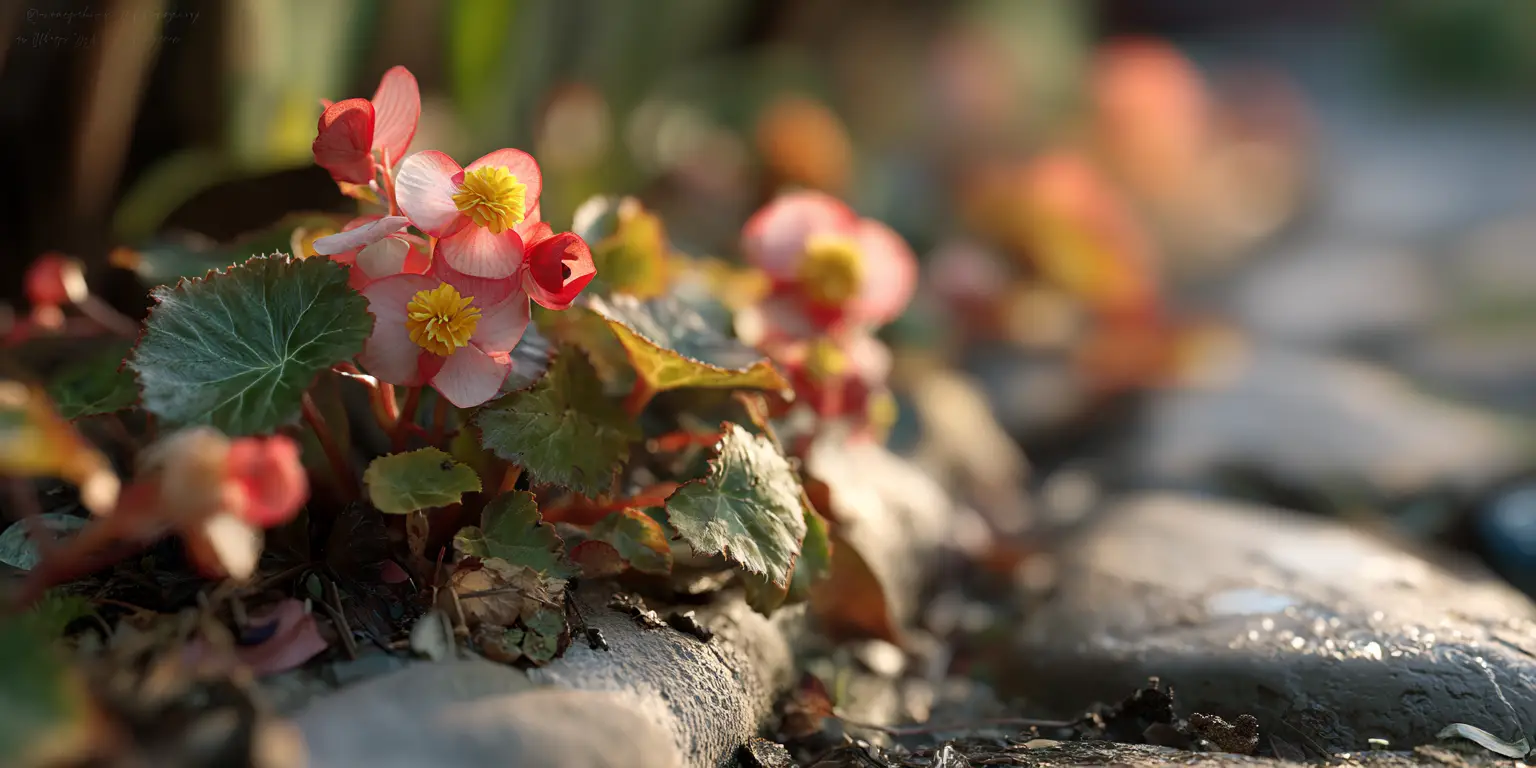
Most begonia flowers have little to no scent. If you sniff a typical wax begonia or a rex begonia bloom, you will usually notice nothing at all. A few specialty tuberous hybrids are sold for fragrance, and their flowers may carry a light sweet or citrus note when you get close. Even then, the scent is gentle. Begonias are mainly grown for color and foliage texture, not perfume.
⚠️ Toxicity and pet safety
Begonias are toxic to many pets if chewed or eaten. They contain calcium oxalate crystals, and the highest concentration is usually in the roots, tubers, or rhizomes. If a cat or dog bites the plant, it can cause immediate mouth irritation, drooling, and discomfort, which often makes the pet stop quickly. It is still best to keep begonias out of reach of animals that like to nibble houseplants. If you think a pet has eaten begonia, contact a veterinarian for guidance. For people, begonias are also not a food plant, and the sap can irritate sensitive skin, so gloves can help when you are pruning or repotting.
🌿 Vase life
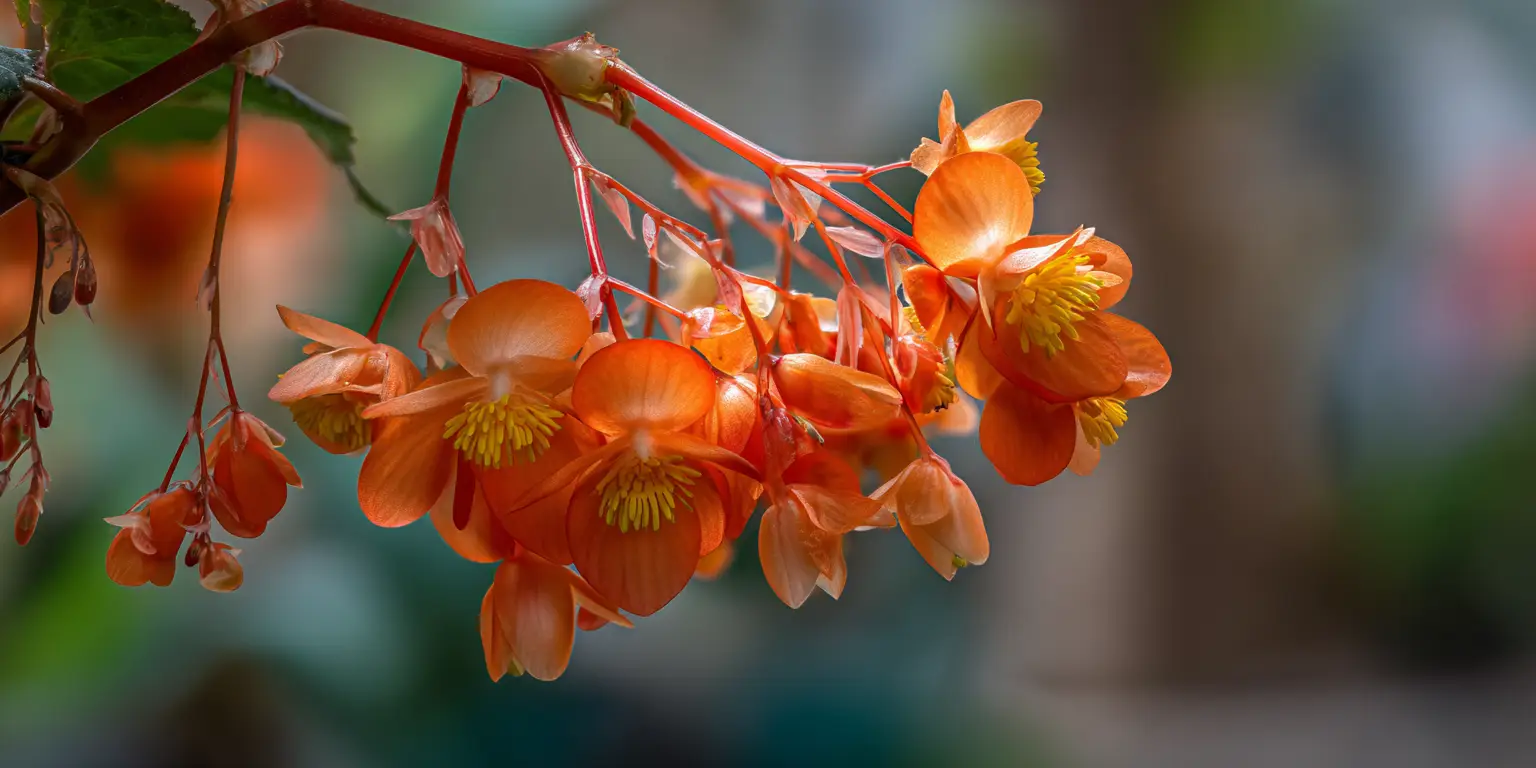
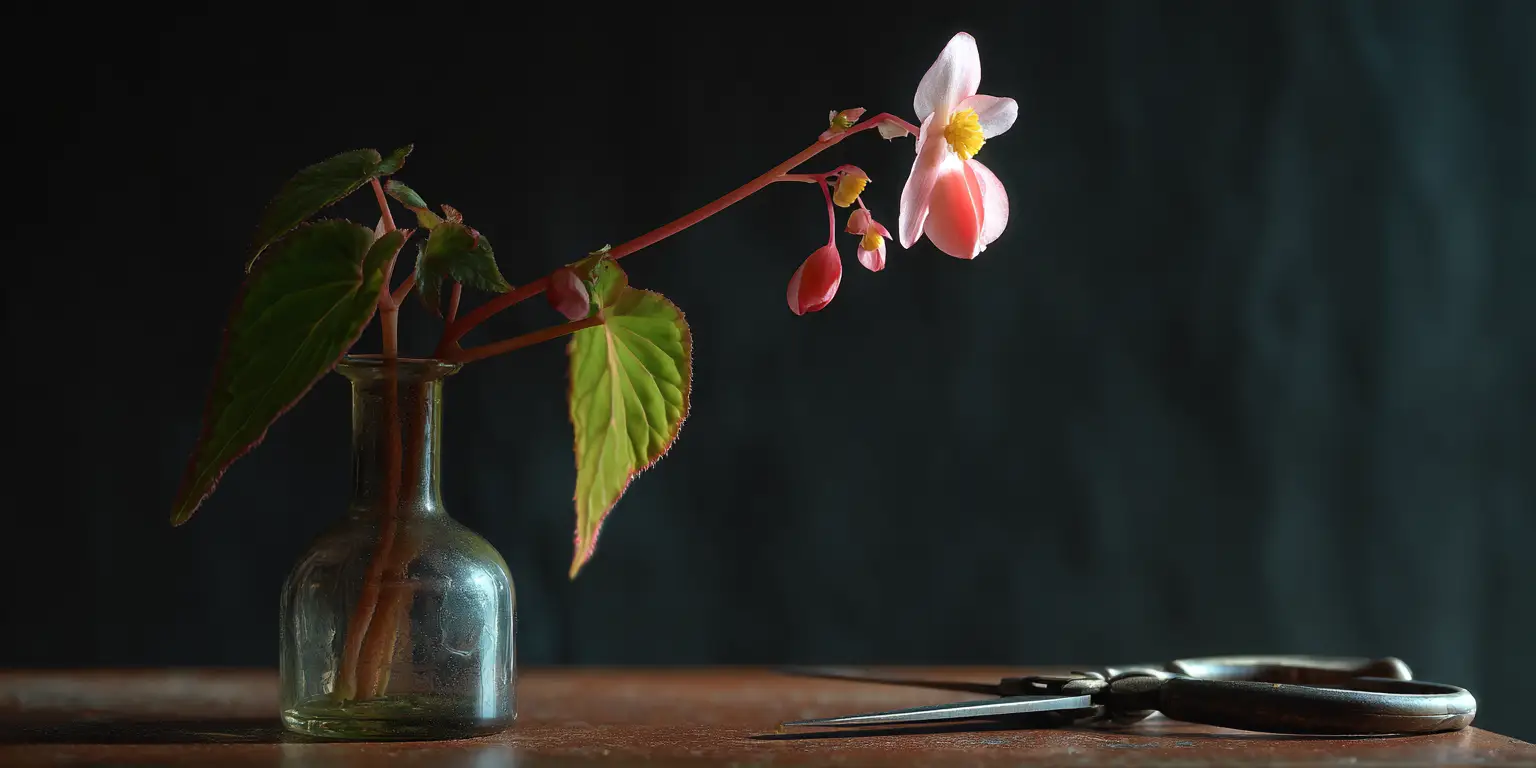
Begonias are not common cut flowers, but a few stems can work in a small arrangement. In a vase, most begonia blooms last several days, often around 5 to 7 days, depending on the type and the room conditions. Cut stems in the cool part of the day, use a clean vase, and remove any leaves that would sit under the water line. Fresh water and a quick recut of the stems every day or two can help them last longer. If you want the begonia look for more than a week, a potted plant on the table usually outlasts a cut arrangement.
🐛 Pests and diseases
Pests
Begonias can attract a handful of common pests, especially indoors or in sheltered spots. Mealybugs, aphids, whiteflies, and spider mites all feed by sucking sap and can leave plants looking weak or sticky. Start by checking leaf undersides and stem joints, then remove what you can by hand and rinse the plant with water if it is practical. For ongoing problems, a gentle, plant-safe control such as insecticidal soap can help when used according to the label. Outdoors, slugs and snails may chew tender leaves overnight, so it helps to keep beds clean and check plants after dark if damage appears. Catching pests early is the biggest advantage, since small infestations are much easier to manage than heavy ones.
Diseases
Begonias can run into disease problems when air is still and leaves stay damp for long stretches. Powdery mildew can show up as a pale, dusty coating on leaves, while gray mold (Botrytis) often starts on fading flowers or damaged tissue. Good spacing, pruning for airflow, and watering at the soil line all reduce risk. Root and stem rots are usually tied to overwatering or poorly draining soil, so drainage matters as much as watering frequency. Bacterial leaf spot can cause dark, water-soaked patches on leaves, and infected leaves should be removed so it does not spread. If a disease keeps returning, use a product labeled for that specific issue and follow the directions carefully.
FAQ
Are begonias annuals or perennials?
Most begonias are perennials in warm, frost-free climates. In colder regions they are treated like annuals because frost kills them unless you overwinter them indoors or save tubers.
What are the main types of begonias?
Gardeners often talk about begonias by growth habit. The common groups are fibrous-rooted “wax” begonias, tuberous begonias, cane-stemmed begonias (often called Angel Wing types), and rhizomatous begonias, including rex begonias. Each group grows a little differently, but the basic needs are similar.
Can I grow begonias indoors as houseplants?
Yes. Many begonias do very well indoors, especially rex and cane types. Give them bright, indirect light, steady moisture with good drainage, and a spot away from cold drafts and hot, dry vents.
Do begonias prefer sun or shade?
Most begonias prefer partial shade. They do best with gentle sun and protection from harsh midday rays. Too much sun can scorch leaves, while deep shade can reduce flowering and make plants stretch.
How often should I water my begonia?
There is no perfect schedule. Check the soil and water when the top inch feels dry, then water well and let extra drain away. Hot, dry weather usually means watering more often, while cool or humid conditions mean less.
Do begonias need fertilizer?
Light feeding during active growth can help. A balanced, water-soluble fertilizer used at a reduced strength every few weeks is usually enough. Too much fertilizer can cause weak growth or leaf damage, so it is better to go gently.
Should I deadhead begonia flowers?
It depends on the type. Many wax begonias drop old blooms on their own, but removing faded flowers keeps the plant tidy. Tuberous begonias often look better with regular deadheading, especially in humid weather when old petals can turn mushy.
How do I propagate a begonia plant?
Stem cuttings are the simplest method for many begonias. Leaf cuttings also work well for rex and other rhizomatous types. Some begonias can be divided, and tuberous begonias can be carried over by saving the tuber.
How can I overwinter my begonias in cold climates?
The easiest approach is to grow begonias in pots and bring them indoors before frost. For tuberous begonias, you can let the tops die back, store the tuber dry through winter, and replant it in spring. Another option is to take cuttings in late summer and grow the young plants indoors until outdoor temperatures warm again.
Interesting tips
- Some begonia petals are edible, but only with caution. They can taste tangy because of oxalic acid, and they are best treated as an occasional garnish, not a snack. People who need to limit oxalates should avoid them.
- A single leaf can start new plants for some types, especially rex begonias. Set a healthy leaf on moist mix with good humidity, and small plantlets can form along the veins over time.
- Begonias are known for lopsided leaves. One side of the leaf base is usually larger than the other, and once you notice it, it is hard to unsee.
- Begonias carry separate male and female flowers on the same plant. Male flowers usually look fuller, while female flowers have a small swollen seed capsule behind the petals.
- If you grow tuberous begonias, you can often keep the tubers and replant them next season. Store them dry and protected from freezing so they are ready to sprout again in spring.
- Many begonias come from humid forests, so dry indoor air can rough up leaf edges. A humidity tray or grouping plants together can help, as long as the potting mix is not kept soggy.
- Pinching back a few tips can make a leggy begonia branch and look fuller. This is especially helpful with cane types grown indoors.
- Room-temperature water is usually easiest on begonias. Very cold water can stress warm roots, and very hot water can damage them.
- In shade beds, begonias pair well with other shade lovers like hostas, ferns, coleus, and impatiens. In containers, trailing plants can soften the edges and highlight the begonia flowers.
- Begonia leaves show every splash and speck of dust. Wiping them gently with a soft cloth keeps the foliage looking sharp and helps the plant take in light.
Related Guides & Flowers
- Impatiens soft shade bedding flower: Compact flowering annual for part shade and shade beds or containers, ideal when gardeners want nonstop color in similar spots where begonias thrive.
- Petunia bright annual for containers and borders: Classic summer annual with mounding or trailing habit that fills window boxes and pots with color just like begonias, but for sunnier positions.
- Geranium colorful pots and porch boxes: Popular container flower with bold clusters of blooms that pairs well with begonias in mixed patio planters and entryway pots.
- Sweet alyssum low edging flower: Fragrant, low growing annual that softens the front edge of beds and hanging baskets and works nicely as a foamy companion around begonias.
- Cosmos airy summer annual: Taller daisy like blooms that give a light cottage garden feel; a good contrast to the solid mounded shape of begonias in mixed borders.
- Zinnias bold color for sunny beds: Bright long blooming annuals for full sun that offer the same strong color impact as begonias for gardeners who have hotter, drier spots.
- Lantana heat loving container flower: Compact shrub like annual in cool climates with clusters of small flowers, great for hot patios where some begonias may struggle but a similar colorful mass effect is wanted.
References
- Begonia UMN Extension: Extension summary of main begonia groups with guidance on light, soil, watering and basic propagation from cuttings.
- Growing Begonias Indoors Clemson HGIC: Fact sheet on using begonias as houseplants, including recommended light levels, watering strategy, fertilizing and pruning indoors.
- Begonias UF IFAS Gardening Solutions: Overview of begonia types and landscape uses, with notes on climate, container use and how they are grouped into fibrous, tuberous and rhizomatous types.
- A Beginners Guide to Begonias Begonia rex cultorum UF IFAS: Detailed information about Rex begonia foliage types including temperature range, USDA zones and indoor growing recommendations.
- Plants With Toxic Properties MGNotes Delaware State University: List of ornamental plants with toxic effects for pets where begonias are noted as having potentially harmful properties, useful for your toxicity section.
Written by: Your Flowers Guide editorial team
We are a small independent group of flower lovers who research and review each guide using trusted horticultural and educational sources. Learn more about us