
Korean tradition assigns a unique flower to each of July’s 31 days. The system runs parallel to the Western birth flower tradition (which gives all of July to water lily and larkspur) and offers a more granular reading that ties specific birthdays to specific blooms.
July in the Korean list features three different rose varieties (briar rose, white rose, yellow rose, plus regular rose) across the month, reflecting July’s status as peak rose season across East Asian flowering tradition. Sunflower appears on July 6 with the meaning “admiration, affection,” giving a culturally significant date for sun-themed symbolism. The month closes with pumpkin flower on July 31, an unusual practical-plant assignment that gives the final day of July an earthy harvest-prediction reading.
In this guide 6 sections
Early July (Jul 1-10): patriotism and admiration
The first ten days of July center on themes of patriotism, longing, and natural admiration.
| Day | Flower | Korean (한국어) | Meaning |
|---|---|---|---|
| Jul 1 | Fig marigold | 단양쑥부쟁이 | Patriotic |
| Jul 2 | Snapdragon | 금어초 | Longing and ambition |
| Jul 3 | White poppy | 흰색 양귀비 | Oblivion |
| Jul 4 | Lily magnolia | 자목련 | Love of nature |
| Jul 5 | Lavender | 라벤더 | Strong fragrance |
| Jul 6 | Sunflower | 해바라기 | Admiration, affection |
| Jul 7 | Gooseberry | 서양까지밥나무 | Expectations |
| Jul 8 | Birdfoot | 버드푸트 | Until we meet again |
| Jul 9 | Ivy geranium | 아이비 제라늄 | Sincere love |
| Jul 10 | Bellflower | 초롱꽃 | Gratitude |
The patriotic theme opens the month with fig marigold (단양쑥부쟁이) on July 1. The flower is also called Korean aster and is found in the Danyang region of Korea, giving the assignment a regional Korean cultural connection. The patriotic reading aligns with July as a politically significant month across multiple national traditions (US Independence Day July 4, French Bastille Day July 14, multiple Asian national days).
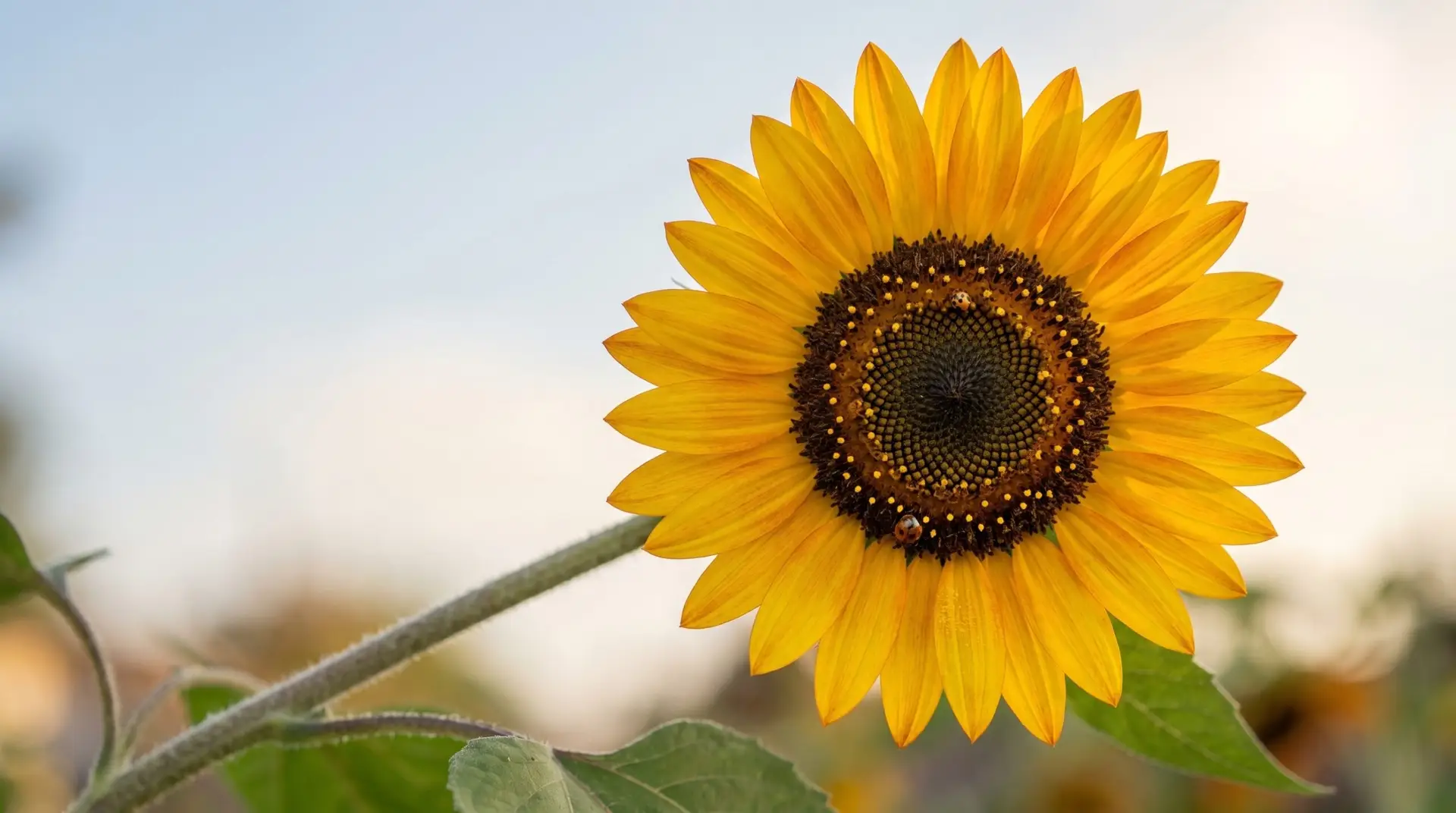
Sunflower (해바라기) on July 6 with “admiration, affection” gives the early July cluster its most visually striking entry. Sunflower’s habit of turning to follow the sun became the basis for its admiration symbolism across multiple cultural traditions. The Korean reading parallels the Western and broader European reading of sunflower as a flower of admiration and steadfast affection.
White poppy (흰색 양귀비) on July 3 with “oblivion” has the broader poppy symbolism of forgetfulness through the connection to opium poppy. The Korean reading parallels Western tradition where white poppy specifically reads as “consolation” and “eternal sleep,” giving the date a memorial-symbolic register.
Bellflower (초롱꽃) on July 10 with “gratitude” connects to the broader Korean folk tradition of bellflower (도라지). While the April 23 balloon flower (also 도라지) is the more famous Korean traditional reading of this plant family, the July 10 bellflower assignment adds another folk-cultural reference to the genus.
Mid July (Jul 11-20): pure love and beauty
The middle ten days move through themes of pure love, briar rose, and quiet beauty.
| Day | Flower | Korean (한국어) | Meaning |
|---|---|---|---|
| Jul 11 | Asphodel | 아스포델 | I’m yours |
| Jul 12 | Solanum | 좁은입배풍동 | Unrestrained |
| Jul 13 | Flower of grass | 잡초의 꽃 | Pragmatic |
| Jul 14 | Phlox | 플록스 | Peaceful |
| Jul 15 | Briar rose | 들장미 | Loveable |
| Jul 16 | Stock flower | 비단향꽃무 | Eternal love, beauty |
| Jul 17 | White rose | 흰색장미 | Respect |
| Jul 18 | Moss rose | 이끼 장미 | Simple |
| Jul 19 | Aconite | 백부자 | Shine beautifully |
| Jul 20 | Eggplant | 가지 | Honest |
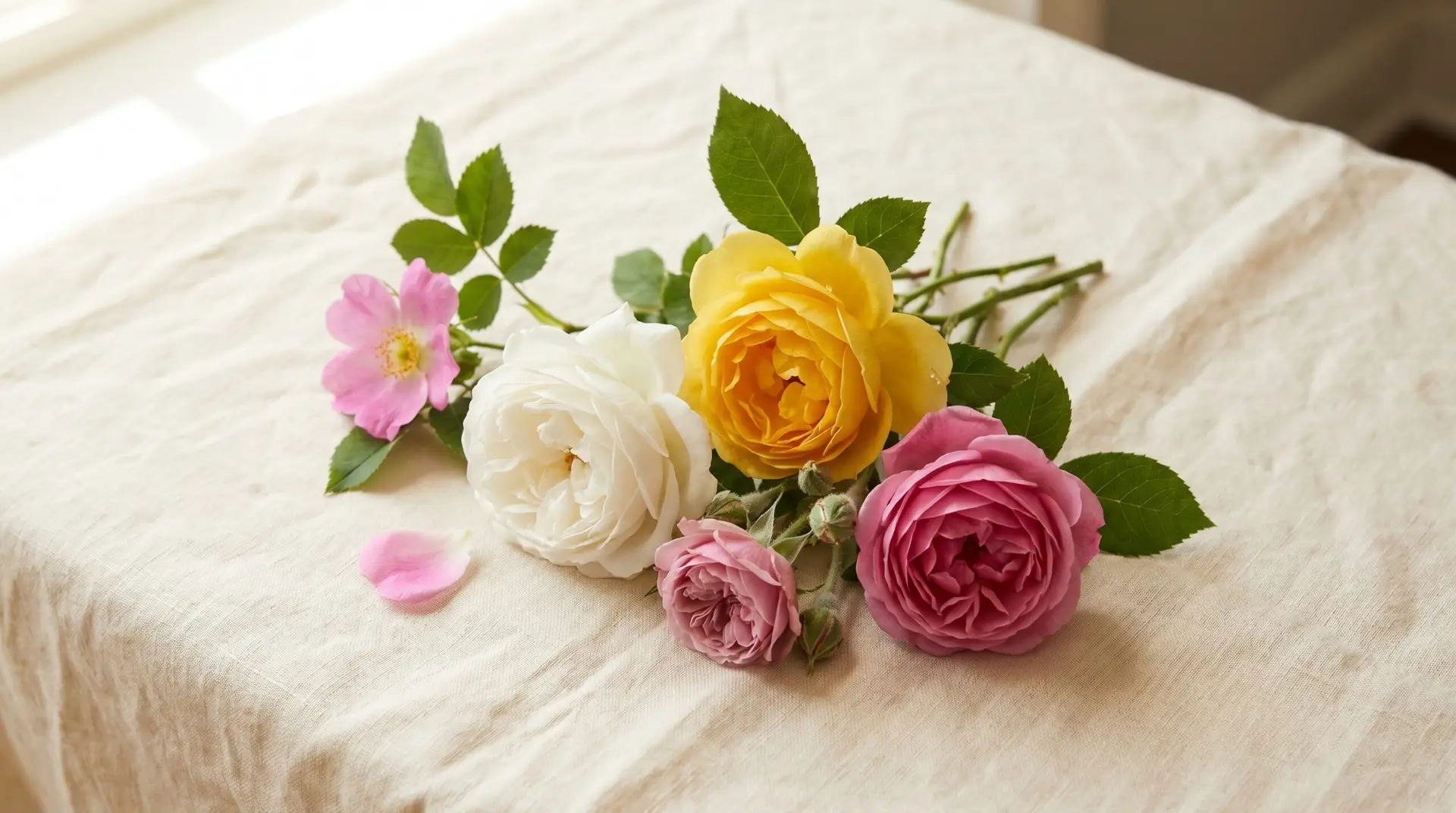
The mid-July cluster features the first concentration of rose varieties in the Korean July list. Briar rose (들장미) on July 15 with “loveable” connects to the wild rose tradition celebrated in European folk culture (the briar rose appears in fairy tales including Sleeping Beauty’s “Briar Rose” version). White rose (흰색장미) on July 17 with “respect” gives the date a formal-ceremonial register suitable for milestone birthday recognition. Moss rose (이끼 장미) on July 18 with “simple” celebrates the smaller wild rose form with quieter aesthetic.
Asphodel (아스포델) on July 11 with “I’m yours” connects to the broader European tradition of asphodel as the flower of the Greek underworld and the Fields of Asphodel where ordinary souls dwell in classical mythology. The Korean reading shifts the symbolism toward romantic-relational devotion rather than the underworld association.
Aconite (백부자, Aconitum) on July 19 with “shine beautifully” holds a striking duality: aconite is one of the most toxic flowering plants in the European garden (it contains aconitine, a powerful neurotoxin used historically for assassinations and execution). The Korean “shine beautifully” reading focuses on the flower’s visible beauty rather than its dangerous chemistry, similar to the broader pattern of Korean folk tradition celebrating visible aesthetic qualities of plants regardless of their utilitarian or toxic properties.
Late July (Jul 21-31): roses and abundant summer
The final eleven days continue the rose theme and add abundant summer harvest references.
| Day | Flower | Korean (한국어) | Meaning |
|---|---|---|---|
| Jul 21 | Yellow rose | 노랑장미 | Beauty |
| Jul 22 | Rainbow pink | 패랭이꽃 | Pure love, longing |
| Jul 23 | Rose | 장미 | Passionate love |
| Jul 24 | Trillium | 트릴리움 | Modest beauty |
| Jul 25 | Elderflower | 엘더플라워 | Zeal |
| Jul 26 | Wormwood | 쑥 | Peace |
| Jul 27 | Geranium | 제라늄 | Determination |
| Jul 28 | Fringed pink | 패랭이꽃 | Bold |
| Jul 29 | Cactus flower | 선인장꽃 | Burning heart |
| Jul 30 | Lime tree blossom | 라임꽃 | Marital bliss |
| Jul 31 | Pumpkin flower | 호박꽃 | Self-confidence |
Yellow rose on July 21 with “beauty” closes the July rose sequence with the third specific rose color assignment. Rose (장미, generic) on July 23 with “passionate love” cross-aligns with Western June primary tradition where rose holds the strongest love symbolism. A July 23 birthday connects directly to the broader Western rose tradition through this specific date assignment.
Cactus flower (선인장꽃) on July 29 with “burning heart” reflects the visual character of bright cactus blooms emerging from harsh desert conditions. The “burning heart” reading suits readers wanting an unusual passionate-symbol birthday assignment beyond conventional flower choices.
Lime tree blossom (라임꽃) on July 30 with “marital bliss” connects to the European tradition of lime/linden tree (Tilia) as a symbol of marital love and gentle protection. Lime trees were traditionally planted as marker trees at village centers and outside churches across central and eastern Europe.
Pumpkin flower (호박꽃) on July 31 with “self-confidence” is the most unusual assignment in the entire Korean July list. Pumpkin flowers are pragmatic agricultural plants rather than ornamental flowers; the Korean assignment treats the bright yellow pumpkin blossom as a symbol of summer abundance and seasonal confidence. The reading suits readers drawn to practical-symbolic rather than purely aesthetic flower symbolism.
How Korea’s July compares to Western tradition
July features one direct cross-cultural alignment between Korean and Western traditions. Rose (장미) on July 23 cross-aligns with Western June primary tradition (rose) where rose holds the strongest love symbolism. The Korean reading “passionate love” matches the Western romantic primary reading of red rose specifically.
The Korean July does not include water lily as a primary flower despite its position as the Western July primary. Korean tradition assigns water lily to May 8 (with “innocent heart” reading) and April 27 (also water lily with “innocent heart”). The two cross-month water lily assignments in Korean tradition compare to the Western single-month July water lily anchor.
Three rose varieties appear in Korean July (briar rose July 15, white rose July 17, yellow rose July 21, rose July 23, moss rose July 18), reflecting July’s role as peak rose-blooming month across East Asian flowering tradition. The Western tradition concentrates rose symbolism in June; Korean tradition spreads rose-family assignments more broadly across June and July.
Sunflower (July 6) gives the Korean July a distinctive cultural anchor that Western July tradition does not have. Sunflower symbolism (admiration, steadfast affection through sun-following habit) is documented across multiple cultures but does not appear in the Western July birth flower system.
Questions
Frequently asked
What is the Korean birth flower for July 6?
Sunflower (해바라기), with the meaning “admiration, affection.” The reading draws on the sunflower’s habit of turning to follow the sun, which became the basis for its admiration symbolism across multiple cultural traditions.
What is the Korean birth flower for July 23?
Rose (장미), with the meaning “passionate love.” This cross-aligns directly with Western June primary tradition where rose holds the strongest love symbolism.
Why does Korean July have so many roses?
July features five rose-family entries (briar rose July 15, white rose July 17, moss rose July 18, yellow rose July 21, rose July 23) reflecting July’s role as peak rose-blooming month across East Asian flowering tradition. The Western tradition concentrates rose in June; Korean tradition spreads rose assignments more broadly.
What is the Korean July 31 pumpkin flower?
Pumpkin flower (호박꽃) on July 31 with “self-confidence” is the most unusual Korean July assignment. The reading treats the bright yellow pumpkin blossom as a symbol of summer abundance and seasonal confidence rather than as an ornamental flower. The reading suits readers drawn to practical-symbolic flower meaning.
Why doesn’t Korean tradition include water lily for July?
Korean tradition assigns water lily to April 27 and May 8 (both with “innocent heart” reading) rather than to July. The Korean system developed independently from Western Victorian tradition and selected different primary flowers for each month based on East Asian flowering timing and folk cultural significance.
What does aconite mean in Korean tradition?
Aconite (백부자, Aconitum) on July 19 has the meaning “shine beautifully.” The reading focuses on the flower’s visible beauty rather than its dangerous toxic chemistry (aconite is one of the most toxic flowering plants in the European garden, containing aconitine neurotoxin).
Which Korean July birth flower is for my birthday?
Find your date in the tables above. The Korean tradition assigns one specific flower to each day from July 1 (fig marigold) through July 31 (pumpkin flower). Each daily flower has its own symbolic reading.
Sources
- Korean birth flower 365-day tradition guide · Creatrip Korean culture portal
Keep reading
July birth flower: water lily, larkspur, and what they mean
Larkspur flower meaning: Greek mythology, growing, and toxicity
Water lily tattoo: designs, Egyptian heritage, and placement
Birth flower by month: all 12 monthly flowers
Enjoying our flower guides? Add YourFlowersGuide as a preferred source on Google. It helps more readers find us.
Add to Preferred Sources