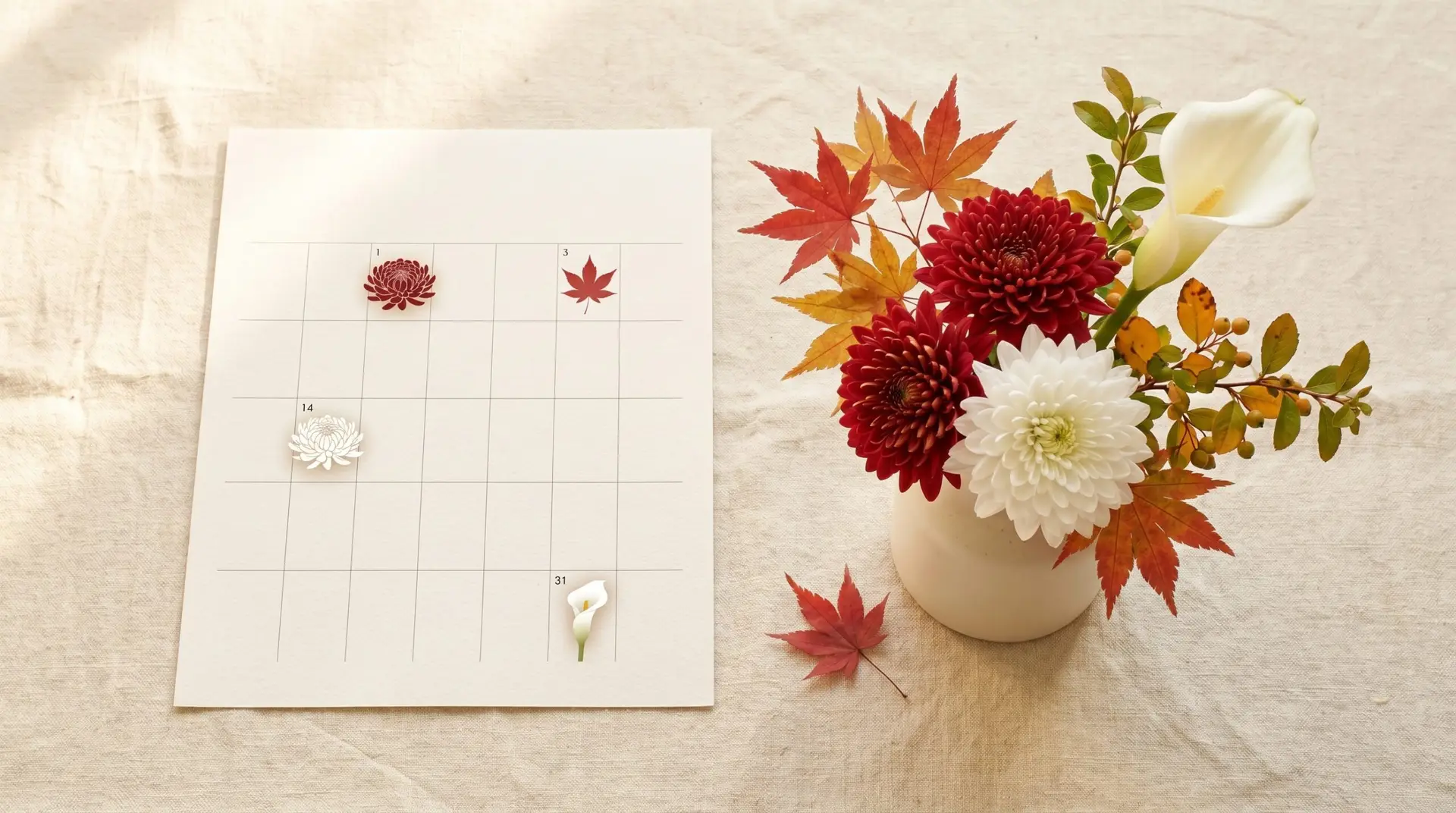
Korean tradition assigns a unique flower to each of October’s 31 days. The system runs parallel to the Western birth flower tradition, which gives all of October to marigold and cosmos, and offers a more granular reading that ties specific birthdays to specific blooms.
October in the Korean list opens on red chrysanthemum with the meaning “love” and closes on calla with the meaning “enthusiasm.” Between those points the month moves through autumn trees such as maple, fir, and hazel, fruit-bearing plants such as melon, grape, and cranberry, and a second chrysanthemum date in white. The meanings carry a mix of warmth and resolve, from the love of the first day through the independence and confronting tone of the later dates, before the month ends on a bright closing note.
In this guide 6 sections
Early October (October 1-10): autumn color and harvest
The first ten days of October in the Korean tradition move through autumn color, evergreen trees, and early harvest.
| Day | Flower | Korean (한국어) | Meaning |
|---|---|---|---|
| October 1 | Red Chrysanthemum | 빨강 국화 | Love |
| October 2 | Apricot | 살구 | Shyness of a girl |
| October 3 | Maple Tree | 단풍나무 | Restraint and wisdom |
| October 4 | Common Hop | 홉 | Pure |
| October 5 | Palm Tree | 종려나무 | Victory |
| October 6 | Hazel Tree | 개암나무 | Reconciliation |
| October 7 | Fir Tree | 전나무 | Noble |
| October 8 | Parsley | 파슬리 | Victory |
| October 9 | Fennel | 희향 | Praise |
| October 10 | Melon | 멜론 | Abundance |
Red chrysanthemum on October 1 with “love” opens the month on a warm reading. Chrysanthemum is a defining autumn flower across East Asia, and the red form here takes the most direct romantic meaning of the genus. The same genus returns later in the month in white, so October begins and turns again on the bloom most tied to the season.
Maple tree on October 3 with “restraint and wisdom” names the tree behind much of the autumn landscape, when maple foliage turns through red and gold. Fir tree on October 7 with “noble” and hazel tree on October 6 with “reconciliation” bring in two more woody plants, the fir holding its green through the cold months while the hazel drops its leaves and sets nuts. The early window leans on trees as much as on flowers.
Melon on October 10 with “abundance” closes the early window on a harvest note, reading the ripe fruit as a sign of plenty. Parsley on October 8 and palm tree on October 5 both carry “victory,” giving the early window a repeated reading across two very different plants. Fennel on October 9 with “praise” rounds out a stretch that mixes garden herbs, fruit, and tall trees rather than holding to a single kind of plant.
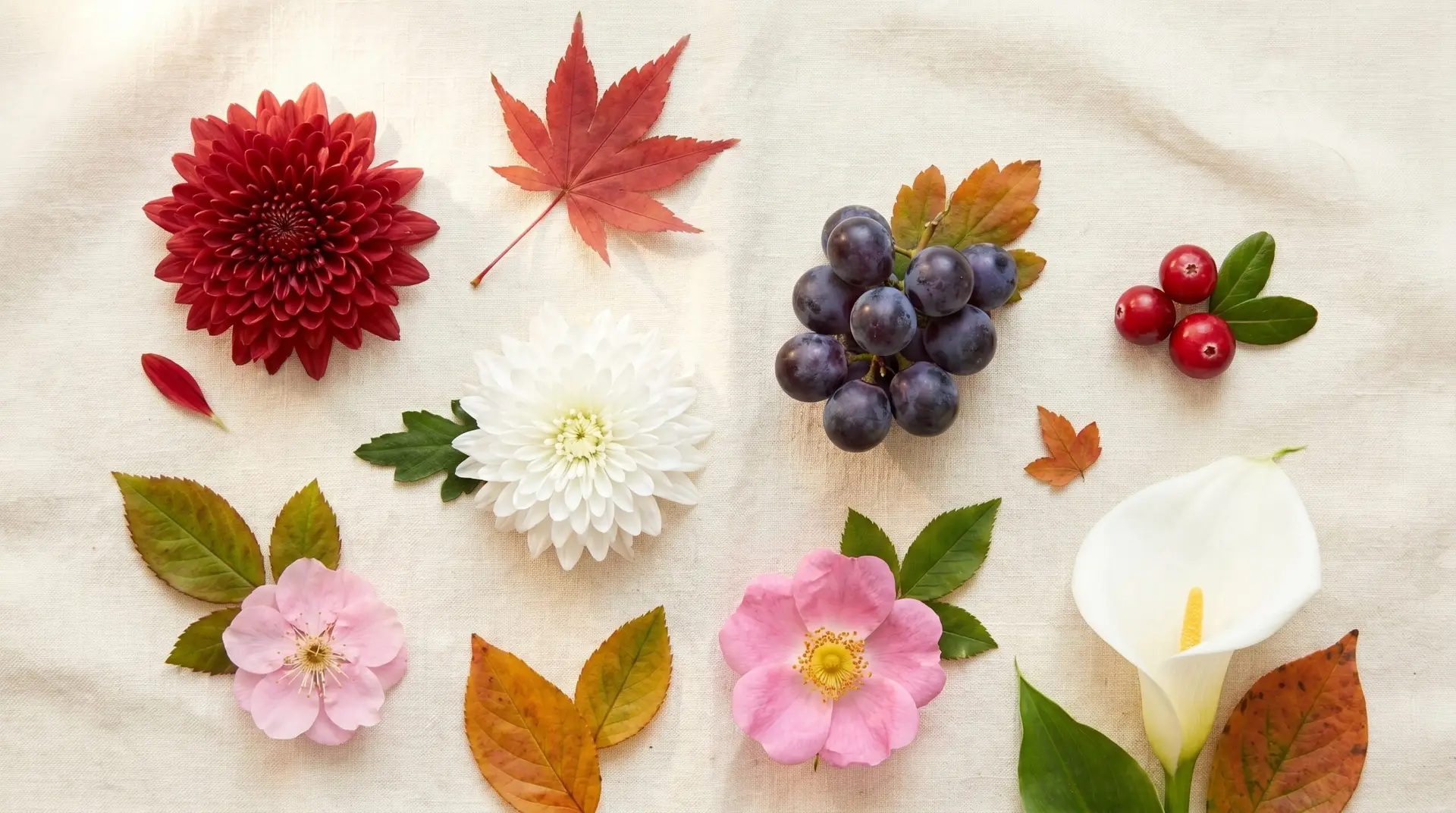
Mid October (October 11-20): steady feeling and ripening
The middle ten days carry themes of steady feeling, ripening fruit, and quiet resolve.
| Day | Flower | Korean (한국어) | Meaning |
|---|---|---|---|
| October 11 | Lythrum | 부처꽃 | Sadness of love |
| October 12 | Lingonberry | 월귤 | Spirit of resistance or defiance |
| October 13 | Bridal Wreath | 조팝나무 | Clear love |
| October 14 | White Chrysanthemum | 흰색 국화 | Truth |
| October 15 | Sweet Basil | 스위트 바즐 | Beautiful hope |
| October 16 | Moss Rose | 이끼장미 | Pure |
| October 17 | Grape | 포도 | Confidence, trust |
| October 18 | Cranberry | 넌출월귤 | Comforting, consoling |
| October 19 | Balsam | 빨강 봉선화 | Don’t touch me |
| October 20 | Yam | 마 | Fate |
White chrysanthemum on October 14 with “truth” sits near the center of the mid-October window and answers the red chrysanthemum that opened the month. The shift from “love” to “truth” runs across the same genus in two colors, with white often read for plainness and sincerity. This is the second chrysanthemum date in the Korean October list.
Grape on October 17 with “confidence, trust” and cranberry on October 18 with “comforting, consoling” carry the ripening-fruit theme of the middle window. Grape ripens through early autumn, and cranberry sets its tart fruit late in the season, so both readings draw on harvest rather than on flower. Lingonberry on October 12 with “spirit of resistance or defiance” adds a third fruiting plant, a low evergreen shrub that holds its berries into the cold.
Bridal wreath on October 13 with “clear love” reads the arching spring-flowering shrub for a plain, settled affection. Balsam on October 19 with “don’t touch me” takes its meaning from the plant’s habit of bursting its ripe seed pods at a touch, a literal trait read into the flower’s symbolism. Yam on October 20 with “fate” closes the window on a root crop gathered in autumn.
Late October (October 21-31): resolve and enthusiasm
The final eleven days move through independence, respect, and a bright closing note.
| Day | Flower | Korean (한국어) | Meaning |
|---|---|---|---|
| October 21 | Thistle | 엉겅퀴 | Independence |
| October 22 | Arrowhead | 벗풀 | Credibility |
| October 23 | Thorn apple | 흰독말풀 | Respect |
| October 24 | Chinese Plum | 매화 | Noble heart |
| October 25 | Red Emperor Maple | 단풍나무 | Mental and spiritual strength |
| October 26 | Rumex | 수영 | Love |
| October 27 | Briar Rose | 들장미 | Poetry |
| October 28 | Rose of Sharon | 무궁화 | Subtle beauty |
| October 29 | Crab Apple | 해당화 | Lead, guide |
| October 30 | Lobelia | 로벨리아 | Confronting evil |
| October 31 | Calla | 칼라 | Enthusiasm |
Thistle on October 21 with “independence” opens the closing window on a self-standing note, fitting a spiny plant that grows on its own terms. Arrowhead on October 22 with “credibility” and thorn apple on October 23 with “respect” continue a run of firm, plain readings before the meanings warm again. Chinese plum on October 24 with “noble heart” names a flower more often linked with late winter and early spring, here read for inner character rather than season.
Red emperor maple on October 25 with “mental and spiritual strength” gives the month its second maple date, after the October 3 maple tree with “restraint and wisdom.” Both readings hold to themes of steadiness and inner reserve, and the two maples bracket the deep-autumn stretch when foliage color is at its strongest. Rumex on October 26 with “love” returns a warm reading after the firmer days before it.
Rose of sharon on October 28 with “subtle beauty” and briar rose on October 27 with “poetry” carry the gentler readings of the late window. Crab apple on October 29 with “lead, guide” names a small fruiting tree of autumn. Lobelia on October 30 with “confronting evil” precedes the close, and calla on October 31 with “enthusiasm” ends October on a bright, forward reading rather than a quiet one.
How Korea’s October compares to Western tradition
The Korean October list does not line up directly with the Western monthly flowers. The Western primary for October is marigold and the secondary is cosmos, and neither appears in the Korean daily assignments for the month. There is no literal flower-for-flower match between the two traditions on any October date.
The Korean month instead opens and turns on chrysanthemum, with red chrysanthemum on October 1 and white chrysanthemum on October 14. Chrysanthemum is the central autumn flower across East Asia, while the Western tradition does not give it a monthly position until November. The difference places the Korean October closer to chrysanthemum than to the marigold the Western calendar names.
A reader comparing the two systems for October will find them complementary rather than overlapping. The Western reading offers marigold and cosmos for the whole month, and the Korean list offers a specific flower for the exact date, but the two do not meet on a shared bloom the way some other months do.
For an October birthday, both readings can stand side by side. The broad Western pairing of marigold and cosmos covers the month, while the Korean tradition names one flower for each day, from red chrysanthemum on October 1 through calla on October 31.
Questions
Frequently asked
What is the Korean birth flower for October 1?
Red chrysanthemum (빨강 국화), with the meaning “love.” Chrysanthemum is a defining autumn flower across East Asia, and the red form takes the most direct romantic reading of the genus.
What is the Korean birth flower for October 24?
Chinese plum (매화), with the meaning “noble heart.” The reading points to inner character rather than to the late-winter and early-spring season the flower is usually linked with.
Does Korean tradition use marigold for October?
No. Marigold is the Western primary flower for October, but the Korean daily list does not include it. The Korean October list opens and turns on chrysanthemum instead.
Does Korean tradition use cosmos for October?
No. Cosmos is the Western secondary flower for October, and it does not appear on any October date in the Korean daily list. There is no direct flower-for-flower match between the two traditions this month.
Why does chrysanthemum appear twice in October?
The Korean October list assigns red chrysanthemum to October 1 (“love”) and white chrysanthemum to October 14 (“truth”). The same genus in two colors carries two readings, and chrysanthemum is the central autumn flower in East Asian tradition.
Which Korean October birth flower is for my birthday?
Find your date in the tables above. The Korean tradition assigns one specific flower to each day from October 1 (red chrysanthemum) through October 31 (calla), and each daily flower has its own short meaning.
Sources
- Korean birth flower 365-day tradition guide · Creatrip Korean culture portal
Keep reading
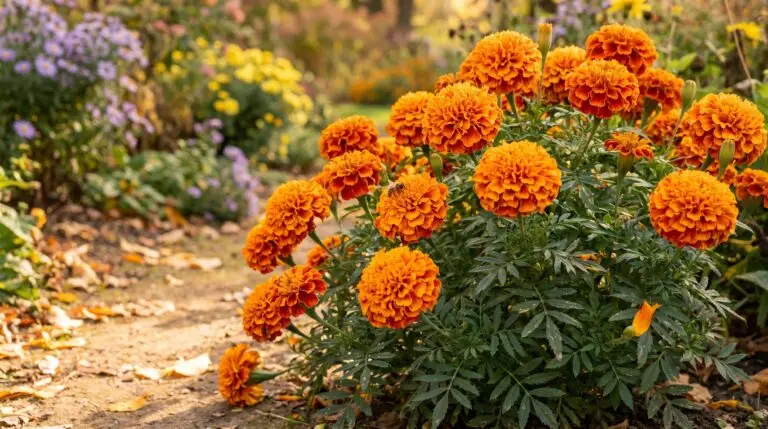
October birth flower: marigold, cosmos, and what they mean
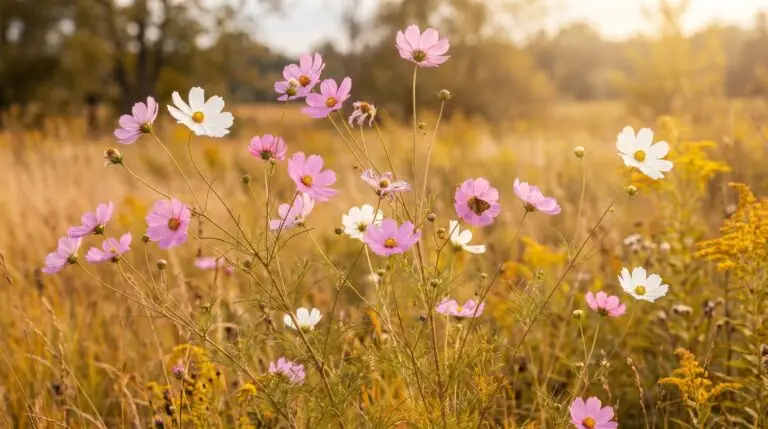
Cosmos flower meaning: Greek kosmos, chocolate cosmos, and growing

Marigold tattoo: meaning, designs, and Day of the Dead heritage
Birth flower by month: all 12 monthly flowers
Enjoying our flower guides? Add YourFlowersGuide as a preferred source on Google. It helps more readers find us.
Add to Preferred Sources