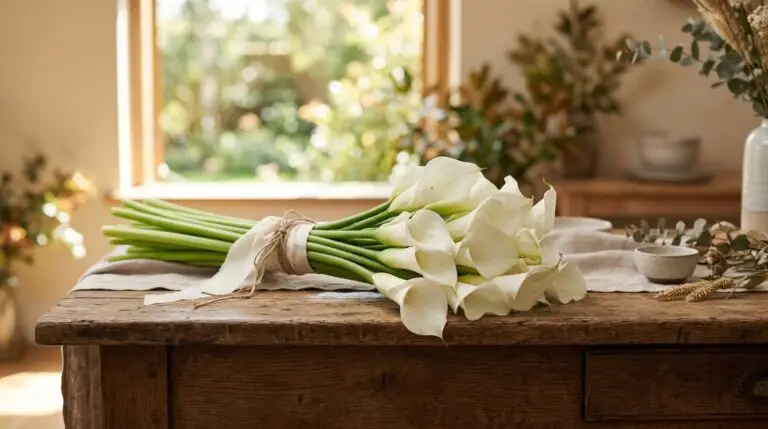
The classic white calla lily is an undeniable icon of the floral world, but the real obsession takes hold when you discover the colored hybrids. The sleek, recognizable sculptural form remains intact, but the palette expands into deep purples, fiery oranges, and painted bi-colors. The transition from admiring these sleek stems in florist windows to actually growing them in your own garden is a deeply rewarding shift. I still remember planting my first colored tuber and waiting weeks to see if the bloom would actually match the vivid picture on the package. When that first tight, painted spathe finally unfurled in the morning light, I was completely hooked. The sheer variety of mini calla lily colors invites you to treat them less like standard landscaping plants and more like a carefully curated collection.
Understanding the difference in how they grow
To truly succeed with these plants, you have to understand the fundamental split within the Zantedeschia family. The giant white trumpets you see growing vigorously near ponds are Zantedeschia aethiopica, which possess thick rhizomes and actually thrive in wet, boggy soil. The colored calla lilies, frequently referred to as mini callas, are complex hybrids of different South African species and grow from knobby, potato-like tubers. These colorful hybrids demand entirely different care, specifically excellent drainage, because their tubers will quickly turn to mush if left in cold, soggy ground. Learning this distinction was a hard lesson for me early on, as I lost a few beautiful, expensive tubers to rot before I realized they needed loose soil and a dry winter rest. Giving them a porous potting mix and letting the soil dry out slightly between waterings makes all the difference in keeping the tubers firm and healthy.
Once you provide the colored hybrids with the drainage they crave, they prove to be surprisingly straightforward and communicative plants. They sprout late in the spring, taking their time underground until the soil really warms up, which can certainly test the patience of an eager gardener. The foliage emerges first, and even without flowers, many varieties produce striking arrow-shaped leaves heavily speckled with translucent white spots. Seeing those speckled, spear-like leaves push through the potting soil is the first thrill of the season, signaling that the dormant tubers survived storage and are gathering strength. The foliage creates a lush, architectural base that looks entirely distinct from a true lily, holding its own in a container or a mixed garden bed for months. Even when the plants are resting between flush cycles of blooms, the spotted leaves provide a wonderful textural contrast against ferns and wide-leafed hostas.
Exploring the spectrum of mini calla lily colors
The sheer diversity of available calla lily varieties is exactly what turns a casual summer gardener into a dedicated collector. The variety Picasso is a perfect example of why these hybrids are so compelling, opening with a deep violet-purple throat that bleeds outward into a crisp, creamy white rim. It is an incredibly sophisticated flower that looks painted by hand, and it performs beautifully in pots where you can appreciate the subtle color bleed up close. I have found that Picasso consistently produces a generous number of blooms per tuber, making it one of the most reliable and satisfying varieties to start with. The sharp contrast between the dark center and the pale edge catches the light beautifully in the early morning garden, drawing the eye from across the yard. Every new bloom opens with slightly different proportions of purple and white, making each flower feel like a distinct event.
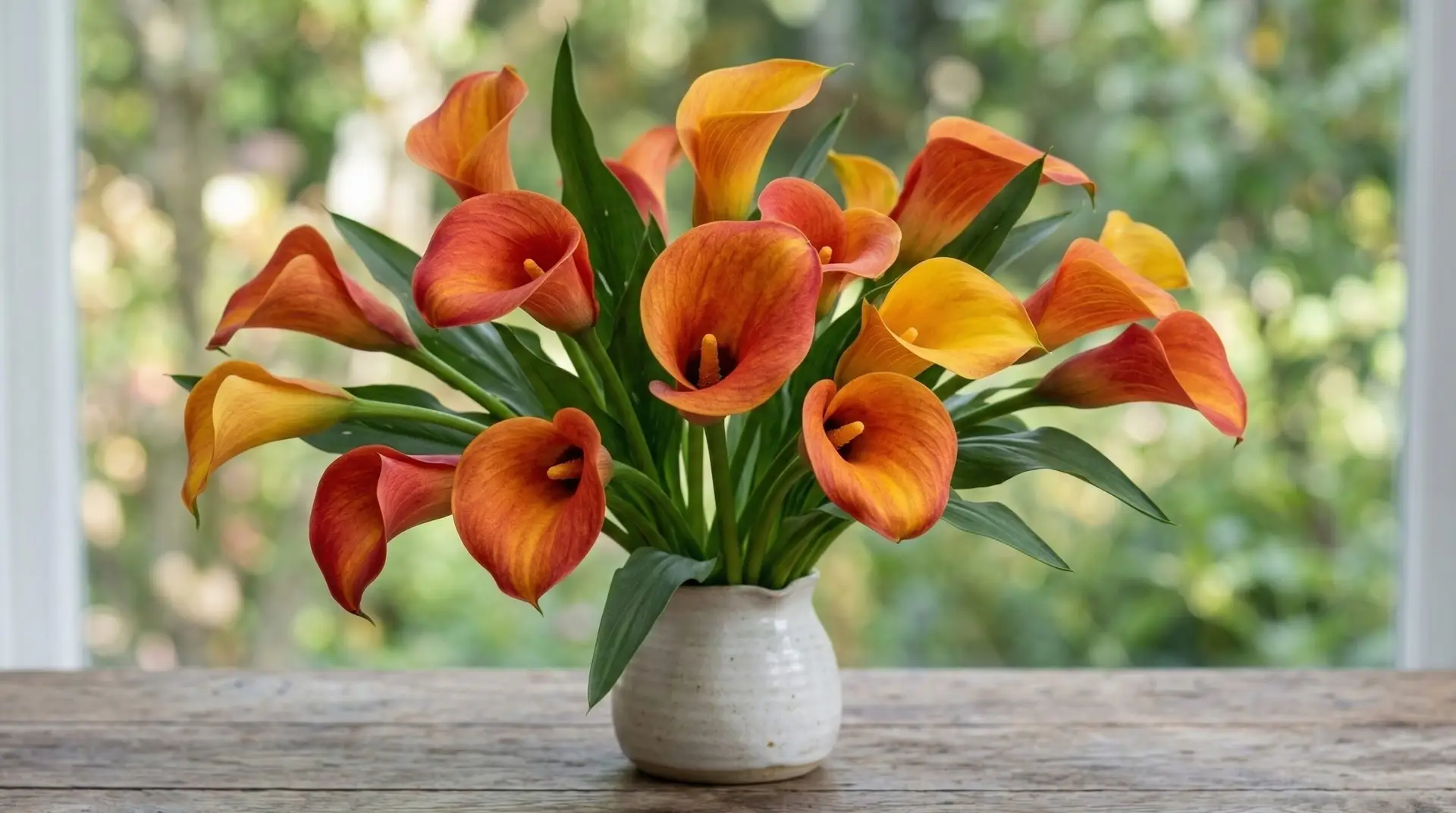
If you lean toward warmer tones, the Mango and Flame varieties offer a completely different mood and energy for the summer patio. Mango opens in shades of soft, muted peach and deepens into a rich, saturated orange as the flower matures, shifting its color profile day by day. Flame brings a more aggressive heat to the container garden, mixing bright golden yellow with intense red-orange edges that look exactly like a fire burning from the base of the flower. Watching these warm-toned varieties develop is fascinating because the colors actively respond to the sun, intensifying with the temperature and light levels in your garden. I like to group these fiery colors together in a single large terracotta pot, where they create a dense thicket of spotted leaves and glowing, sunset-colored trumpets. The warm colors seem to hold the late afternoon light, glowing brightly even as the rest of the garden begins to fade into shadow.
For those who appreciate botanical drama, Black Star is an absolute necessity in any serious collection of colored calla lilies. The blooms are such a deep, velvety maroon that they read as true black in the right light, and even the thick stems carry a dark, purplish tint. Getting a dark flower to stand out against green foliage can be tricky, but the glossy texture of the Black Star spathe reflects just enough ambient light to show off its elegant, sweeping curves. This dark intensity shares a similar sculptural quality with a dark-spathed anthurium, relying on sharp shape and smooth texture just as much as deep color. Pairing Black Star with a pale, luminous variety like Crystal Blush, which opens pure white and slowly takes on a faint pink edge, highlights the distinct personality of both plants. The contrast between the heavy, dark velvet of Black Star and the delicate, blushing transparency of Crystal Blush is endlessly fascinating to observe.
The reality of growing and cutting callas
Growing these tubers is deeply satisfying, but it does come with specific challenges that every enthusiast eventually has to navigate. The colored hybrids are quite sensitive to heat stress, and in the peak of a sweltering summer, they might stop blooming entirely and drop their older, yellowing leaves. I have learned to position my pots where they get bright morning sun but are completely shielded from the harsh afternoon glare, which keeps the foliage looking fresh and extends the bloom time significantly. You also have to accept that these are not permanent garden fixtures in cold climates, requiring you to dig up the tubers after the first frost and store them indoors in dry peat moss. Digging them up is a messy chore, but it also gives you the chance to divide the tubers that have multiplied over the summer. Finding a massive, healthy cluster of tubers where you only planted a single small piece in the spring feels like a quiet, well-earned reward at the end of the season.
The true payoff for all this careful planting, watering, and winter storage comes when you bring the mature flowers indoors. Calla lilies are exceptional cut flowers, easily lasting up to two weeks in a vase if you keep the water clean and give the fleshy stems a fresh cut every few days. You do not cut the stems with shears, but rather pull them firmly from the base of the plant, which cleanly snaps the stem and actually encourages the tuber to produce more flowers. A simple glass vase holding just three or four stems of a variety like Picasso or Mango needs absolutely no other foliage or filler to look completely finished, unlike a traditional lily arrangement. The clean, unadorned lines of the stems and the rich, saturated colors of the blooms bring the specific, hard-won beauty of the garden right to your kitchen table. That simple act of pulling a perfect, colorful stem from a plant you nurtured from a dormant tuber is exactly what keeps me planting them year after year.
More About Calla Lily
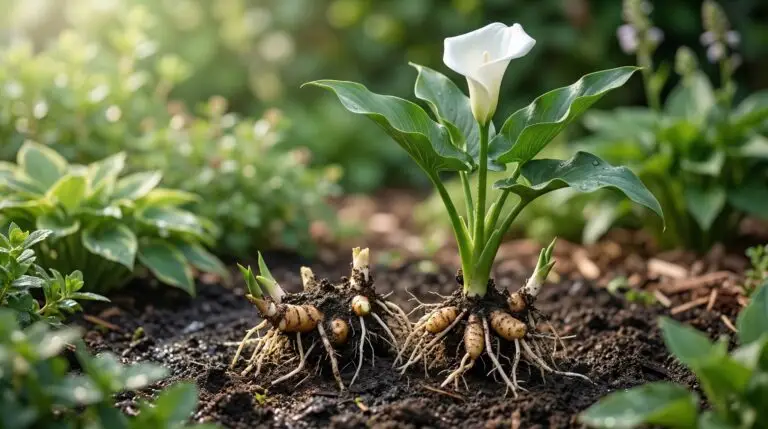
Calla lily propagation by dividing rhizomes for more plants every season
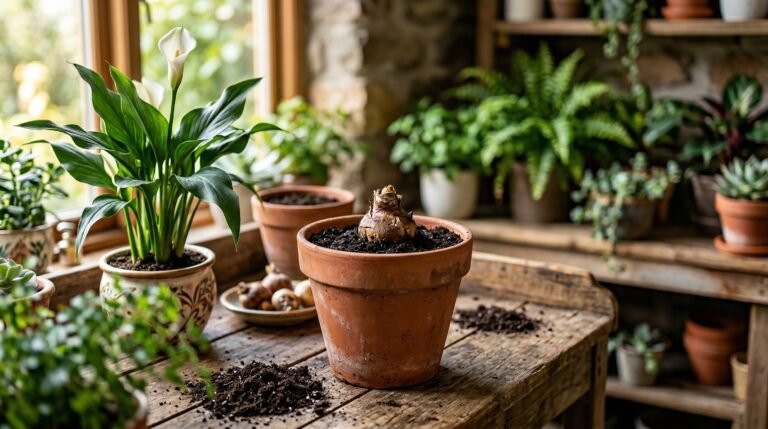
How to grow calla lilies in pots indoors for elegant year-round blooms
Calla lily color meanings and which shade to give for every occasion
Growing calla lilies outdoors in garden beds as a summer focal point