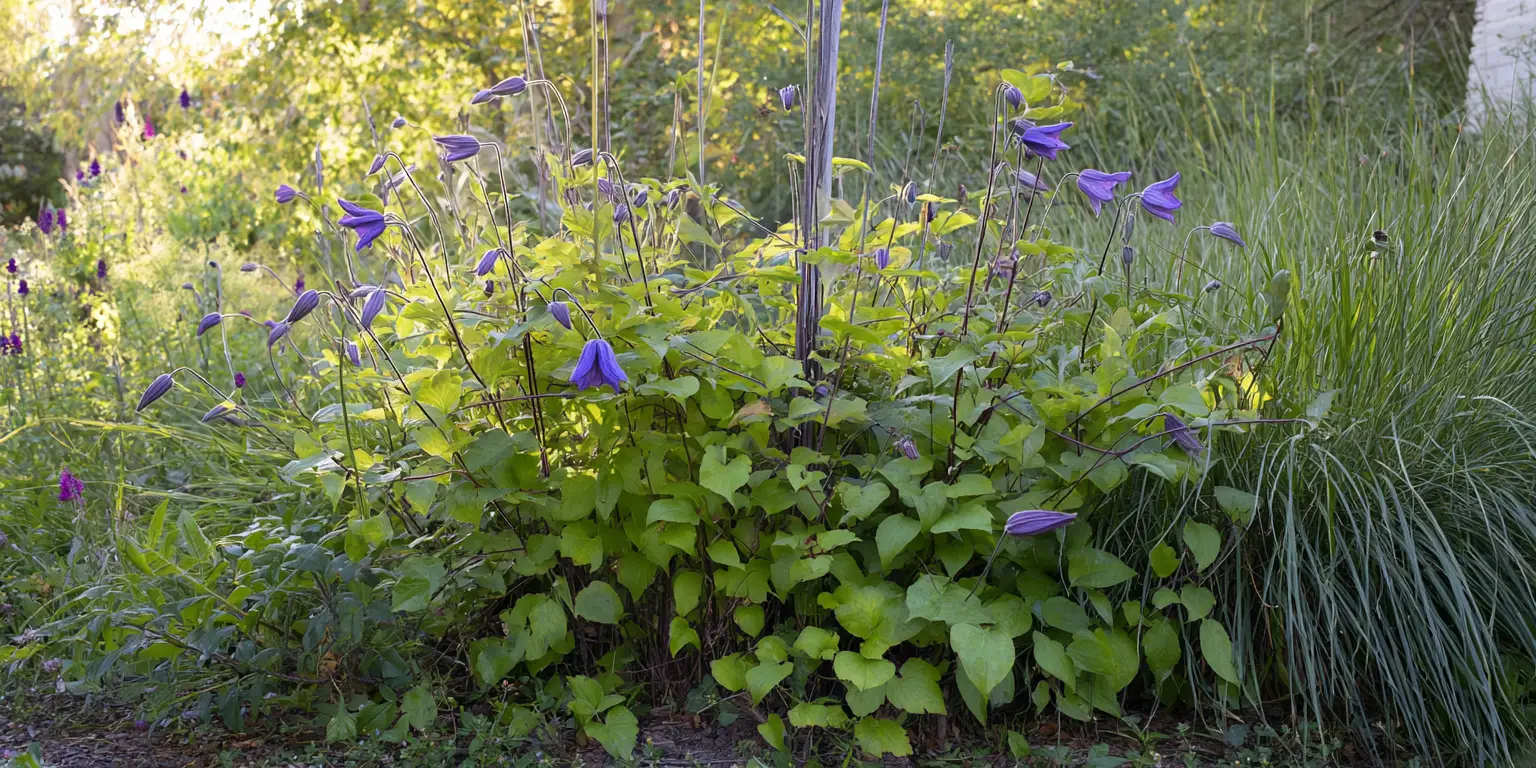
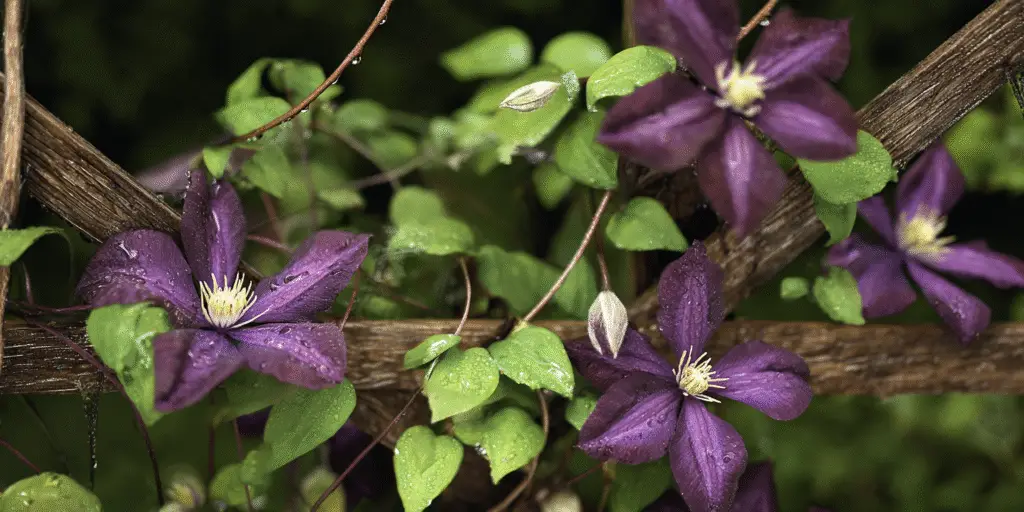
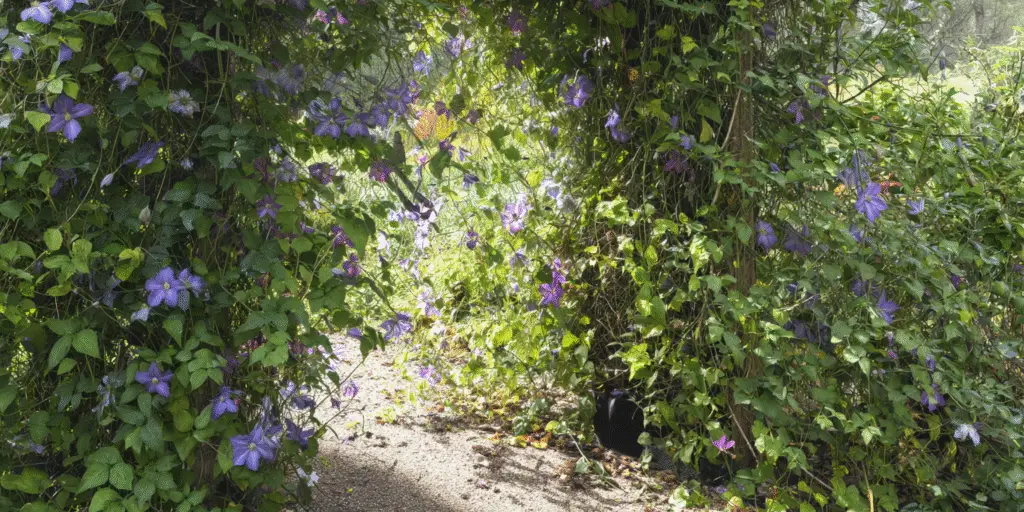
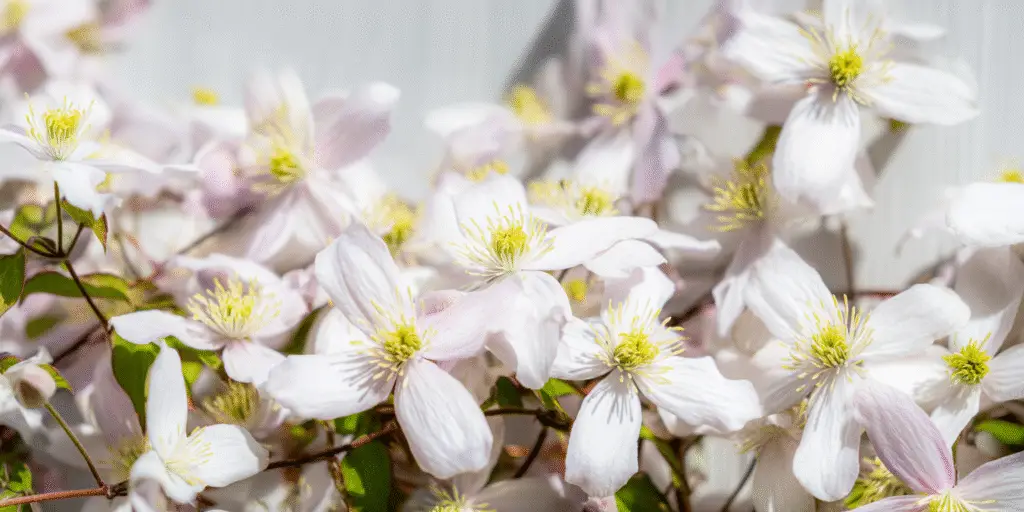
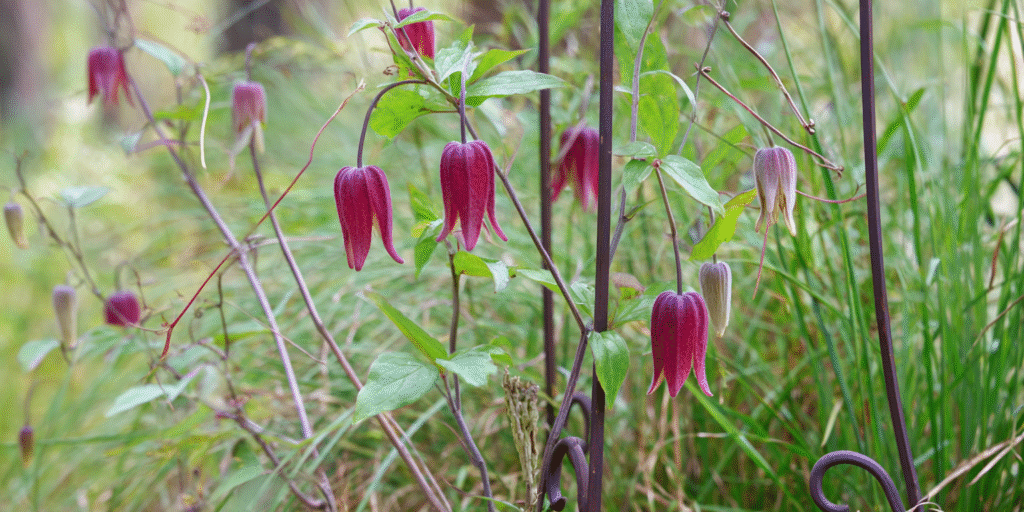
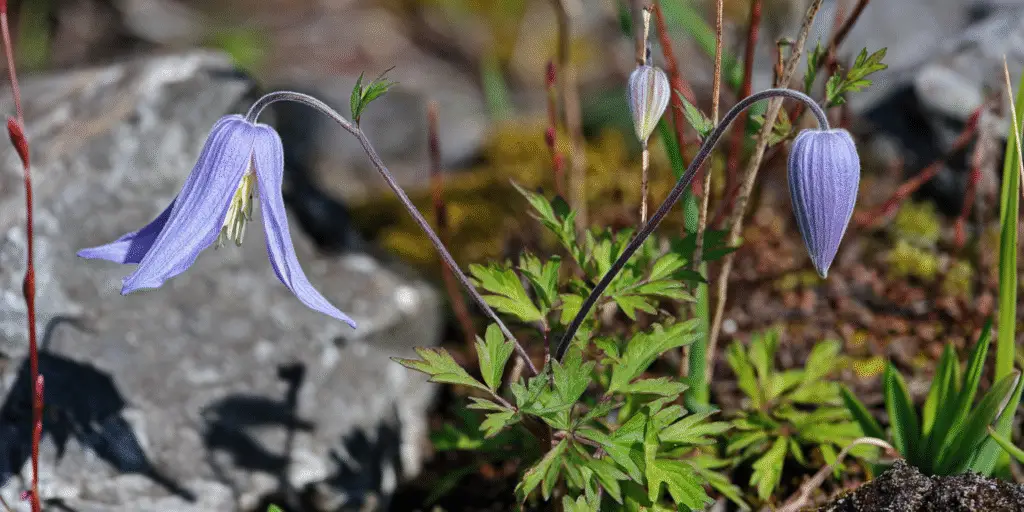
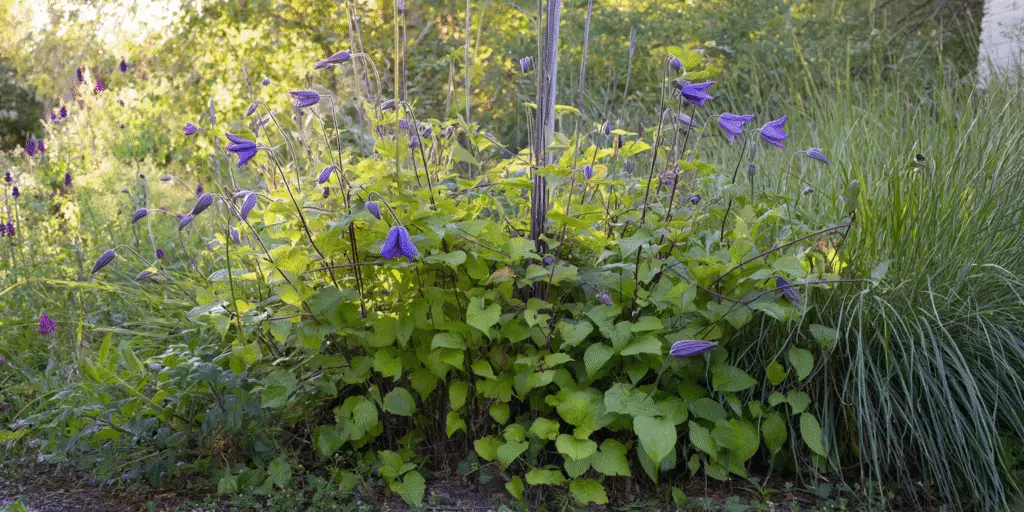
This is a non‑climbing, herbaceous clematis that forms a low mound. It bears solitary, nodding, urn‑shaped blue flowers over a long season. It suits sunny borders and meadow‑style plantings where light staking is possible. Stems die back to the woody base each year in cold regions. It prefers cool, evenly moist soil with good drainage. Seed heads provide ornamental interest after bloom.
At‑a‑glance
Group/Class: Herbaceous clematis; Pruning Group 3
Height × spread: 1.5–3 ft × 2–3 ft (0.5–0.9 m × 0.6–0.9 m)
Bloom window: May to September
Color & flower form: Nodding urn‑shaped blue flowers, about 1–2 in (2.5–5 cm)
Fragrance: 0 none
USDA hardiness: zones 3 to 7
Breeder / Year / Origin: unknown, Central Europe to Asia
Pet safety: avoid
How it differs
Non‑climbing habit compared with typical twining clematis
Compact height for front of border
Flowers over a long summer window
Dies back each winter in cold climates
Strengths
Cold hardy and durable in zones 3 to 7
Deer and black walnut tolerant in many gardens
Attractive seed heads after flowering
Care in one minute
Site: full sun to part shade; protect root zone with mulch.
Soil: fertile, well‑drained, moisture‑retentive; neutral to slightly alkaline pH.
Water: keep evenly moist; do not allow prolonged drought.
Feeding: light spring fertilizer; avoid heavy nitrogen.
Pruning: Group 3; cut stems back to low buds in late winter.
Overwintering: no special care beyond mulch in colder zones.
Watch‑outs
Can sprawl without light support or neighboring plants
Needs consistent moisture in summer
Standard clematis diseases possible in humid weather
Written by: Your Flowers Guide editorial team We are a small independent group of flower lovers who research and review each guide using trusted horticultural and educational sources. Learn more about us