in bloom
now
through Oct
Bloom calendar
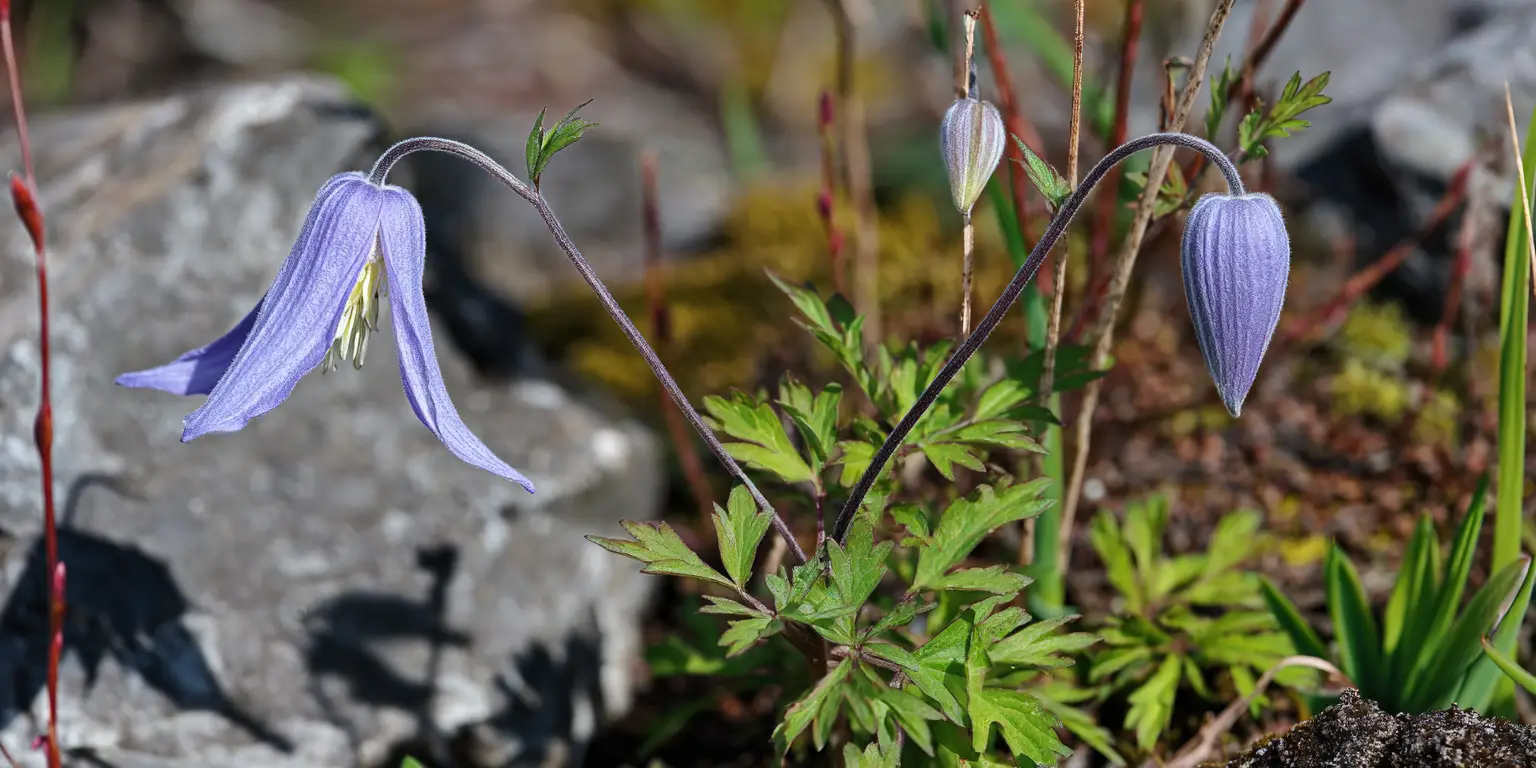
Clematis alpina
Atragene Group; Pruning Group 1
At‑a‑glance
- Group/Class: Atragene Group; Pruning Group 1
- Height × spread: 5–8 ft × 3–5 ft (1.5–2.4 m × 0.9–1.5 m)
- Bloom window: April to May
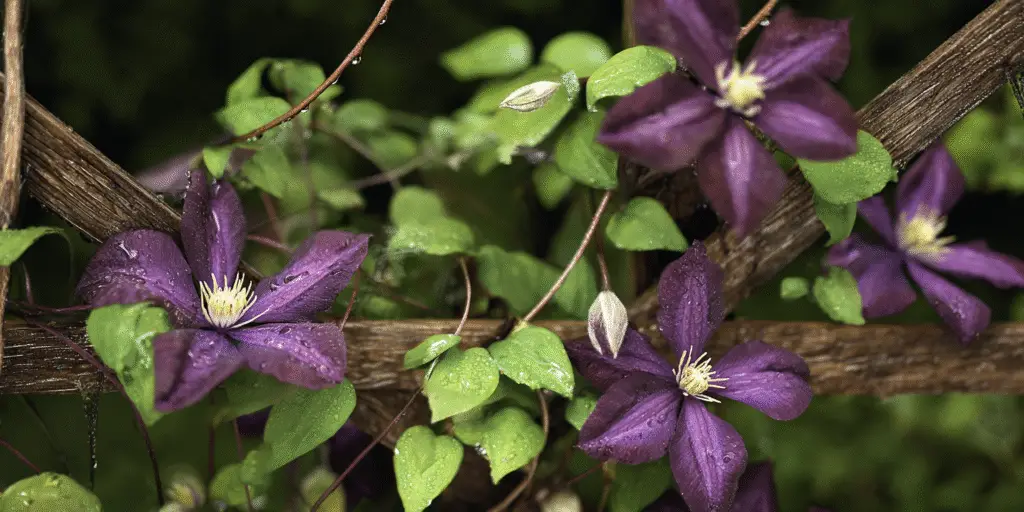
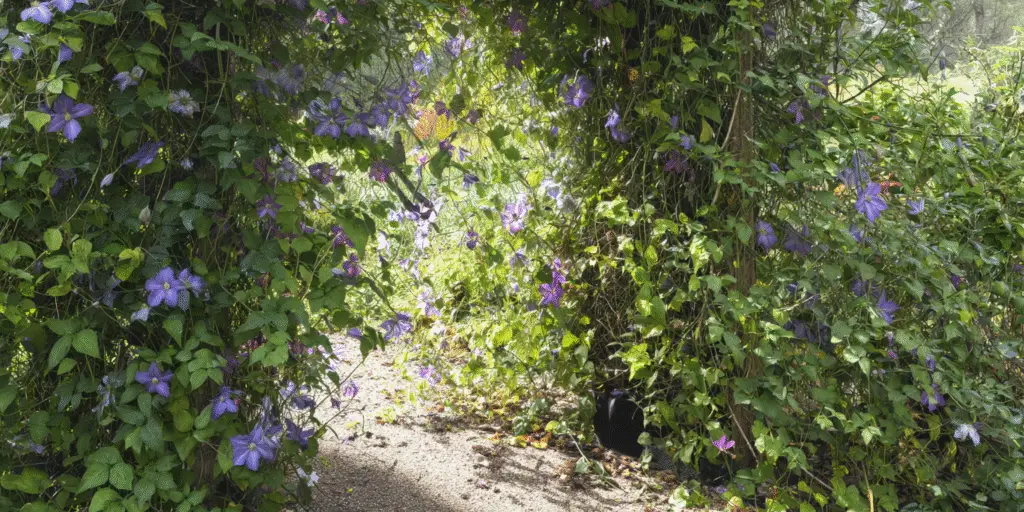
- Color & flower form: Nodding bell‑shaped flowers, light blue to violet, about 1.5–2 in (4–5 cm)
- Fragrance: 1 trace
- USDA hardiness: zones 3 to 9
- Breeder / Year / Origin: unknown, Northern and Western Eurasia
- Pet safety: avoid
How it differs
- Earlier bloom than most clematis on the pillar page
- Compact height suits small supports and containers
- Lower heat requirement than many summer‑blooming hybrids
- Light pruning only after flowering
Strengths
- Cold hardy and dependable in northern climates
- Good flower display in spring
- Decorative seed heads after bloom
Care in one minute
Site: sun to light shade; keep roots shaded and cool.
Soil: moist but well‑drained; neutral to alkaline pH.
Water: steady moisture during spring growth.
Feeding: light spring feed only.
Pruning: Group 1; remove spent flowers or lightly thin right after bloom.
Overwintering: mulch crown; avoid winter pruning that removes flower buds.
Watch‑outs
- Flower buds can be damaged by late frosts
- Not a strong climber; needs gentle training
- Prefers cool roots; may struggle in hot, dry sites
Best uses (tags)
Provenance note
Species native across northern and western Eurasia; included in the Atragene Group of early‑flowering clematis.
References
- RHS – Clematis alpina profile
- Clemson University HGIC – Clematis (species overview)
- Great Plant Picks – Clematis alpina
- ASPCA – Clematis toxicity
Similar Flowers
Enjoying our flower guides? Add YourFlowersGuide as a preferred source on Google. It helps more readers find us.
Add to Preferred Sources