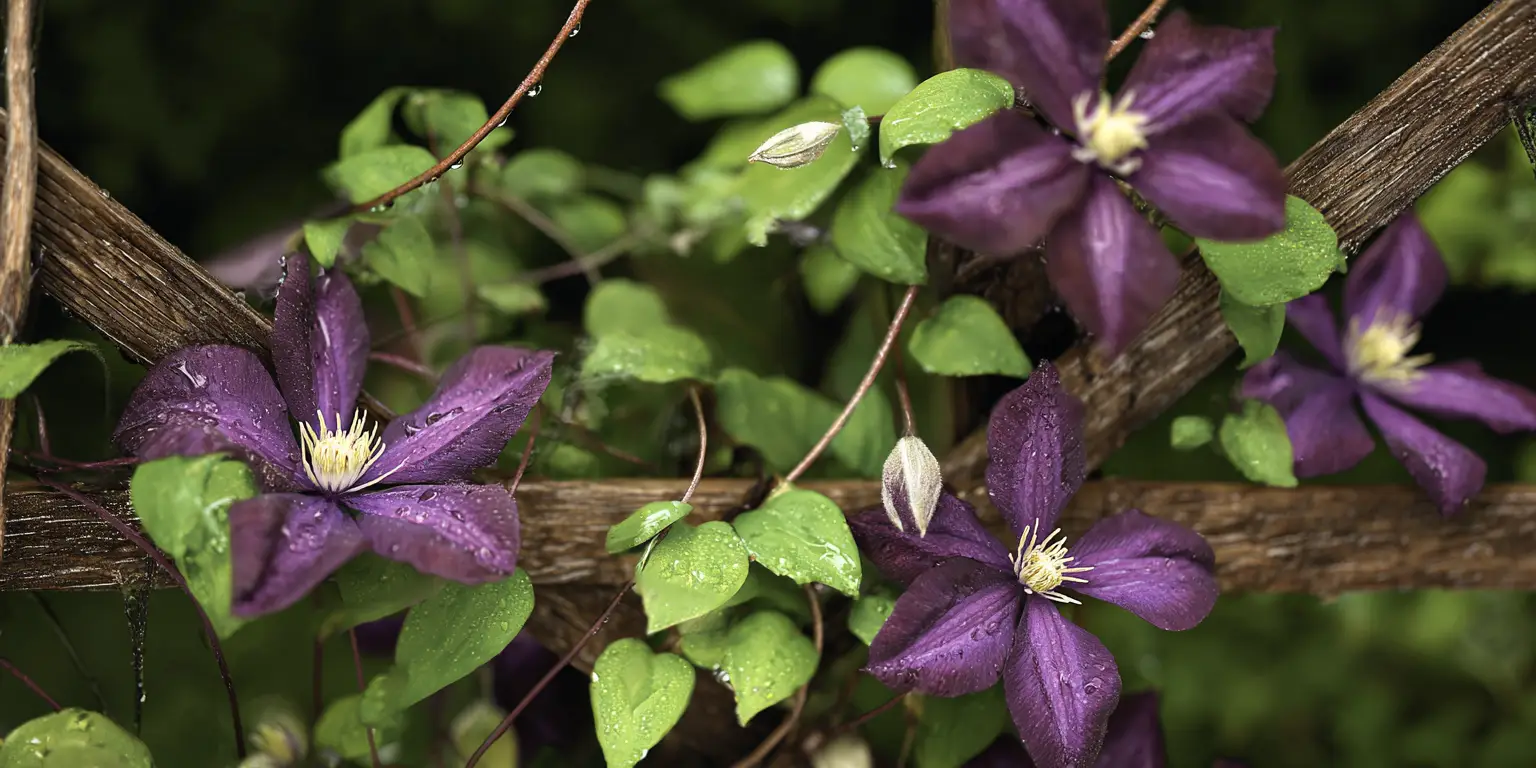
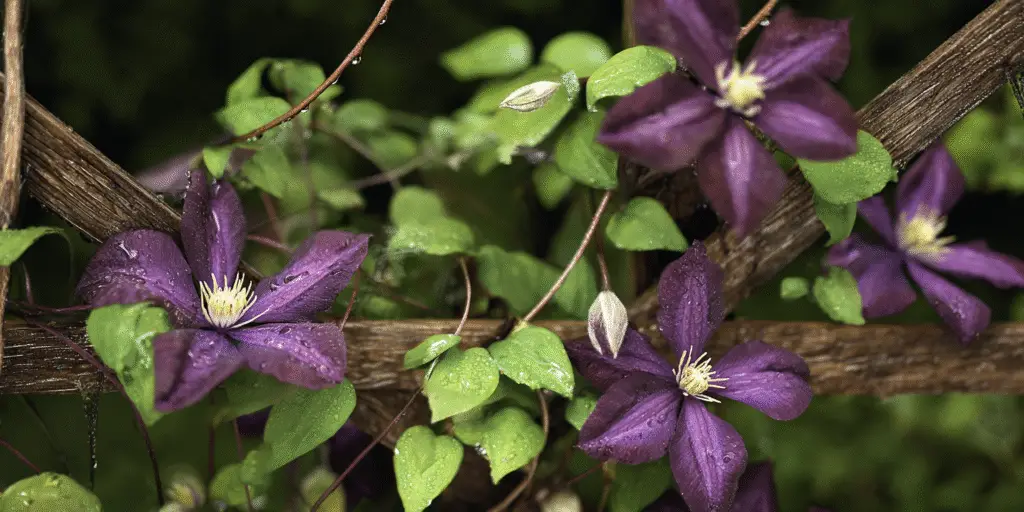
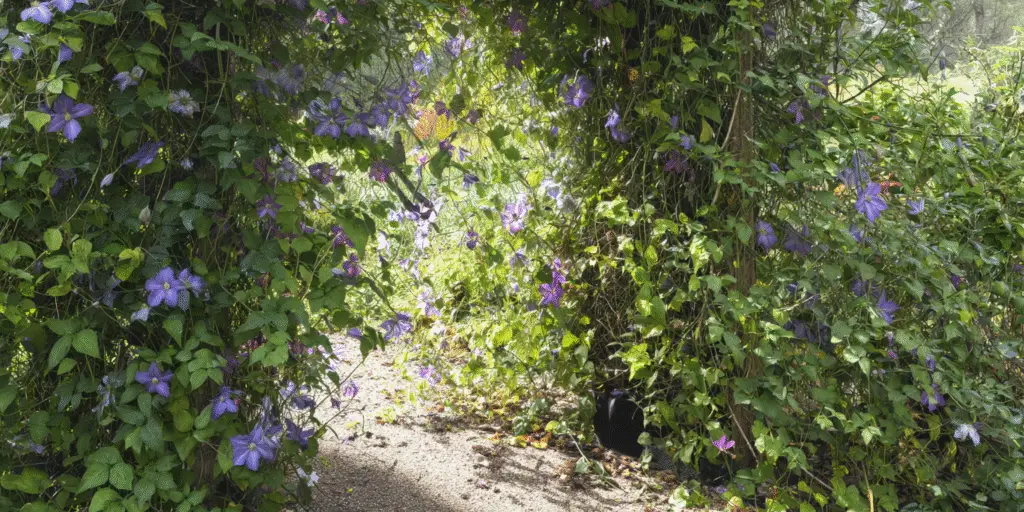
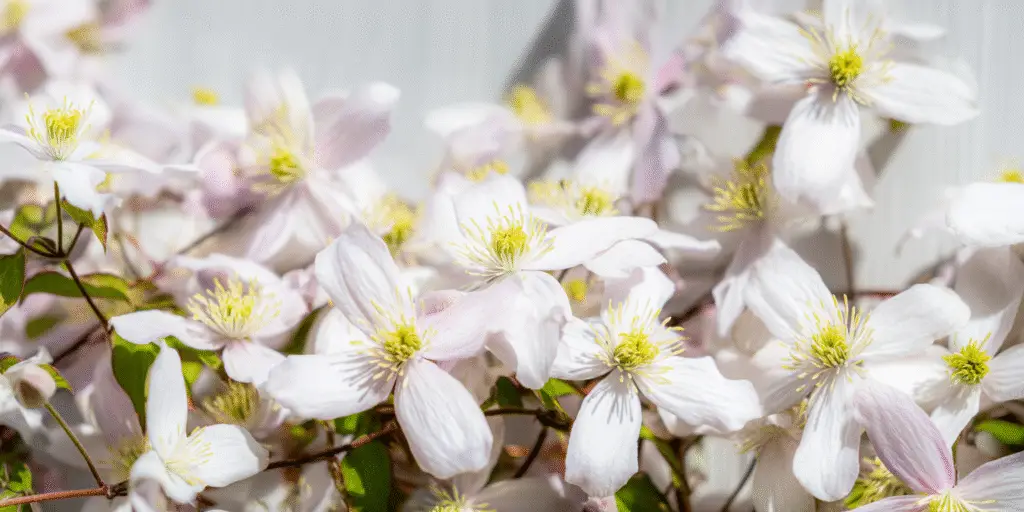
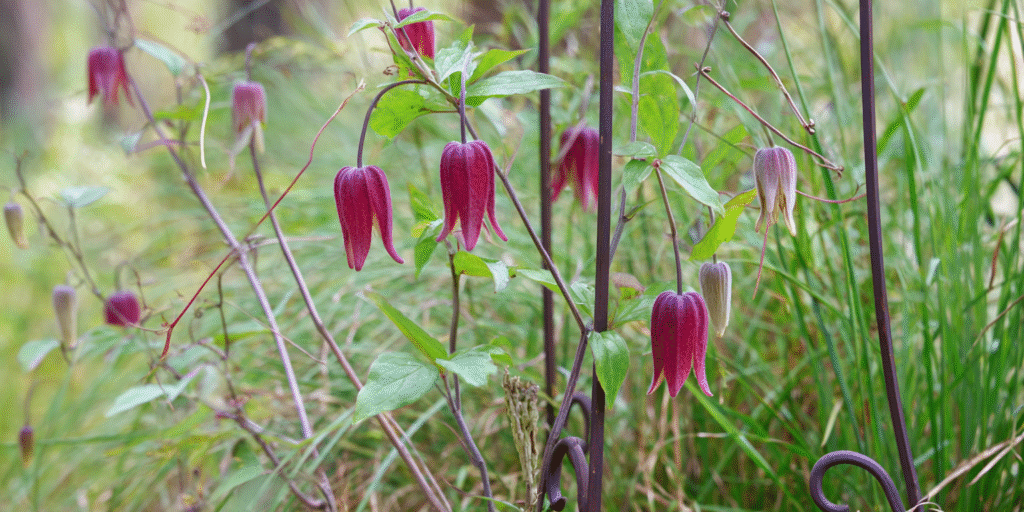
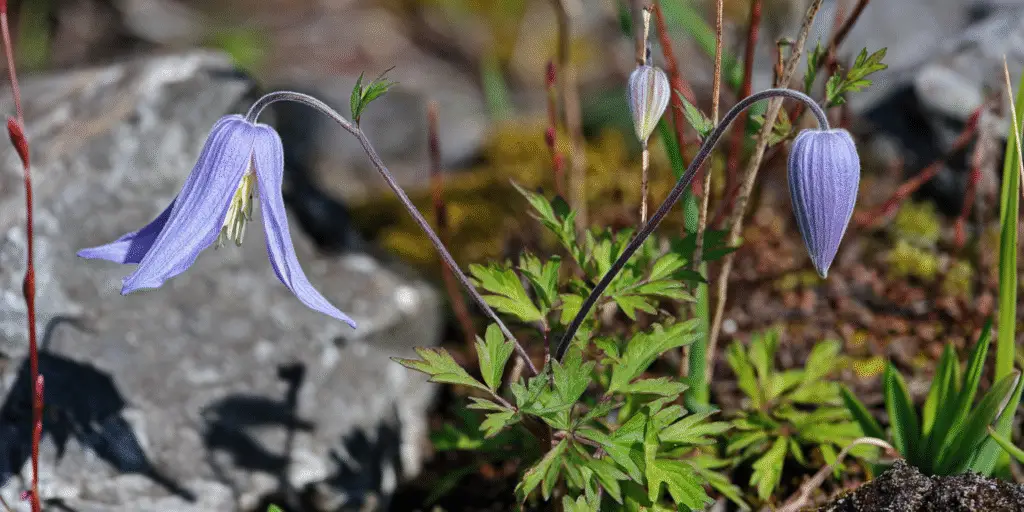
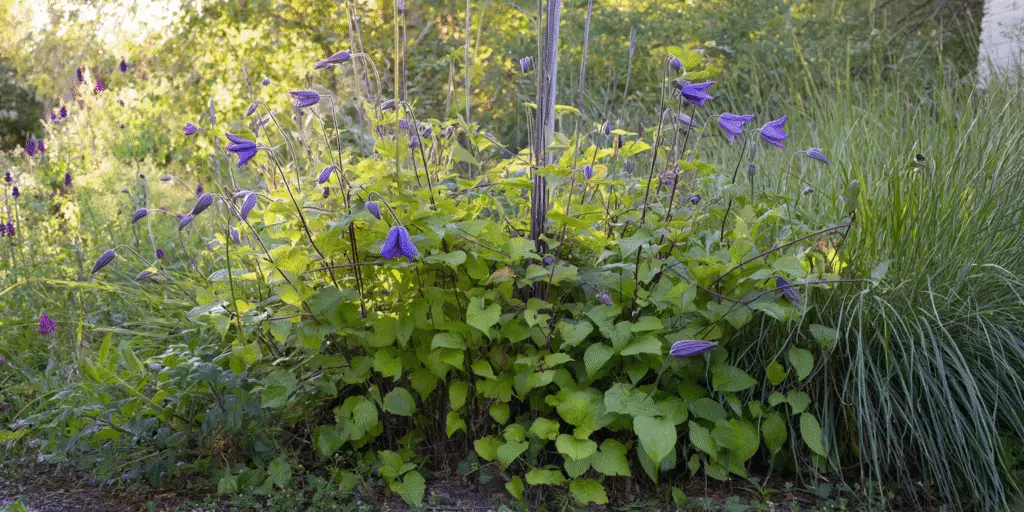
This classic clematis is the historic large‑flowered hybrid widely grown under the clone ‘Jackmanii’. It is valued for masses of velvety, violet purple flowers on new growth. It performs best in full sun with the root zone kept cool and evenly moist. It suits most temperate parts of North America where summers are not extreme. Train on a sturdy trellis or fence for the best display. Prune in late winter to encourage vigorous new shoots and abundant bloom.
At‑a‑glance
Group/Class: Late large‑flowered clematis; Pruning Group 3
Height × spread: 7–10 ft × 3–6 ft (2.1–3.0 m × 0.9–1.8 m)
Bloom window: July to September
Color & flower form: Deep violet purple single flowers, 5–7 in (12–18 cm) across
Fragrance: 0 none
USDA hardiness: zones 4 to 8
Breeder / Year / Origin: George Jackman, 1862, UK
Awards/registration: RHS Award of Garden Merit
Pet safety: avoid
How it differs
Blooms on current season wood while many early clematis flower on old wood
Richer violet purple color than typical pale large‑flowered hybrids
Moderate height compared with very vigorous ramblers
Handles colder winters better than many large‑flowered forms
Strengths
Profuse mid to late summer bloom on new growth
Tolerates full sun with shaded roots
Reliable in zones 4 to 8 when sited and pruned well
Care in one minute
Site: full sun to part shade; shade the crown and roots with mulch or low perennials; good air flow.
Soil: fertile, moisture‑retentive but well‑drained; neutral to slightly alkaline pH.
Water: keep evenly moist through summer; do not let the root zone bake.
Feeding: apply a low‑nitrogen, slow‑release fertilizer in spring; repeat light feeds during growth.
Pruning: Group 3; cut back to strong buds 8–12 in above ground in late winter.
Overwintering: mulch the root zone in cold climates to buffer freeze–thaw.
Written by: Your Flowers Guide editorial team We are a small independent group of flower lovers who research and review each guide using trusted horticultural and educational sources. Learn more about us