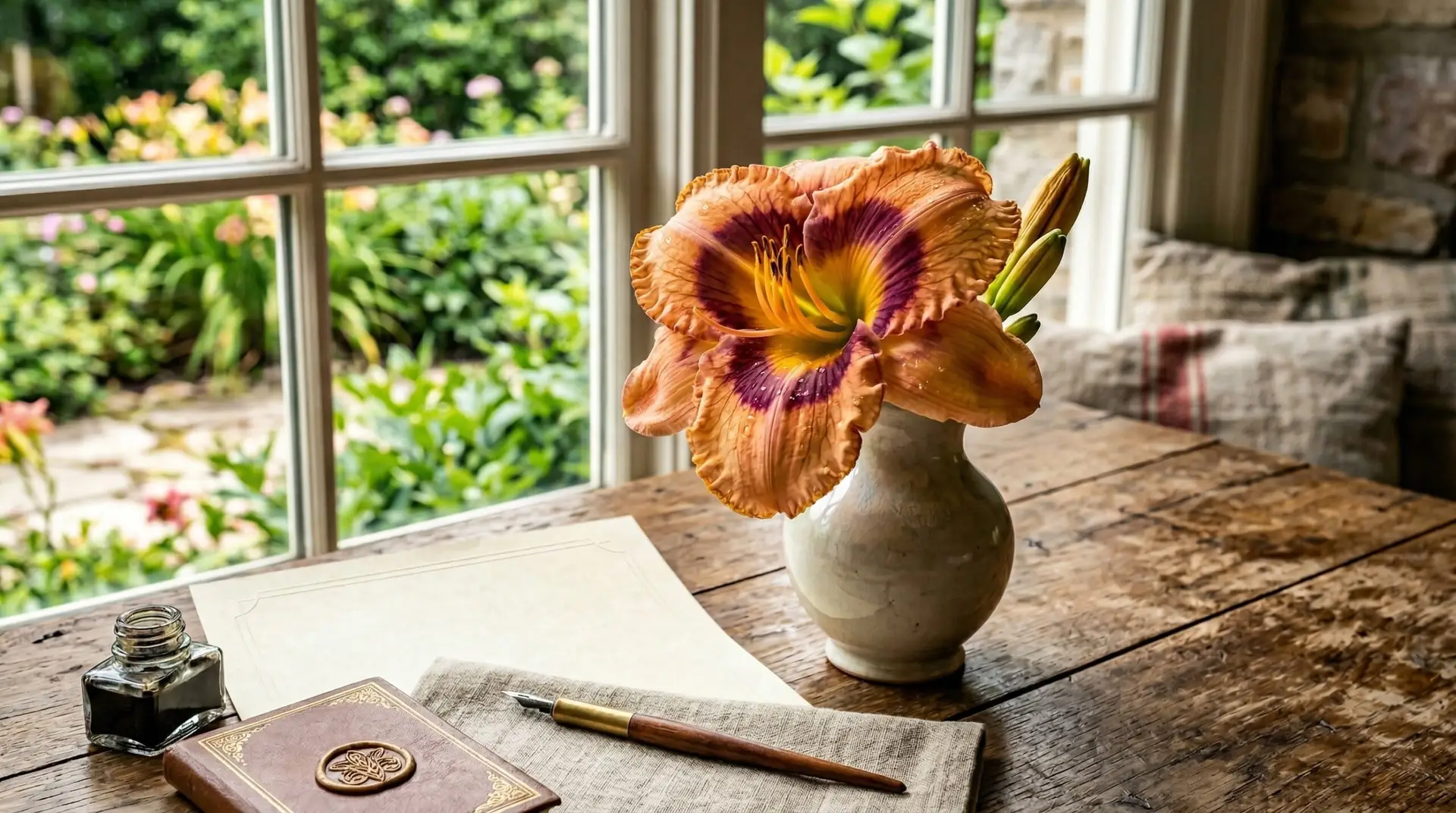
A flower that lasts only one day seems like a strange thing to obsess over. But that fleeting nature is exactly what makes the daylily so captivating to grow. You wake up, walk out into the garden with your morning coffee, and see a completely new display that did not exist yesterday and will be gone tomorrow. When I first started growing these plants, I thought they were just the basic orange ditch lilies or the ubiquitous yellow Stella de Oro planted in commercial parking lots. Then I discovered the massive daylily registry, which holds over 90,000 named varieties. That realization changes everything for a gardener, as you suddenly understand that this plant is a living canvas shaped by thousands of backyard breeders and professional hybridizers who have spent decades pushing the boundaries of what a flower can look like.
Contents 4 sections
Forms and faces of modern hybrids
When you begin daylily collecting, you quickly realize the classic round, ruffled flower is just the beginning. I find myself constantly drawn to the spider forms and the unusual forms, which look like they belong in a tropical greenhouse rather than a temperate backyard. A true spider daylily has petals that are at least four times longer than they are wide, giving the bloom an elegant, leggy appearance that dances in the summer breeze. Varieties like ‘Ruby Spider’ or ‘Skinwalker’ open with these massive, twisting petals that catch the light in ways a traditional round flower simply cannot. Watching a spider form unfurl on a dewy morning feels like witnessing a slow-motion performance. The unusual forms take this even further with petals that pinch, crispate, or cascade, creating a wild, unstructured look that adds tremendous movement to a garden bed.
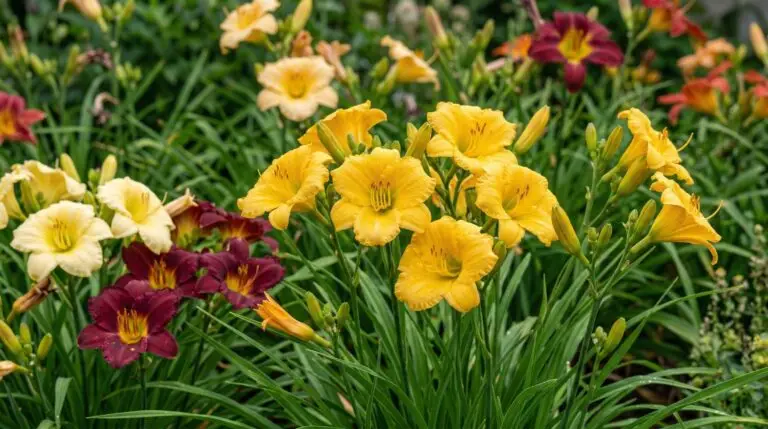
Then you have the breeders working on the extreme edges of the petals, which is where things get truly wild. We are seeing daylilies with heavy, sculpted ruffles, contrasting colored borders, and even sharp, shark-like teeth along the petal margins. Varieties like ‘Bass Gibson’ or ‘Vampire Fish’ produce these jagged, toothy edges that make you want to lean in close and examine the mechanics of the bloom. Double daylilies offer a completely different experience, packing extra layers of petals into the center of the flower to create a dense, peony-like appearance. While I love the clean lines of a single bloom, a well-formed double like ‘Condilla’ provides a satisfying visual weight that anchors the front of a border. It is easy to get lost in these specific traits, hunting down rare daylilies that combine a specific eye zone with a precise toothy edge. You start analyzing every petal for the slightest hint of a new texture.
The addictive pursuit of daylily collecting
Building a collection happens slowly at first, usually starting with a few reliable performers before morphing into a genuine hunt for specific genetics. You start attending local club sales and browsing specialized growers online, looking for that one specific cross that caught your eye in a catalog. The daylily registry becomes a nightly reading habit as you trace the lineage of your favorite plants to see what else those parents produced. You start mapping out family trees in your head, recognizing the genetic contributions of famous cultivars. Much like the deep history found in classic rose breeding, daylily pedigrees tell a story of human curiosity and patience. You learn which hybridizers focus on cold hardiness, which ones prioritize high bud counts, and which ones are chasing elusive colors like a true, clear blue. The thrill of tracking down a limited-release introduction from a small boutique hybridizer brings a deep sense of satisfaction to the gardening season.
Collecting comes with its own set of practical challenges that test your devotion to the plant. You quickly run out of prime garden real estate, leading to the inevitable expansion of beds into the lawn. The plants themselves need regular division to maintain their vigor, which means you spend a lot of time in late summer digging up massive clumps and wrestling with tangled root systems. I have definitely experienced the disappointment of paying a premium for a highly anticipated new introduction only to find it struggles in my specific climate or produces splotchy, inconsistent blooms. Some of the heavily ruffled varieties have trouble opening completely after a cool night, leaving the flower looking crumpled and deformed. You quickly learn which plants need full, baking sun to open properly and which ones prefer a bit of afternoon shade. Yet, the resilience of the plant usually wins out, and even a struggling daylily will often bounce back the following year with a much better show once it settles into its new home.
Creating something entirely new
The most consuming aspect of this hobby is undoubtedly daylily hybridizing, which allows anyone with a paintbrush or a steady hand to create a completely unique plant. The mechanics of crossing two daylilies are incredibly straightforward, requiring no special equipment or advanced botanical degrees. You simply take the pollen from the anther of one flower and apply it to the pistil of another, ideally early in the morning before the heat of the day sets in. If the cross takes, the flower falls away to reveal a swelling green seed pod that matures over the next few months. Harvesting those black, wrinkled seeds in the fall feels like gathering tiny lottery tickets, each one holding the genetic potential for a flower that no one has ever seen before. The barrier to entry is so low that many casual gardeners accidentally become backyard breeders after making a few curious crosses on a Saturday morning. All you need is a little patience and a willingness to experiment.
The real test of hybridizing comes with the waiting, as it typically takes two to three years for a seed to grow into a blooming-size plant. You spend those years weeding, watering, and watching the foliage, wondering what kind of face will eventually look back at you. When that first seedling scape finally produces a bud, the anticipation is enough to pull you out of bed before the sun comes up. Most seedlings will be entirely average, perhaps a muddy purple or a plain yellow that looks exactly like a thousand other registered plants. You learn to be ruthless in your evaluations, composting the mediocre ones to save space for the truly special creations. But when you finally open a bloom that has perfect form, clear color, and excellent branching on the scape, the feeling of accomplishment is profound. You are looking at a flower that exists nowhere else on earth, born entirely from your own curiosity.
Living with the daily show
Growing a large collection of daylilies dictates the entire rhythm of the summer garden in the most demanding and rewarding way possible. From late June through August, my morning routine always begins with a slow walk through the beds to see what has opened over the night. The garden becomes a dynamic space where the color palette shifts entirely from one day to the next, depending on which varieties decide to flush at the same time. While a stately bearded iris offers a massive, overwhelming block of color in the spring, the daylily provides a sustained, rolling performance that lasts for weeks. You learn to appreciate the minor details, like the way a watermarked eye zone catches the early morning dew or how a dark purple bloom holds up against the punishing afternoon sun. Even the act of deadheading the spent blooms each evening becomes a meditative practice, clearing the canvas for whatever the next day will bring.
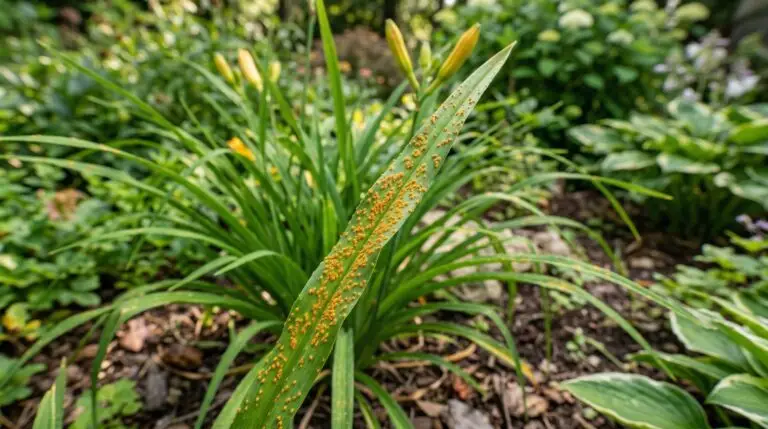
There are certainly days when the garden feels like a chore, especially when battling common pests like thrips that can distort the buds or dealing with an outbreak of daylily rust after a wet spell. The sheer volume of foliage left behind in the fall can be overwhelming to clean up, and dividing overgrown clumps is genuinely exhausting physical labor. Still, the promise of the next bloom season always washes away the frustrations of the previous year. The daylily asks for very little in terms of soil quality or winter protection, yet it returns massive dividends in color, form, and endless genetic variety. You keep planting seeds, making room for new introductions, and waiting for that perfect morning when the entire garden seems to bloom at once. That constant cycle of anticipation and daily discovery is exactly what makes this plant impossible to walk away from.
More About Daylily
Growing daylilies in containers for small spaces and apartment balcony gardens
Daylily flower meaning and why each bloom lasts only one beautiful day
Daylilies versus true lilies and understanding the differences that matter for your garden
Best reblooming daylily varieties that flower from June through September
How to divide overgrown daylily clumps for healthier plants and more blooms
Using daylilies for erosion control on slopes and banks where nothing else grows
Edible daylilies from garden to plate and how to cook with hemerocallis flowers
Daylily rust and other common problems and how to keep your plants healthy
Companion plants for daylilies: what to grow, what to avoid
Enjoying our flower guides? Add YourFlowersGuide as a preferred source on Google. It helps more readers find us.
Add to Preferred Sources