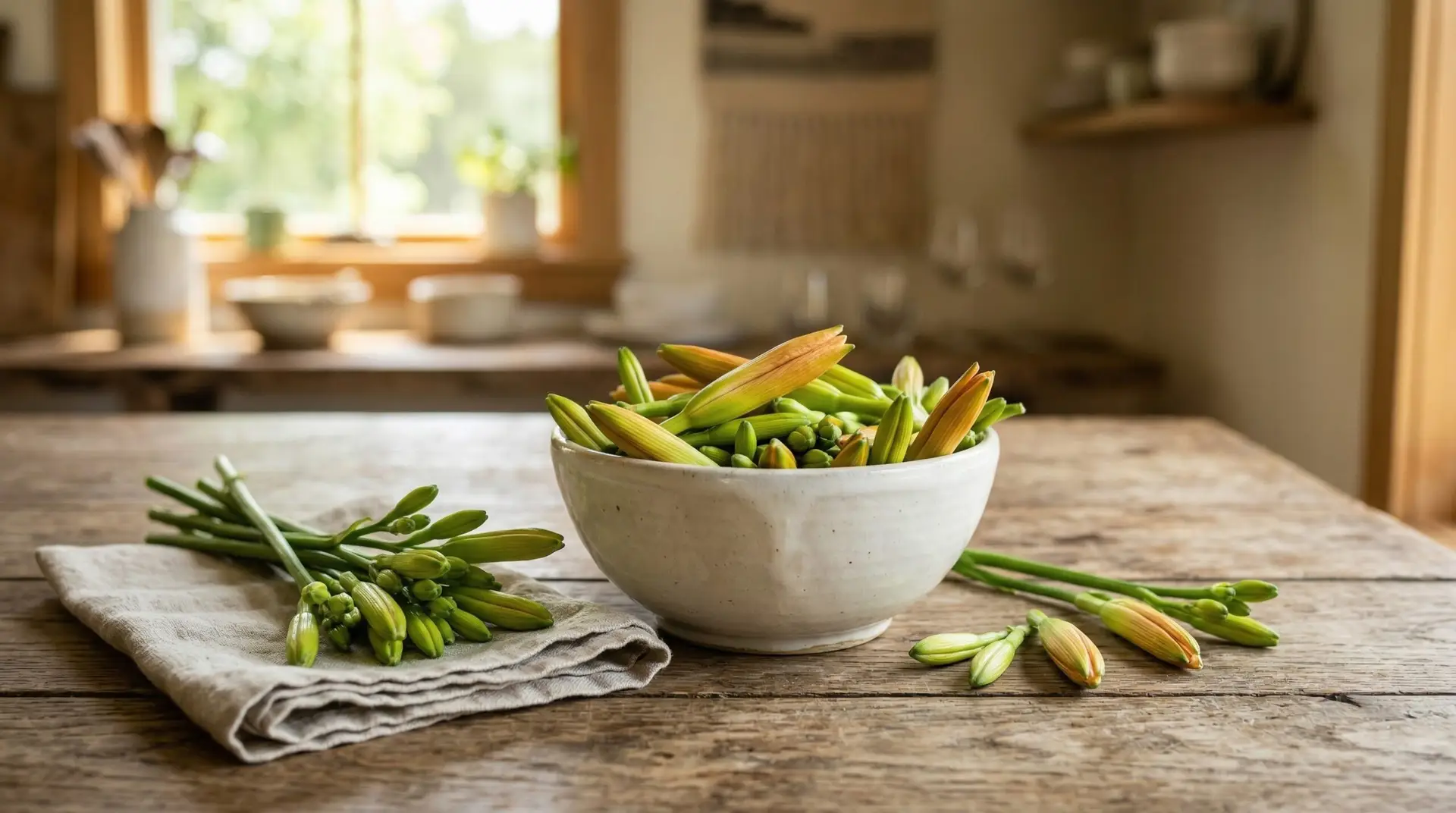
One of the first things gardeners ask when they start growing daylilies is whether they can actually eat those bright blooms. You spend all spring watching the green foliage mound up, and when those tall scapes finally produce flowers, it seems a shame that each blossom only lasts a single day. The truth is that the edible daylily is a fantastic culinary resource that has been utilized in Asian kitchens for centuries. Many modern gardeners are completely unaware that their decorative borders double as a vegetable patch just waiting to be harvested. Eating daylily flowers is a wonderful way to interact with your garden on a completely different level, turning a fleeting floral display into a tangible harvest.
Contents 4 sections
Identifying the right plant for the plate
The natural follow-up question is whether every plant we call a lily is safe to consume. This is an important distinction because true lilies from the Lilium genus are entirely different plants and are highly toxic to humans and pets. Daylilies belong to the Hemerocallis genus, and you must be absolutely certain you are dealing with a Hemerocallis before you ever bring a harvest into your kitchen. True lilies grow from scaly bulbs and have leaves running all the way up a single stiff stem, while daylilies grow from thick tuberous roots and produce a fountain of grass-like foliage at the base of the plant. Once you confirm you have a genuine Hemerocallis, you can feel confident exploring its culinary uses, much like you might harvest familiar edible garden blooms like cornflowers for a summer salad.
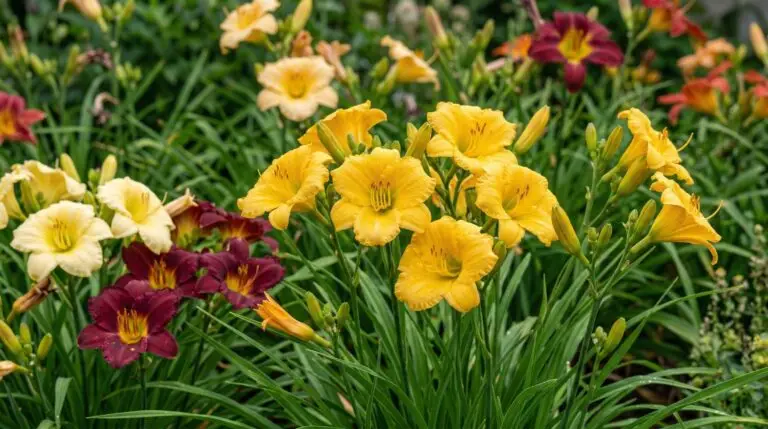
A related concern people often voice is whether the specific variety or hybrid of daylily matters for eating. The classic orange ditch lily, Hemerocallis fulva, is the traditional choice for cooking and is considered the gold standard for flavor and texture. Yellow varieties like the popular Stella de Oro also taste quite good and are frequently harvested by home cooks. Some heavily hybridized modern daylilies with dark reds or purples can have a slightly bitter or metallic taste, though they remain safe to eat. The best approach is to sample a small piece of a petal from your specific plant to see if you enjoy the flavor profile before harvesting a large batch for a meal. By the way, always ensure your plants have not been treated with chemical pesticides or systemic fertilizers, as standard garden center chemicals are never meant for food crops.
Knowing which parts to harvest and when
This leads to something many growers wonder about regarding the anatomy of the plant, specifically which parts end up on the cutting board. Almost the entire plant has historical culinary uses, but the unopened buds and the freshly opened flowers are by far the most popular and easiest to prepare. Daylily buds are edible and highly sought after, usually harvested when they are plump and fully colored but still tightly closed. You want to pick them right before they are ready to open, typically in the late afternoon or early evening for the next day’s bloom. The open flowers are also excellent, though they are more delicate and require a gentler touch in the kitchen to preserve their shape and texture.
People frequently ask if the roots or the early spring shoots are worth eating as well. The young shoots can be harvested when they are just a few inches tall in early spring, sliced, and cooked much like leeks or green onions. You must be careful to only take a few shoots from each clump so you do not damage the plant’s ability to produce summer flowers. The tuberous roots are also edible and have a crisp texture similar to water chestnuts or small fingerling potatoes. Harvesting the tubers requires digging up the plant, so most gardeners only do this when they are already dividing overgrown clumps in the fall.
Cooking traditions and flavor profiles
Before anyone fires up the stove, they always want to know what these flowers actually taste like. The flavor of a daylily is often described as a cross between green beans, asparagus, and sweet peas, with a distinctly floral undertone. The unopened buds have the firmest texture and the strongest vegetal flavor, making them hold up incredibly well to heat. Open petals are much milder and sweeter, offering a crisp texture at the base and a soft, velvety feel at the tips. The flavor is delicate enough that it will not overpower a dish, but distinct enough to stand on its own when prepared simply.
Wondering how these flowers fit into traditional cooking is the next logical step for a curious chef. In Chinese cuisine, dried daylily buds are known as golden needles and are a staple ingredient in hot and sour soup, mu shu pork, and various vegetarian stir-fries. The drying process concentrates their earthy, musky flavor and gives them a pleasant, chewy texture that absorbs broths beautifully. Fresh buds are treated more like a green vegetable, quickly blanched or tossed into a hot wok just long enough to turn bright green and tender. It is fascinating how plants we view purely as ornamentals have such deep roots as staple crops in other parts of the world. This tradition is very similar to how chrysanthemum leaves are cultivated specifically for Asian broths and hot pots.
Bringing daylilies into your home kitchen
Once you have a basket full of fresh blooms sitting on your counter, the obvious question is what specific daylily recipe you should try first. One of the most popular and accessible ways to prepare the open flowers is by making daylily fritters. You simply dip the fully open blossoms in a light, ice-cold tempura batter and fry them in hot oil for a few seconds until they are crisp and golden. The petals hold the batter perfectly, and the slightly sweet flavor of the flower contrasts wonderfully with the savory crunch of the fried coating. You can serve these fritters with a simple soy dipping sauce or a garlic aioli for an appetizer that always surprises dinner guests.
If you prefer a healthier approach, you might ask how to use the flowers without frying them. Freshly opened daylily petals can be torn and scattered raw over a summer salad, adding a bright splash of orange or yellow along with a crisp, lettuce-like crunch. The plump, unopened buds are fantastic when sautéed in a little butter and garlic, served exactly as you would prepare fresh green beans or asparagus spears. You can also chop the firm buds and add them to omelets, quiches, or pasta dishes during the last few minutes of cooking. The key is to remember that fresh daylilies cook very quickly. They should always be added near the end of your preparation time to maintain their texture and prevent them from turning mushy.
A question you probably have not considered yet is whether harvesting all these flowers for your plate will ruin your garden display. The beauty of the Hemerocallis is right there in the name, which translates to beauty for a day. Each flower is destined to wilt and drop off by nightfall regardless of what you do, so harvesting the open blooms in the afternoon gives you a meal without sacrificing the morning’s visual appeal. Picking the buds does reduce the total number of flowers that will open, but mature daylily clumps produce so many scapes that you can easily harvest a handful every few days without making a noticeable dent in the display. In fact, regularly interacting with your plants to harvest the blooms is a practical form of deadheading. This practice keeps the garden looking tidy while providing a steady stream of fresh ingredients for your kitchen.
More About Daylily
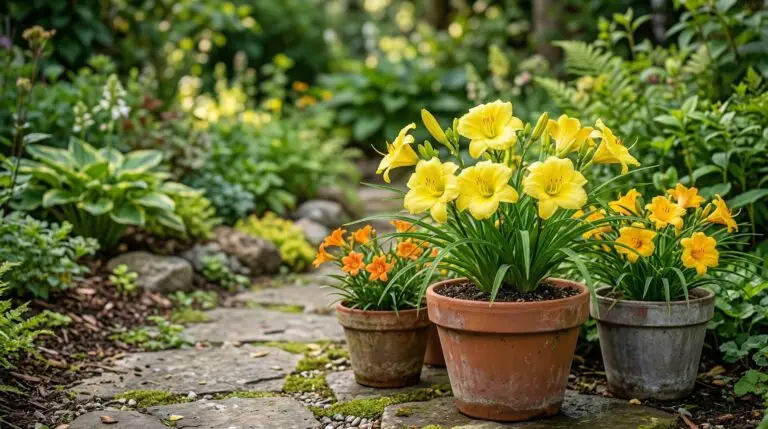
Growing daylilies in containers for small spaces and apartment balcony gardens
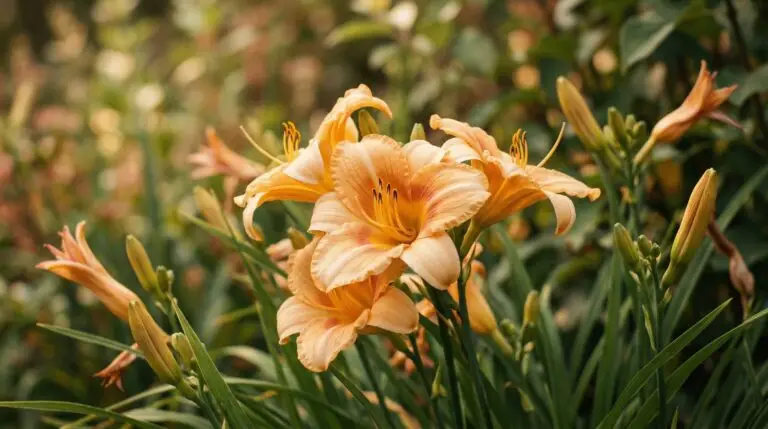
Daylily flower meaning and why each bloom lasts only one beautiful day
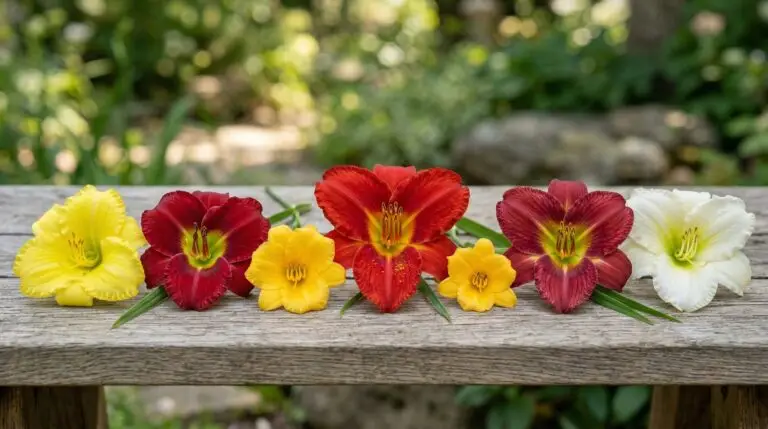
Daylilies versus true lilies and understanding the differences that matter for your garden
Best reblooming daylily varieties that flower from June through September
How to divide overgrown daylily clumps for healthier plants and more blooms
Collecting daylilies and the world of hybridizing with over 90000 named varieties
Using daylilies for erosion control on slopes and banks where nothing else grows
Daylily rust and other common problems and how to keep your plants healthy
Companion plants for daylilies: what to grow, what to avoid
Enjoying our flower guides? Add YourFlowersGuide as a preferred source on Google. It helps more readers find us.
Add to Preferred Sources