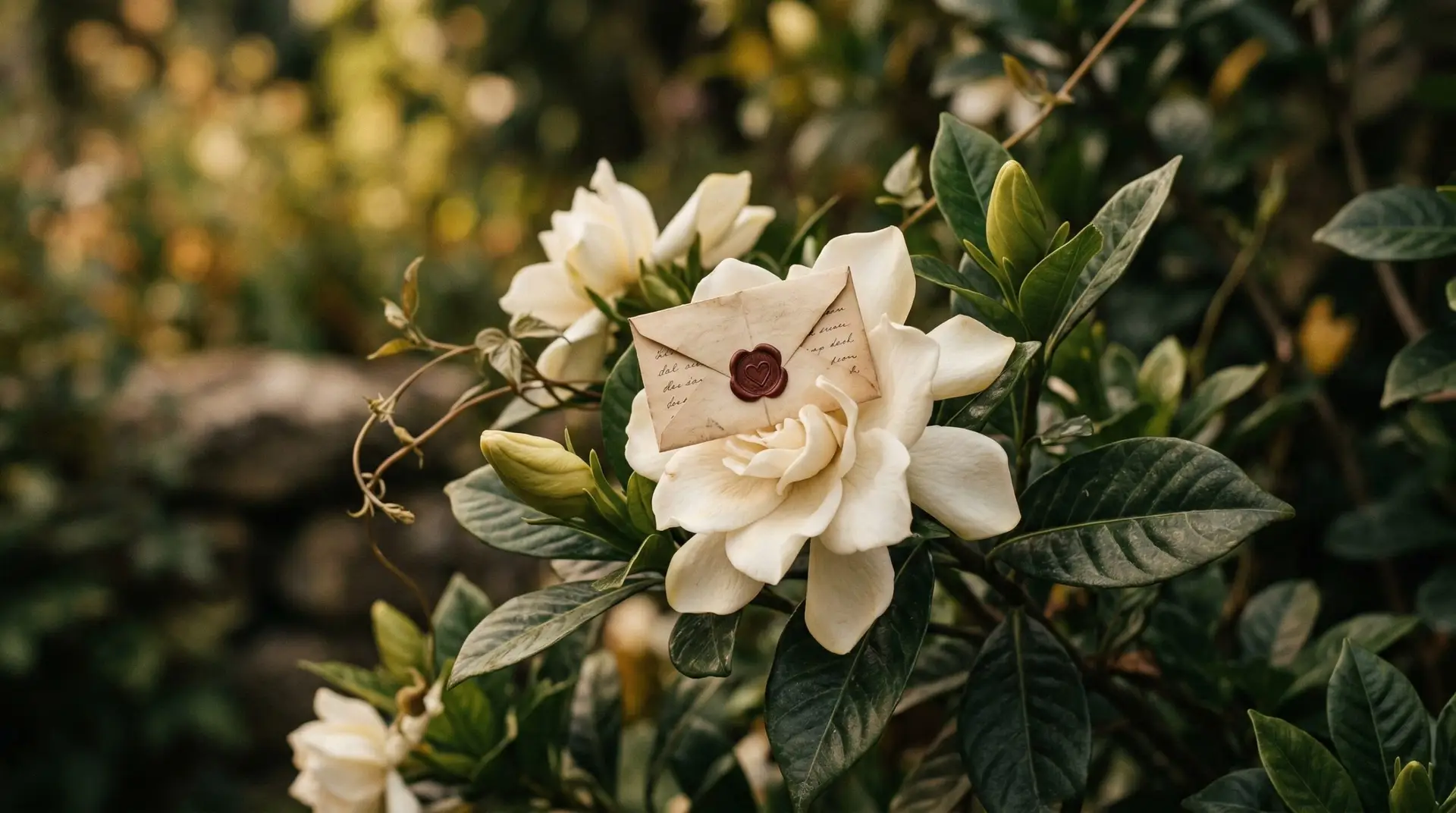
The story of the gardenia begins with its scent, a heavy, sweet perfume that usually arrives before you even see the plant. Long before it grew in southern yards, this evergreen shrub lived along the warm, humid forest edges of China and Japan. Traders and botanists traveling on merchant ships eventually carried the plant across the oceans to European glasshouses. In the eighteenth century, the famous botanist Carl Linnaeus gave the genus its official name to honor Dr. Alexander Garden. Garden was a Scottish physician living in Charleston, South Carolina, who spent his days walking the woods and collecting local plant specimens. Though Garden never saw the wild Asian forests where the flower originated, his name became permanently tied to its thick, waxy leaves and unforgettable fragrance.
As the plant settled into Western gardens, the gardenia meaning took root in the quiet, unspoken rules of nineteenth-century society. During the Victorian era, a strict social code governed how men and women could speak to one another, leaving many emotions hidden. People turned to flower dictionaries to deliver messages they could not say aloud in crowded drawing rooms. If a suitor wanted to declare his affection without revealing his identity, he arranged for a single, unmarked gardenia to be delivered to the woman he admired. The recipient would lift the white blossom from its paper box, breathe in the rich fragrance, and know she had a secret admirer. The flower held the silence of unconfessed devotion, keeping the sender anonymous while filling her room with the undeniable proof of his affection.
To understand why the gardenia symbolism centers on purity, you only need to watch one open on a quiet spring morning. The bud begins tightly coiled, wrapped in glossy, dark green leaves that frame the pale center. As the morning sun warms the plant, the thick petals unfurl into a perfect, snowy white rosette. This pristine color has long made the gardenia a symbol of innocence, clarity, and honest intentions. Yet the bloom is incredibly fragile, reacting to the natural oils on human hands by bruising into a dark brown. Gardeners quickly learn that to preserve that pure white appearance, they must handle the flower gently by its green stem rather than touching its soft petals.
The life cycle of the gardenia offers its own quiet lesson about the passage of time and the nature of beauty. A freshly opened blossom holds that bright, pure white color for only a brief window of time before it begins to age. Over the course of a few days, the snowy petals slowly transition into a rich, buttery cream, and eventually turn a deep golden yellow. Even as the color changes and the edges begin to curl, the flower holds tightly to its signature perfume. This graceful aging process adds another layer to the gardenia flower language, showing that true devotion does not vanish when the initial perfection fades. The scent remains strong and sweet, lingering in the garden long after the bloom has passed its physical peak.
The music of a single white blossom
The gardenia found a completely different kind of stage in the crowded, smoky jazz clubs of the 1930s. One evening before a performance, the jazz singer Billie Holiday accidentally burned her hair with a hot curling iron. A fellow musician ran to a coat check girl who was selling flowers and bought a large white gardenia to cover the burn. Holiday pinned the blossom behind her ear, stepped onto the stage, and created an image that lasted the rest of her life. The flower became her permanent signature, offering a visual contrast to the dimly lit rooms where she sang her heart out. Even now, the sight of a gardenia instantly recalls the sound of her voice and the deep emotional weight of her music.
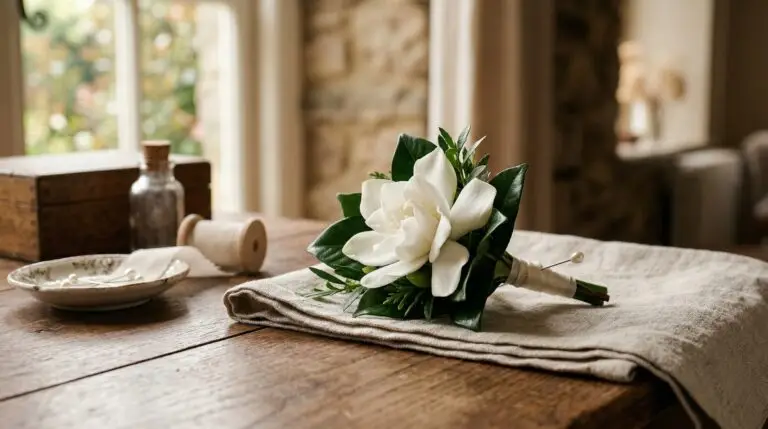
By the mid-twentieth century, the gardenia became the definitive flower of American formal dances, proms, and weddings. Teenage boys arrived at front doors holding small plastic boxes containing a single gardenia corsage resting on a bed of green tissue paper. Families kept these boxes carefully chilled in the refrigerator next to the milk, waiting for the moment the boy would pin the flower to his date’s dress. Brides carried them down the aisle, mixing them with other fragrant white blooms like the stephanotis to create bouquets that filled the church with perfume. While a classic red rose spoke loudly of romantic love, the gardenia communicated a sweeter, more innocent joy suited for new beginnings. The fragrance would linger on dresses and suit jackets long after the music stopped and the dancing ended.
Memorials and the passage of time
The same heavy scent that marks celebrations also brings a quiet comfort during times of grief and loss. Gardenias frequently appear in funeral arrangements and memorial services, where their stark white petals represent spiritual peace and the soul moving forward. The fragrance fills quiet rooms, offering a gentle, grounding presence for those who are mourning a passing. Much like the jasmine flower, the gardenia releases a scent that feels both uplifting and deeply calming to the human spirit. People often plant a gardenia bush in their yards to remember a loved one, giving them a living memorial that returns to life each spring. Watching the green buds swell and open provides a quiet reminder that life continues its steady cycle through the seasons.
The true story of the gardenia always returns to the soil and the fading light of a summer evening. As the sun drops below the horizon, the white petals act as natural reflectors, glowing faintly in the dusk to attract night flying moths. The perfume thickens in the cool evening air, drifting across porches and through open windows to find anyone sitting nearby in the dark. A gardenia bush requires patience from its caretaker, asking for acidic soil, regular moisture, and protection from harsh winter winds. When you finally coax a bud into a full, fragrant flower, you understand why generations of people have used it to speak of secret love and pure devotion. You lean in, breathe deeply, and let the gardenia tell its story all over again.
More About Gardenia
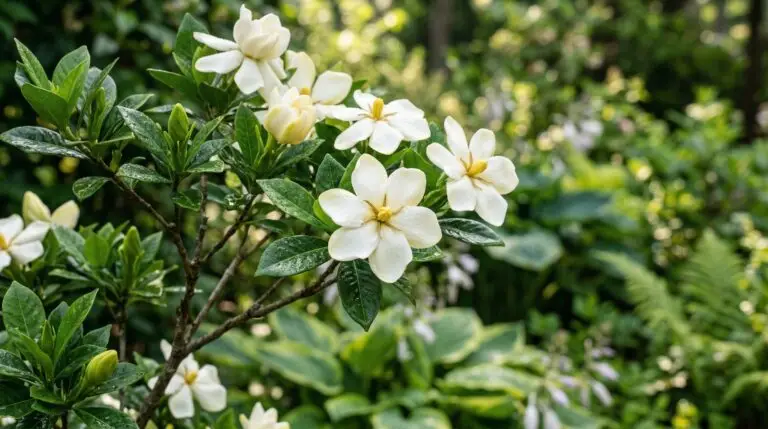
Cold hardy gardenias that survive winter in zones 6 and 7 with fragrant summer blooms
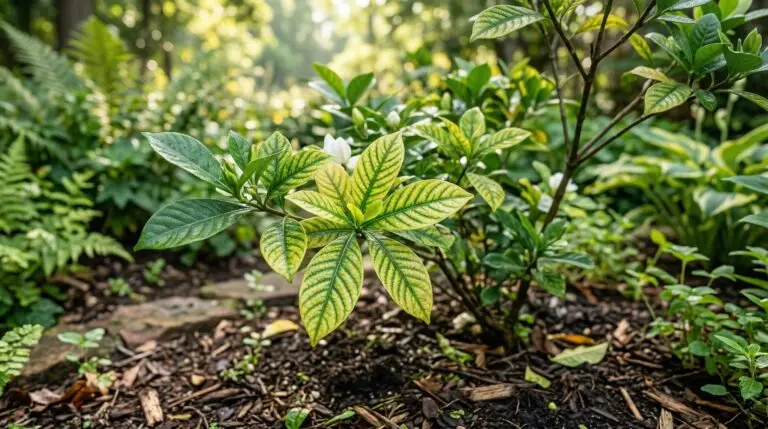
How to fix yellow leaves on gardenias with the right soil and feeding program
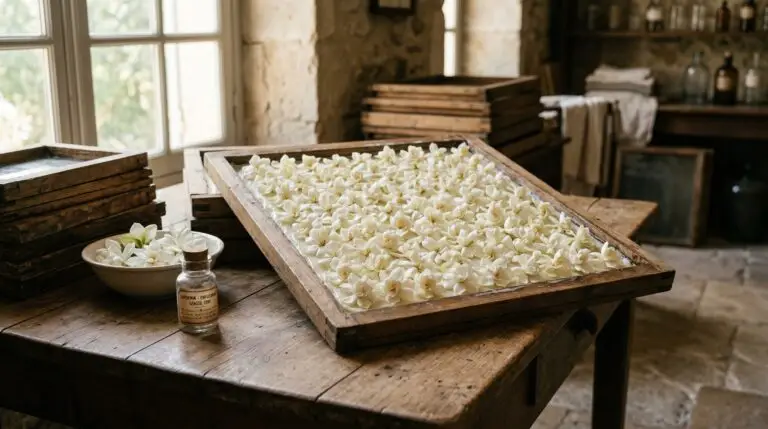
Gardenia essential oil and the history of this fragrance in perfumery and aromatherapy
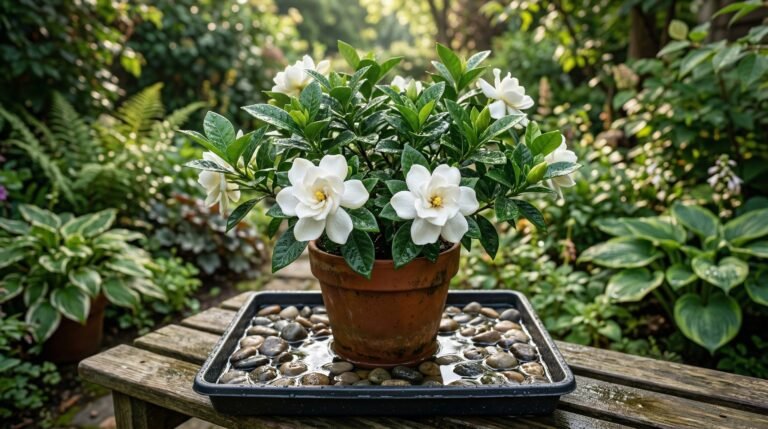
Growing gardenias indoors as houseplants and surviving the humidity challenge
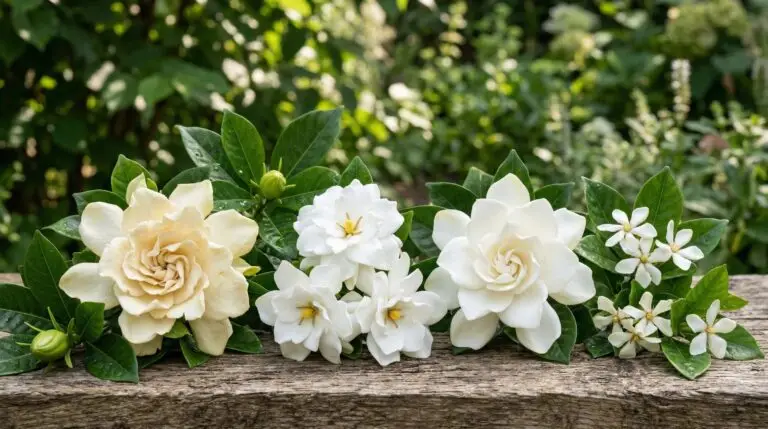
Best gardenia varieties from compact Radicans to the classic August Beauty
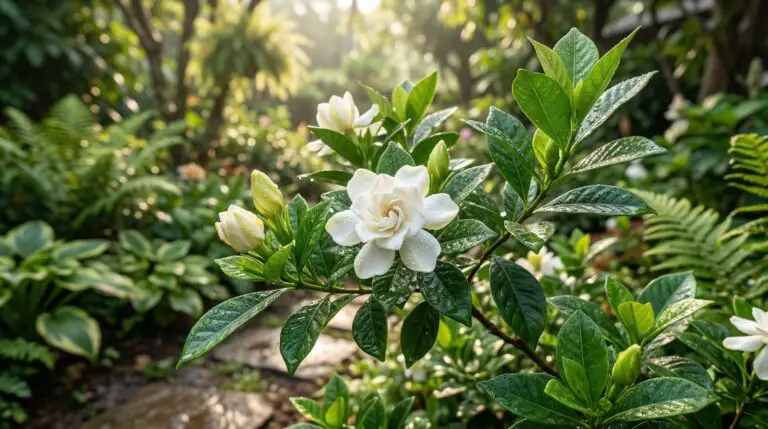
Why gardenia buds turn brown and drop off before opening and how to stop it
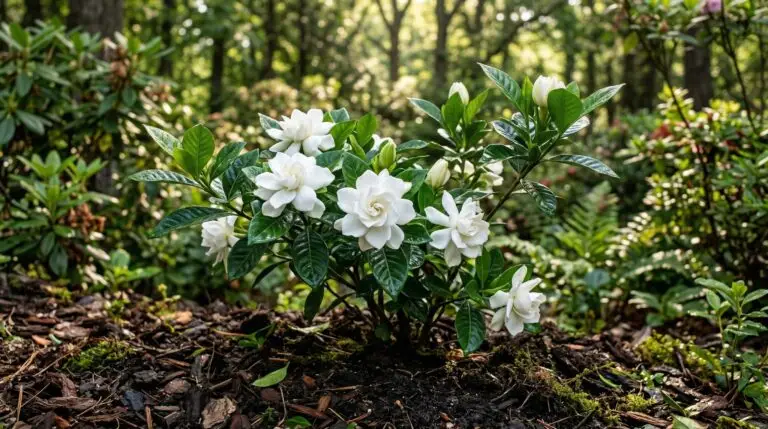
How to grow gardenias for intoxicating fragrance and creamy white blooms
Gardenia wedding flowers and the timeless elegance of white gardenia corsages and bouquets
Companion plants for gardenias: what to grow and avoid
Enjoying our flower guides? Add YourFlowersGuide as a preferred source on Google. It helps more readers find us.
Add to Preferred Sources