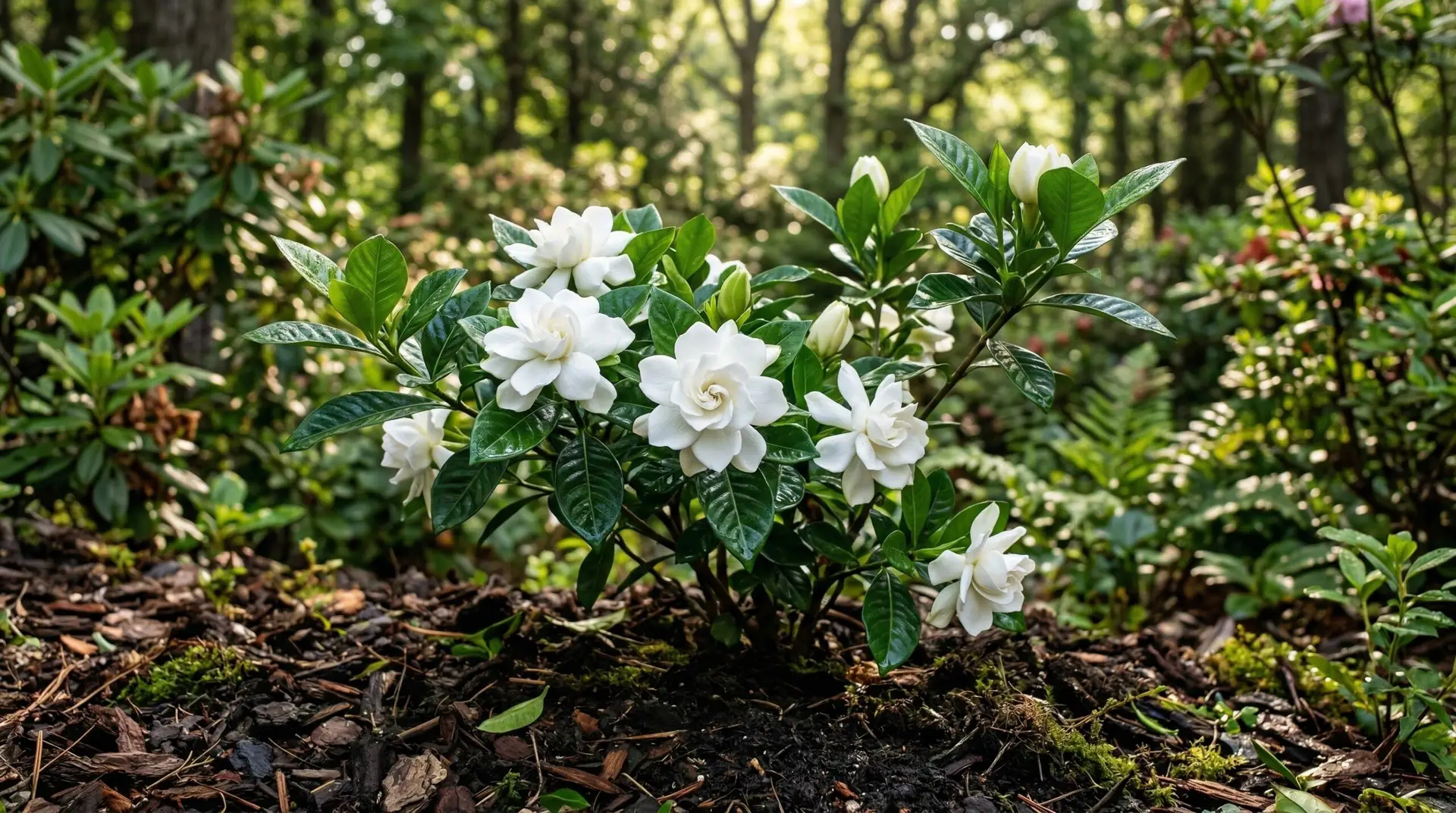
When you encounter a blooming Gardenia jasminoides on a warm summer evening, you are actually experiencing a highly specialized chemical signaling system designed to operate in the dark. Gardenias belong to the Rubiaceae family, making them close relatives of the coffee plant, though their evolutionary paths diverged millions of years ago. Instead of producing high concentrations of caffeine to deter herbivores, the gardenia channels its metabolic energy into synthesizing volatile organic compounds like linalool, methyl benzoate, and farnesene. These heavy, aromatic molecules hang in the humid air to guide nocturnal pollinators, specifically large hawkmoths, toward the nectar hidden deep within the floral tube. The pure white petals act as a beacon that reflects ambient moonlight, creating a high-contrast target against the dark, glossy foliage. The long, narrow throat of the flower specifically accommodates the extended proboscis of these moths, ensuring that only the intended visitors can access the reward and carry away the pollen. Understanding this evolutionary background transforms how we approach growing gardenias in our own spaces. We are essentially trying to replicate the specific subtropical conditions of East Asia where these plants first evolved their remarkable biological traits.
Contents 4 sections
The chemistry of acid soils and iron absorption
To master gardenia care, you have to look below the soil surface and understand the microscopic exchange of ions happening at the root level. Gardenias are obligate acidophiles that require a soil pH strictly between 5.0 and 6.0 to function properly and access the minerals they need for photosynthesis. In neutral or alkaline soils, essential micronutrients like iron change their chemical state and become locked into insoluble solid compounds that the plant roots simply cannot absorb. When a gardenia cannot pull up enough soluble iron, it develops a physiological condition known as iron chlorosis. You will see the newest leaves turn pale yellow or even white, while the vascular veins remain a sharp, contrasting green. This happens because iron is a necessary catalyst for the formation of chlorophyll molecules, and without it, the plant literally starves for sunlight as its solar panels fail. Gardeners who successfully cultivate other acid-loving species like the azalea will find the soil preparation for gardenias quite familiar. Lowering the pH with elemental sulfur or providing chelated iron directly to the root zone restores the chemical balance, allowing the plant to synthesize the dark green foliage that makes the white blooms pop against the leaves.
Managing transpiration and humidity needs
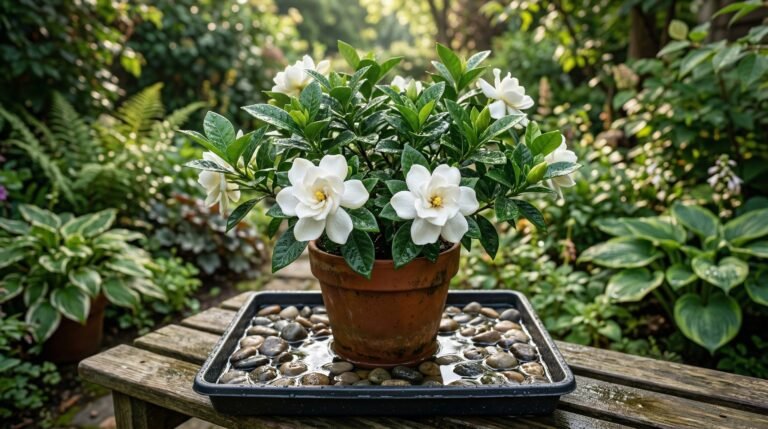
The physical structure of a gardenia leaf tells a story about the specific climate it expects to inhabit. If you run your fingers over the foliage, you will notice a thick, leathery texture covered by a glossy wax cuticle. This waxy epidermal layer evolved to protect the leaf from intense tropical sun and to regulate transpiration, the biological process of water evaporating through microscopic pores called stomata. In their native humid habitats, gardenias can open their stomata wide to capture carbon dioxide for photosynthesis without losing too much internal moisture to the surrounding air. When we bring them into dry climates or artificially heated homes, the dry air creates a steep vapor pressure deficit, pulling water out of the leaves faster than the shallow roots can replace it. The plant responds to this severe environmental stress by dropping its flower buds before they even open, a protective mechanism to conserve water and survive. Maintaining high ambient humidity around the foliage is a non-negotiable aspect of gardenia plant care. You can achieve this by grouping plants together to create a humid microclimate or by placing the pots over broad trays filled with water and pebbles, ensuring the constant evaporation bathes the leaves in moisture.
Root respiration and watering mechanics
The root system of a gardenia is surprisingly fine and stays very close to the soil surface to capture rainfall before it percolates deep into the earth. These shallow, fibrous roots require a constant supply of both moisture and oxygen to fuel the energy-intensive process of flower production. If you plant a gardenia in heavy clay or potting soil that lacks proper drainage, water fills all the microscopic air spaces in the soil matrix. Without oxygen, the root cells cannot perform cellular respiration, causing them to suffocate and rot, which leads to a sudden collapse of the entire plant. Conversely, if the soil dries out completely, the delicate root hairs desiccate and die, halting water and nutrient uptake entirely until the plant can grow new ones. The ideal growing medium mimics the rich, porous forest floor of their native range, composed largely of decaying organic matter that holds water like a sponge while allowing excess moisture to drain away instantly. Much like the camellia, gardenias benefit immensely from a thick layer of organic pine bark or leaf mold mulch spread over their root zone. This mulch layer insulates the sensitive roots from extreme temperature fluctuations and slowly breaks down to feed the beneficial soil microbes that support the plant.
Temperature signaling and bud formation
Flower development in gardenias is tightly controlled by ambient temperatures, operating as a biological failsafe that prevents the plant from wasting energy on blooms during unfavorable weather. For the buds to initiate and swell, the plant requires daytime temperatures around 70 degrees Fahrenheit and nighttime temperatures that dip consistently into the low 60s. If the nights remain too warm, the plant’s internal hormones prioritize vegetative leaf growth over reproduction, leaving you with a lush green shrub completely devoid of flowers. If the temperatures drop too low, the developing buds simply abort and fall off the stems to protect the core of the plant from cold damage. This precise temperature requirement explains why many gardeners find them temperamental, as sudden cold snaps or unexpected heat waves disrupt the delicate physiological balance inside the plant tissues. When the environmental conditions align perfectly, the buds slowly spiral open into those heavily perfumed, asymmetrical rosettes. The resulting fragrance often draws comparisons to the jasmine, though the gardenia produces a heavier, more complex scent profile anchored by earthy, almost fruity undertones.
Watching a gardenia flower age provides a fascinating glimpse into plant resource management and chemical communication. When the blossom first opens, it is a brilliant, reflective white designed to catch the attention of night-flying insects from great distances. Over the course of several days, the petals gradually transition from pure white to a deep, creamy yellow before finally turning brown and falling away. This color shift is an active biological process where the plant stops sending metabolic energy to an unpollinated or already-pollinated flower. The yellowing petals serve as a visual signal to pollinators that the nectar reserves are depleted, redirecting the insects toward the newer, white blooms that still need visiting. As the flower fades, the plant begins reabsorbing mobile nutrients from the petals back into the main stem to fuel the next cycle of vegetative growth. Realizing that every dropping bud, yellowing leaf, and fading petal is a calculated biological response makes growing these plants an incredibly rewarding scientific observation.
More About Gardenia
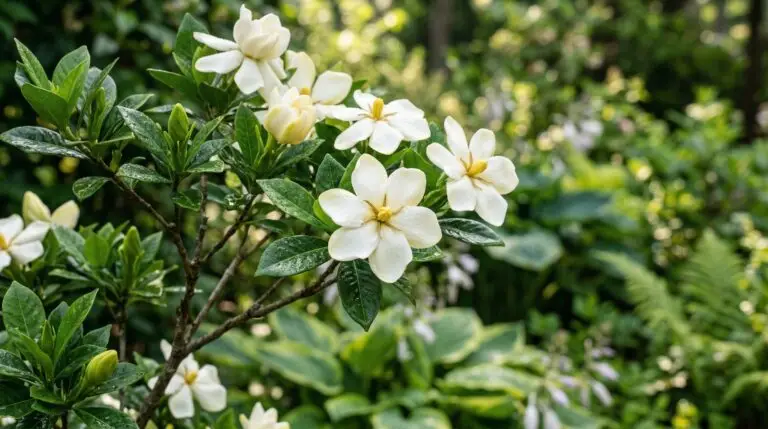
Cold hardy gardenias that survive winter in zones 6 and 7 with fragrant summer blooms
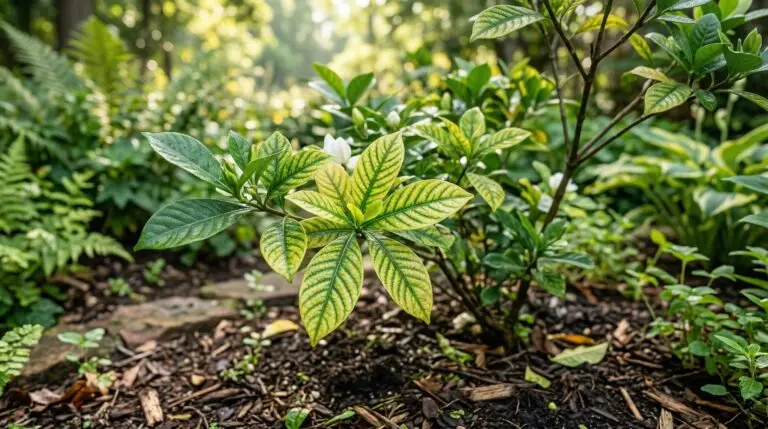
How to fix yellow leaves on gardenias with the right soil and feeding program
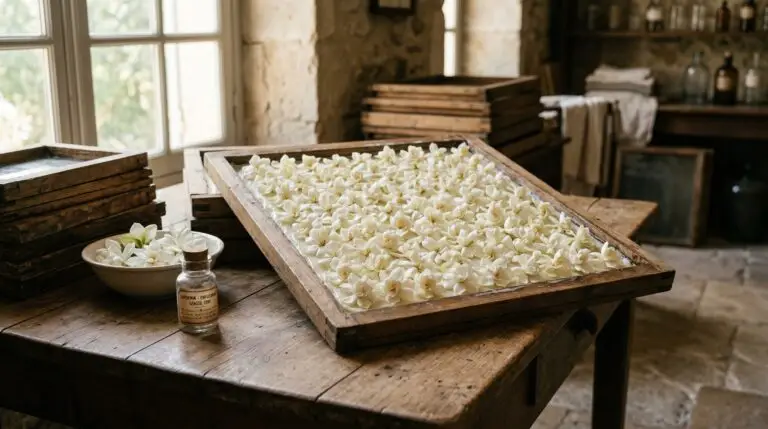
Gardenia essential oil and the history of this fragrance in perfumery and aromatherapy
Growing gardenias indoors as houseplants and surviving the humidity challenge
Best gardenia varieties from compact Radicans to the classic August Beauty
Why gardenia buds turn brown and drop off before opening and how to stop it
Gardenia flower meaning and why this bloom represents secret love and purity
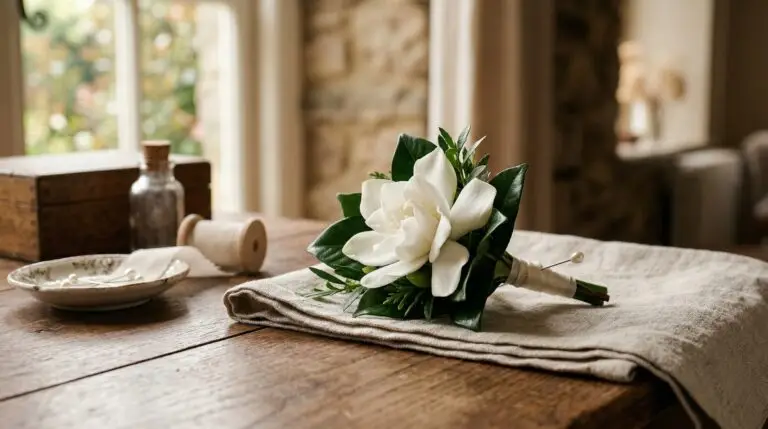
Gardenia wedding flowers and the timeless elegance of white gardenia corsages and bouquets
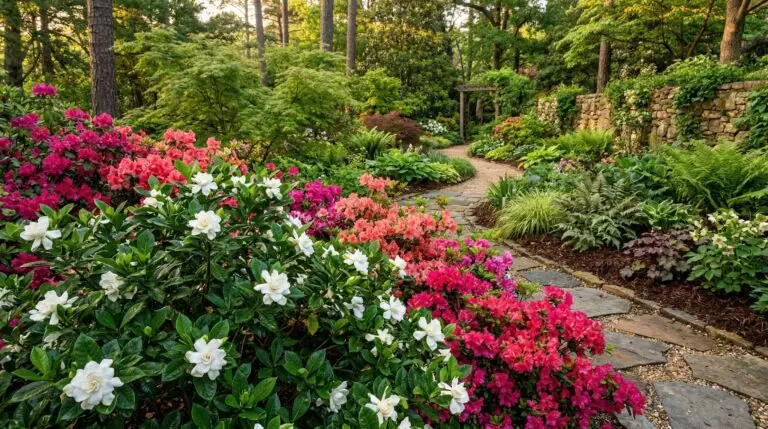
Companion plants for gardenias: what to grow and avoid
Enjoying our flower guides? Add YourFlowersGuide as a preferred source on Google. It helps more readers find us.
Add to Preferred Sources