The pairing · pick a flower
 Gardenia+
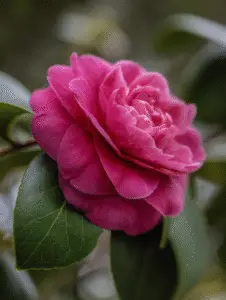 CamelliaProven
Wants the same part shade, steady moisture, and acid soil (pH 5.5 to 6.5) as gardenia, and blooms fall through spring, carrying the bed through every month gardenia is not flowering.
Gardenia+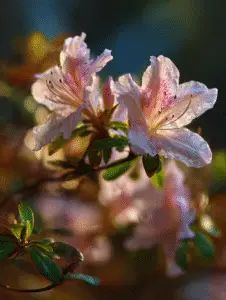 AzaleaProven
A near identical acid soil band, pH 4.5 to 6.0 against gardenia's under 6.0 to 6.5, plus the same light to moderate shade preference, and its spring bloom fills the gap before gardenia opens in May.
Gardenia+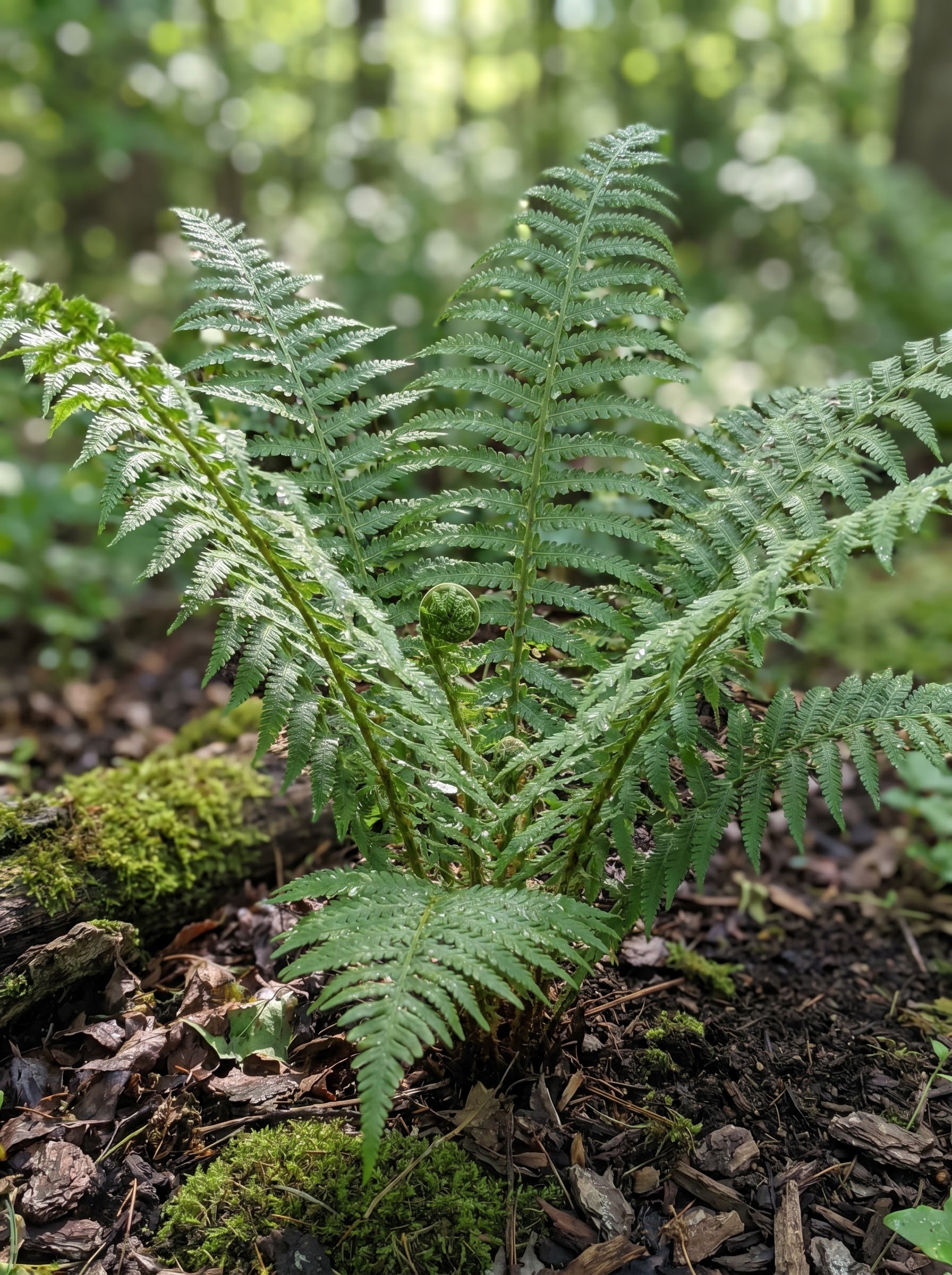 Autumn fernProven
Wants the same dappled to deep shade, constantly moist, humus rich, acid soil (pH under 6.0) as gardenia, and its fine coppery fronds are the clearest textural foil to gardenia's broad glossy leaves.
Gardenia+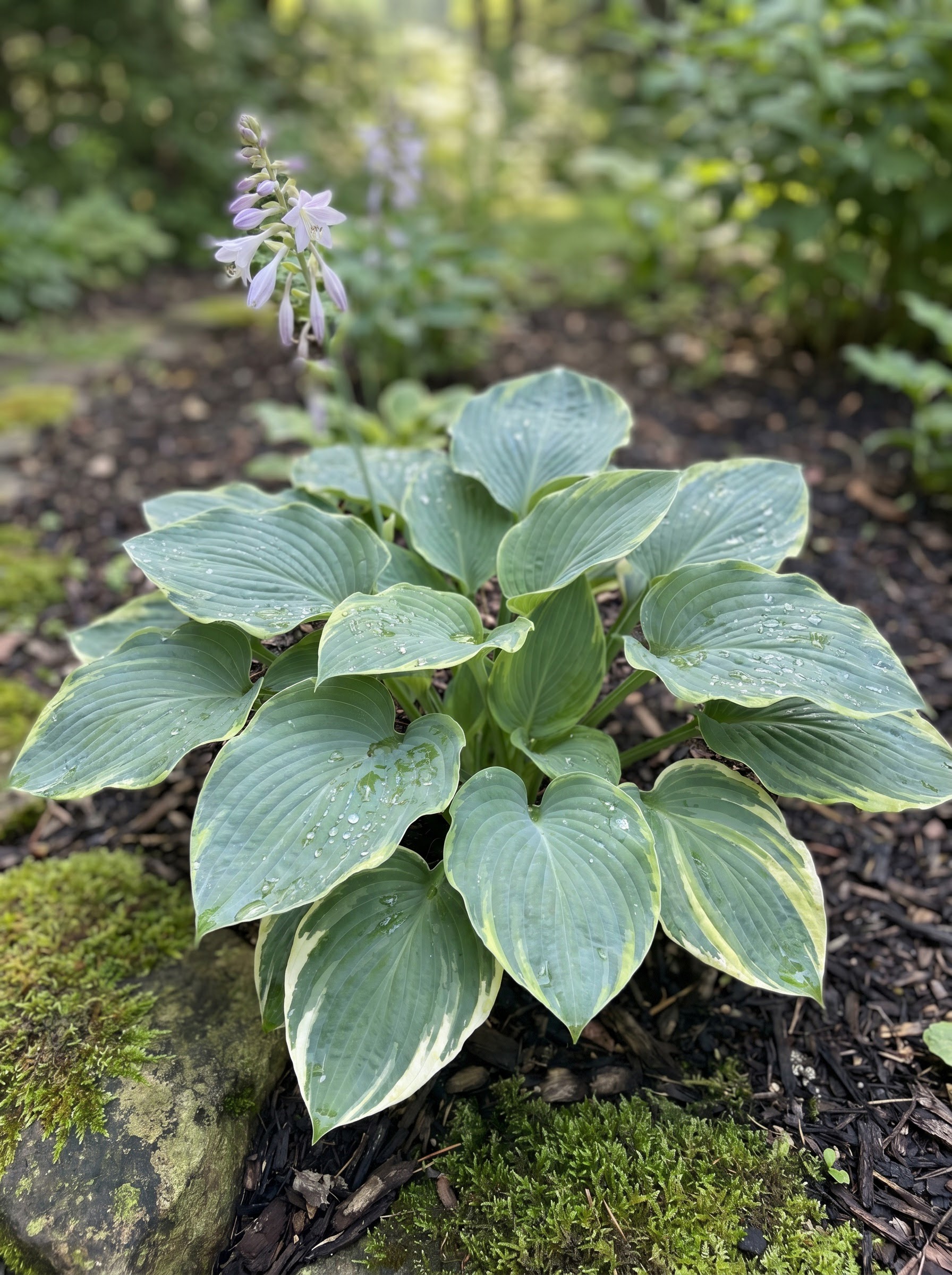 HostaProven
Shares gardenia's dappled to deep shade, acid to neutral soil (under pH 6.0 to 8.0), and steady moisture, and a row at the base covers the bare lower stems a mature gardenia develops.
Gardenia+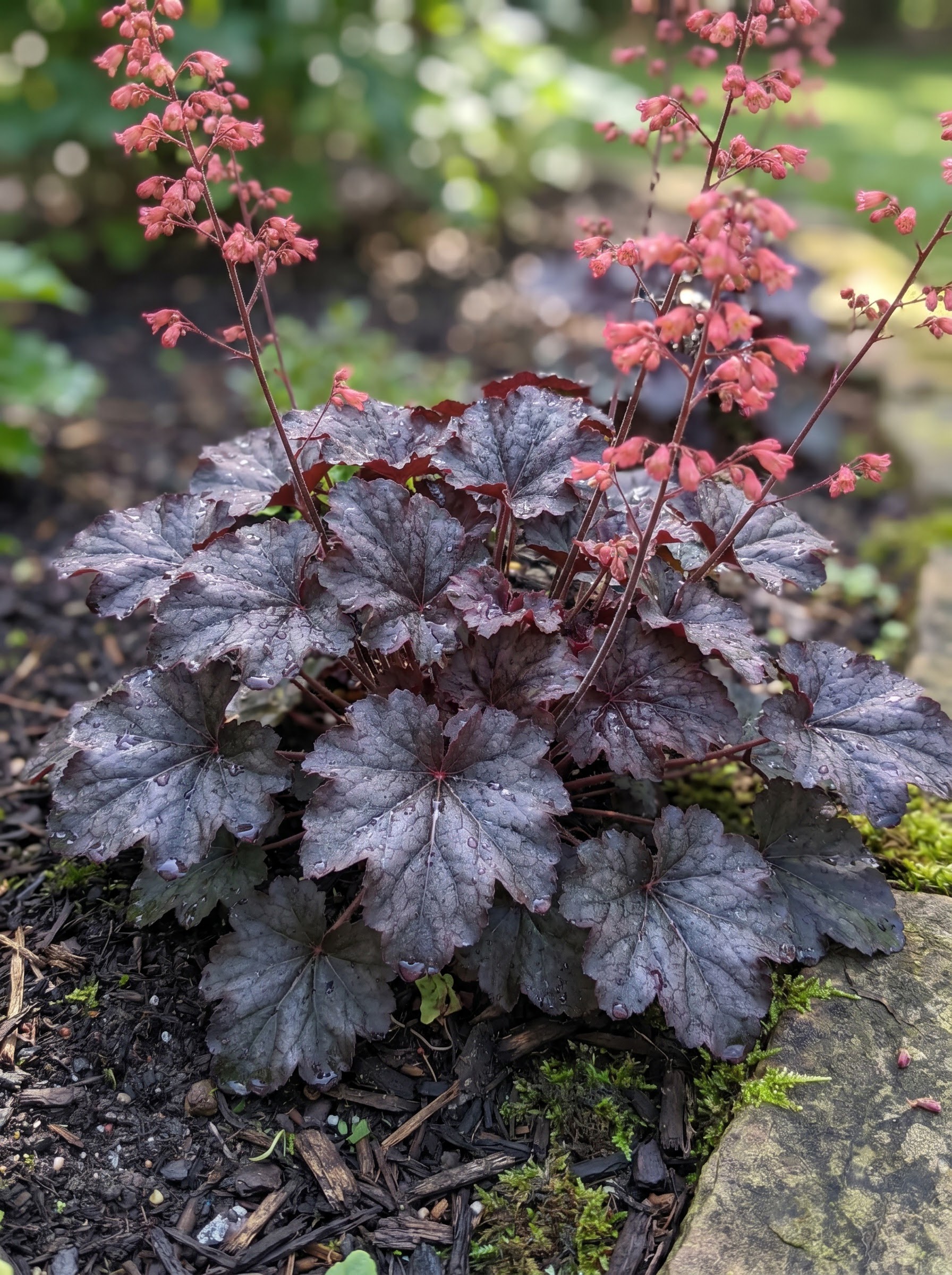 Coral bellsPartial
Tolerates gardenia's part shade and slightly acid soil, and its colorful foliage makes a deliberate low front edge accent against gardenia's dark green, though it wants steady water, not a drought rest.
Gardenia+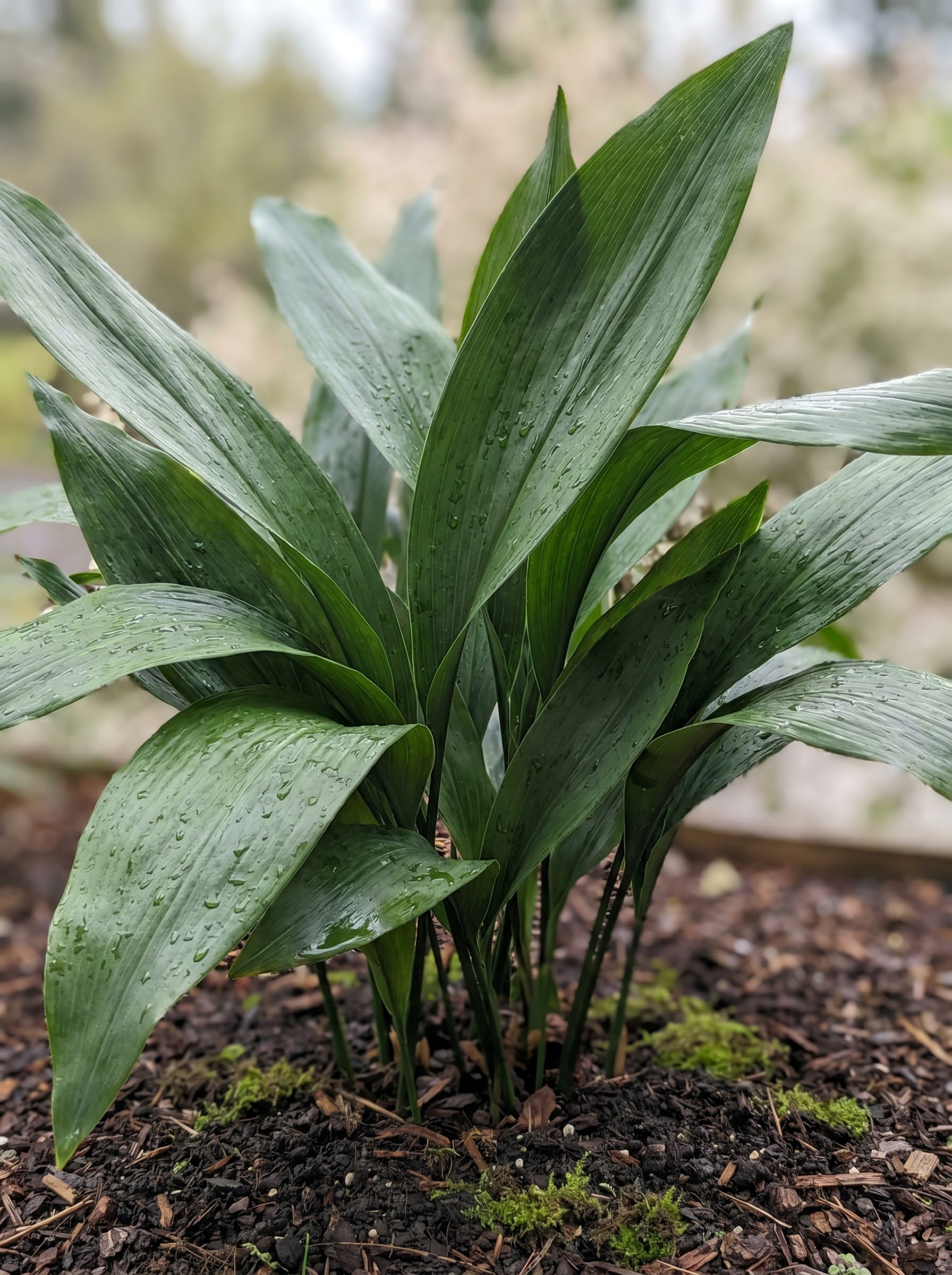 Cast ironPartial
Tolerates dappled to deep shade and a wide range of soil pH, which makes it one of the lowest risk underplanting choices for a reader worried anything will actually survive under a mature gardenia's canopy.
Gardenia+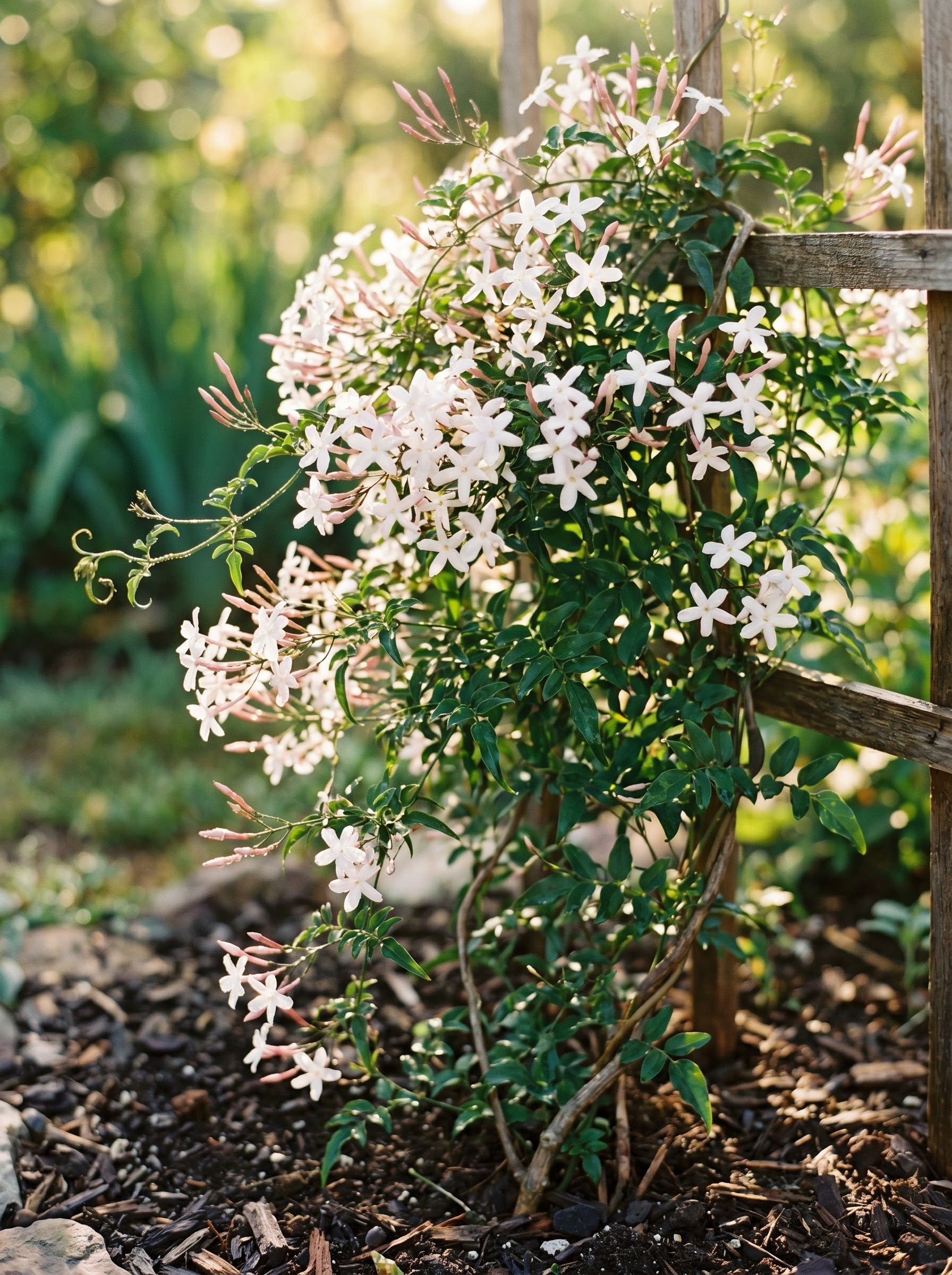 JasminePartial
The genuine design case is timing, not shared conditions: gardenia carries the daytime scent and jasmine picks it up on evening breezes, though most jasmine species want more sun than gardenia's shade allows, so site it where it gets its own light.
Gardenia+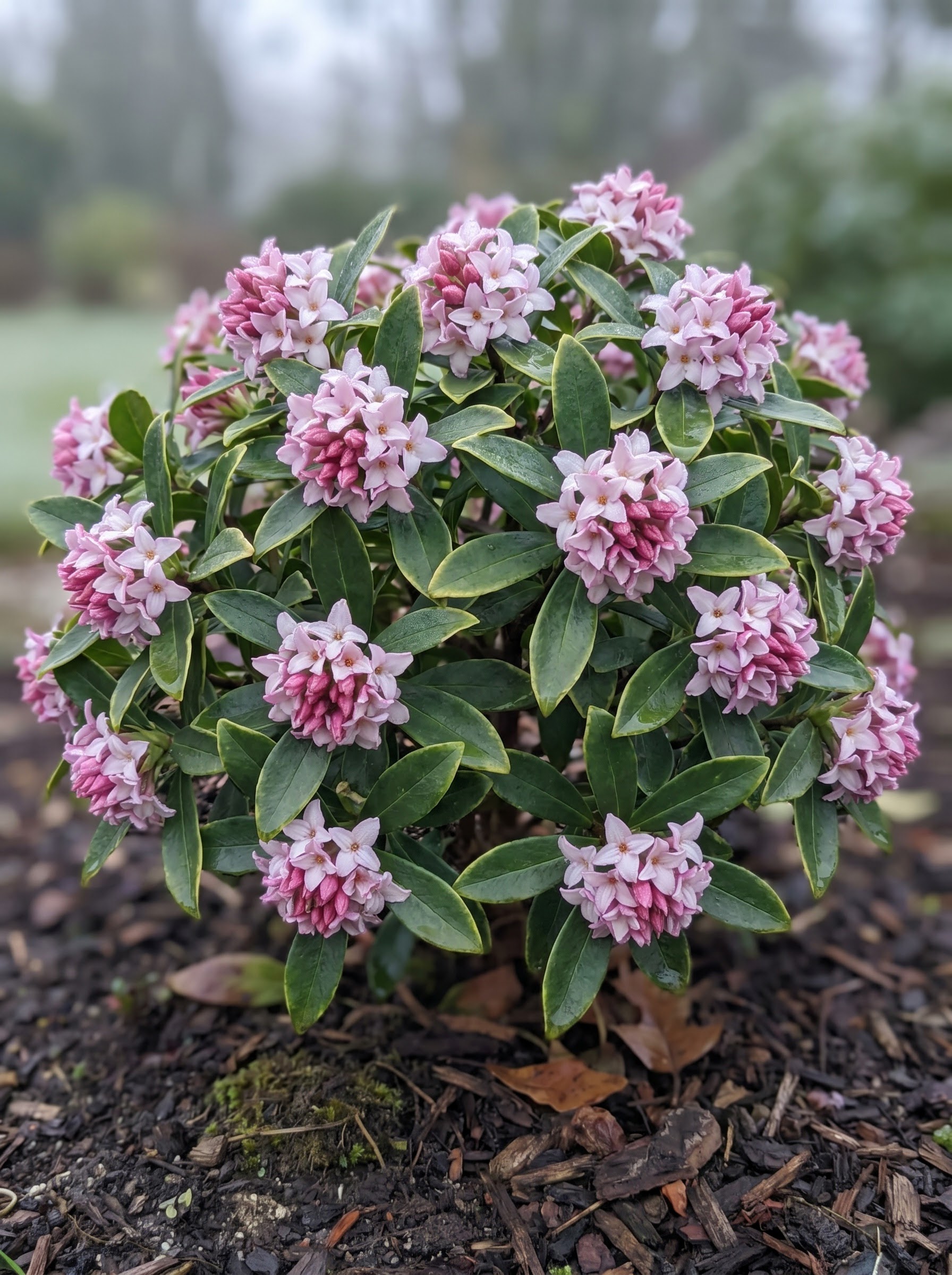 Winter daphneProven
Shares gardenia's part shade and moist, well drained soil, tolerates acid to neutral pH in the same band gardenia needs, and its mid to late winter fragrance extends the scented border into the one season gardenia and camellia both go quiet.
All gardenias companions
8 flower companions, best match first
What not to plant near gardenias
Most bad neighbours are not evil, they just want the opposite light, water or root run. Here is what to keep away, and what to do instead.
Full sun, dry soil plants (lavender, most salvia, zinnia, Mediterranean and prairie sun lovers)
These want 6 to 8 hours of direct sun and soil that dries between waterings, and go leggy and stop flowering in gardenia's shade, while gardenia's consistently moist soil sits wrong for roots built to dry out. Zinnia is named explicitly for exactly this clash, needing full sun to produce its blooms at all.
Alkaline and neutral soil plants (thyme and most Mediterranean herbs)
Gardenia's pH ceiling is a hard floor, not a cosmetic preference: UF/IFAS and Clemson both cap it under 6.5, and Clemson flags anything over pH 7.0 as needing correction. Thyme's own NC State profile puts it at pH 6.0 to 8.0, genuinely the wrong soil chemistry for a shared bed, not just a style mismatch.
Dahlia
Dahlia's soil overlaps gardenia's reasonably well, but it needs 6 to 8 hours of direct sun to bloom well, a genuine mismatch with gardenia's part shade requirement that undercuts the soil compatibility other sources lead with.
Crowded, airflow blocking plantings pressed against the canopy
UF/IFAS directly ties spacing to gardenia's pest resistance, recommending enough room for good air circulation to help with pest prevention. Gardenia's most common problems, scale, aphids, and whitefly, all thrive on stressed, crowded plants, even though the specific whitefly to sooty mold airflow link is not separately spelled out for this species.
Strongly scented companions planted to compete head on, not in sequence
The idea that gardenia needs to be shielded from other fragrant plants has no growing conditions mechanism behind it, it is a design taste call, not a horticultural one. What actually works, and is not folklore, is timing: a scent that peaks when gardenia is not, like jasmine's evening fragrance or daphne's winter bloom.
The best companions for gardenias, explained
A gardenia sets a narrower bar than most flowering shrubs, and the strategy that actually works is to test every candidate against all three of its demands at once: part shade, soil that never dries out, and a genuinely acid pH. Camellia clears that bar more completely than anything else on this list. Its own NC State profile puts it at pH 5.5 to 6.5, essentially the same acid band gardenia needs, plus the identical part shade and steady moisture, and its blooms run September through April, which means it is carrying color through every month gardenia is not. Azaleas do the same job from the other direction: a pH floor of 4.5 to 6.0, light to moderate shade, and a mid spring bloom that opens well before gardenia starts in May, so the two shrubs read as relay runners rather than rivals competing for the same weeks.
Underneath both of those anchor shrubs, the front of the bed wants something built for gardenia’s own bare lower stems, which is a real issue once the shrub matures and its canopy thickens up top while the base goes woody and open. Autumn fern is the strongest match here, tolerating the same dappled to deep shade and acid, constantly moist soil, with fine coppery fronds that give the clearest available texture contrast to gardenia’s broad glossy leaves. Hosta covers the same ground at a bigger scale, its own soil and shade needs lining up almost exactly with gardenia’s, and its ribbed leaves do double duty as an echo of gardenia’s foliage and a genuine screen for the bare stems above. Coral bells and cast iron plant round out that front layer with more margin for error: heuchera brings a low, colorful accent that tolerates the shade but still wants regular water, while cast iron plant is close to bulletproof in deep shade and a wide range of soil chemistry, which makes it the safest pick for anyone worried a companion simply will not survive gardenia’s shadow. The fragrance layer works differently, and it is the one place gardenia’s companion logic genuinely departs from every other flower in this pipeline: jasmine and winter daphne are not chosen for shared conditions so much as shared timing, gardenia scenting the day, jasmine carrying it into evening, and daphne picking the fragrance thread back up in the dead of winter when nothing else nearby is blooming at all.
What not to plant near gardenias
The two clearest avoids both come down to gardenia’s soil and light being genuinely non-negotiable rather than merely preferred. Full sun, dry soil plants, lavender, most salvia types, and zinnia specifically, need 6 to 8 hours of direct sun to perform at all; zinnia’s own extension profile makes that explicit, and tucked into gardenia’s shade it goes leggy and stops flowering while gardenia’s consistently moist soil sits wrong for roots that want to dry out between waterings. That is a plain physiology mismatch, not a style call, and the fix is real distance, not a compromise spot at the bed’s edge. The pH mismatch cuts even deeper, because gardenia’s acid requirement is not the color only cosmetic trait some acid loving shrubs carry. UF/IFAS and Clemson both cap it under pH 6.5, and Clemson names anything over pH 7.0 as a problem the soil needs correcting before planting at all. Thyme is the clearest test case: its own extension profile puts its preferred range at pH 6.0 to 8.0, genuinely alkaline leaning soil chemistry that is wrong for a shared bed, not a texture or color clash that can be designed around.
Dahlia is a more layered case than most consumer roundups let on. Its soil actually overlaps gardenia’s reasonably well, but dahlia needs 6 to 8 hours of direct sun to bloom well, the same sun mismatch that rules out zinnia and lavender, and that gap matters more than the soil overlap other sources lead with. The honest verdict is to grow dahlias in their own full sun bed and let gardenia’s genuine shade companions do the underplanting instead. Crowding deserves its own mention here too, because UF/IFAS ties spacing directly to pest prevention on this specific plant, recommending enough room for good air circulation, and gardenia’s most common problems, scale, aphids, and whitefly, all get worse on a stressed, overcrowded shrub, even where the airflow to whitefly link is not spelled out as explicitly for gardenia as it is for some other diseases on this plant. Leave the plant its full 3 to 6 ft mature spread and set shrub scale neighbors like camellia or azalea back their own 3 to 5 ft rather than pressing them against the canopy. One more claim is worth naming and correcting rather than repeating: several consumer sources warn against pairing gardenia with any other strongly fragrant plant so the scents do not compete. That has no growing conditions mechanism behind it at all, it is a sensory taste call dressed up as horticultural advice, and it sits in direct tension with the genuinely good fragrance sequencing jasmine and winter daphne actually provide.
Do they like the same conditions?
Test every candidate against gardenia’s own profile before it earns a spot, and the profile is stricter than it looks at first glance. Light wants to be part shade, morning sun with afternoon shade specifically, and while UF/IFAS phrases its own guidance a little more loosely as full sun or partial shade with room to breathe, that reading assumes the plant gets the air circulation UF/IFAS is explicit about elsewhere on the same page; in a hot Deep South summer, the safer bet is the shadier reading. Water needs to be consistent rather than merely adequate: UF/IFAS calls for regular watering, especially through summer drought, and once the soil dries out for any real stretch the shrub shows it. Humidity is a related but separate need worth carrying forward, since it is a large part of why container grown gardenias in particular need closer watching in dry indoor air, a wrinkle most of gardenia’s companions on this list are not independently tested against.
Soil pH is where the honest story actually diverges from the acid loving shrub gardenia gets grouped with most often, hydrangea. Hydrangea’s pH steers flower color, not plant health, which is the well known myth worth busting on that flower’s own page. Gardenia does not get that pass. UF/IFAS states the requirement plainly, an acidic soil pH between 5.0 and 6.5 is required or the foliage will yellow, and Clemson frames it just as firmly, acid with a pH of less than 6.0, flagging anything above pH 7.0 as needing correction before the shrub goes in the ground. That makes gardenia a true acid obligate plant in the same sense azalea is, not a shrub with room to negotiate the way hydrangea does, and it is the single reason thyme and other alkaline leaning herbs are a hard avoid here rather than a soft preference mismatch.
How to plant them together
Layer by height and by season instead of filling the bed with everything that flowers at once. Camellia and azalea want their own amended, mulched footprint 3 to 5 ft out from the gardenia’s center, both being shrub scale plants with real root systems of their own, rather than one shared soil pocket dug for the whole bed. Autumn fern and hosta belong at the front edge and directly under the lower canopy, spaced 18 to 24 in depending on the mature size of the cultivar, exactly where a maturing gardenia’s bare stems need the most cover. Heuchera and cast iron plant fill in closer still, 12 to 18 in out, doing low front of border work without competing hard for the same root zone. Jasmine wants a trellis or fence of its own a few feet off, somewhere it can reach more sun than gardenia’s shade allows, and winter daphne, being a shrub that resents root disturbance once settled, is worth siting carefully the first time at 2 to 3 ft out rather than planning to move it later.
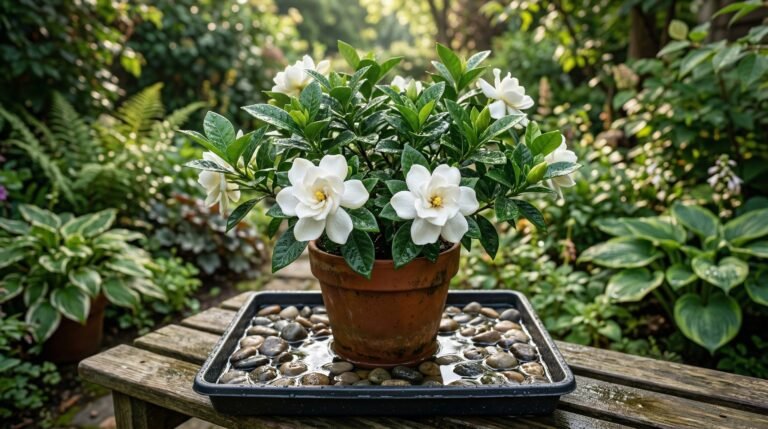
Container growing changes this math without changing the underlying rules, and it is a genuinely common way to grow gardenia, especially in marginal zones where the shrub has to come indoors for winter. A large pot lets the grower control soil pH directly, useful anywhere the ground itself runs alkaline, and a single companion at the rim, heuchera is a reasonable choice, does the same low accent work a bed planting would as long as both plants get watered on gardenia’s schedule rather than a drought tolerant one. Mulch two to three inches deep over the whole planted area in every setting, in ground or in a pot, since it holds the moisture every real companion on this list needs and helps keep the soil’s acidity from drifting upward over a season of watering with tap water. One siting note belongs here rather than in the plant to plant avoid list: gardenia is genuinely salt sensitive, so coastal beds within reach of ocean spray or irrigated with softened or reclaimed water are a real risk to the shrub itself, independent of whatever else is planted beside it.
Does companion planting actually work for gardenias?
Some of it, yes, cleanly, and some of it is closer to a design habit worth naming honestly rather than folding into the same claim. The shared conditions matches are the strongest ground this page stands on: camellia, azalea, autumn fern, hosta, and winter daphne all genuinely want the same part shade, steady moisture, and acid soil gardenia does, and that overlap is directly confirmed by each plant’s own extension profile rather than assumed from a shared reputation for liking shade. The seasonal succession case is just as real and specific to this pairing: camellia and azalea both bloom outside gardenia’s own May through summer window, which means the bed keeps color through months gardenia leaves empty, not simply more flowers stacked on top of an already busy season.
Where the evidence runs thinner is the fragrance question, and it is worth being precise about which half of that claim holds up. The idea that gardenia should be shielded from other strongly scented plants so the smells do not compete has no growing conditions mechanism behind it at all; it is a sensory preference some gardeners hold, not a horticultural fact, and it belongs filed as folklore rather than advice. What is genuinely defensible, and distinct from that folklore claim, is sequencing fragrance by time of day and season rather than avoiding it: jasmine’s evening scent and winter daphne’s cold season bloom do not compete with gardenia’s own daytime, warm weather fragrance because they are simply never blooming at the same hour or the same month. That is a real design mechanic, not a myth, and it is the one place this flower’s companion logic genuinely differs from every other flower in this pipeline. The takeaway is smaller and more useful than the average listicle: match gardenia’s shade, moisture, and hard pH ceiling first, use bloom timing to fill the calendar second, and treat any claim beyond that, that a neighbor improves gardenia’s health, wards off whitefly, or needs to be kept away purely for scent, as unproven until a source actually says so.
FAQ
What can I plant in front of a gardenia?
Autumn fern, hosta, coral bells, and cast iron plant all work at the front edge, since they share gardenia’s shade and moisture needs and cover the bare lower stems a mature shrub develops as its canopy fills in up top.
What should you not plant near gardenias?
Full sun, dry soil plants like lavender, most salvia, and zinnia are the clearest avoid, followed by alkaline leaning herbs like thyme, since gardenia’s acid soil requirement, under pH 6.5, is a genuine health need rather than a cosmetic preference.
Do gardenias and camellias really grow well together?
Yes, and this is one of the more reliably confirmed pairings in this pipeline: both want the same part shade, steady moisture, and an acid soil band that overlaps closely, and camellia’s fall through spring bloom fills the months gardenia is not flowering.
Can I grow gardenia companions in a pot?
Yes, gardenia is commonly grown in containers, especially in zones cooler than its 7b to 11b hardy range, and a single low companion like heuchera at the rim works well as long as both plants stay on gardenia’s watering schedule rather than a drought tolerant one.
Does gardenia actually need acid soil, or is that a myth like it is for some shrubs?
It genuinely needs it. Unlike hydrangea, where soil pH only steers flower color, UF/IFAS and Clemson both state a hard pH ceiling for gardenia’s health, under 6.5, with anything above pH 7.0 flagged as a problem to correct.
Sources
- North Carolina Extension Gardener Plant Toolbox, Camellia japonica
- Clemson Cooperative Extension (HGIC), Azalea Planting
- North Carolina Extension Gardener Plant Toolbox, Dryopteris erythrosora
- North Carolina Extension Gardener Plant Toolbox, Hosta
- North Carolina Extension Gardener Plant Toolbox, Daphne odora ‘Marginata’
- North Carolina Extension Gardener Plant Toolbox, Thymus vulgaris
- North Carolina Extension Gardener Plant Toolbox, Zinnia elegans
- North Carolina Extension Gardener Plant Toolbox, Dahlia
- Clemson Cooperative Extension (HGIC), Gardenia
- UF/IFAS Gardening Solutions, Gardenias
More About Gardenia
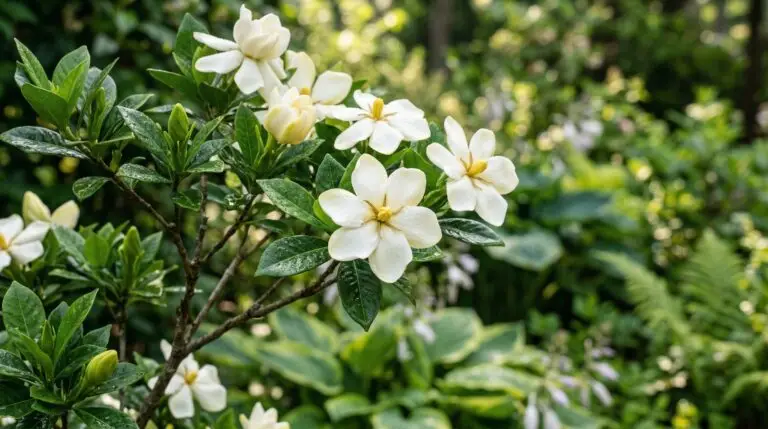
Cold hardy gardenias that survive winter in zones 6 and 7 with fragrant summer blooms
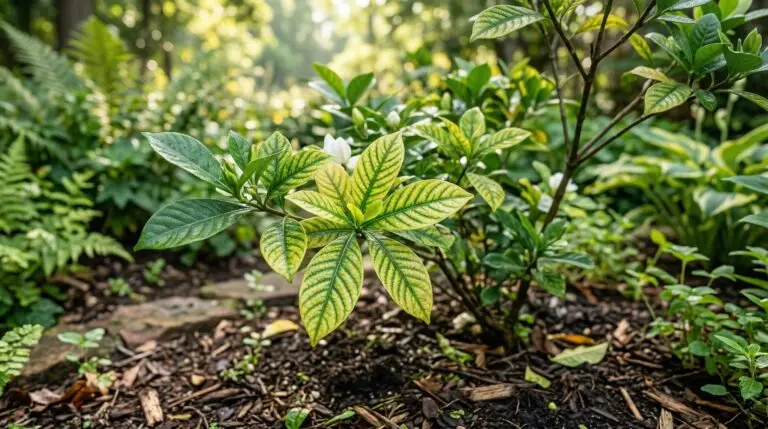
How to fix yellow leaves on gardenias with the right soil and feeding program
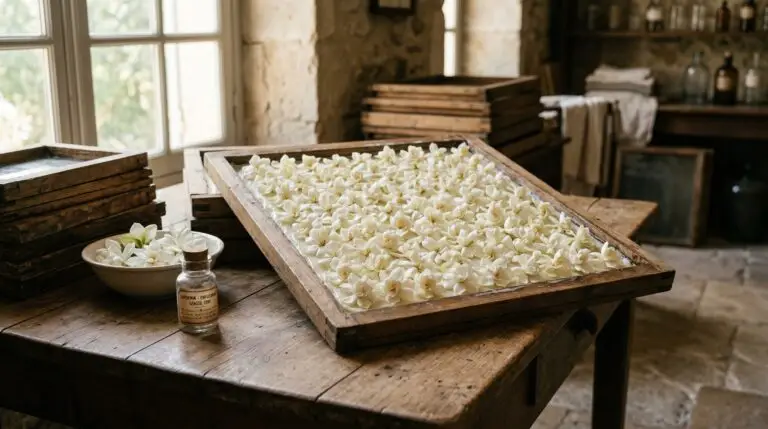
Gardenia essential oil and the history of this fragrance in perfumery and aromatherapy
Growing gardenias indoors as houseplants and surviving the humidity challenge
Best gardenia varieties from compact Radicans to the classic August Beauty
Why gardenia buds turn brown and drop off before opening and how to stop it
Gardenia flower meaning and why this bloom represents secret love and purity
How to grow gardenias for intoxicating fragrance and creamy white blooms
Gardenia wedding flowers and the timeless elegance of white gardenia corsages and bouquets