Contents 5 sections
Winter pruning and the memory of scent
The air is still sharp with frost when I step out to inspect the gardenia shrubs. The leaves are deep green, stiff against the cold, holding tight to the branches while the rest of the garden sleeps. This is the time for careful pruning, shaping the wood before the sap begins to run in earnest. As my shears snap through the thin branches, there is no scent of blossoms, but the memory of their heavy perfume lingers in my mind. Gardenia fragrance has commanded human attention for centuries, demanding a level of devotion from both the gardener and the perfumer. Long before the ground thaws, I am already thinking about the white flowers that will define the summer nights.
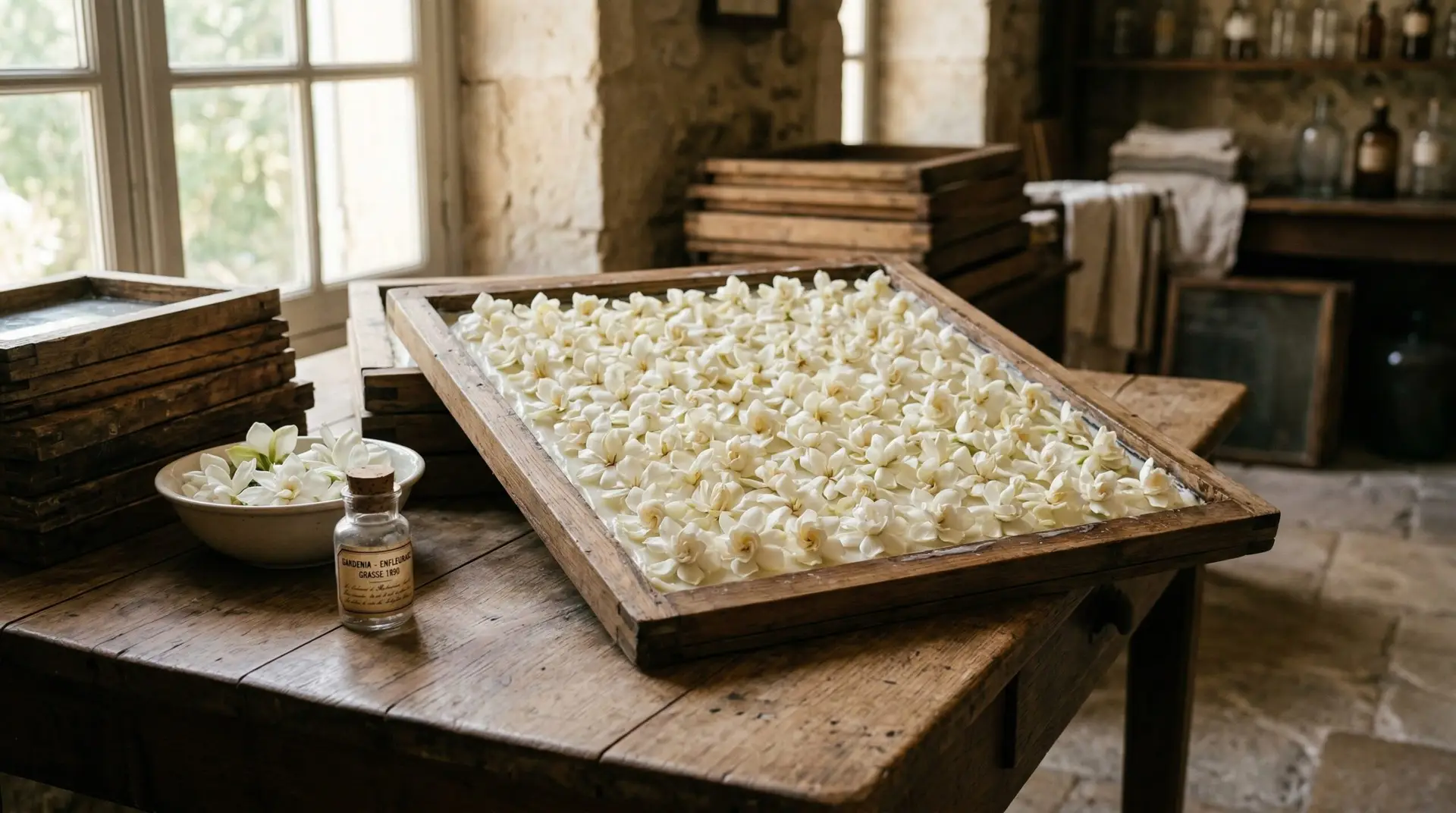
Capturing that elusive scent was once a labor of immense patience, mirroring the slow wait of the winter gardener. Historically, perfumers relied on a technique called enfleurage to extract the delicate aromatic compounds from white flowers. Workers would coat glass chassis with purified animal fat and press freshly picked blossoms into the grease, leaving them for days until the fat absorbed the fragrance. They carefully removed the spent blooms by hand and replaced them with a fresh harvest from the fields. They repeated this exhausting process with thousands of flowers over several weeks until the pomade was completely saturated with the pure essence of the bloom. Modern extraction methods have largely replaced this cold fat process, but the historical pursuit of the true gardenia scent shows just how deeply this flower has captivated our senses.
Spring awakening and the classic perfumes
When the soil warms and the spring peepers begin their chorus in the nearby woods, the gardenia bush responds to the shifting light. The tight green buds start to form at the tips of the branches, swelling almost imperceptibly as the days lengthen. The anticipation builds for weeks as the outer sepals slowly peel back to reveal the tightly furled white petals inside. It takes a string of warm, humid nights for the first flower to finally open and release its signature scent into the dark garden. The air becomes instantly heavier, carrying a rich, creamy sweetness that eclipses the smell of damp earth and new grass. The wait is finally over, and the garden is flooded with an aroma that feels almost physical in its presence.
That unmistakable midnight aroma has inspired some of the most classic creations in fragrance history. Perfumers spent decades trying to bottle the exact experience of standing next to a blooming bush on a July evening. True gardenia perfume is notoriously difficult to formulate because the natural botanical extract often yields a scent that is surprisingly different from the living flower. Perfumers frequently have to blend other white florals to trick the nose into experiencing the living plant in a bottle. They might weave in the bright, narcotic notes of jasmine to recreate the sharp green opening of a fresh gardenia bud. Through careful chemistry and artistry, they build a fragrance profile that captures the heavy, velvet texture of the petals.
Summer heat and the calming harvest
By midsummer, the shrub is in full production, pushing out a continuous flush of white stars against the glossy foliage. The heat of the afternoon bakes the natural oils in the petals, but it is at dusk when the fragrance truly peaks. I walk out with a woven basket just as the fireflies start blinking over the lawn, snapping the blossoms off right below the green calyx. You have to harvest them when they are perfectly white and fully open, just before the delicate edges begin to turn a bruised, papery yellow. The oils are highly volatile at this stage, ready to evaporate into the warm night. The scent wraps around you completely, thick enough to almost taste in the humid summer air.
Bringing those fresh blooms inside fills the house with a natural perfume that shifts the entire mood of the space. In the realm of botanical therapies, pure gardenia essential oil and its closely related absolute are prized for their deeply relaxing effects on the nervous system. When the high summer heat brings restless nights, inhaling that rich floral aroma helps quiet a racing mind and slow the breathing. The heavy sweetness acts as a natural sedative, much like the calming properties of lavender, but with a much more tropical character. A few drops of the diluted oil rubbed onto the pulse points can make the most oppressive August evening feel serene and manageable.
Autumn fading and preserving the blooms
As August bleeds into September, the nights grow cooler and the gardenia bush slows its frantic pace. The flowers become smaller, and the time between new buds stretches out as the plant senses the changing angle of the sun. I start leaving the remaining blossoms on the bush a little longer, watching them transition from crisp white to a soft, antiqued ivory. This is the season for gathering the last offerings, carefully snipping the blooms to dry them for the winter months ahead. I lay them out on mesh screens in a dark, warm room where the air circulation can pull the moisture from the thick petals without molding them.
Drying gardenia blooms requires a gentle touch, as the petals brown easily if they are bruised or dried too quickly. Once they are fully crisp and feel like thin parchment, I carefully pack them into glass jars to preserve their lingering scent. While the dried flowers lose the intoxicating projection of the fresh blooms, they retain a quiet, woody sweetness that works beautifully in winter potpourri. I like to blend these fragile brown petals with dried rose buds and a few drops of gardenia absolute to revive their original character. Opening the jar in the middle of January releases a sudden, sharp memory of the July garden.
Winter rest and the cycle renewed
The first hard frost eventually arrives, blackening any stubborn buds left on the branches and sending the shrub into deep dormancy. The glossy green leaves fold slightly against the freezing wind, and the garden is stripped of its heavy summer perfumes. Inside the house, the bowl of dried petals sitting on the mantel offers a faint, sweet reminder of the heat that has passed. The roots below the frozen soil are already storing energy, gathering strength in the darkness for the next season. The bush rests in silence, holding the promise of next summer’s fragrance tight within its woody stems until the spring peepers call again.
More About Gardenia
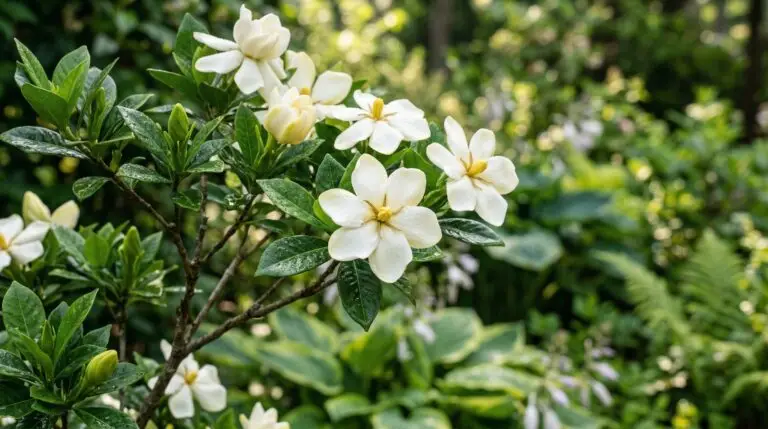
Cold hardy gardenias that survive winter in zones 6 and 7 with fragrant summer blooms
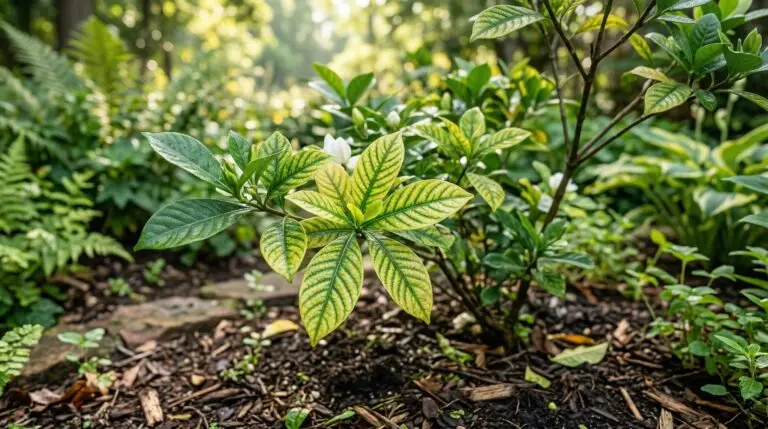
How to fix yellow leaves on gardenias with the right soil and feeding program
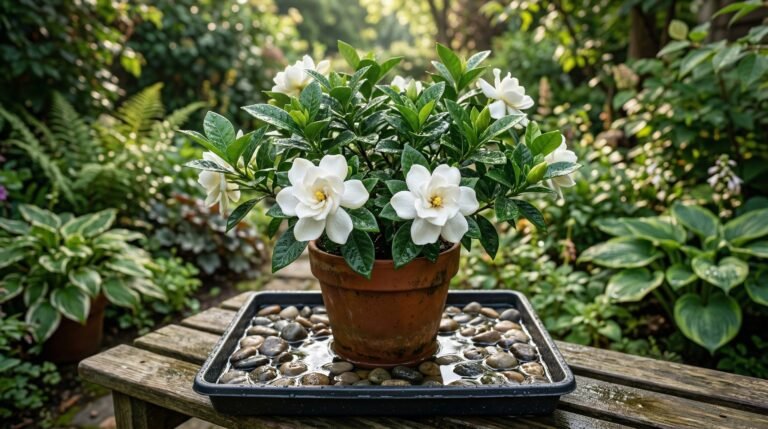
Growing gardenias indoors as houseplants and surviving the humidity challenge
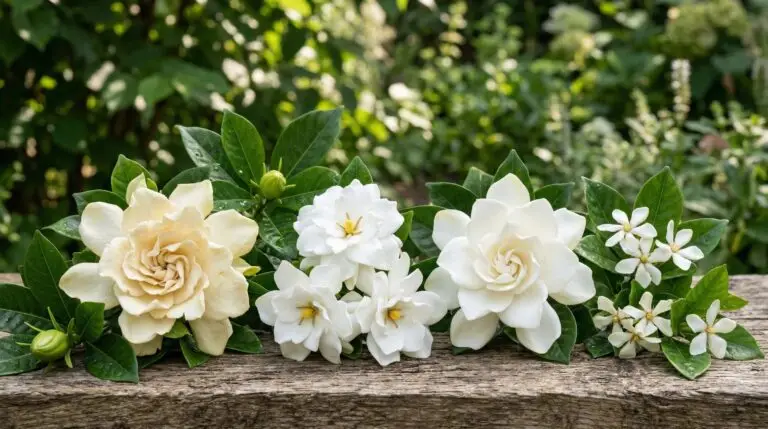
Best gardenia varieties from compact Radicans to the classic August Beauty
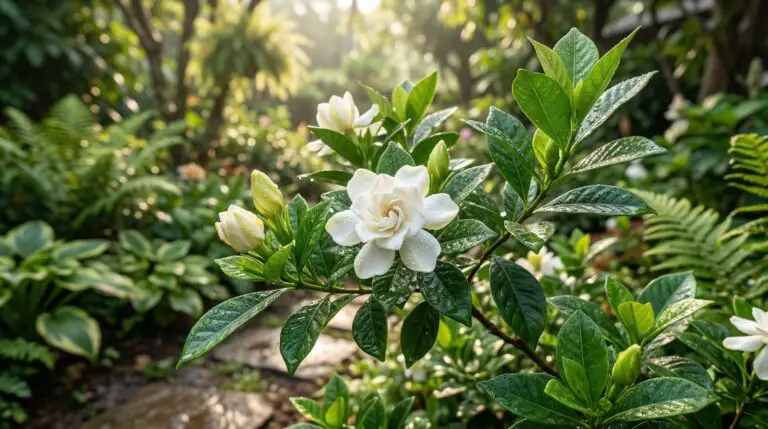
Why gardenia buds turn brown and drop off before opening and how to stop it
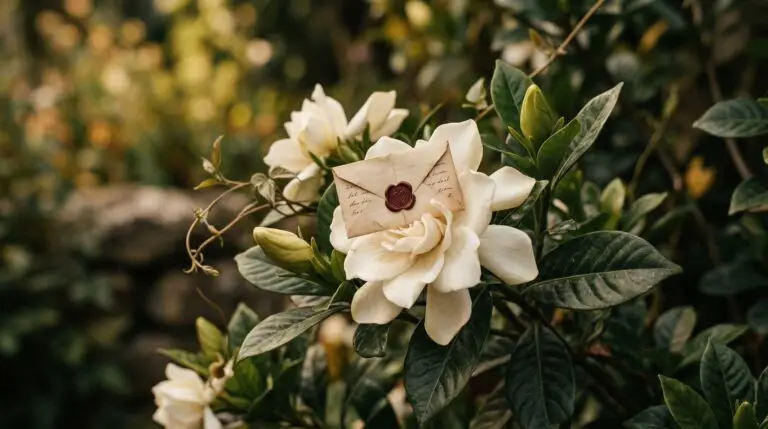
Gardenia flower meaning and why this bloom represents secret love and purity
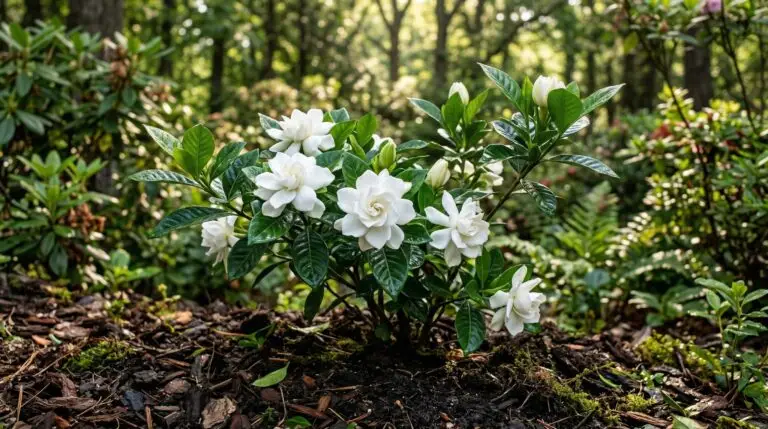
How to grow gardenias for intoxicating fragrance and creamy white blooms
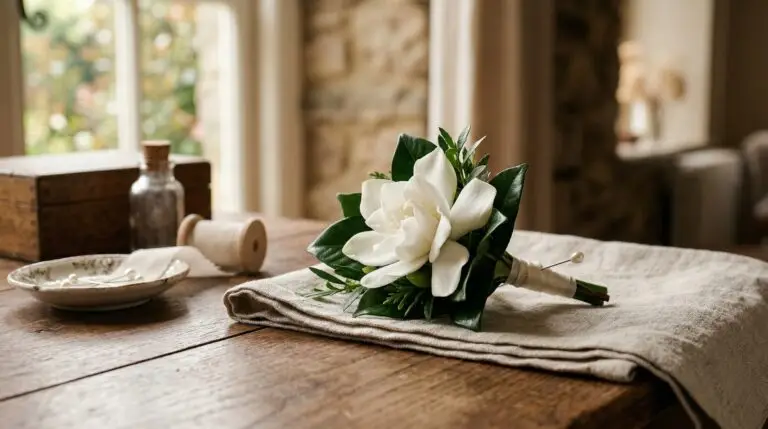
Gardenia wedding flowers and the timeless elegance of white gardenia corsages and bouquets
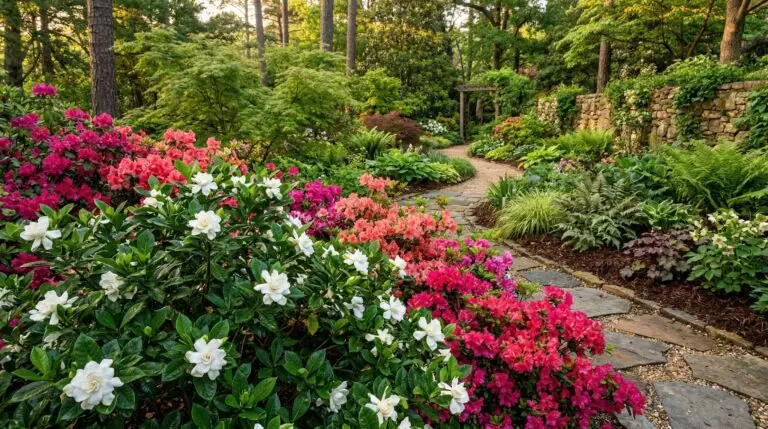
Companion plants for gardenias: what to grow and avoid
Enjoying our flower guides? Add YourFlowersGuide as a preferred source on Google. It helps more readers find us.
Add to Preferred Sources