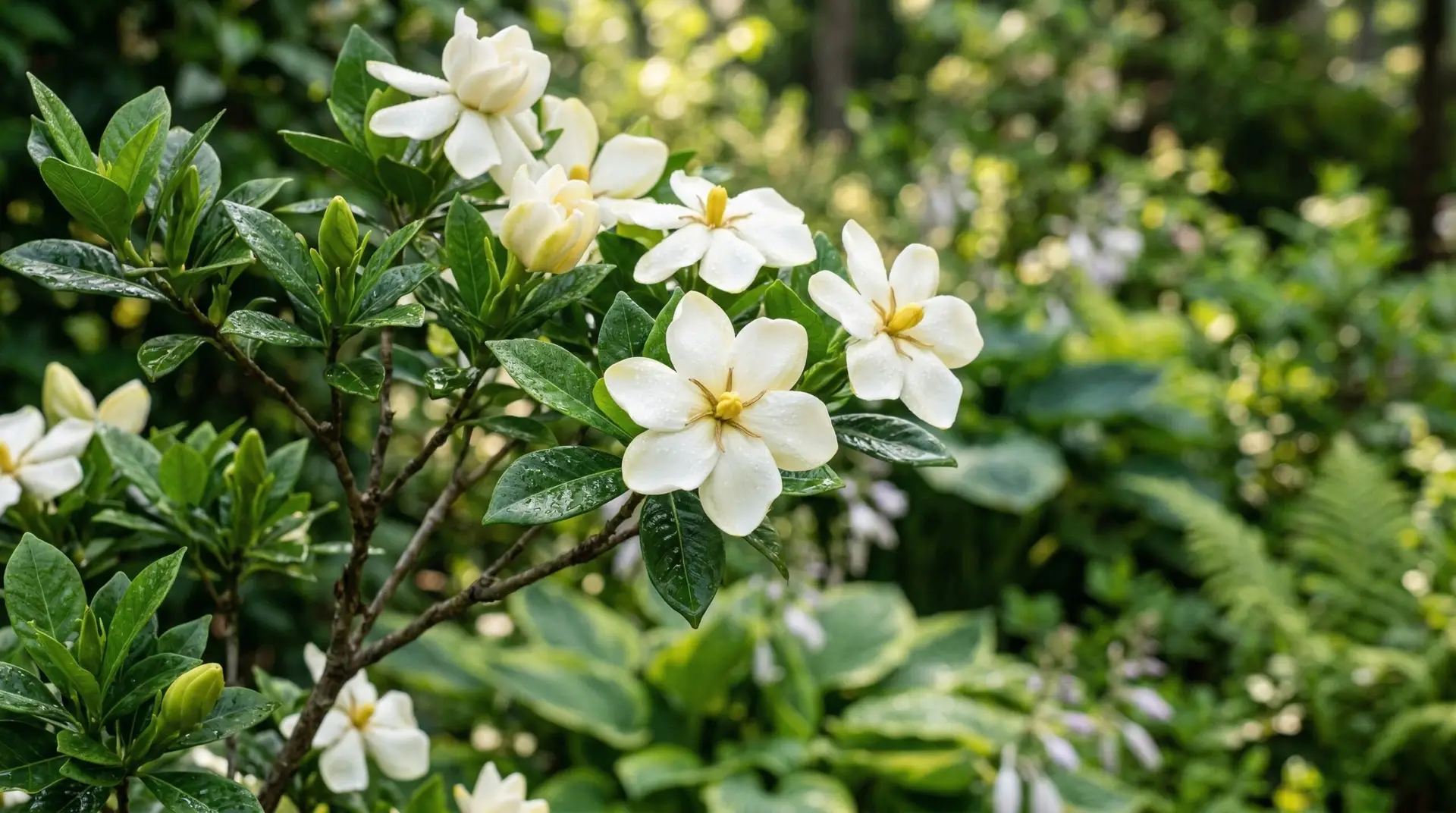
Growing conditions vary enormously across the country, and understanding your local climate context is the absolute foundation of success with any plant. A gardenia that grows into a massive, carefree hedge in the humid heat of Zone 9 Florida will perish during the first hard freeze in Pennsylvania. Gardeners in the transitional climates of Zone 6 and Zone 7 face a specific set of challenges when attempting to grow these fragrant evergreen shrubs. Winter in these regions brings fluctuating temperatures, freezing winds, and frozen soil that test the limits of broadleaf evergreens. Successfully cultivating a winter hardy gardenia in these colder zones requires careful cultivar selection and a deep understanding of your specific yard conditions. You cannot simply plant a gardenia in the middle of a lawn in Ohio and expect it to survive until spring.
The traditional gardenia sold at most garden centers is strictly a warm-climate plant that begins to suffer when temperatures drop below freezing. Plant breeders have spent decades developing specific varieties that can withstand the much colder winters found in the Mid-Atlantic and lower Midwest. A cold hardy gardenia possesses genetic traits that allow its cellular structure to survive temperatures dipping into the single digits. Even with these genetic advantages, these plants still operate at the absolute edge of their hardiness limits in Zone 6. Success depends entirely on how well you manage the local soil conditions, moisture levels, and wind exposure during the dormant season.
Contents 4 sections
Selecting the right cultivar for your regional climate
‘Kleim’s Hardy’ is often the first variety northern gardeners try when attempting to grow gardenias in Zone 7. This compact shrub produces single, daisy-like flowers and generally survives winters where temperatures occasionally drop to ten degrees Fahrenheit. In regions with reliable snow cover, the snow acts as an excellent insulator for this lower-growing variety. ‘Frostproof’ is another excellent option that handles late spring frosts far better than older varieties, making it highly valuable in the upper South where false springs frequently trick plants into early growth. For gardeners pushing the limits into Zone 6b, ‘Chuck Hayes’ is widely considered the most resilient option available. This variety produces traditional double blooms and has demonstrated an ability to survive brief dips below zero when planted in the right location.
The performance of these hardy varieties changes drastically depending on your specific regional climate patterns. In the humid Mid-Atlantic states, ‘Chuck Hayes’ benefits from the moderating influence of ocean air and frequent winter precipitation. Gardeners trying to grow this same cultivar in the drier, wind-swept regions of the lower Midwest face a much harder battle against winter desiccation. Cold, dry winds strip moisture from the evergreen foliage much faster than the dormant roots can replace it from the frozen ground. Understanding your regional winter moisture patterns dictates whether your gardenia needs supplemental watering during dry winter spells or enhanced drainage to prevent root rot in heavy winter rains.
Managing soil chemistry and winter drainage
Gardenias require highly acidic soil to absorb nutrients properly, and this requirement becomes even more urgent when the plant is under winter stress. A gardenia struggling with high pH soil enters winter in a weakened state and is far more likely to suffer severe freeze damage. If you live in a region with naturally alkaline soil, you must actively manage your soil chemistry by incorporating elemental sulfur well before planting. The soil requirements are nearly identical to those needed when growing an azalea in your yard. Both of these shallow-rooted, acid-loving shrubs demand a pH level between 5.0 and 6.0 to maintain their vigor through difficult seasons. Testing your soil pH is a mandatory step before attempting to overwinter a gardenia in a marginal climate.
Winter drainage is just as essential as soil chemistry when growing gardenias in Zone 6 and 7. Heavy clay soils that trap water around the root zone during cold winter rains will quickly kill even the most cold-tolerant cultivars. Wet, freezing soil suffocates the roots and prevents them from functioning properly when the plant needs them most. Amending heavy regional soils with pine bark fines improves both the drainage and the acidity levels simultaneously. This is the exact same soil preparation technique used by successful northern gardeners who cultivate cold hardy varieties of camellia in similar transitional zones. Creating a raised planting bed is often the most effective way to ensure winter moisture drains away from the root crown rapidly.
Utilizing microclimates to protect evergreen foliage
You can effectively push a gardenia a half-zone or even a full zone outside its normal range by exploiting the microclimates within your own property. A microclimate is a small area where the temperature, wind exposure, or humidity differs significantly from the general climate of the surrounding region. The south-facing or west-facing brick wall of a heated home is the classic example of a warm microclimate. The masonry absorbs solar radiation during the short winter days and slowly radiates that heat back out into the surrounding air overnight. Planting your gardenia two or three feet away from such a wall can keep the immediate ambient temperature several degrees warmer than the rest of the yard during a severe freeze.
Protecting your gardenia from prevailing winter winds is just as necessary as providing ambient heat. In regions where harsh northwestern winds dominate the winter weather patterns, you must position your gardenia behind a solid windbreak. A dense hedge of native evergreens, a solid wooden fence, or the wall of a garage can completely alter the wind dynamics in a specific corner of your garden. When the winter wind is blocked, the gardenia loses significantly less moisture through its leaves. You can also create temporary seasonal windbreaks using burlap stretched over wooden stakes positioned on the windward side of the plant. The goal is to buffer the wind without blocking the winter sunlight or trapping stagnant air around the foliage.
Active protection strategies for severe cold events
Even with the right cultivar and a perfect microclimate, gardeners in Zone 6 and 7 will occasionally face polar vortex events that threaten their plants. Applying a heavy layer of organic mulch is your first line of defense against deeply frozen soil. A four-inch layer of pine straw or shredded bark applied in late autumn insulates the ground and prevents the rapid freeze-and-thaw cycles that heave shallow roots out of the soil. Much like an azalea, a gardenia has a fine, shallow root system that is highly vulnerable to surface freezing. You must pull this thick mulch layer a few inches away from the main trunk to prevent bark rot and rodent damage. This insulation keeps the soil temperature more consistent and allows the roots to continue drawing up trace amounts of moisture during milder winter days.
When the weather forecast predicts temperatures dropping toward zero degrees Fahrenheit, active physical protection is required for a gardenia in Zone 6. You can construct a simple frame around the shrub and drape it with frost cloth or old cotton bedsheets. The cover must reach all the way to the ground to trap the latent heat rising from the soil. Never use plastic sheeting to cover a broadleaf evergreen, as plastic traps condensation that will freeze against the leaves and cause severe tissue damage. You must remove these heavy covers as soon as the severe cold breaks to allow sunlight and fresh air to reach the foliage.
Pushing the boundaries of plant hardiness requires accepting that your local environment dictates your garden practices. The ultimate success of growing a marginal plant relies on your ability to observe and manipulate the specific conditions of your own soil, wind exposure, and temperature fluctuations. You must evaluate your property not just by its USDA zone, but by its distinct microclimates and soil chemistry. When you learn to read the subtle variations in your regional climate, you stop fighting against nature and start working strategically within its limits. This principle of deep regional adaptation applies to every single plant you introduce to your garden, allowing you to cultivate a resilient yard that thrives in your exact geographical location.
More About Gardenia
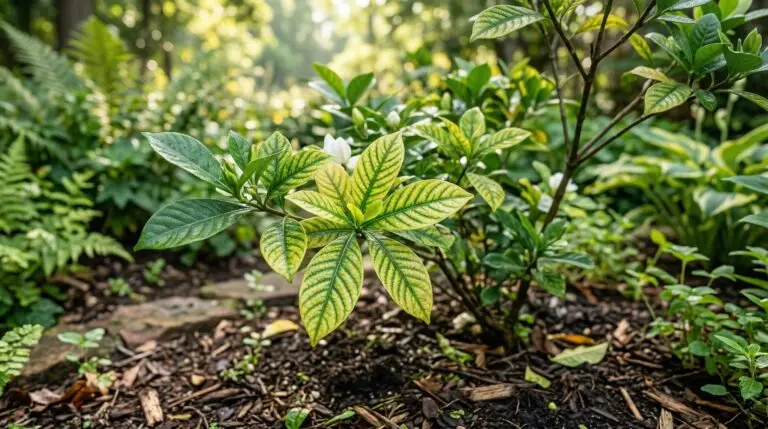
How to fix yellow leaves on gardenias with the right soil and feeding program
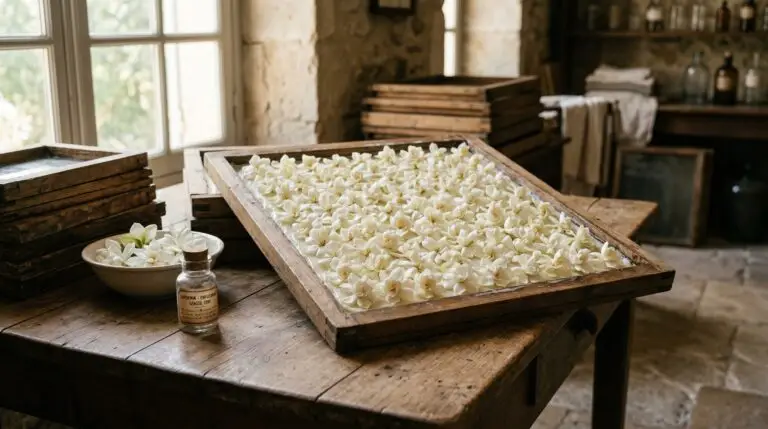
Gardenia essential oil and the history of this fragrance in perfumery and aromatherapy
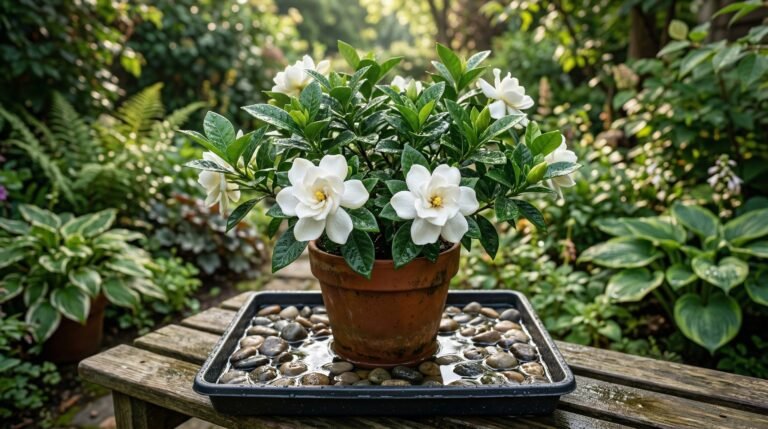
Growing gardenias indoors as houseplants and surviving the humidity challenge
Best gardenia varieties from compact Radicans to the classic August Beauty
Why gardenia buds turn brown and drop off before opening and how to stop it
Gardenia flower meaning and why this bloom represents secret love and purity
How to grow gardenias for intoxicating fragrance and creamy white blooms
Gardenia wedding flowers and the timeless elegance of white gardenia corsages and bouquets
Companion plants for gardenias: what to grow and avoid
Enjoying our flower guides? Add YourFlowersGuide as a preferred source on Google. It helps more readers find us.
Add to Preferred Sources