Contents 5 sections
The ancient origins of the gentian name
In the second century BC, the rugged western coast of the Balkan Peninsula was ruled by the Illyrians, a civilization that frequently clashed with the expanding Roman Republic. At the center of this geopolitical struggle was King Gentius, the last ruler of the Ardiaei state, who is remembered by historians for his defeat by Roman forces but immortalized by botanists for his connection to a remarkable plant. Ancient texts by Pliny the Elder and Dioscorides record that King Gentius was the first to discover the medicinal properties of a mountain flower with intensely blue petals and a bitterly astringent root. By brewing this root into a tonic, the king supposedly cured his troops of a persistent fever that had ravaged his army during their military campaigns. The Greco-Roman world adopted this herbal remedy and named the entire genus of these vividly colored flowers “Gentiana” in his honor. This ancient botanical christening firmly rooted the gentian meaning in concepts of healing, resilience, and the power derived from the natural world. Modern gardeners who plant these striking blue flowers are participating in a linguistic and horticultural tradition that stretches directly back to an ancient Mediterranean kingdom.
Monastic medicine and the alpine herbal tradition
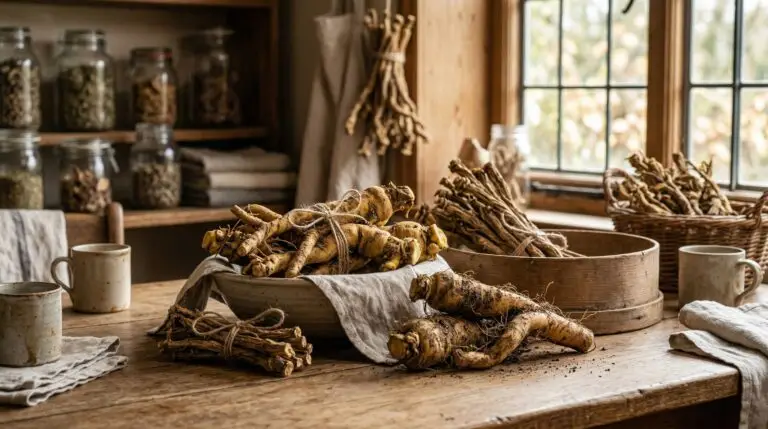
While the botanical namesake originates in ancient Illyria, the true cultural home of the gentian lies in the high-altitude meadows of the European Alps. As Roman influence spread north across the mountains, the medicinal knowledge of the gentian root traveled with the legions and eventually found a permanent place in the monastic gardens of medieval Europe. Monks in Switzerland, Austria, and Bavaria cultivated the yellow gentian, known botanically as Gentiana lutea, specifically for its massive taproots that contain some of the most bitter compounds known to human taste. These bitter principles were extracted to create stomachic tonics designed to stimulate digestion and fortify the body against the harsh alpine winters. Over centuries, this monastic medicine evolved into a deeply ingrained regional tradition, leading to the creation of Enzian, a clear distilled spirit made from fermented gentian roots. The arduous process of harvesting these roots from steep, rocky mountain slopes transformed the plant into a symbol of local hardiness and the rewards of difficult labor. The gentian symbolism of victory and strength grew naturally from this medicinal history, as the plant literally provided the strength to conquer illness and digest the heavy, fat-rich diets of mountain communities.
A cultural emblem of the high mountains
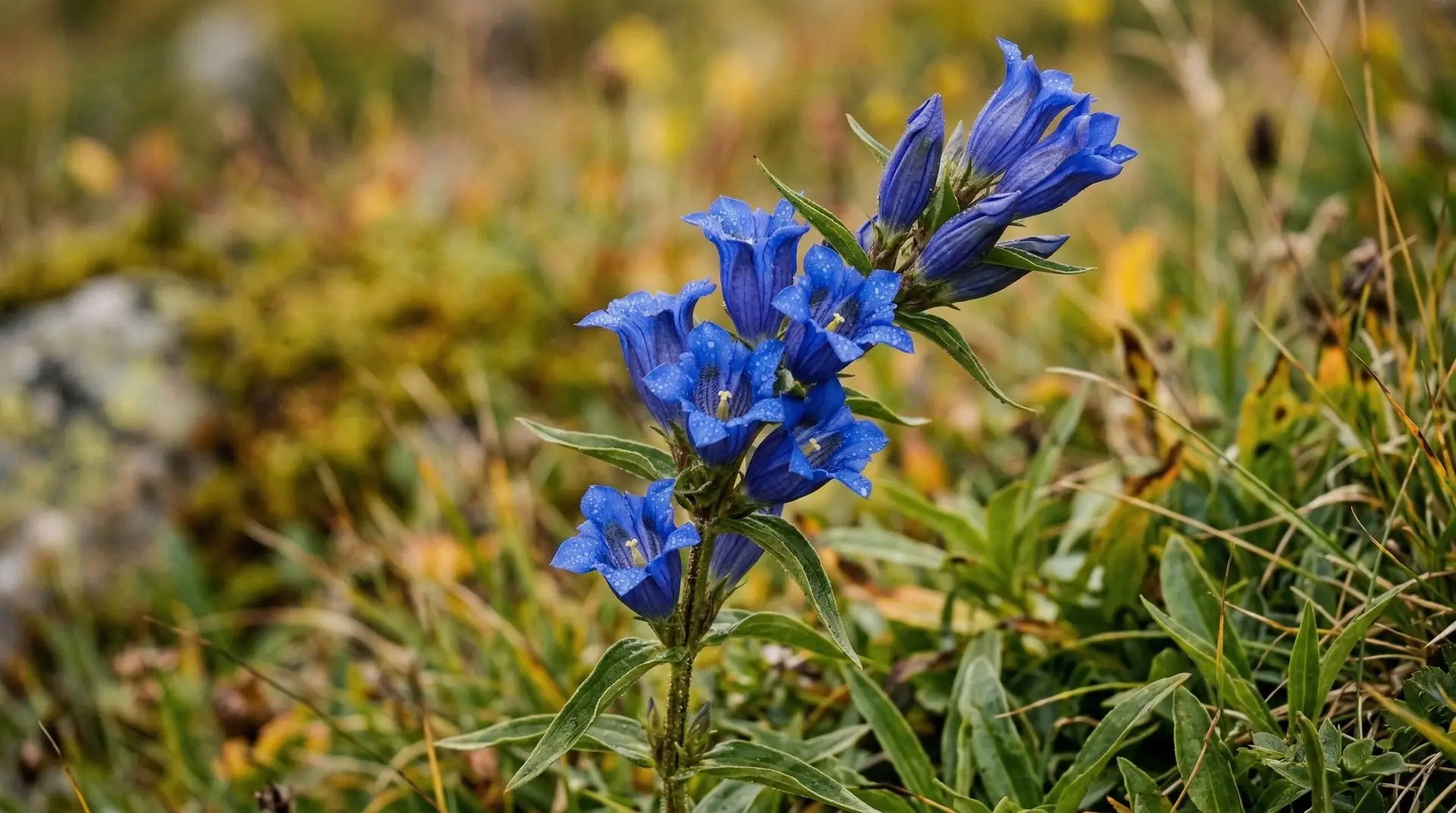
The cultural significance of the gentian extends far beyond the apothecary jar to become a defining emblem of Alpine identity. In Bavaria and Switzerland, the intense blue trumpet-shaped blooms of the stemless gentian and the spring gentian are as culturally significant as the iconic edelweiss. Traditional Alpine leather breeches, known as lederhosen, and regional dresses frequently feature elaborate silk embroidery depicting these blue flowers alongside oak leaves and stag horns. In this context, the gentian signifies a deep, enduring loyalty to the homeland and a connection to the pristine, untouched wilderness of the high peaks. Local folklore often associates the sudden appearance of these bright blue flowers emerging through late spring snow with the triumph of life over the freezing grip of winter. Much like cornflowers hold a special place in the agricultural folklore of the European plains, the gentian is the undisputed botanical monarch of the rocky alpine highlands. This deep integration into folk art and regional dress ensures that the flower remains a visible marker of cultural pride across the entire Alpine region.
Victorian symbolism of intrinsic worth and victory
When the language of flowers became a formalized social practice in nineteenth-century Europe, the gentian acquired a very specific set of meanings based on its physical characteristics and growing habits. Victorian floriography dictionaries assigned the gentiana meaning to intrinsic worth and victory, drawing a direct parallel between the plant’s character and human virtues. Unlike delicate lowland blooms that require sheltered conditions and rich soils to thrive, the gentian demands the exact opposite, flourishing only in poor, rocky earth where it is battered by high winds and intense ultraviolet light. Nineteenth-century writers viewed this biological reality as a profound moral metaphor for individuals who maintain their integrity and beauty in the face of severe adversity. To give someone a gentian was to acknowledge their inner strength and to declare that their value was intrinsic, not dependent on favorable circumstances or external wealth. This specific symbolic assignment elevated the flower from a rustic mountain herb to a sophisticated emblem of moral fortitude among the educated classes of Europe. The intense, almost electric blue of the petals was seen as a mark of a clear, unclouded conscience that remains true regardless of the surrounding environment.
Cultivating the mountain spirit in modern gardens
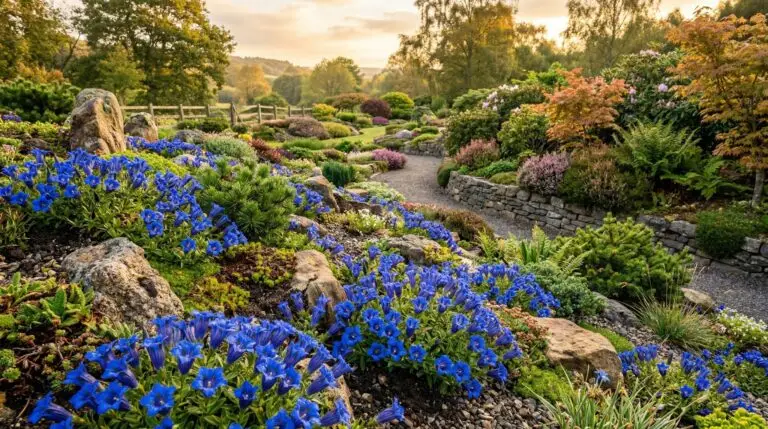
The translation of the gentian from wild alpine slopes to cultivated domestic spaces began in earnest during the rock gardening craze of the early twentieth century. British and European horticulturists became fascinated with recreating miniature alpine environments, bringing the gentian into the realm of the dedicated home gardener. Cultivating these plants requires a careful mimicking of their ancestral home, demanding sharp drainage, cool root runs, and specific soil acidity that challenges even experienced growers. Achieving a successful bloom of these brilliant blue trumpets is still considered a badge of honor in horticultural circles, echoing the plant’s historical association with victory and hard-won success. Gardeners who master the precise conditions needed for these alpine species often move on to cultivate other challenging blue perennials like Delphinium elatum, continuing the pursuit of that elusive, perfect blue in the garden. When a modern gardener carefully places gravel around the crown of a gentian to prevent winter rot, they are honoring the same harsh mountain conditions that gave the plant its medicinal potency and cultural weight. The enduring appeal of the gentian lies in this unbroken line between the ancient Illyrian kings, the medieval alpine herbalists, and the contemporary gardener seeking a connection to the wild, resilient beauty of the high mountains.
More About Gentian
How to grow gentians for the most intensely blue flowers in the entire plant world
Growing gentians in rock gardens and alpine troughs where they truly shine
Best gentian species for gardens from alpine Gentiana acaulis to autumn-blooming types
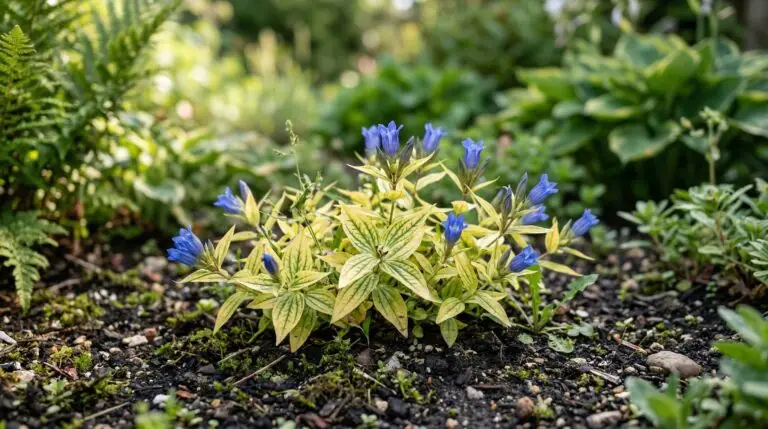
Why gentians are difficult to grow and the secrets to keeping them alive
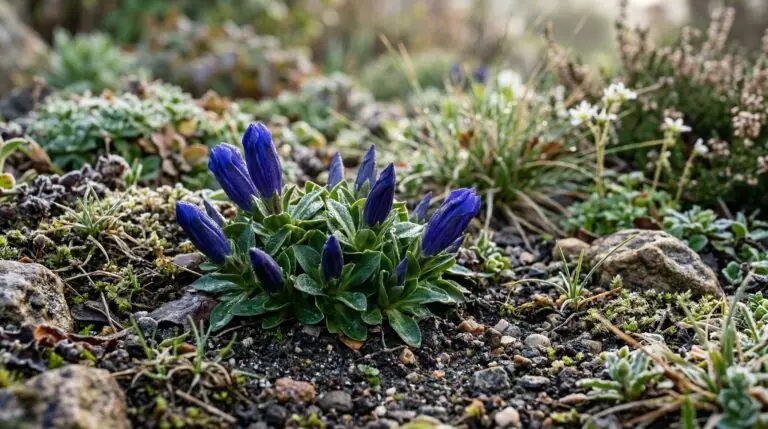
Growing gentians from seed and the cold stratification they demand for germination
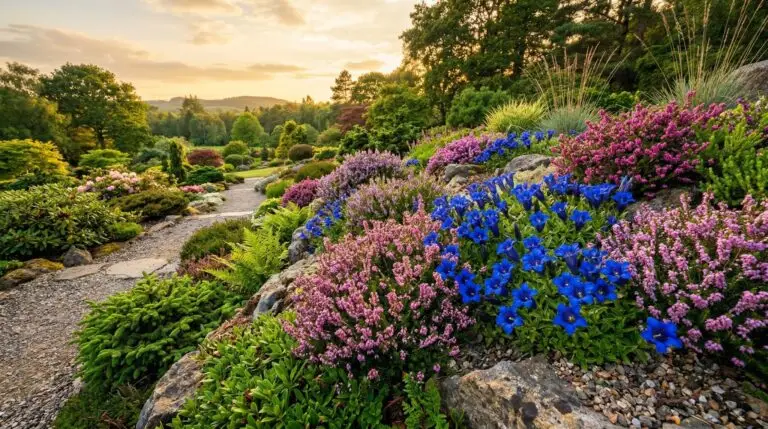
Companion plants for gentian: what to grow and what to avoid
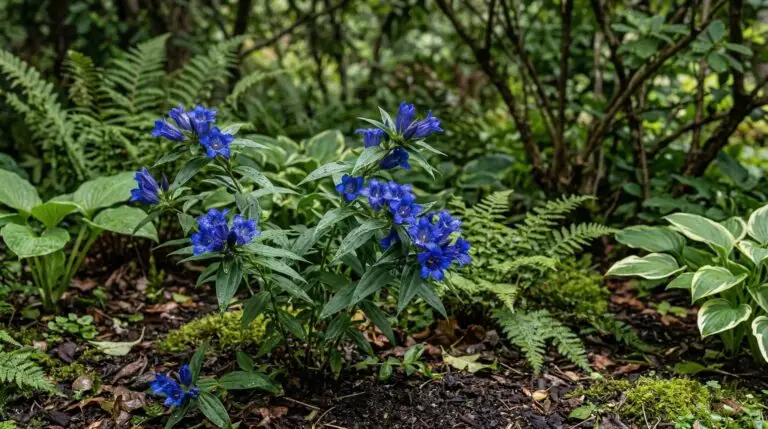
Willow gentian as the easiest gentian for beginners and shady woodland gardens
Gentian root in herbal medicine and the bitter that has healed for centuries
Autumn-blooming gentians that bring electric blue to the fall garden
Enjoying our flower guides? Add YourFlowersGuide as a preferred source on Google. It helps more readers find us.
Add to Preferred Sources