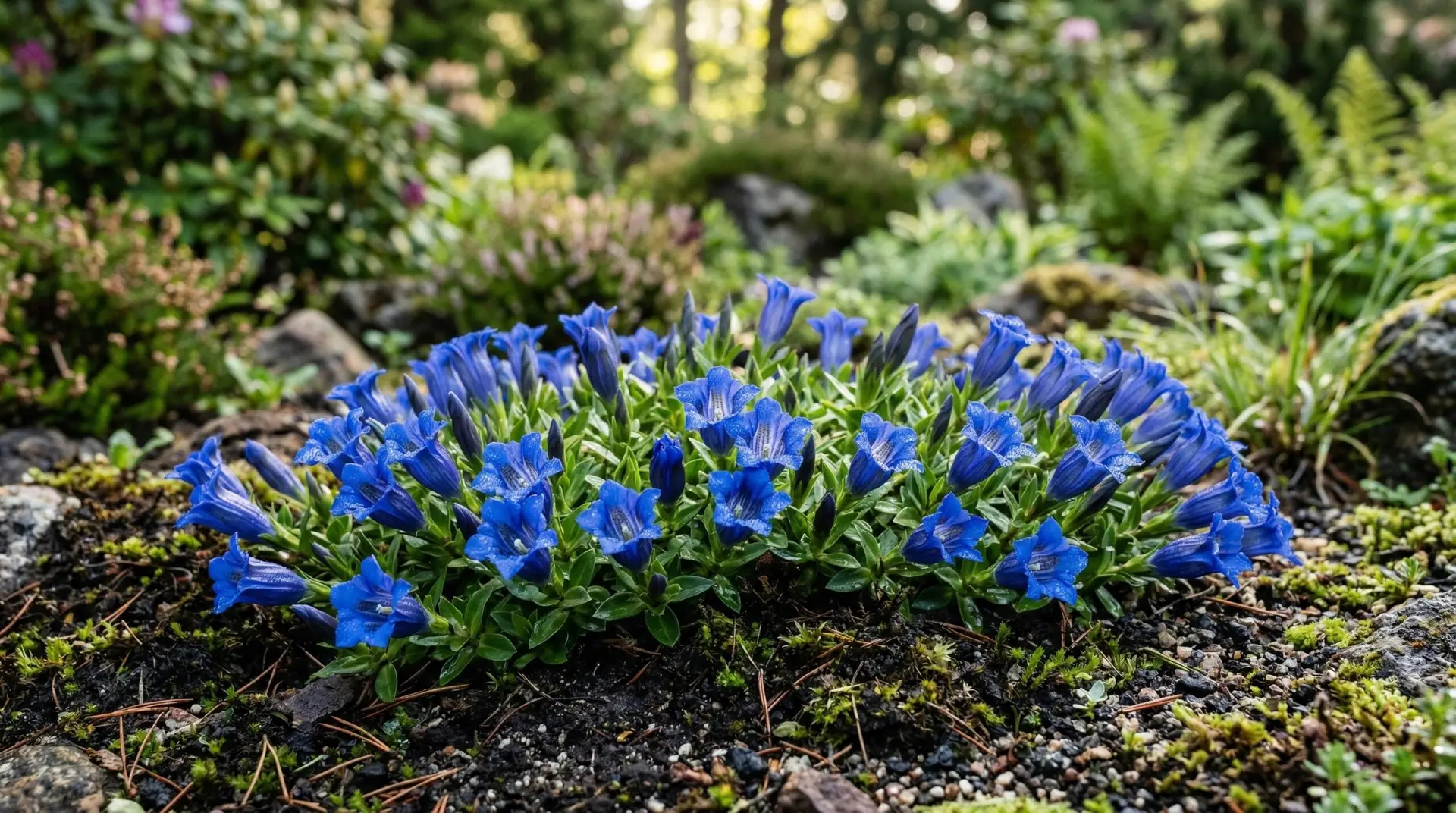
True blue is an exceptionally rare pigment in the botanical world. Most flowers that appear blue to the human eye are actually relying on varying shades of purple or violet to trick our perception. The gentian plant, however, produces a true, electric blue that has fascinated botanists and horticulturists for centuries. This intense coloration is the result of a complex cellular mechanism where anthocyanin pigments bind with metal ions like magnesium and aluminum in the plant vacuoles. Creating these stable pigment complexes requires significant metabolic energy from the plant. Understanding this chemical feat makes the sight of a blooming Gentiana acaulis in the spring garden feel like witnessing a minor biological miracle.
Successfully growing gentians requires a gardener to adopt the mindset of an alpine ecologist. These plants belong to the genus Gentiana, a diverse group of species that have adapted to some of the most unforgiving environments on Earth. Because they evolved in harsh, high-altitude conditions, they have developed specific physiological traits that do not always translate easily to a standard backyard border. Cultivating them demands patience and a willingness to replicate their native habitats as closely as possible. When you commit to understanding their root structures and soil preferences, you unlock the ability to grow flowers with a color intensity that simply does not exist elsewhere in the garden.
Contents 4 sections
The alpine origins of the gentian plant
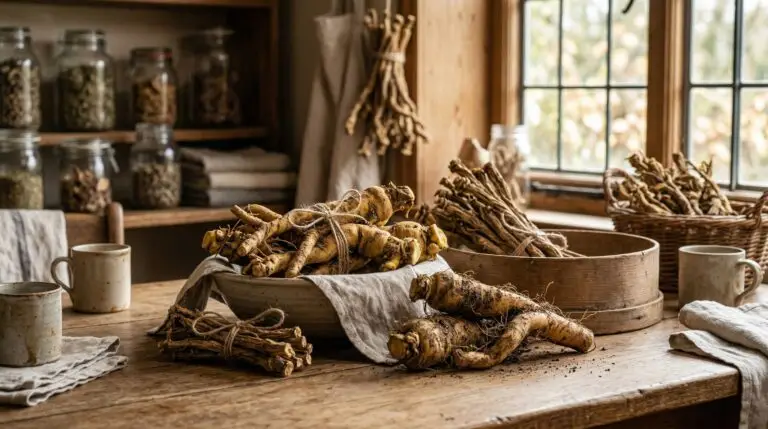
To understand the requirements for gentian care, we have to look closely at the high mountain meadows and rocky screes where most of these species originated. In alpine environments, plants face intense ultraviolet radiation, strong winds, and a short growing season. To survive, many gentians evolved a low, hugging growth habit and a deep, fleshy taproot. This taproot anchors the plant against violent weather and reaches deep into rock crevices to find consistent moisture. Because this root system is specialized for wedging into cool, damp stone, it resents the warm, stagnant conditions often found in heavy garden soils.
Understanding that the gentian plant is a deep-rooted alpine species explains why it struggles in compacted clay or shallow pots. The roots require high levels of oxygen to function properly and to absorb the specific nutrients needed for their metabolic processes. If the soil holds too much water, the fleshy roots will rapidly succumb to fungal rots. Gardeners must provide sharp drainage by incorporating coarse grit, crushed gravel, or pumice into the planting area. Replicating the rocky, well-aerated soil of a mountain slope ensures the roots remain cool and oxygenated throughout the heat of summer.
Soil chemistry and the quest for true blue
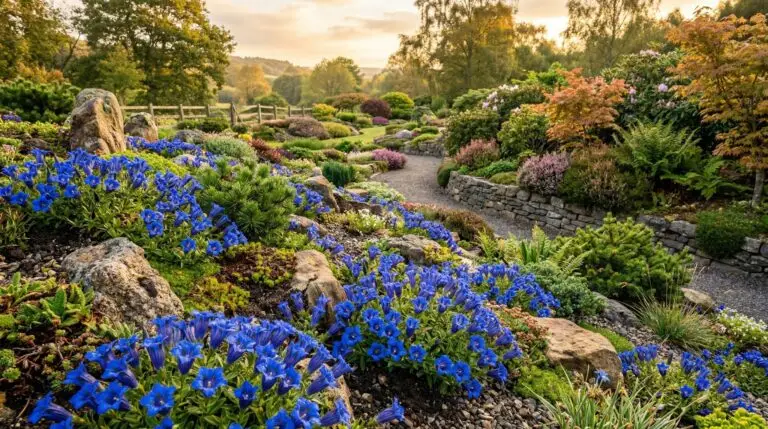
The intense blue coloration of gentian flowers depends heavily on the chemical composition of the soil in which they grow. While a few species tolerate alkaline conditions, the most sought-after blue gentians, such as the autumn-blooming Gentiana sino-ornata, require strictly acidic soil. In an acidic environment, specific metal ions become soluble and available for the plant roots to absorb. The plant transports these metals to the developing flower buds, where they bind with the anthocyanin pigments to lock in that pure blue hue. If you plant these species in chalky or limestone-rich soil, they will quickly develop chlorosis, a condition where the leaves turn yellow because the plant cannot absorb iron and other necessary elements.
Comparing gentians to other blue garden flowers reveals just how unique their pigmentation strategy is. For example, when you look at the towering spikes of Delphinium elatum, you are seeing a completely different structural approach to flower color, often heavily influenced by complex breeding rather than pure wild-type chemistry. Similarly, the cheerful blooms of Cornflowers achieve their blue through a pigment called protocyanin, which is actually red in a neutral state but turns blue when combined with specific cellular structures. Gentians maintain their vivid color through a precise internal pH balance that is easily disrupted if the gardener fails to provide the correct acidic soil conditions.
Navigating the complexities of gentian care
Balancing light and temperature is perhaps the most challenging aspect of growing gentians in a lowland garden. In their native high-altitude habitats, these plants receive brilliant, unfiltered sunlight, but the ambient air temperature remains relatively cool. When brought down to sea level, exposing them to full midday sun often results in scorched leaves and stressed root systems. The ideal placement in most temperate gardens provides direct morning sunlight to encourage flower bud formation, followed by dappled shade during the hottest part of the afternoon. This light management keeps the root zone cool while providing enough solar energy for the plant to manufacture its complex floral pigments.
Water management requires a similarly careful touch, as the soil must remain consistently moist but never waterlogged. During the active growing season, the fleshy roots are constantly drawing up water to support the development of foliage and the eventual massive display of flowers. If the soil dries out completely, the plant will abort its flower buds to conserve resources. Many successful growers use a top dressing of pure gravel around the crown of the plant. This simple physical barrier prevents wet soil from resting directly against the sensitive base of the stems, greatly reducing the risk of crown rot during periods of heavy rain.
While alpine species dominate the genus, there are notable exceptions that offer different opportunities for the gardener. The willow gentian, scientifically known as Gentiana asclepiadea, evolved in the moist woodlands of central and eastern Europe rather than above the tree line. This species produces arching stems up to two feet tall and thrives in deep, humus-rich soil in partial shade. It provides a completely different architectural presence than the low alpine types, though it still demands consistent moisture. For gardeners who struggle with the strict drainage requirements of the alpine species, the woodland gentians offer a more forgiving entry point into cultivating this fascinating genus, much like how Blue Salvia provides a reliable blue for hot, dry borders where other plants might fail.
Pollinator relationships and reproductive biology
The physical structure of a gentian flower is a marvel of evolutionary engineering designed specifically for highly specialized pollinators. Many gentian flowers take the shape of a deep trumpet or bell, often with pleated folds of tissue between the main petals known as plicae. These folds allow the flower to close tightly when rain threatens or when temperatures drop at night. This closing mechanism protects the reproductive organs and prevents rain from washing away the valuable pollen. The plant expends a considerable amount of energy opening and closing these blooms daily, driven by changes in light intensity and temperature.
When the sun is shining and the flower is fully open, the deep trumpet shape restricts access to the nectar hidden at the base. This is an evolutionary strategy to ensure that only specific, efficient pollinators visit the bloom. Large bumblebees are the primary partners for many gentian species. The bee must force its way into the tight floral tube, brushing against the pollen-bearing anthers and the receptive stigma in the process. The intense blue color, which is highly visible to bees in the ultraviolet spectrum, acts as a bright beacon across the sparse alpine environment, guiding these necessary insects directly to the nectar source.
The relationship between the gentian and its pollinators reveals a final, subtle layer of its biology. Once a bumblebee successfully pollinates a gentian flower, a chemical signal is triggered within the plant. The electric blue pigment begins to fade slightly, and the flower may start to close permanently, even during sunny weather. This is not a sign of failure, but rather a highly efficient communication system. By altering the visual and physical accessibility of the pollinated bloom, the plant directs incoming bees toward the unpollinated flowers, maximizing its reproductive success. Watching a gentian fade is a reminder that these intense colors are not created for our gardens, but as a precise, functional tool for survival in the wild.
More About Gentian
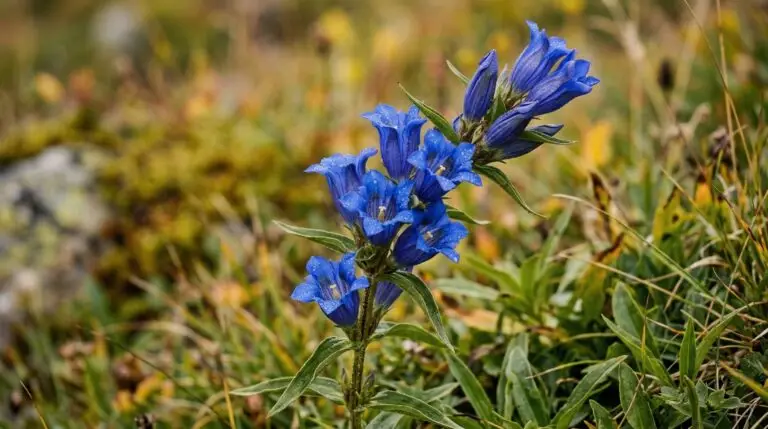
Gentian flower meaning and the alpine legend behind this intensely blue bloom
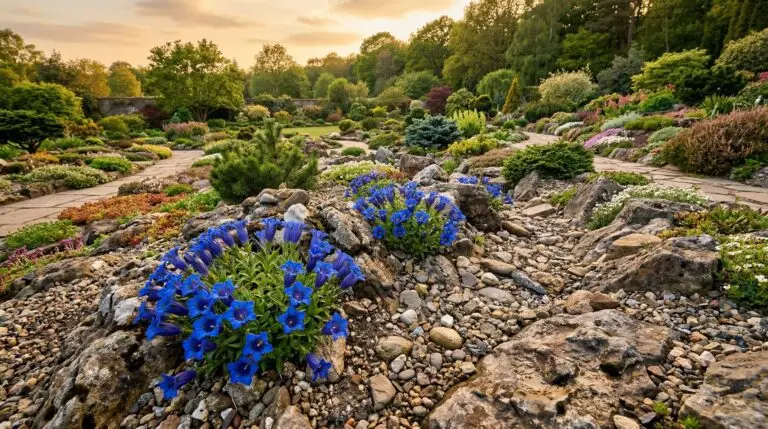
Growing gentians in rock gardens and alpine troughs where they truly shine
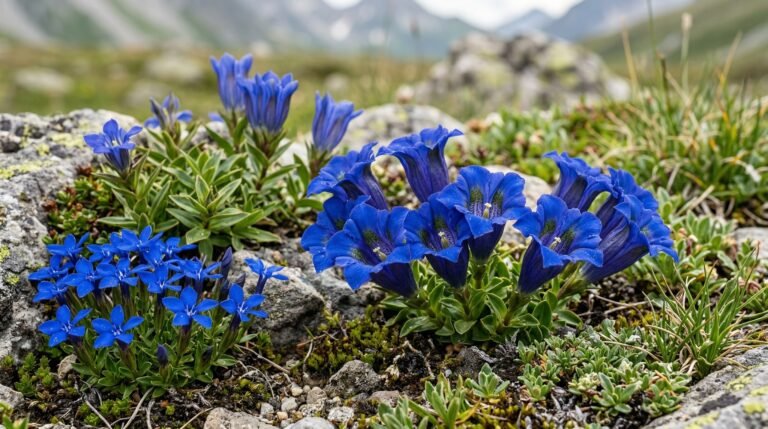
Best gentian species for gardens from alpine Gentiana acaulis to autumn-blooming types
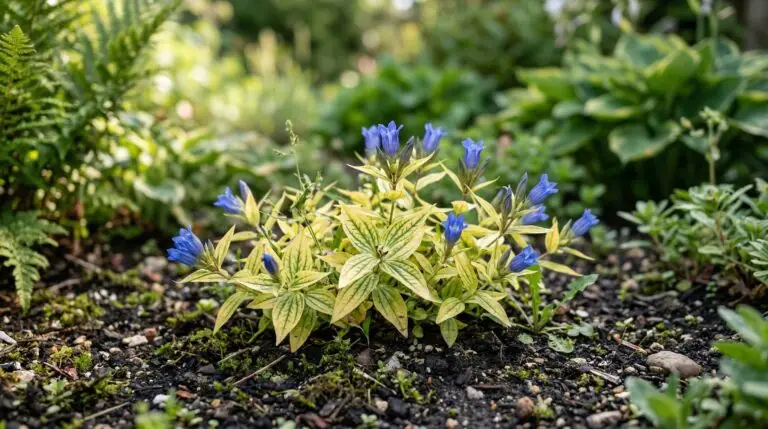
Why gentians are difficult to grow and the secrets to keeping them alive
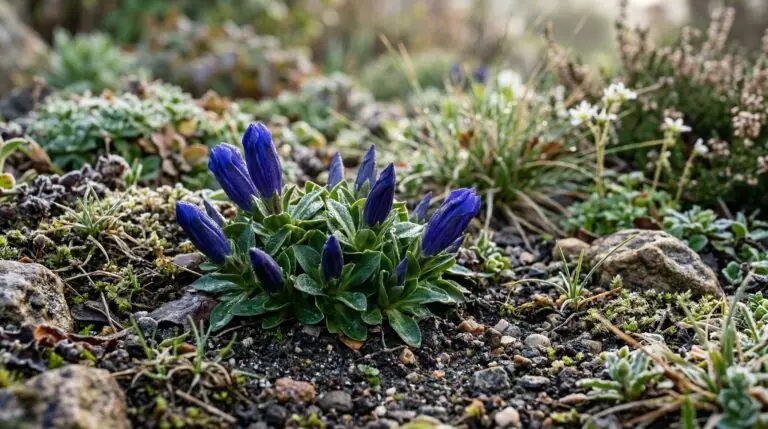
Growing gentians from seed and the cold stratification they demand for germination
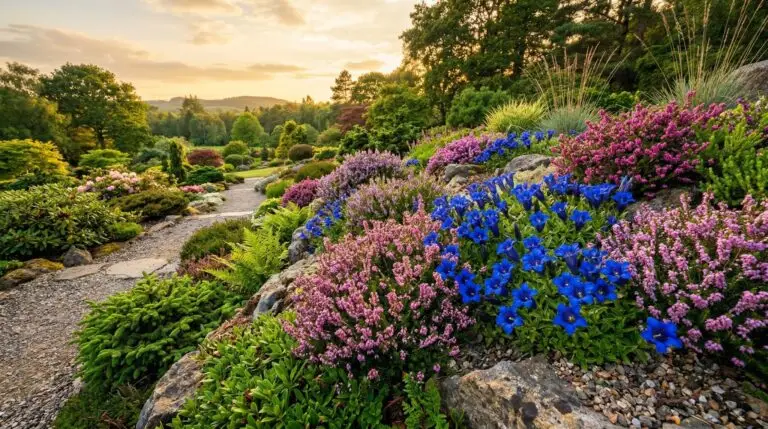
Companion plants for gentian: what to grow and what to avoid
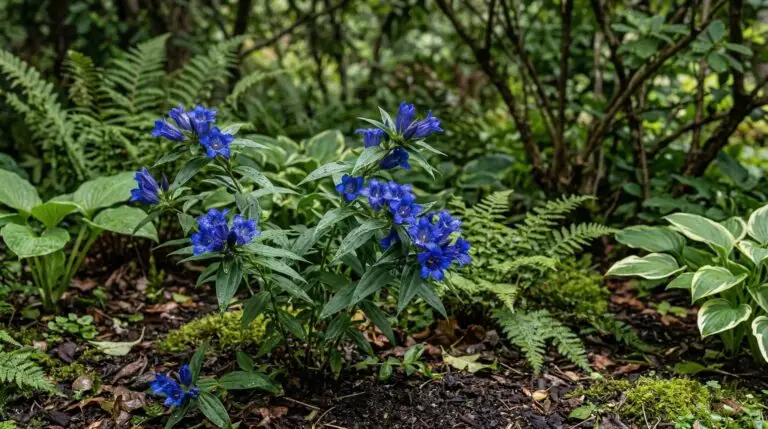
Willow gentian as the easiest gentian for beginners and shady woodland gardens
Gentian root in herbal medicine and the bitter that has healed for centuries
Autumn-blooming gentians that bring electric blue to the fall garden
Enjoying our flower guides? Add YourFlowersGuide as a preferred source on Google. It helps more readers find us.
Add to Preferred Sources