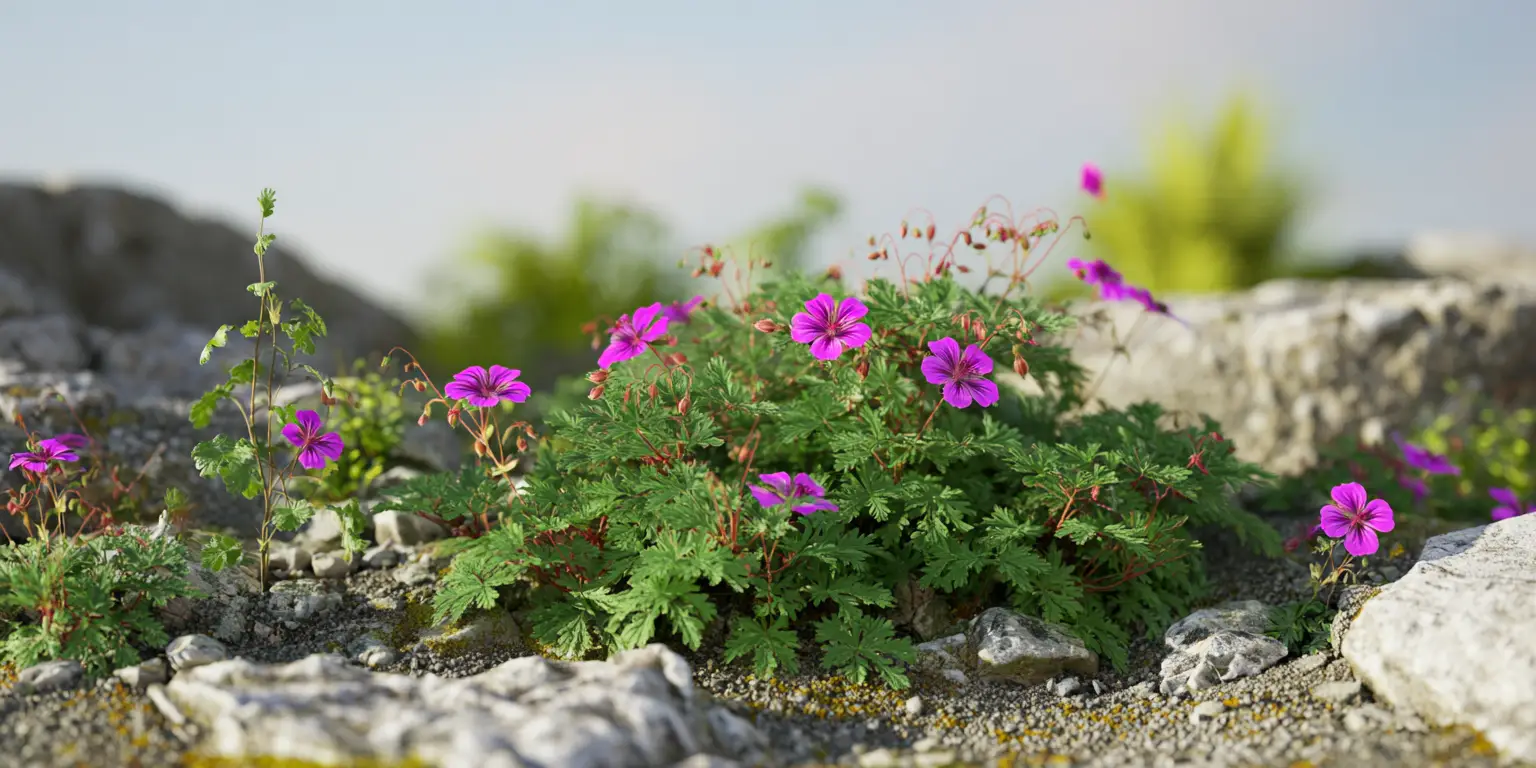
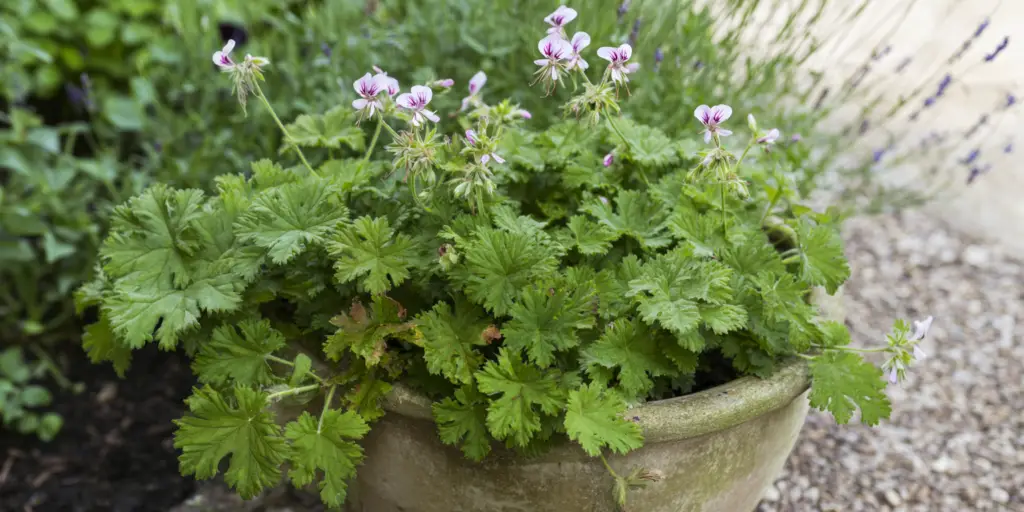
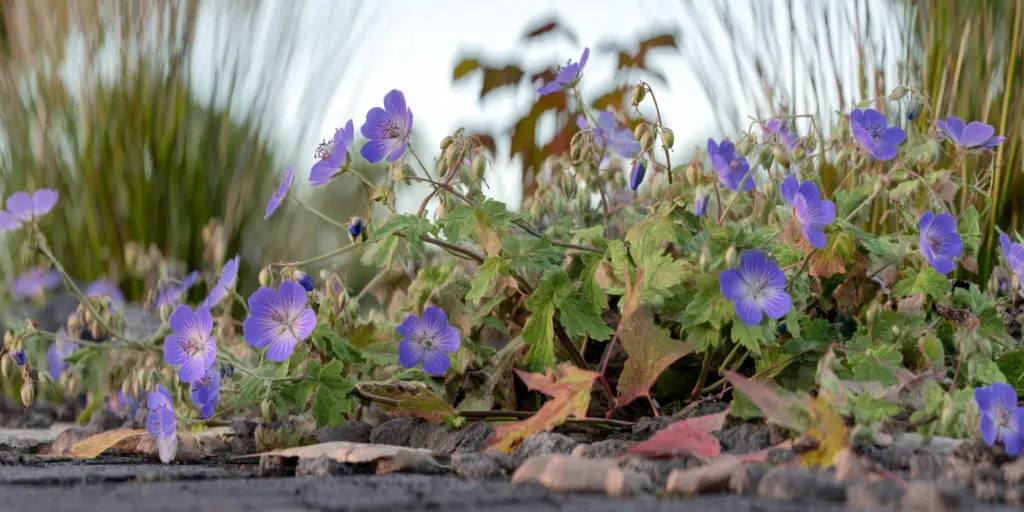
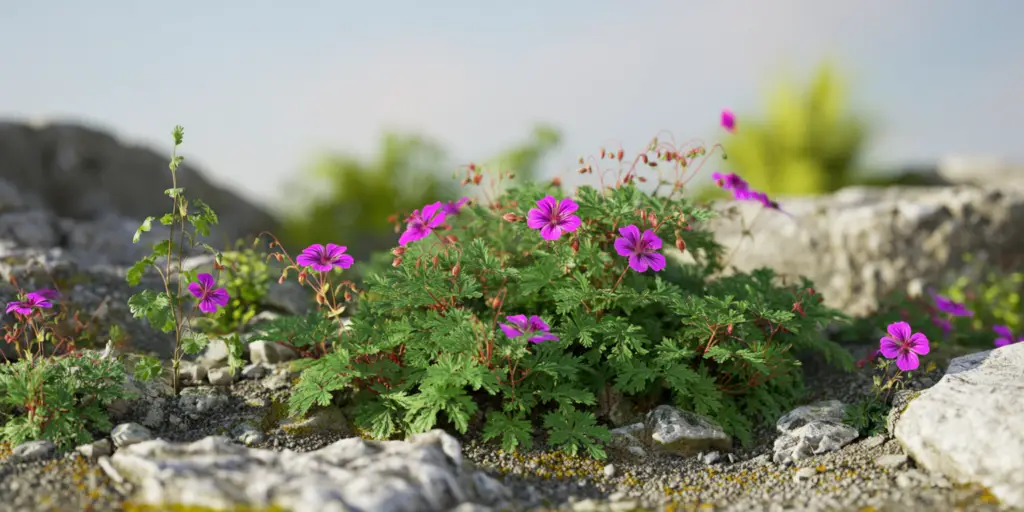
Geranium sanguineum, or bloody cranesbill, is a cold‑hardy species valued for early summer color and tidy mounding habit. Plants form dense clumps with finely cut leaves that often color red in fall. Five‑petaled magenta to pink flowers bloom in late spring with lighter rebloom possible in summer. It grows in full sun to part shade and tolerates a range of soils that drain well. This species is reliable across much of northern North America and is useful at the front of borders and in rock gardens.
At‑a‑glance
Group/Class: Hardy geranium species
Height × spread: 9 to 18 in × 12 to 18 in (23 to 45 cm × 30 to 45 cm)
Bloom window: May to June; sporadic rebloom in summer
Color & flower form: Five‑petaled magenta to pink, saucer‑shaped flowers
Fragrance: 1 trace
USDA hardiness: Zones 3 to 9
Breeder / Year / Origin: Species; unknown; Europe and western Asia
Pet safety: unknown
How it differs
Earlier, spring‑focused bloom compared with many bedding geraniums. • Lower, tighter mound than most tender pelargoniums. • Greater cold tolerance than typical annual geraniums. • Leaves often show good fall color.
Strengths
Noted for better tolerance of both heat and cold than many hardy geraniums. • Low maintenance and adaptable in average, well‑drained soils. • Tolerates rabbit and deer pressure. • Good fall foliage color.
Care in one minute
Plant in full sun to part shade with average, well‑drained soil. • Water during dry periods in the first season; established plants tolerate some drought. • Shear lightly after bloom to tidy and encourage light rebloom. • Feed sparingly. • Divide clumps as needed to maintain vigor.
Watch‑outs
Can self‑seed lightly in ideal conditions if not deadheaded. • Leaf spots and rusts may occur; provide airflow and avoid overhead watering. • Flowering is brief in hotter climates without cooler nights.
Best uses (tags)
borders; rock gardens; groundcover; cold‑tolerant; pollinators
Provenance note
A hardy species native to Europe and northern Turkey; widely grown for dependable spring color and durable foliage.
Written by: Your Flowers Guide editorial team We are a small independent group of flower lovers who research and review each guide using trusted horticultural and educational sources. Learn more about us