How to Grow and Care for Geraniums
Contents
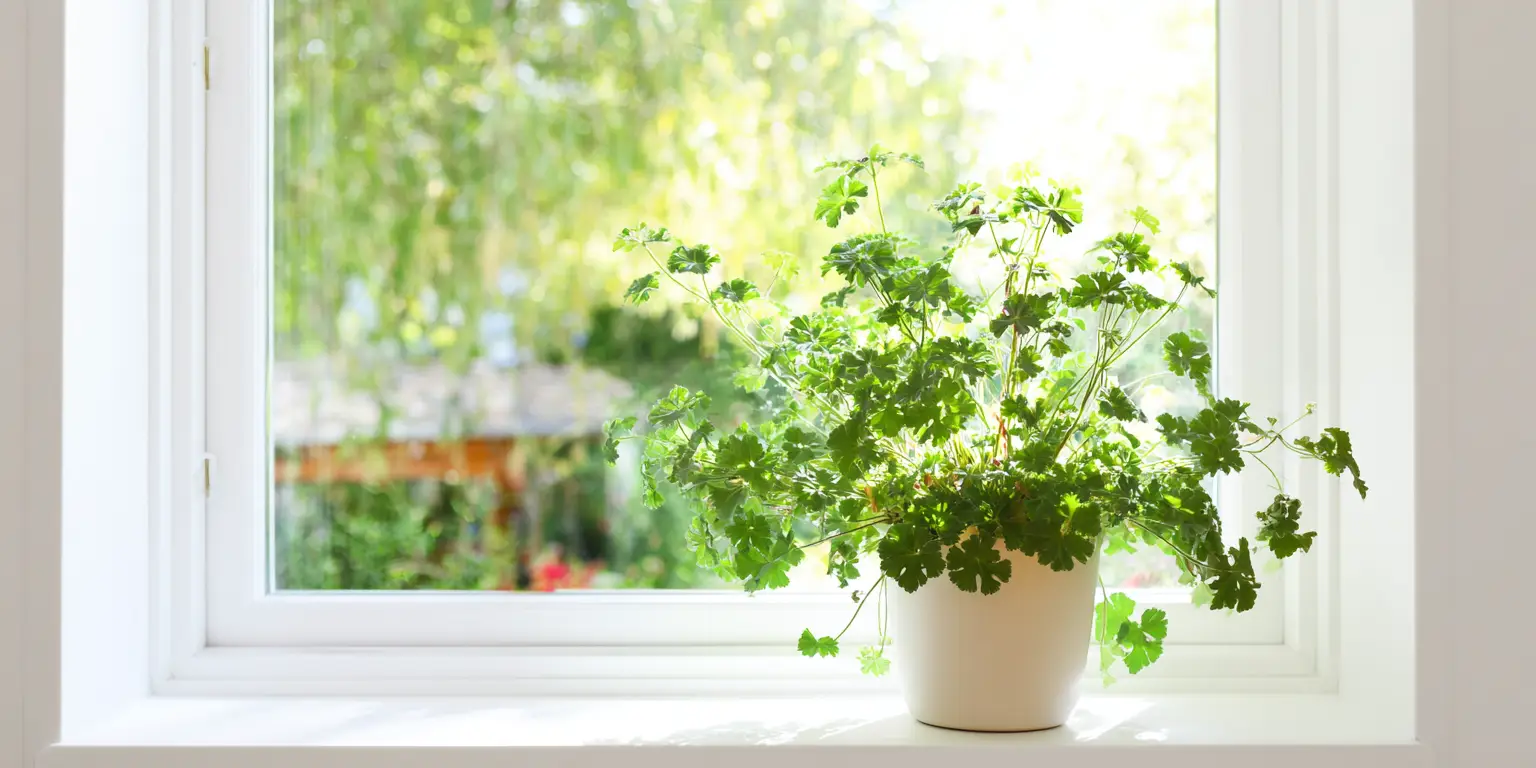
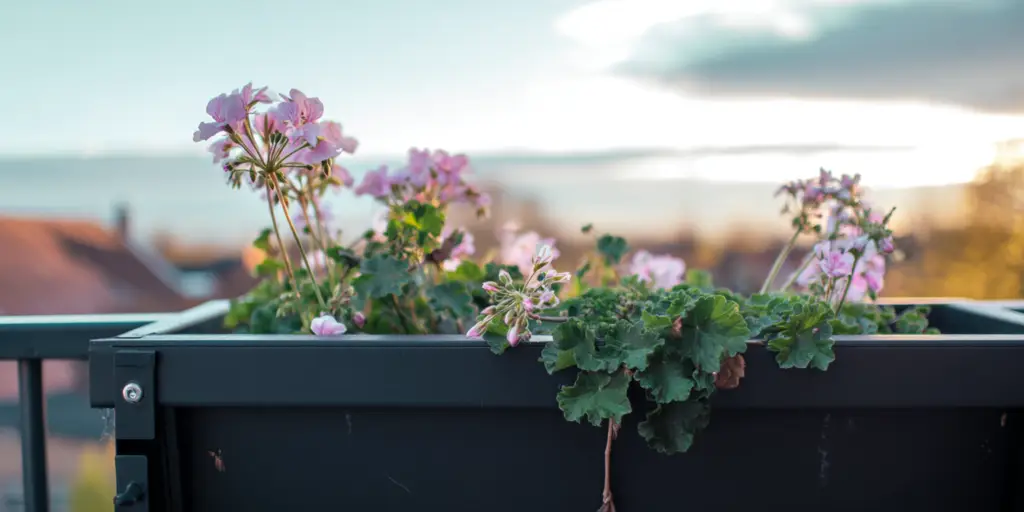
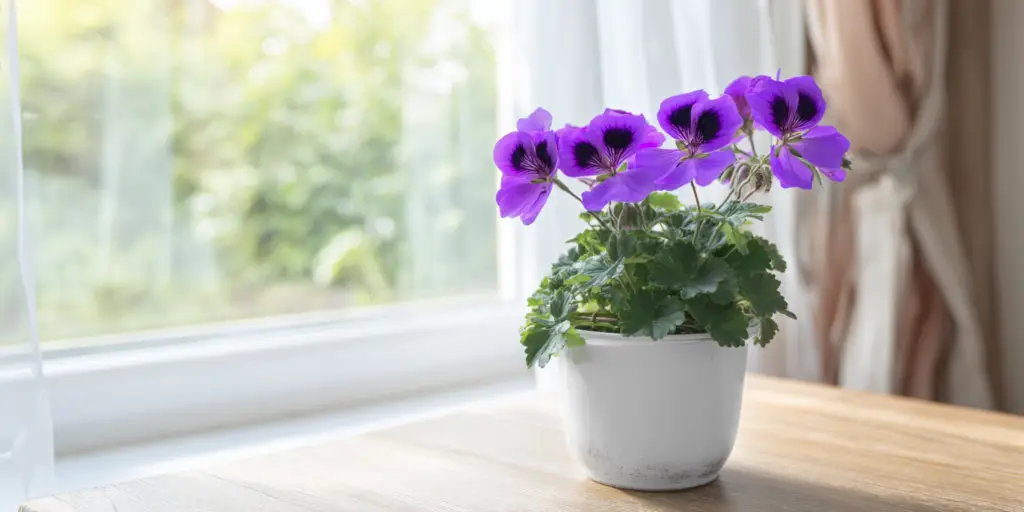
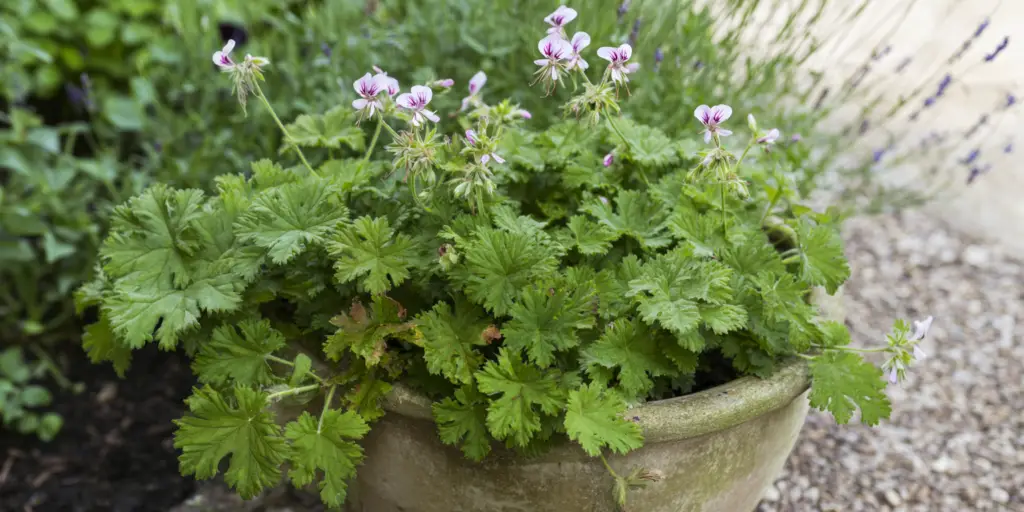
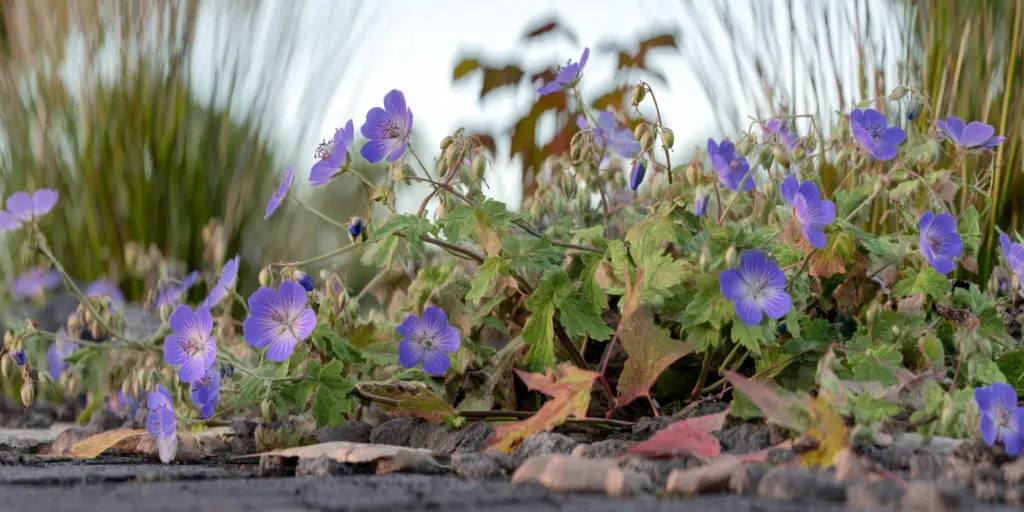
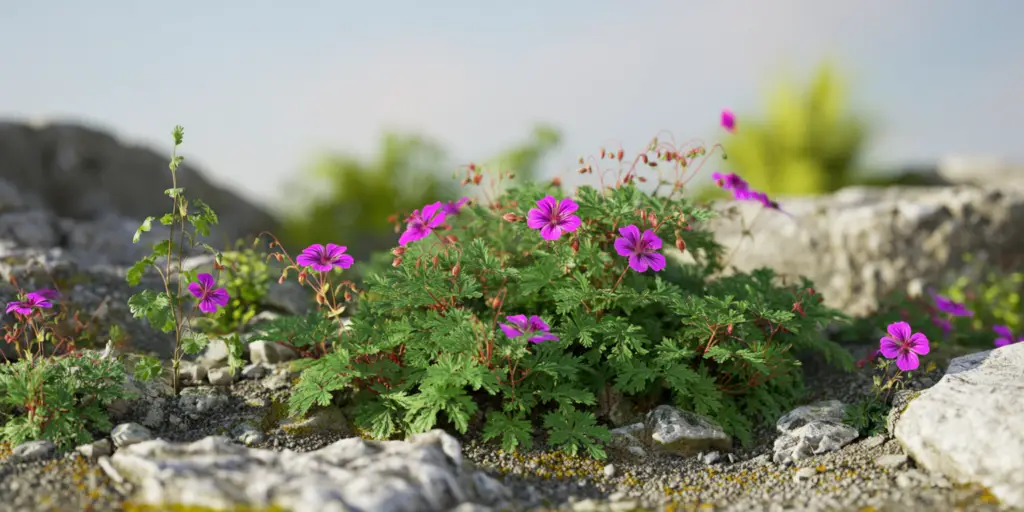
Geraniums are a staple for U.S. gardeners, yet the word covers two different groups. Hardy geraniums are the true cranesbills in the genus Geranium, grown as reliable perennials for borders and groundcovers. Bedding geraniums, sold simply as geraniums in most garden centers, are actually Pelargonium species and hybrids such as zonal geraniums (Pelargonium × hortorum), ivy geraniums (P. peltatum), and regal or Martha Washington geraniums (P. domesticum). To grow them well, match the plant to your climate and place it where it gets the light it prefers. Most Pelargonium bloom best with full sun and warm days, while many hardy Geranium species thrive in full sun to part shade. A simple path to success is to give either group a well prepared bed with good drainage, water deeply but let the surface dry before the next irrigation, feed modestly during active growth, and deadhead or shear to keep flowers coming.
A hardiness snapshot helps you choose the right plant for your zone. Hardy Geranium species vary by selection, with many dependable from USDA Zones 4 to 8 and some tolerating Zone 3 winters with mulch. Pelargonium is frost tender and treated as an annual in much of the country. In Zones 10 to 11 it can be perennial outdoors. Gardeners in cooler zones often grow Pelargonium in containers and move them under cover before frost. Know which you are planting and you will avoid most frustrations. If your summer heat is intense, give afternoon shade and extra water for containers. If your nights are cool, choose hardy cranesbills for long season color and trouble free foliage.
Soil & Bed Preparation
Healthy geranium roots live in evenly moist, well aerated soil. For hardy Geranium, aim for a loamy garden bed that drains well yet holds moisture. A thick top dressing of compost before planting improves tilth and supports a living soil food web. For Pelargonium in the ground, use a lighter soil that never stays soggy. In either case target a soil reaction that is slightly acidic to neutral. A pH of about 6.0 to 7.0 supports nutrient uptake without inducing deficiencies. If your soil is heavy clay, loosen the top 8 to 12 inches of the bed and incorporate two to three inches of finished compost. In very dense or wet sites, build a raised bed 6 to 8 inches high to lift crowns above standing water. In sandy soils add compost to improve water holding and apply organic mulch to slow evaporation.
Container mixes for Pelargonium should be light and fast draining. Use a quality peat or coir based potting mix amended with perlite or fine pine bark to keep air in the root zone. Do not reuse old mix that may harbor disease. Choose containers with wide drainage holes and elevate pots slightly on feet so they never sit in water. Hardy Geranium grows well in garden beds and large patio containers if you mimic a loose garden soil. Add some compost to the potting mix and avoid waterlogged conditions. The crown should sit level with the finished surface. Keep mulch pulled back an inch from stems so crowns can breathe and so moisture does not sit against tender tissue during humid spells.
Planting Calendar by USDA Zone
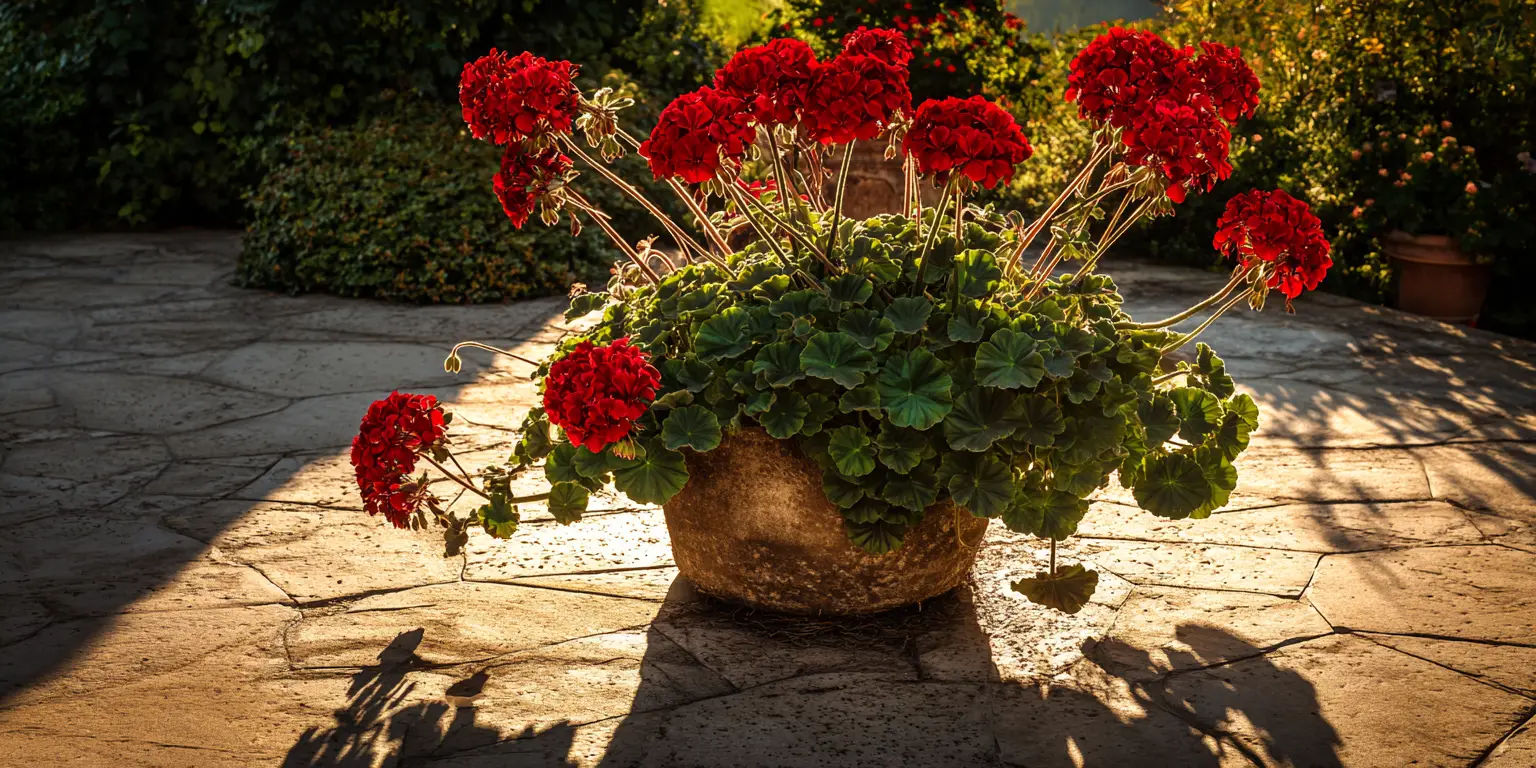
For Pelargonium outdoors in zones that freeze, use frost based timing rather than a fixed month. Plant after your last expected frost date when nights are consistently above 50 to 55 degrees Fahrenheit (10 to 13 degrees Celsius). In Zones 3 to 5 this is late May to early June. In Zones 6 to 7 it is mid April to early May. In Zones 8 to 9 it can be early March to early April, although areas with spring cold snaps should still wait for steady warm nights. In Zones 10 to 11 bedding geraniums can be transplanted almost any month with best results in the cooler part of the growing season. In desert and high elevation climates avoid the hottest weeks and give filtered afternoon light. In humid coastal areas provide extra spacing and morning sun to dry the foliage quickly.
Hardy Geranium planting windows depend on soil that can be worked. In cold winter zones 3 to 5 plant divisions or container plants in early spring as soon as the ground thaws and drains. You can also plant in late summer to early fall so roots establish before ground freeze. In the middle zone band of 6 to 7 spring and early fall are both good, with fall favored where summers are hot. In zones 8 to 9 plant from late fall through early spring so plants settle before heat arrives. Mountain and high plateau gardens should wait until danger of hard frost has passed in spring and protect fall plantings with mulch before the first freeze. In very arid regions irrigate new plantings more often during the first two months so roots explore into the surrounding soil.
Planting: Depth & Spacing
Bare root or divisions
Hardy Geranium divides cleanly. Use a sharp knife or spade to split a healthy clump in early spring as new growth emerges or in early fall while soils are warm. Each division needs two to three growing points and a generous root mass. Plant with the crown at the same depth it grew before. Firm the soil and water to settle. Space 18 to 24 inches apart (46 to 61 centimeters) for medium clumping cranesbills such as Geranium sanguineum and G. x cantabrigiense. Larger species like G. pratense may need 24 to 30 inches (61 to 76 centimeters). Crowded divisions sulk and are more prone to mildew due to poor airflow. After planting, shade for a few days with a board leaned on the sunny side or a lightweight cloth if sun is intense.
Container grown transplants
Most gardeners buy Pelargonium in nursery packs or 4 to 6 inch pots. Harden off plants for 7 to 10 days before outdoor planting. Place the pots outdoors in bright shade on day one, then give a little more sun each day and bring them in if nights dip below 50 degrees Fahrenheit (10 degrees Celsius). Transplant with the top of the root ball level with the surrounding soil. Water to settle and add one to two inches of mulch (2.5 to 5 centimeters) pulled back from stems. Space zonal geraniums 12 to 18 inches apart (30 to 46 centimeters), ivy geraniums 12 to 15 inches (30 to 38 centimeters), and regal types 14 to 20 inches (36 to 51 centimeters) depending on the label. In containers, plant one vigorous zonal geranium per 10 to 12 inch pot (25 to 30 centimeters). In a 14 to 16 inch hanging basket place three ivy geraniums around the rim.
Transplant shock and acclimation
Cold soil and harsh sun trigger stress. Water the transplants well a few hours before planting. Plant in the late afternoon on a calm day or on a bright overcast day. Disturb roots as little as possible if they are not pot bound. If they are tightly circling, slice the sides of the root ball in three or four vertical cuts one half inch deep (1.3 centimeters) to encourage new roots to grow out. After planting, water deeply and monitor for three days. If leaves flag in midday, provide temporary shade and a light mist in the morning only. Do not fertilize for seven to ten days after transplanting to let roots settle.
Watering & Mulching
New transplants need regular moisture. For in ground plantings, water deeply at planting and again when the top two inches of soil are dry. During the first four to six weeks, aim for about one inch of total water per week (2.5 centimeters), counting rainfall. Established hardy Geranium in garden beds can then be watered when the top three inches are dry. Many species tolerate brief dry spells once established but will flower better with steady moisture. Bedding Pelargonium prefers to dry slightly between waterings. In beds, water when the top two inches are dry. In containers, check daily in warm weather and water when the top inch is dry. Always water at the base early in the day so leaves dry quickly. Avoid overhead irrigation during long humid spells to limit botrytis and leaf spots.
Mulch helps stabilize soil moisture and soil temperature. Apply one to two inches of shredded bark or leaf mold around hardy cranesbills and bedding geraniums, keeping mulch pulled back about one inch from stems. In cold winter zones increase mulch to three inches for hardy Geranium after the ground cools in late fall. In hot climates a light colored mulch reflects heat and reduces stress. Container plants benefit from a thin half inch layer of fine bark on the surface to slow evaporation. During heat spikes move pots off reflective concrete, group them so they shade one another, and water in the morning so plants enter the day fully hydrated. If you have hard water or high salts and notice white crust on the soil or brown leaf edges, water deeply with collected rainwater once a month to flush salts.
Feeding
Geraniums are moderate feeders. Overfertilizing encourages lush leaves at the expense of flowers and can increase disease. In ground plantings on fertile soil, one application of a slow release balanced fertilizer in spring is usually enough. A product in the general range of 5 to 10 to 5 through 10 to 10 to 10 works. For sandy or very lean soils, split the total yearly amount into two light feedings. For containers use a slow release fertilizer at planting, then supplement with a water soluble feed every two to four weeks during peak bloom. A balanced formulation such as 10 to 10 to 10 or a bloom leaning mix such as 15 to 30 to 15 at half the label strength is typical for Pelargonium. If growth is soft and pest prone, reduce nitrogen and increase light.
Organic options work well when paired with healthy soil biology. Mix compost into beds before planting and top dress with a half inch after plants are established. For in season boosts, fish emulsion and seaweed blends or a 4 to 4 to 4 organic fertilizer applied at light rates keep flowers coming without excess foliage. Retest your soil every two to three years in intensively planted beds. Adjust pH and nutrient balance with modest corrections rather than large swings. If plants are pale despite feeding, check for root binding in containers, cool soil, or low light before adding more fertilizer. Leaf edge burn on Pelargonium often signals inconsistent watering or salt buildup rather than a shortage of nutrients.
Pruning & Support
Regular grooming keeps both groups blooming and tidy. Deadhead Pelargonium by removing the whole flower stalk once most florets fade. Pinch soft tips on young plants to encourage branching. If stems become leggy in midsummer, cut them back by one third and resume feeding lightly to push new growth. Hardy Geranium responds well to a light shearing after the first heavy flush of bloom. Use clean shears to reduce the height by one third to one half and water well. New leaves will emerge and many cultivars offer a second round of flowers. Tall species like Geranium pratense may lean after storms. A discreet ring support or two short stakes placed early will prevent flopping while keeping the natural look.
Tool hygiene limits disease spread. Wipe pruners with 70 percent isopropyl alcohol between plants when you are managing suspected issues like bacterial blight on Pelargonium. For a deeper clean soak blades for five minutes in a 10 percent bleach solution, then rinse and oil to prevent rust. Do not compost diseased leaves or spent blooms if you saw spots or mold. Bag and dispose with trash. Water at the base and increase spacing rather than reaching for sprays first. Good air movement is your best preventive. If you have repeated problems with leaf spots on bedding geraniums, rotate them to a sunnier, breezier position the following season and start with fresh, healthy stock.
Overwintering
In cold winter zones you have three practical options for Pelargonium. The first is to take cuttings six to eight weeks before frost. Root three to four inch tip cuttings in a sterile, moist mix with bright light and warm days. Grow on under lights indoors and plant outside after frost next spring. The second option is to overwinter as a houseplant. Before the first frost, cut back by one third, inspect for pests, wash foliage with a gentle spray, and repot if root bound. Place by a very bright south or west window where temperatures hold near 60 to 70 degrees Fahrenheit (16 to 21 degrees Celsius). Water sparingly in winter. The third option is semi dormant storage. Lift the plant before frost, shake off soil, and store bare in a paper bag or hang it upside down in a cool room at 45 to 55 degrees Fahrenheit (7 to 13 degrees Celsius). Check monthly and mist the roots if they shrivel, then pot up in late winter to restart.
Hardy Geranium overwinters in the ground across its rated zones with minimal help. In cold regions do a fall cleanup to remove diseased foliage and apply two to three inches of mulch after the ground cools. This moderates freeze and thaw cycles that can heave shallow roots. In snow country, let snow cover stand as a natural blanket. Where winter is wet, ensure crowns are not buried in soggy mulch. In vole prone gardens use hardware cloth baskets set in the soil if you have known rodent pressure. Most cranesbills are not a preferred food, yet a curious vole will explore any soft crown in a lean winter. Remove winter mulch gradually in spring as the soil thaws to avoid exposing tender shoots to a late cold snap. Resume regular watering when new growth shows.
Growing Environments
Geraniums are among the best performers in containers. A single zonal geranium thrives in a 10 to 12 inch pot (25 to 30 centimeters) with at least 3 to 4 gallons of mix. Larger patio planters of 16 to 20 inches (41 to 51 centimeters) give a dramatic show with one central plant and fillers or trailers around it. Ivy geraniums excel in hanging baskets with three plants in a 14 to 16 inch basket (36 to 41 centimeters). Ensure strong drainage holes, use a light mix, and feed regularly since nutrients wash through with frequent watering. Place pots where they receive six or more hours of direct sun, except in desert heat where bright morning sun and light afternoon shade prevent stress. Rotate containers every two weeks so growth stays even.
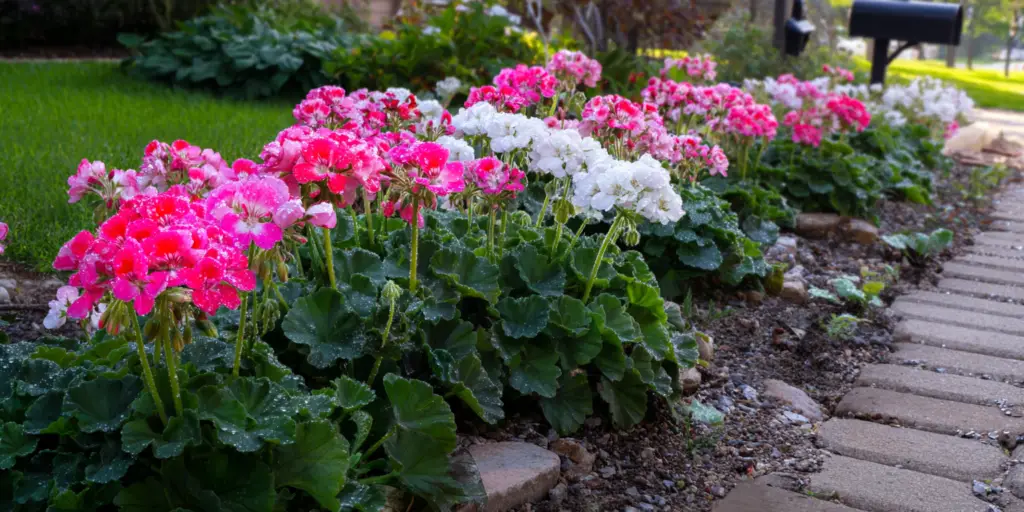
In garden beds, select microclimates that match the species. Hardy Geranium such as G. macrorrhizum and G. x cantabrigiense flourish in morning sun with afternoon shade, especially under open shrubs and along paths. They tolerate light competition from tree roots once established and knit together to suppress weeds while allowing good airflow. Pelargonium delivers best bloom in full sun and in free draining soils that warm quickly in spring. In windy coastal gardens tuck plants near a low wall or inside the border to reduce wind scorch. Along south and west facing foundations the reflected heat can be intense. Increase spacing by a few inches, mulch lightly with a pale material, and water early on hot mornings. Avoid planting next to downspouts where water may pool after summer storms.
Companion Planting & Design
Use hardy cranesbills to link perennials and to hide fading foliage of spring bulbs. The finely cut leaves of G. macrorrhizum weave well around Narcissus clumps and extend interest after bloom. Pair G. sanguineum with low grasses and sun loving perennials to create a soft edge and uninterrupted color. Around shrubs, cranesbills cool the soil and give a natural look that works from cottage to contemporary designs. Bedding Pelargonium provides blocks of bright color and strong form. Zonal types anchor a container or border, while ivy geraniums spill and soften edges. Regal types shine in bright yet mild conditions near the spring shoulder season. For a classic border combine cranesbills with roses and lavender so each plant complements the other in both color and habit.
References
- ASPCA. Geranium (Pelargonium spp.) Toxic and Non Toxic Plants list.
- ASPCA. Cranesbill (Geranium spp.) Toxic and Non Toxic Plants list.
- North Carolina State Extension Plant Toolbox. Geranium sanguineum profile.
Written by: Your Flowers Guide editorial team
We are a small independent group of flower lovers who research and review each guide using trusted horticultural and educational sources. Learn more about us