How to Grow and Care for Goldenrod
Contents
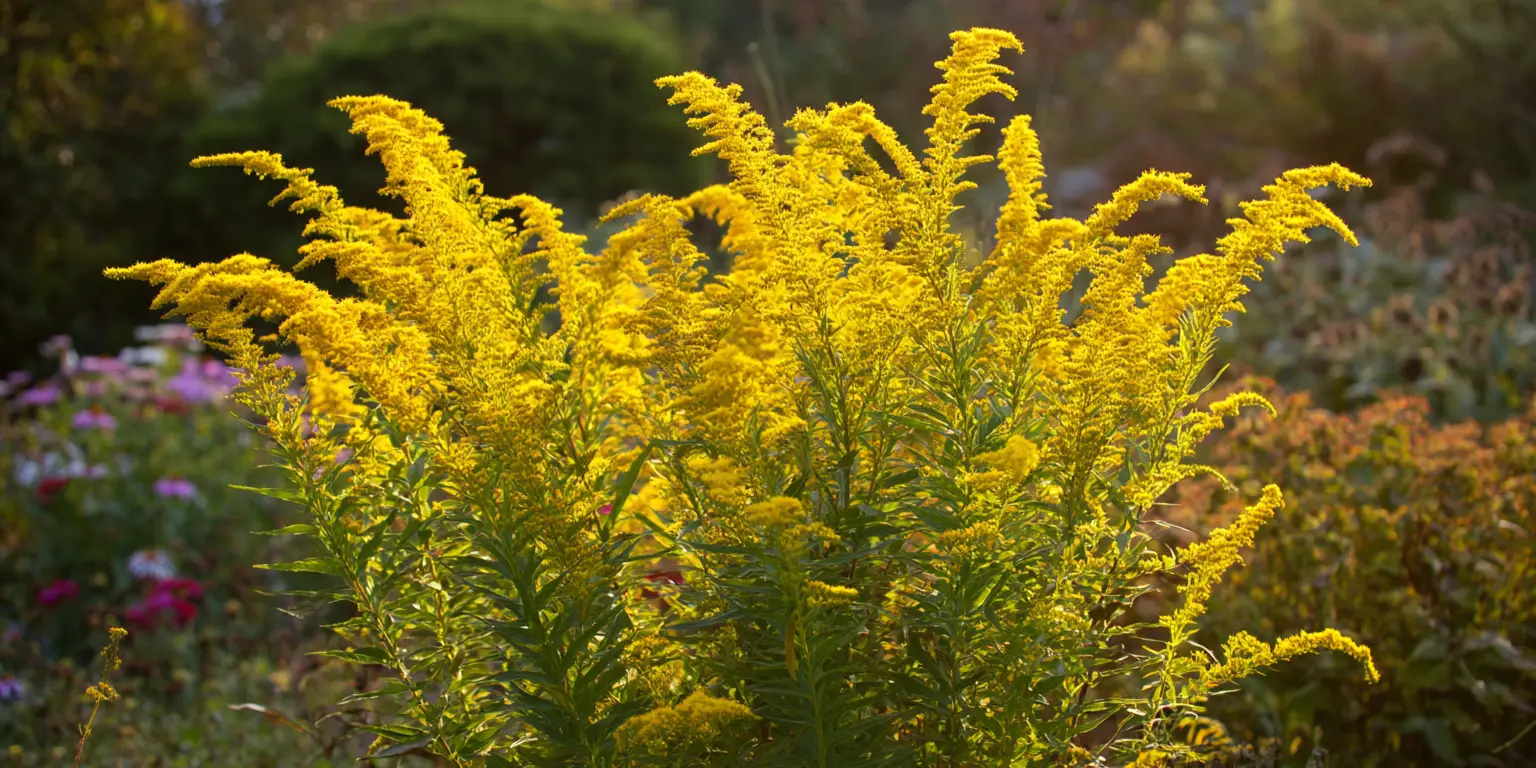
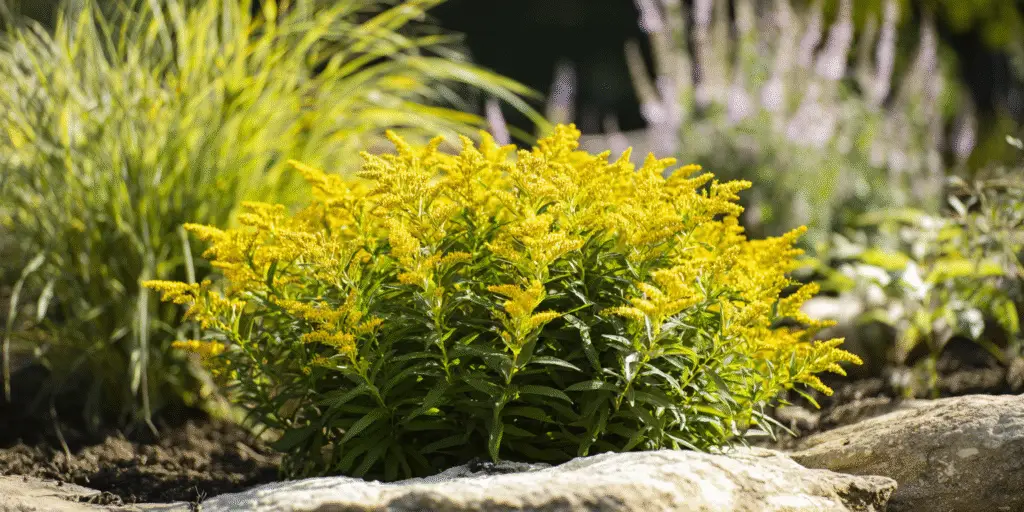
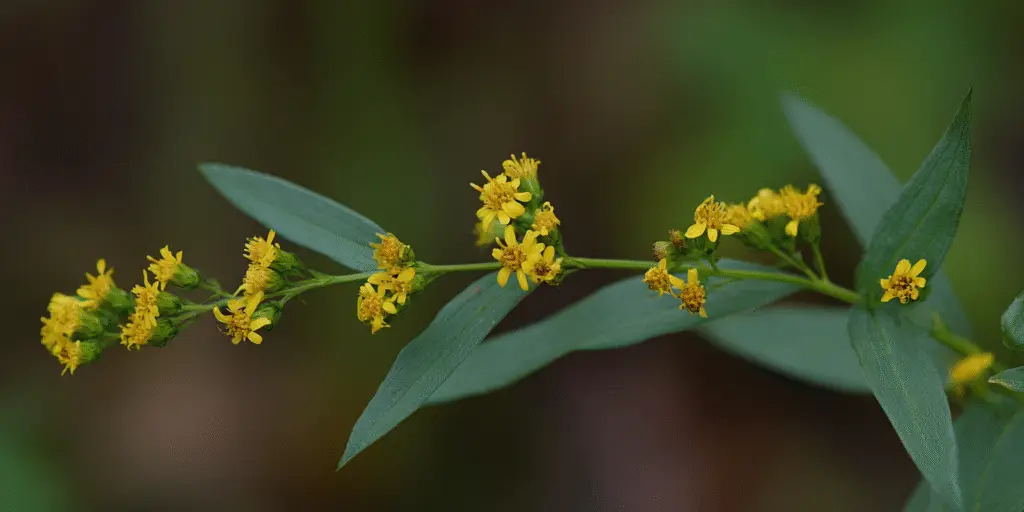
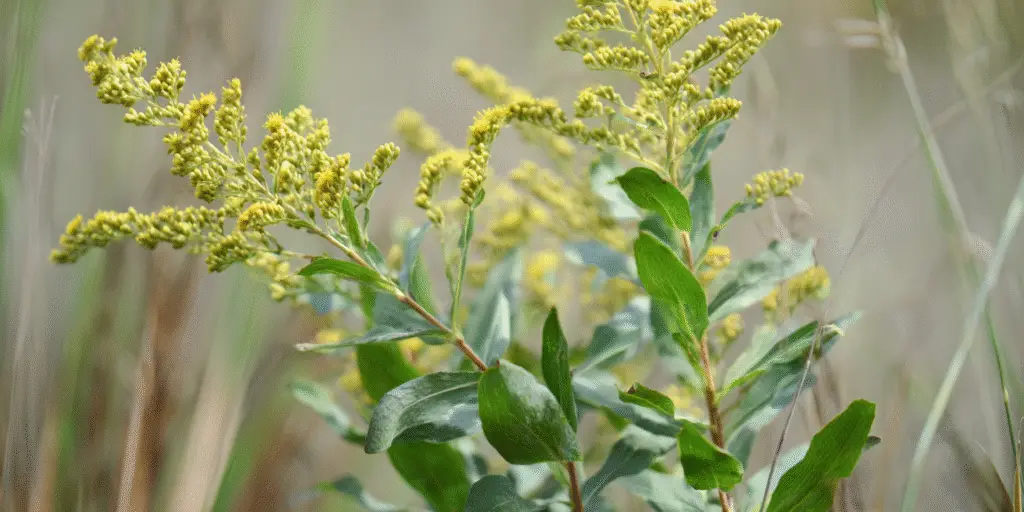
Goldenrod is the common name for a group of late‑season perennials in the aster family, botanically Solidago spp. The accepted botanical name on first mention is Solidago, followed by species or cultivars where applicable. Most garden selections are clumping or spreading herbaceous perennials that return each year and bloom from late summer to frost with many small, bright yellow flower clusters held on branched stems. Other common names are sometimes used for specific species, such as seaside goldenrod for Solidago sempervirens and zigzag goldenrod for Solidago flexicaulis, but in home gardens they are all simply called goldenrod.
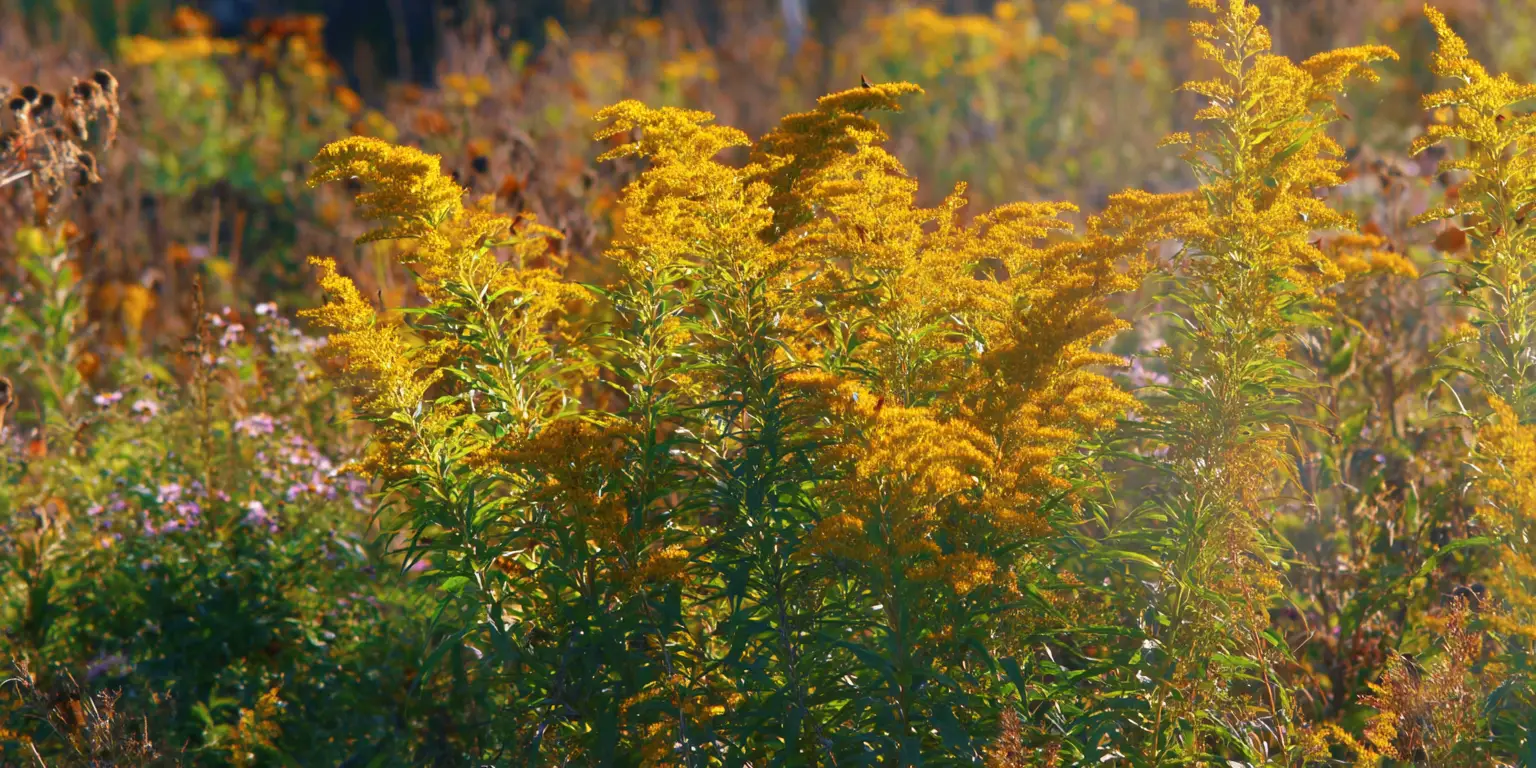
Hardiness and sun needs: Most goldenrod species are hardy in USDA Zones 3 to 9. They thrive in full sun that provides 6 to 8 hours of direct light, although woodland types like zigzag goldenrod accept light shade. In the landscape, they are dependable, sturdy, and generous with nectar and pollen for bees, butterflies, and other beneficial insects. With the right match between species and site, goldenrod is surprisingly low maintenance. Give it sun, a well‑drained bed, and room for air to move through the foliage, and you will get dependable color when many summer flowers are fading.
Snapshot of success: Plant goldenrod where the soil drains well and the plants receive strong light. Space plants to allow airflow and stake only the tallest forms. Water during the first growing season until roots establish, then allow the plants to fend for themselves with occasional deep watering during long dry spells. Deadhead if you want to limit self‑sowing or shear once after the first flush to extend bloom. With this approach, Goldenrod care remains simple and reliable for many years.
Soil & Bed Preparation
Goldenrod grows in a wide range of soils from sandy to loamy and even light clay as long as drainage is reliable. Aim for a soil that holds moisture evenly yet allows excess water to move away. If you have heavy clay that stays wet after rains or irrigation, loosen the planting area 12 inches deep and incorporate 2 to 3 inches of compost into the top 8 inches of soil to increase pore space. In sandy beds that dry too fast, the same 2 to 3 inches of compost improves water retention without making the soil soggy. Goldenrod prefers moderately fertile soil. Very rich soils drive lanky growth that can flop under the weight of flower clusters. Before planting, mix in a modest layer of well‑finished compost and rake smooth. If you regularly mulch with shredded leaves or fine bark, the soil biology will continue to improve, which supports a dense fibrous root system. Avoid high‑nitrogen lawn fertilizers around perennial borders, because excess nitrogen leads to soft stems and a need for staking that would otherwise be unnecessary. Goldenrod tolerates a pH from 5.5 to 7.5, with a sweet spot near 6.0 to 7.0. If your soil is strongly acidic, elemental sulfur is not needed; instead, plan to recheck pH after a season of compost mulches, which often nudges acidic soils closer to neutral. If your soil is above 7.5, choose species tolerant of slightly alkaline conditions, such as Solidago rigida or Solidago speciosa, and use compost rather than quick fixes to avoid rapid swings. To check drainage, dig a hole 12 inches wide and 12 inches deep. Fill with water and let it drain completely. Refill and time the second drain. One to four hours indicates suitable drainage for goldenrod. More than four hours means poor drainage that will increase crown rot risk. Less than one hour means the soil is very porous, so plan on deeper but less frequent irrigation during dry spells. For pH, use a home test kit or a county Extension soil test. Target pH is 6.0 to 7.0. If amendments are needed, retest after one growing season to confirm results before adding more. Where soils remain wet after storms or spring thaw, raised beds 6 to 8 inches high give roots the aeration they need. In ordinary garden soils, in‑ground planting is preferred because larger volumes of soil moderate temperature and moisture swings. When building raised beds for goldenrod, keep the medium mineral by blending topsoil with compost in a 3 to 1 ratio rather than using a potting mix intended for containers.
Planting Calendar by USDA Zone
Zones 3 to 5: Plant container‑grown goldenrod in late spring once the soil is workable and nighttime temperatures are consistently above 40°F (4°C). May to early June is a dependable window. Fall planting is also successful if you work 4 to 6 weeks ahead of your average first frost, which often means late August to early September. Fall planting builds roots while the soil is warm and moisture is more regular, and the tops stay small, which reduces transplant stress.
Zones 6 to 7: Plant in spring from March to May, depending on your last frost, or in fall from late September to October. In regions with hot humid summers, fall planting is often the best choice because young plants bypass the most stressful heat of the year. If you plant in late spring, water consistently the first season and provide temporary light afternoon shade during heat spikes to prevent wilting while roots establish.
Zones 8 to 9: Favor fall planting from October to December so roots knit into the cool soil before the first summer. Early spring plantings from February to March can succeed if you irrigate regularly and mulch to moderate soil temperatures. In very hot, humid coastal areas, choose heat‑tolerant species such as Solidago rugosa and Solidago sempervirens and avoid planting in the hottest months.
Bare‑root, divisions, and seed timing: Divisions taken from mature clumps are best replanted in early spring after the soil thaws in Zones 3 to 5 and from early to mid spring in Zones 6 to 7. In Zones 8 to 9, divide in late fall or very early spring. If you start from seed, sow in winter or very early spring outdoors to take advantage of cool, moist conditions, or cold stratify seed for several weeks before spring sowing. Container‑grown plants can be set out any time the ground is workable, but avoid planting during an active heat wave or during a prolonged drought.
Regional caveats: In arid or high‑elevation regions with intense sun and wind, plant in spring so you can manage moisture during establishment. In coastal sites with salt spray, choose seaside goldenrod. In very humid climates, provide extra spacing for airflow to limit foliar diseases and avoid very rich soils that encourage oversized, floppy stems.
Planting: Depth & Spacing
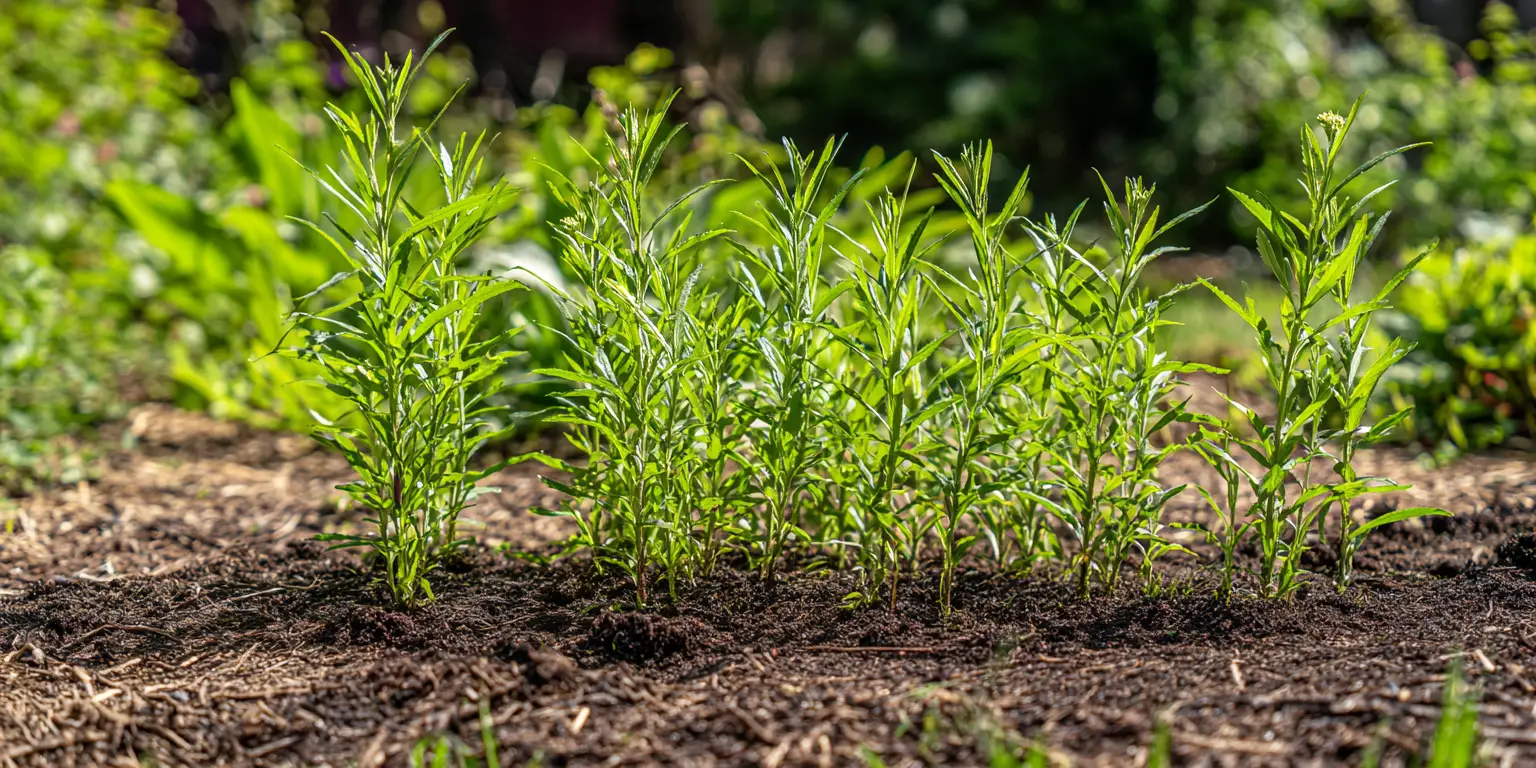
For seeds started in flats, cover lightly with a fine layer of mix because light aids germination for many Solidago species. Transplant seedlings when they have three to four true leaves. Set the top of the plug level with the surrounding soil. Space 12 to 18 inches apart for compact selections and 18 to 24 inches for medium forms. For tall meadow types that reach 4 to 6 feet, use 24 to 36 inches to maintain airflow and reduce mildew pressure. Water well to settle soil around the roots. When dividing a mature clump, slice sections with two to three strong shoots and a healthy portion of rhizome and fibrous roots. Replant with the crown at soil level or slightly above to prevent crown rot. In heavy soils, create a shallow mound so water sheds away from the crown. For medium garden selections, 18 to 24 inches between plants is typical. For tall meadow types or vigorous species, 24 to 36 inches keeps stems upright and reduces the need for staking. After planting, cut back the foliage by one third to reduce stress and water deeply. Water the container thoroughly before you begin. Tease circling roots gently to encourage them to grow outward. Set the root ball so its top is level with the garden soil or slightly higher. Backfill with the native soil you loosened, not a fluffy potting mix, and firm gently. Water until the soil is evenly moist to a depth of 6 inches. For the first week, provide temporary shade cloth or a makeshift screen during the hottest part of the day if the plants flag. A quick top trimming of soft tips immediately after planting encourages branching and reduces wind rock. Plant on a calm, overcast day when possible. Water the planting hole before setting the plant, then again after backfilling to eliminate air pockets. Keep new transplants evenly moist the first 3 to 4 weeks. If a late spring heat spike occurs, erect a temporary shade panel on the southwest side to soften late‑day sun while roots take hold. Remove it once sustained new growth appears.
Watering & Mulching
During the first season, aim for the equivalent of 1 inch of water per week from rain or irrigation. Apply water deeply so it penetrates 6 to 8 inches, then let the top few inches dry slightly before watering again. Deep soakings develop a broader, deeper root system that can forage for moisture and stabilizes tall stems in wind. Shallow daily sprinkles promote surface roots and do not help during summer heat. In containers, check more frequently because potting mixes drain faster and heat up in sun. Once established, many goldenrod species are moderately drought tolerant. In long dry spells of two to three weeks without rain, give a deep soak to maintain flower production and prevent premature dormancy. In extreme heat, the leaves may flag in late afternoon but should perk up by morning. If they do not, water in the morning so leaves dry quickly. Plants that face reflected heat from patios or walls appreciate a 2 to 3 inch mulch and a deep soak before forecast heat waves. If you garden where water has high salts, flush containers periodically with ample water to prevent salt buildup. Apply a 2 inch layer of shredded leaves, leaf mold, or fine bark in spring to moderate temperature and suppress weeds. Keep mulch 2 inches back from stems to discourage crown rot. In very hot summer regions, a slightly thicker layer up to 3 inches is acceptable if the soil drains well. In parts of the Midwest and Northeast where soils stay moist into summer, avoid heavy mulches that stay wet. Refresh mulch lightly each spring after you cut back old stems.
Feeding
Goldenrod is not a heavy feeder. In average soil, a spring topdressing of compost often provides all the nutrition the plants need. If your soil test shows low fertility, use a slow‑release balanced fertilizer with a modest nitrogen number such as an N P K of 5 5 5 applied at the label’s perennial rate when new growth emerges. In poor sandy soils, a second light application after the first flush of bloom can support a longer season. Avoid high nitrogen formulas because they promote overly tall, weak stems that fall open. Maintain 3 to 5 percent organic matter for steady nutrient release and better water management. If you make large adjustments to pH or fertility, retest soil after one growing season to verify results. In established plantings that look vigorous and flower well, skip fertilizer entirely and rely on annual compost mulches. Overfeeding increases flopping and reduces the nectar concentration that makes goldenrod valuable to pollinators.
Pruning & Support
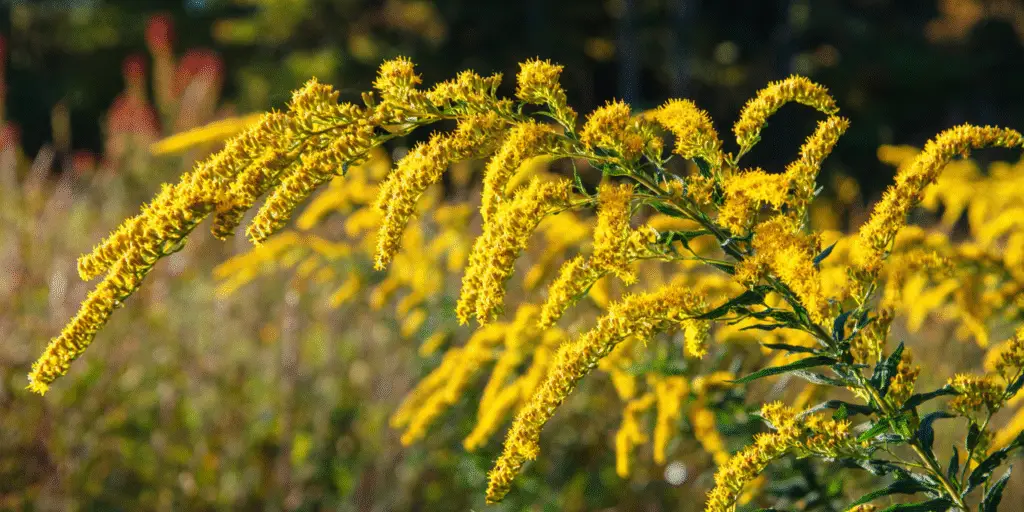
Goldenrod makes copious seed on its feathery panicles. If you want to limit self‑sowing, shear back the spent flowers just as they fade. This tidy‑up can also encourage a modest rebloom on some selections. If you want to leave seed for birds and winter structure, allow the panicles to persist through winter and plan to cut the stems back in late winter before spring growth resumes. To reduce staking and encourage bushy plants, pinch growing tips once in late spring when plants are 12 to 18 inches tall. Remove 1 to 2 inches of soft growth across the clump. This simple step shortens and strengthens stems and often delays bloom by 1 to 2 weeks, which can help you coordinate color with fall companions. A second, lighter pinch two to three weeks later can be used on the most vigorous selections if needed. Avoid pinching after early July in cold climates, because you may push bloom too close to frost. Many garden selections reach 2 to 4 feet and rarely need stakes when spaced properly. Tall meadow types can top 5 to 6 feet and sometimes benefit from discreet ring supports installed in late spring while foliage can grow through the grid. Good spacing and a steady, deep watering routine produce thicker stems that stand without help. Always clean pruning tools with alcohol between plants to reduce pathogen spread, especially if you have cut back any mildewed or rusted stems.
Overwintering
After hard frost, you can leave stems standing for winter habitat, or cut them to 6 to 8 inches if you prefer a neat look. In snow‑poor climates where repeated freeze and thaw heaves crowns, mulch with 2 to 3 inches of shredded leaves after the ground cools but before it freezes. Pull the mulch back in early spring as soon as you see new growth so crowns are not kept too wet. In snowier regions, the snowpack provides natural insulation and mulch can be lighter. Goldenrod in containers is more vulnerable to freeze damage because roots are exposed to air temperatures. In Zones 5 and colder, move containers into an unheated garage or against a foundation on the north or east side where temperatures remain more stable. Water sparingly in winter to keep the root ball from going bone dry. In the warmest zones where summer heat is extreme, a light layer of summer mulch and afternoon shade during establishment protects young plants from heat stress that can carry into winter.
Growing Environments
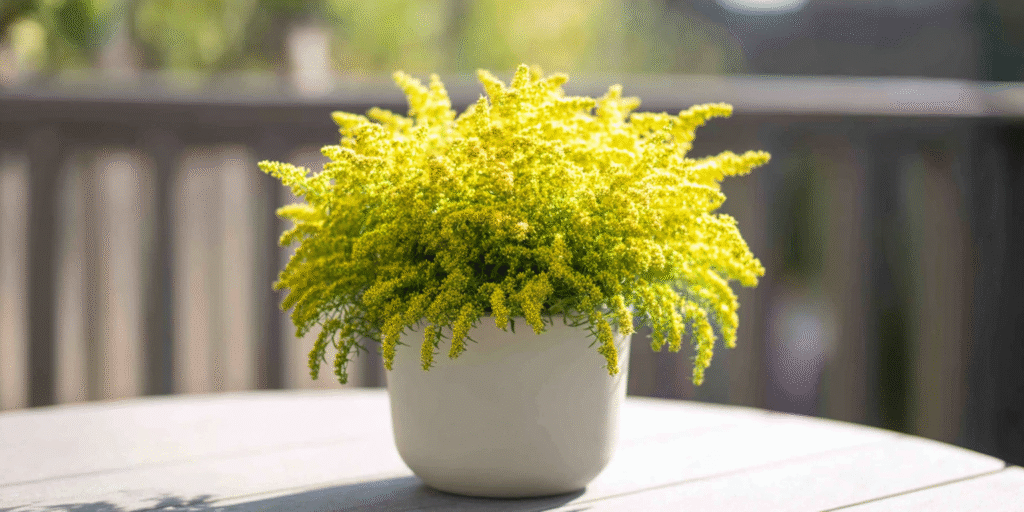
Goldenrod adapts to large containers for seasonal color and pollinator support on patios. Choose at least a 3 to 5 gallon pot with several drainage holes. Use a high‑quality all‑purpose potting mix with added perlite or pine fines for extra drainage. Feed container plants lightly with a slow‑release fertilizer at potting, then monitor water closely, because containers dry faster in sun and wind. For tall types, choose a heavier pot or tuck the container into the border to hide the base and provide wind protection. In hot inland areas, avoid reflective heat from south‑ and west‑facing walls. A few hours of late‑day shade keeps flowers from bleaching and reduces water stress. In windy sites, orient plantings so taller goldenrod sits behind ornamental grasses or shrubs that break the gusts. On coastal sites, seaside goldenrod tolerates salt spray and sandy soils better than most species. In light shade under high‑limbed trees, zigzag goldenrod offers a graceful option when classic sun‑loving types would lean.
Companion Planting & Design
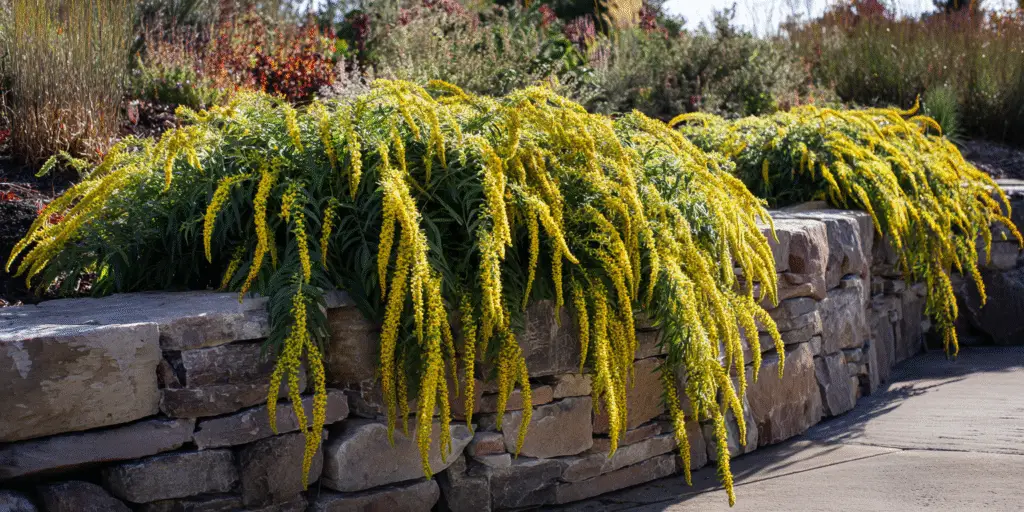
Goldenrod shines when paired with late‑season blues and purples. New England asters, smooth asters, great blue lobelia, and blue salvias make the yellow appear more saturated and extend color to frost. For a softer palette, mix with pale pinks from garden phlox or rosy sedums. If your garden plan follows broader color families, place goldenrod within your yellow flowers collection and echo that color with repeat touches across the border so the eye moves calmly from one section to the next. Goldenrod is among the most visited native perennials for diverse pollinators. Its small composite flowers provide abundant nectar and pollen when many sources are scarce late in the season. Plant in generous drifts two to three plants wide to create a target that bees and butterflies can find quickly. Combine with aster and native grasses to supply nectar, pollen, and nesting sites in one planting. This layered approach serves your garden while supporting the broader landscape well beyond the fence line. Because goldenrod carries flowers on branched stems, air needs to move through the foliage to dry leaves after rain or heavy dew. Keep medium selections 18 to 24 inches apart and tall selections 24 to 36 inches apart. Avoid crowding with thirsty, lush perennials that create shade at the base and trap humidity. If you want to weave goldenrod into a mixed border, repeat compact cultivars at intervals and fill the spaces with plants that like the same conditions, such as ornamental grasses, coneflowers, and yarrow. In sunny prairie‑style beds, intermingle goldenrod with sunflower for a bold, late‑season arc of yellow, and temper it with blue asters for cool contrast that fits your types of flowers map. If you want to shift the palette, slip in accents from purple flowers or selections from your wedding flowers guide to keep the border interesting from summer into fall.
References
North Carolina State Extension Gardener Plant Toolbox. “Solidago spp. Goldenrod.”
Lady Bird Johnson Wildflower Center. “Solidago canadensis.”
Lady Bird Johnson Wildflower Center. “Solidago rugosa.”
ASPCA. “Goldenrod Solidago spp. and pet safety listing.”
Written by: Your Flowers Guide editorial team
We are a small independent group of flower lovers who research and review each guide using trusted horticultural and educational sources. Learn more about us