Contents
Hibiscus
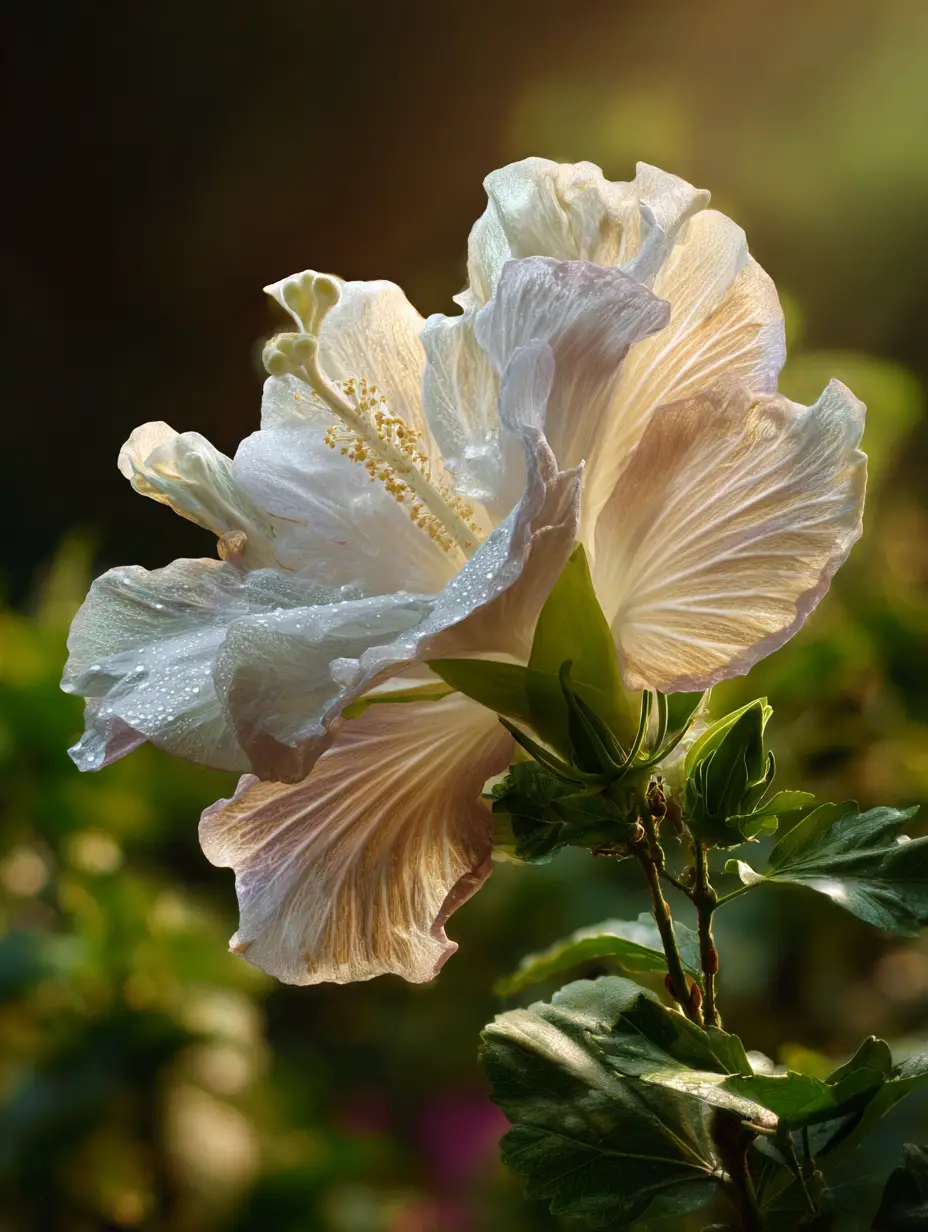
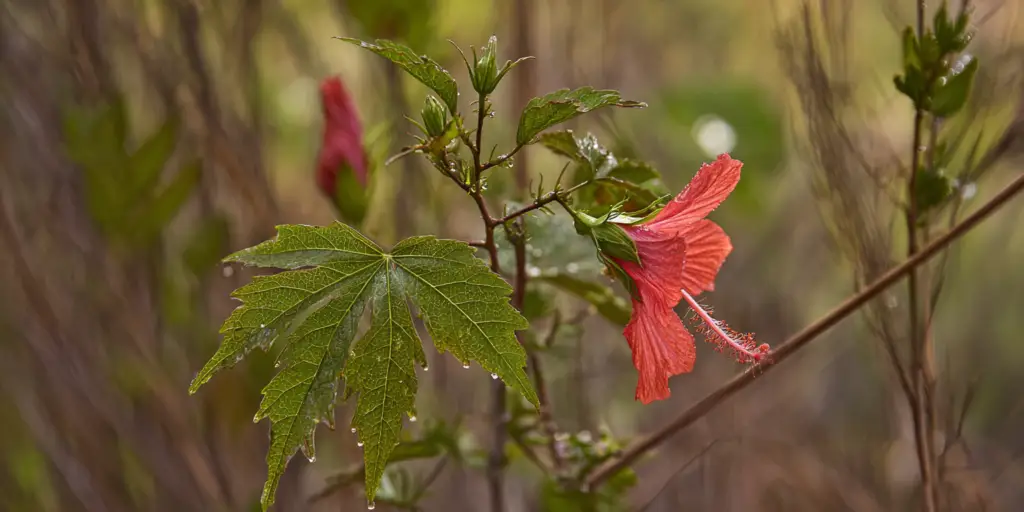
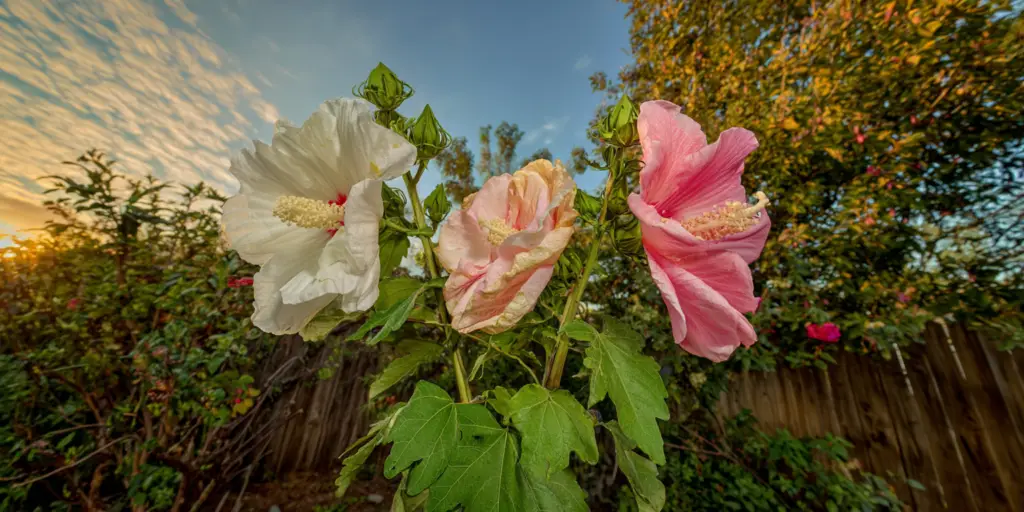
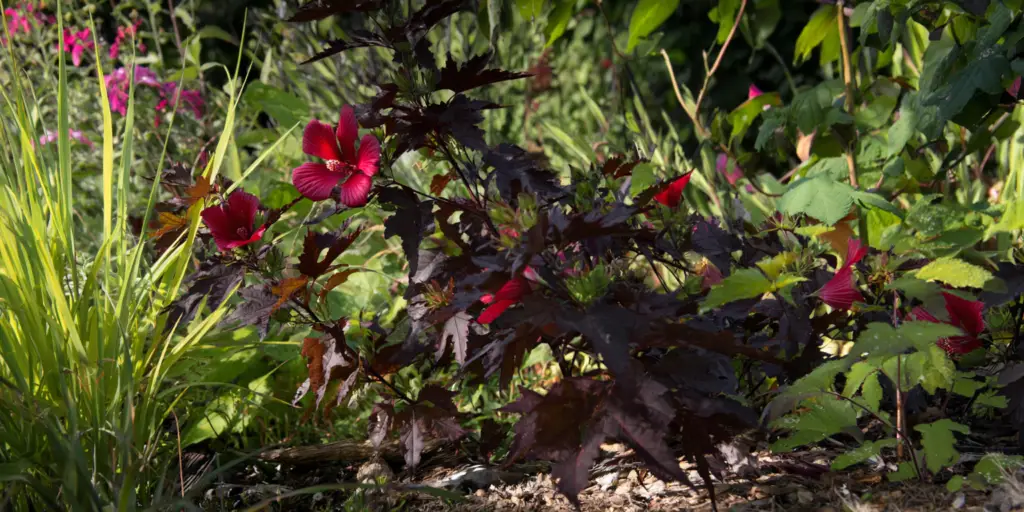
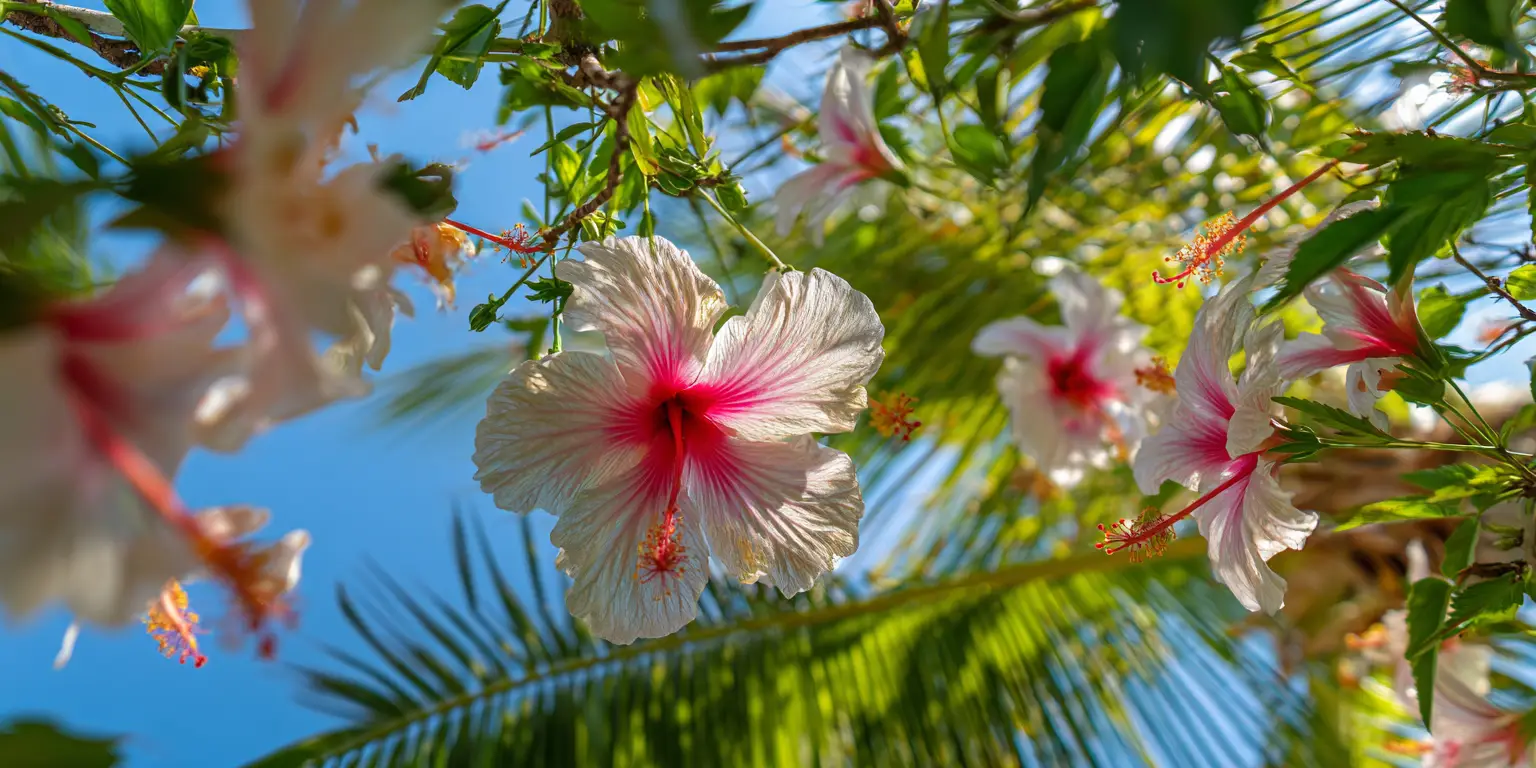
Hibiscus is a genus of flowering plants known for large, trumpet-shaped blooms and leafy growth. Gardeners grow hibiscus for clear, saturated colors like red, pink, yellow, white, and softer apricot or peach tones. True blue hibiscus flowers are essentially absent. Depending on the variety, blooms can reach 6 to 12 inches (15 to 30 cm) across. Some hibiscus are grown as tropical container plants, while others are hardy perennials or shrubs that return each year. In bloom, the flowers often draw hummingbirds and butterflies.
Hibiscus is usually easy to grow once you match the plant to your climate and give it what it wants: sun, warmth, and steady moisture. Tropical types do well in pots you can move for winter, while hardy hibiscus and Rose of Sharon can stay in the ground in many temperate gardens. With basic care, most hibiscus will flower through the warm season and keep setting new buds as older blooms fade.


A clear, step-by-step guide to soil, planting, watering, feeding, pruning, and winter care. Includes zone timing, container tips, companions, and quick fixes for common problems.

Bouquet Ideas
Explore simple, beautiful bouquet ideas for the home, gifts, and special occasions from romantic mixes to clean, minimal styles. Each idea includes suggested flower combinations, color palettes, and sizes, with photos for quick inspiration.
🌱 Taxonomy and origin
Hibiscus belongs to the mallow family (Malvaceae), a botanical family that also includes plants like okra and cotton. The genus Hibiscus includes roughly 200 to 300 species of annual and perennial herbs, shrubs, and small trees. These species grow in warm temperate, subtropical, and tropical regions across the globe, including parts of Asia, Africa, the Pacific Islands, and the Americas. Common garden types include Hibiscus rosa-sinensis (tropical hibiscus, often called Chinese hibiscus) and Hibiscus syriacus (Rose of Sharon), a hardy shrub. The genus name Hibiscus comes from the Greek word hibiskos, used by the ancient botanist Dioscorides, and relates to the plant’s connection to other mallows.
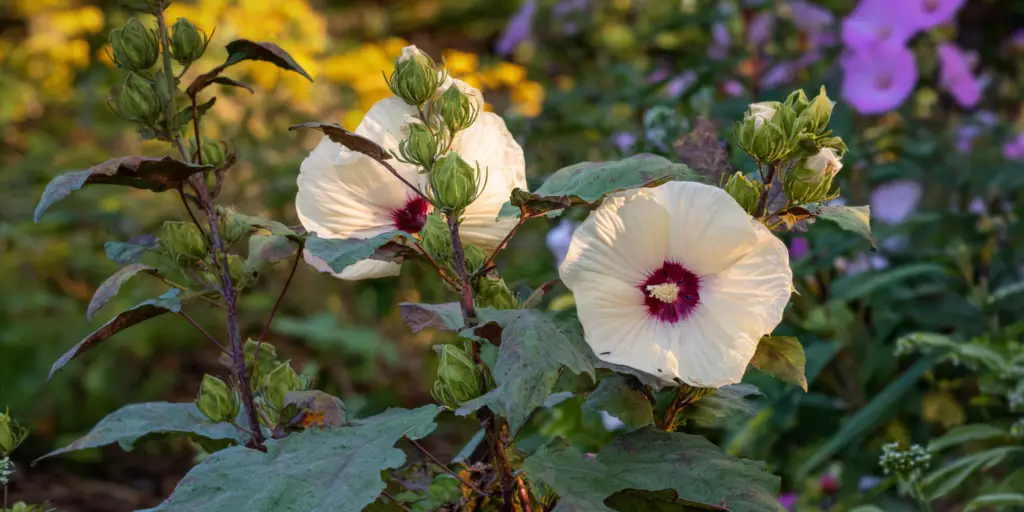
People have grown and crossed hibiscus for a long time, which is why garden centers carry so many forms. Tropical hibiscus (Hibiscus rosa-sinensis and its hybrids) comes from Asia and is now grown anywhere winters are mild, or as a patio plant in a pot. Hardy hibiscus usually means North American species and hybrids such as Hibiscus moscheutos, sometimes called swamp rose mallow. Rose of Sharon (Hibiscus syriacus) is a woody shrub from East Asia that handles cooler winters. So “hibiscus” can mean anything from a tender potted shrub to a perennial that dies back and returns each spring.
In the wild, many hibiscus grow in open, sunny places with regular moisture, from river edges to marshy ground. That background explains a lot about their care: they like sun, and most do best when the soil does not swing between bone-dry and waterlogged. Modern cultivars are bred for different flower colors, sizes, and levels of cold tolerance, so you can usually find a type that fits your region.
🌸 Bloom time
Hibiscus can flower for a long stretch of the warm season. Exact timing depends on the type of hibiscus and your climate.
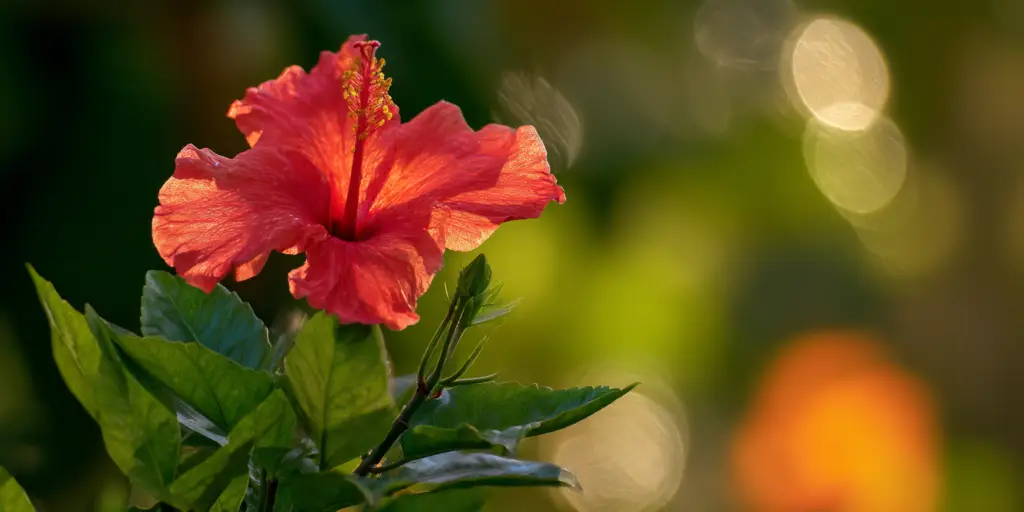
- Tropical hibiscus (often called Chinese hibiscus) can bloom much of the year in truly tropical climates. Where there is a real winter, flowering usually starts in late spring or early summer and continues until temperatures cool. During peak growth, a healthy plant may open new flowers daily, and each bloom typically lasts one day.
- Hardy perennial hibiscus (including Hibiscus moscheutos hybrids) blooms in summer. In many areas, flowers begin in mid to late summer and continue into early fall. Individual blooms are short-lived, but the plant keeps opening new buds for several weeks.
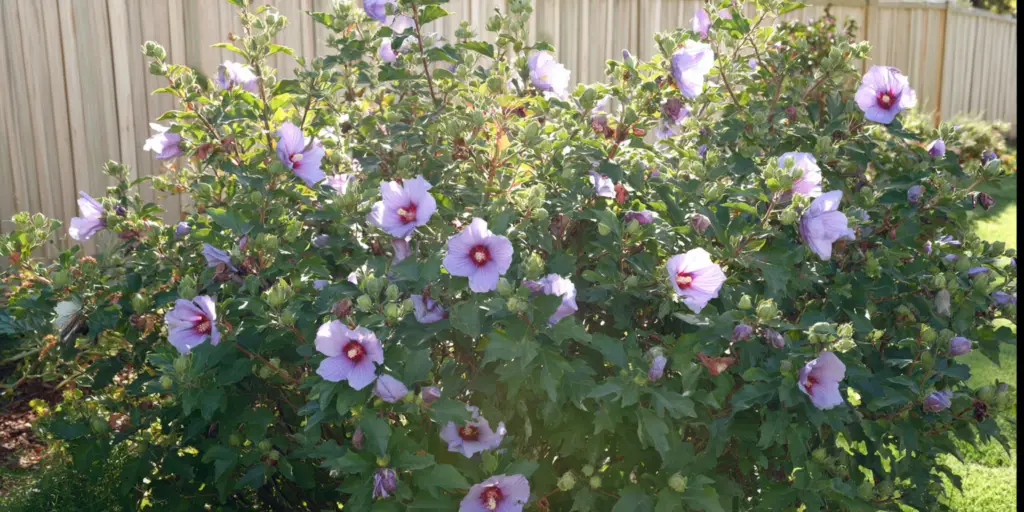
- Rose of Sharon (Hibiscus syriacus) starts flowering in mid-summer and often continues into early fall. The flowers can stay open a little longer than tropical hibiscus, and the shrub blooms on new growth, so it can carry a lot of flowers at once later in summer.
Across types, hibiscus flowers do not last long once they open. Many open in the morning and close or drop by evening. Because the plant sets a steady supply of buds, it can still look like it is always in bloom. Deadheading is optional, but removing spent flowers keeps the plant looking tidy.
📏 Height and spread
Hibiscus plants vary widely in size, from compact patio shrubs to large garden plants. Most commonly grown types fall into these ranges.
- Tropical hibiscus grown in gardens or containers usually reaches 3 to 6 feet tall (0.9 to 1.8 m) and 2 to 4 feet wide (0.6 to 1.2 m). In warm climates and with little pruning, some can grow larger. In pots, regular pruning often keeps them in the 3 to 6 foot range. They branch naturally and can also be trained into a small tree form by removing lower shoots.
- Hardy herbaceous hibiscus (perennial hibiscus such as H. moscheutos) dies back each winter and regrows from the crown in spring. Depending on the cultivar, a clump can reach 3 to 8 feet tall (0.9 to 2.4 m) by mid-summer, with a spread around 3 to 4 feet (about 1 m or more). The foliage is dense enough to act as a backdrop for the flowers.
- Rose of Sharon is often the largest hibiscus seen in temperate gardens. Mature shrubs commonly reach 8 to 12 feet tall (2.4 to 3.6 m) and 6 to 10 feet wide (1.8 to 3 m). Dwarf cultivars stay smaller, and pruning can manage size and shape.
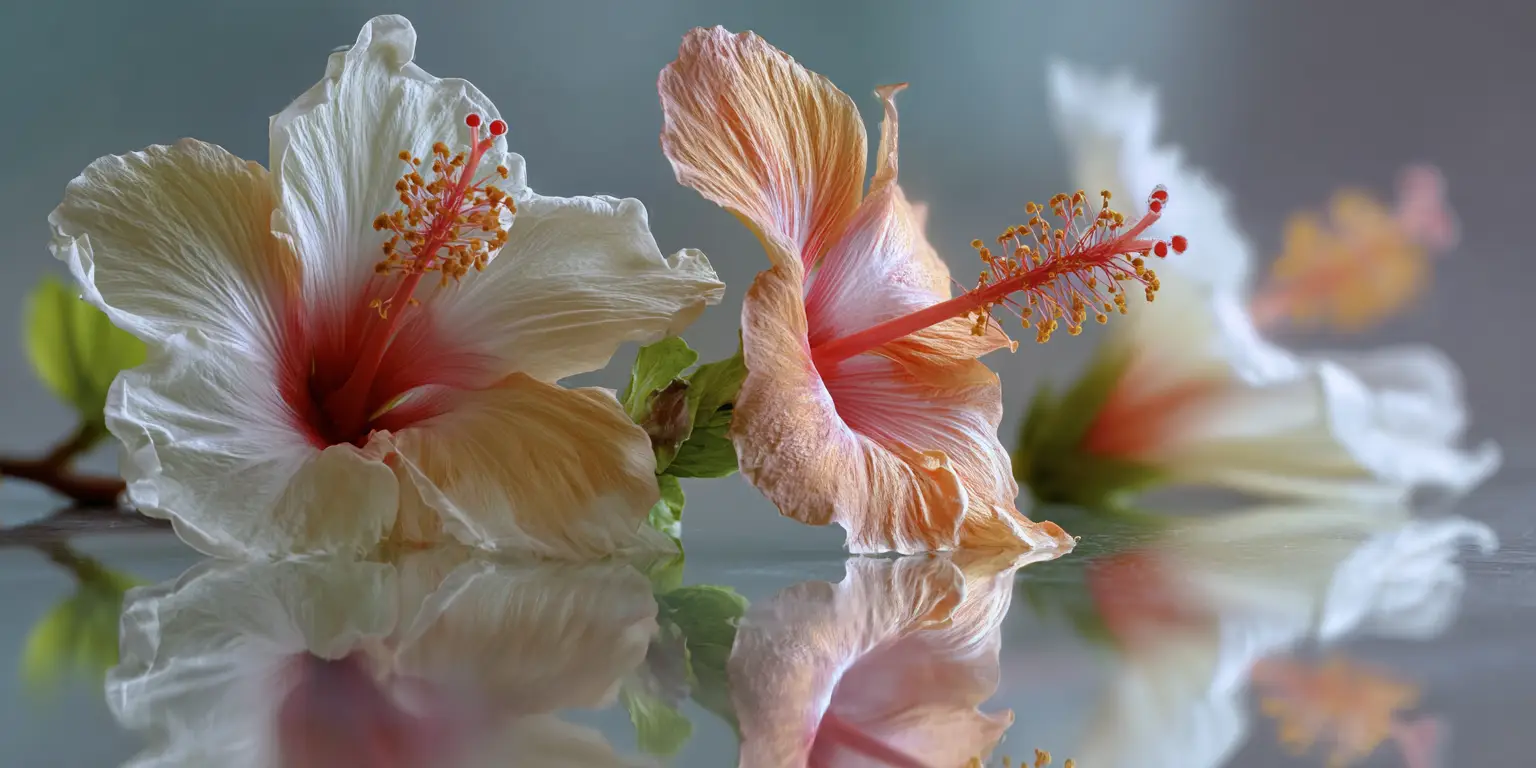
Give hibiscus enough room to reach its mature size. Crowding reduces airflow and can make pest and disease problems more likely. In mixed borders, tall hardy hibiscus often goes toward the back, while tropical hibiscus in containers can be moved to suit the space. Keep in mind that plants in pots may stay smaller because roots are confined. Either way, hibiscus is hard to miss once it starts flowering.
☀️ Light
Hibiscus blooms best with lots of sun. Full sun means at least 6 hours of direct light per day, and many hibiscus handles 8 hours or more. When light is low, growth slows and the plant sets fewer buds.
- In the ground, choose a spot with morning through early afternoon sun. In very hot climates, a bit of late-day shade can help prevent stress, but more sun usually means more flowers. Hardy hibiscus and Rose of Sharon do well in full sun as long as the soil does not dry out.
- For container plants, set tropical hibiscus on a sunny patio outdoors. Indoors for winter, give it the brightest window you have, ideally a south-facing one. If light is weak, indoor plants may drop leaves or pause flowering.
- Hibiscus can grow in partial shade, but flowering usually decreases. In dappled light or half-day sun, the plant often stays leafy and may lean toward the brightest direction. Partial shade can help in places with intense afternoon sun and very dry air.
Aim for at least 6 hours of sun a day if you want reliable blooms, and more if your climate allows it. If a hibiscus is healthy but not flowering well, light is one of the first things to check. Move pots to a sunnier spot, or prune nearby branches that cast heavy shade.
💧 Water
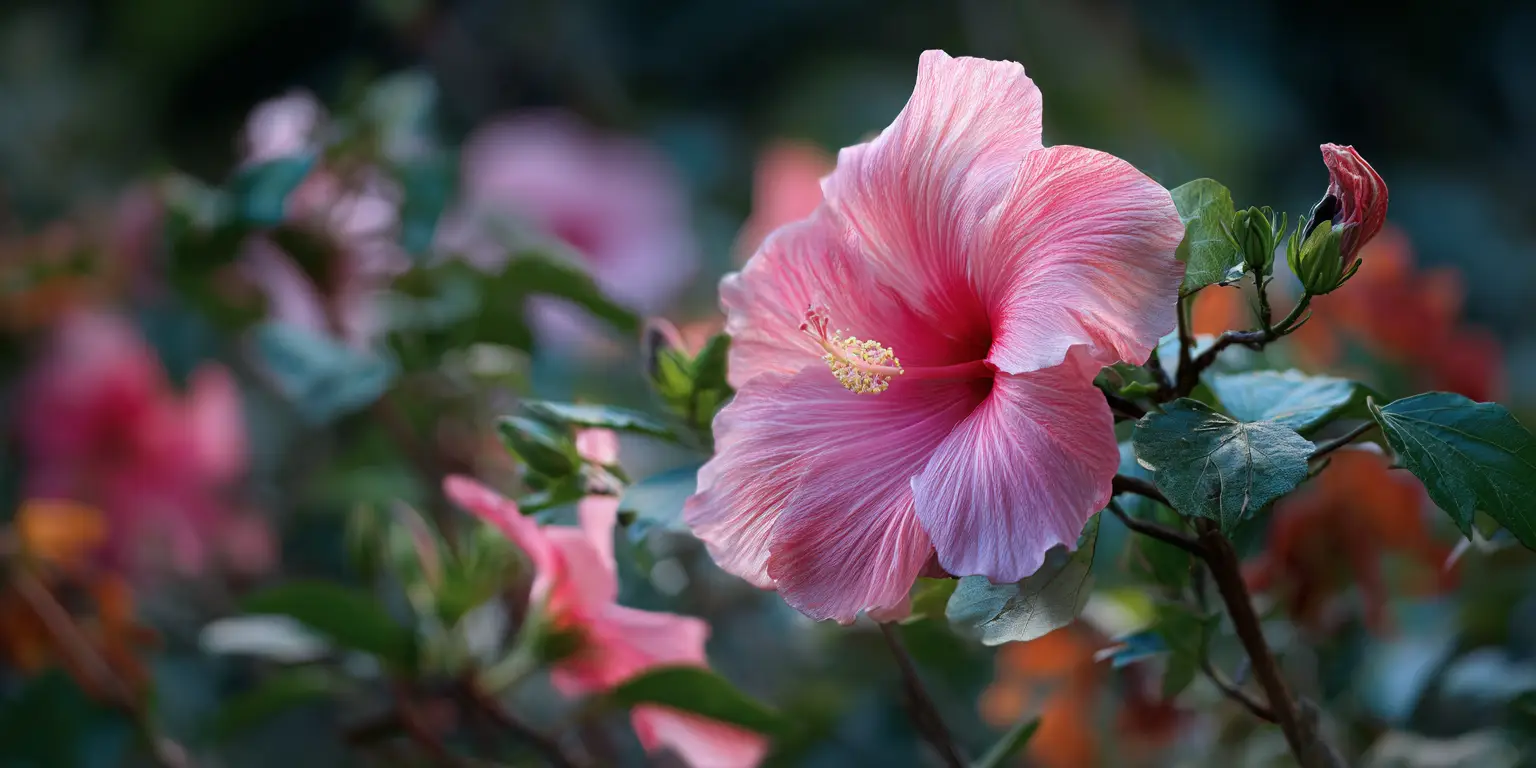
Hibiscus likes steady moisture and often needs more water than many shrubs. Many species come from places with regular rainfall or naturally damp soil, so the goal is consistent watering plus good drainage.
- Water deeply so moisture reaches the root zone, then let the top inch of soil dry slightly before watering again. In hot summer weather, potted plants may need water every day or two, while in-ground plants may need supplemental watering once or twice a week, depending on rain and soil type. Tropical hibiscus wilts quickly if a pot dries out.
- When a hibiscus gets too dry, leaves and buds may droop and buds can drop before opening. In summer, check containers often. A layer of mulch around in-ground plants helps slow evaporation and keeps roots cooler.
- Hibiscus does not like sitting in soggy soil. Poor drainage can lead to root rot. Use a well-draining potting mix for containers, and avoid planting in heavy clay that stays wet. Improving the soil with organic matter or using a raised bed can help where drainage is slow. After watering, excess water should drain away rather than pooling around the roots.
- Too much water can look similar to too little. Yellowing leaves and leaf drop, especially when the soil stays wet, can point to waterlogged roots. In cooler or cloudy weather, hibiscus uses less water, so adjust watering rather than following a fixed schedule.
During active growth and flowering, keep the soil evenly moist but not saturated. Do not let plants dry out for long stretches. When growth slows, such as winter indoors or when hardy types are dormant, watering can be reduced. Firm green leaves usually mean watering is on track, while repeated wilting or yellowing suggests you need to adjust.
🌍 Soil and pH
Hibiscus grows best in rich, well-draining soil with a slightly acidic to neutral pH. Good soil helps roots develop and makes it easier for the plant to take up nutrients for steady growth and flowering.
- Loamy, fertile soil works well, the kind that holds some moisture but still drains. Before planting, mix in compost, leaf mold, or well-rotted manure to improve structure. Organic matter helps sandy soil hold water and helps clay soil loosen up. For pots, use a quality potting mix that holds moisture without staying soggy.
- Drainage matters. Hibiscus will not tolerate standing water around the roots for long. In pots, make sure there are drainage holes and do not leave water sitting in a saucer.
- Most hibiscus prefers slightly acidic soil, roughly pH 6.0 to 7.0. In very alkaline soil, iron and other nutrients can become harder for the plant to use, which can cause yellow leaves with green veins. If your soil runs alkaline, growing hibiscus in a large container with fresh potting mix is often the simplest fix. Otherwise, choose an acidifying soil amendment labeled for garden use and follow the product directions.
- Hibiscus is a heavy feeder compared with many shrubs, so starting with nutrient-rich soil helps. Avoid extremes: very poor soil can stunt growth, while compacted or constantly wet soil can damage roots.
If you can give hibiscus soil that drains well, stays evenly moist, and contains plenty of organic matter, the plant usually settles in quickly and grows strongly.
❄️ USDA hardiness
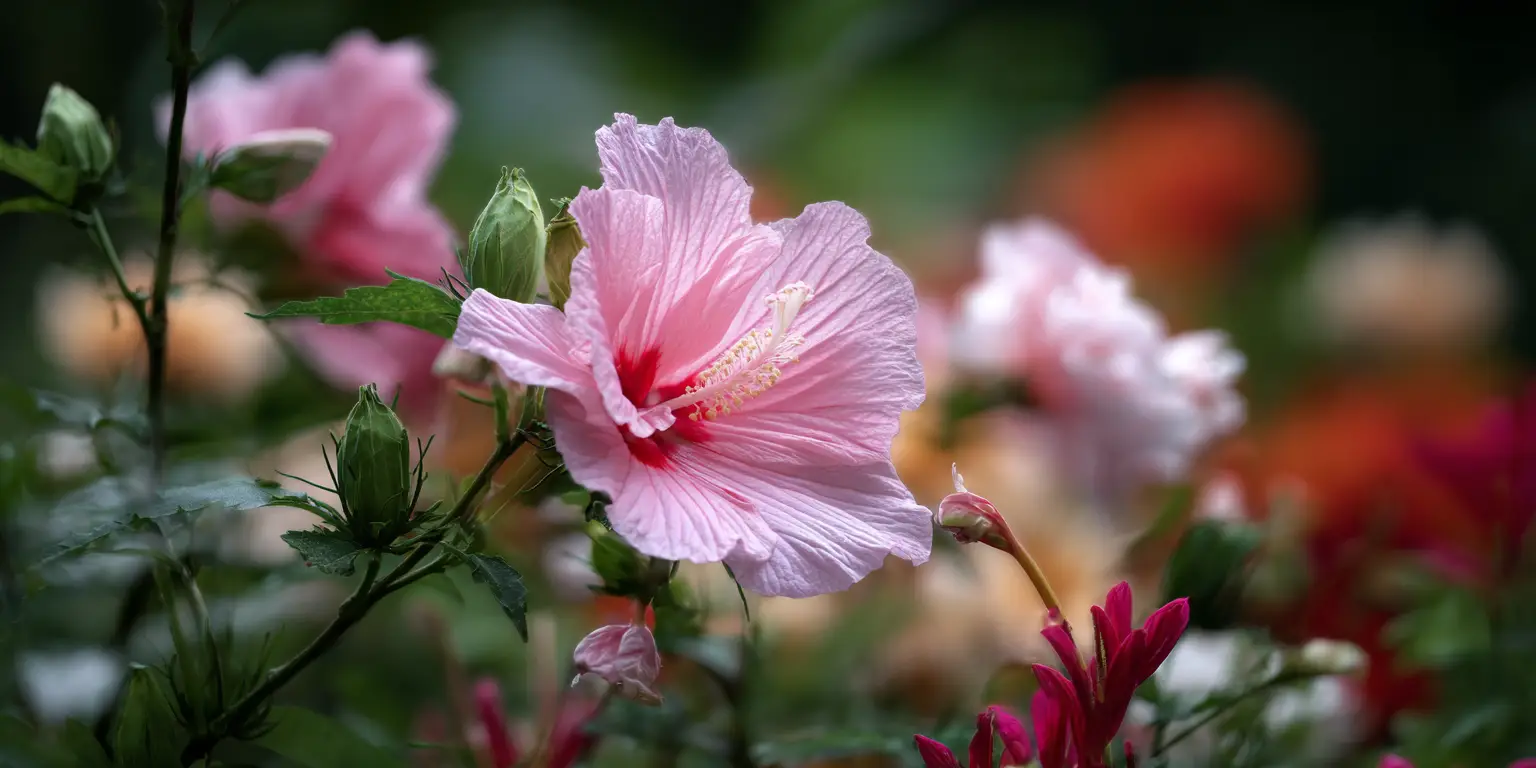
Cold tolerance depends on the hibiscus you are growing. Some are tropical and cannot take frost, while others handle real winters. Knowing which type you have makes it easier to plan for winter.
- Tropical hibiscus (Hibiscus rosa-sinensis) is winter-hardy in USDA Zones 9 to 11. In those areas it can grow outdoors year-round. In places that get frost, it is usually grown in a container and brought inside before freezing weather. Prolonged temperatures around 40 °F (4 °C) can cause damage, and freezing temperatures can kill the plant.
- Hardy perennial hibiscus includes species and hybrids such as Hibiscus moscheutos and H. militaris. Many are root-hardy in Zones 4 to 9, depending on cultivar. They die back after frost and regrow from the roots in late spring. In colder zones, a layer of mulch after the ground freezes can help protect the crown. These plants can emerge late in spring, sometimes not until May or June in cool climates.
- Rose of Sharon (Hibiscus syriacus) is a woody, deciduous shrub typically hardy in Zones 5 to 9. It loses its leaves in winter, then leafs out and flowers on new growth. In very cold winters, branch tips can die back, but the shrub usually recovers.
If your zone is colder than a plant’s rating, containers make hibiscus easier. You can grow a tropical hibiscus outdoors all summer, then move it indoors before the first frost. In very warm zones, hardy perennial hibiscus may survive but can perform unevenly if it does not get the cool rest it expects.
Hardy hibiscus and Rose of Sharon handle winter cold much better than tropical hibiscus. Check the plant tag for the recommended zone and protect it if temperatures approach freezing. With the right species, or by using containers and winter protection, hibiscus can be grown in many regions.
🌼 Propagation and longevity
Hibiscus can be started from cuttings, seed, or division, depending on the type. With decent care, many plants live for years.
- Cuttings are a common way to copy tropical hibiscus and named cultivars. Take a short, healthy stem tip, remove the lower leaves, and place it in a moist, well-draining rooting mix. Warmth and humidity help. Some gardeners use rooting hormone, but it is optional. Once roots form, pot the new plant up and grow it on like any young hibiscus.
- Many hibiscus also produces seed pods. Rose of Sharon and hardy perennial hibiscus often set seed easily. You can collect ripe seed, start it indoors in late winter, or sow outdoors after the last frost. Seedlings from hybrids may not match the parent plant, but they can still make good garden plants.
- Herbaceous perennial hibiscus can sometimes be divided. Do this in early spring as new shoots start, or while the plant is still dormant. Lift the clump, divide it into sections with buds and roots, and replant right away. Woody shrubs like Rose of Sharon are not divided.
- Layering and grafting are possible but less common for home gardeners. Some nurseries graft certain hibiscus cultivars onto sturdy rootstocks.
How long a hibiscus lives depends on the type and conditions. Tropical hibiscus in a pot can live many years if it is protected from freezing and kept growing with occasional pruning and repotting. Hardy perennial hibiscus can return for many seasons from the same root system, sometimes for a decade or more. Rose of Sharon can live as long as many deciduous shrubs, often 20 years or more.
If you want backups, take a few cuttings from a favorite plant or save seed from hardy types. That way you are not starting from scratch if an older plant declines.
👃 Fragrance
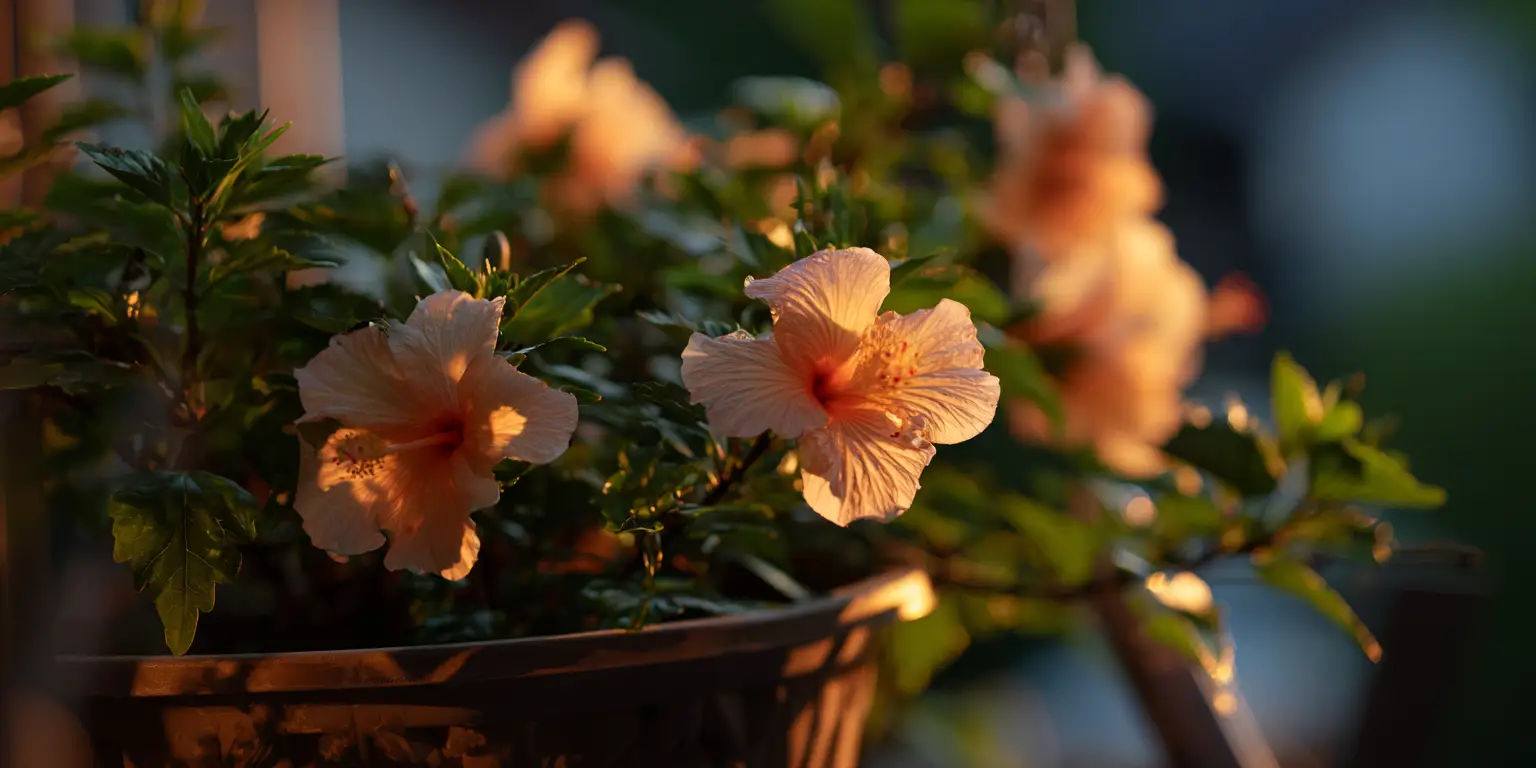
Most hibiscus flowers have little to no fragrance. Unlike strongly scented plants such as lavender or jasmine, hibiscus is grown mainly for its flowers and foliage rather than scent.
A few species and varieties have a light scent. White-flowering tropical hibiscus such as Hibiscus arnottianus may smell faintly, especially early in the day. Even then, the fragrance is mild.
If you want both color and scent, plant hibiscus near fragrant companions. It keeps the visual impact, while nearby herbs or shrubs provide aroma.
The leaves and stems contain a slippery sap when broken, which is common in the mallow family. It is a botanical detail, not something you notice unless you are pruning.
Plan on hibiscus as a visual plant, not a fragrant one. If perfume is the goal, add a few scented plants nearby and let hibiscus do what it does best: flowers and foliage.
⚠️ Toxicity and pet safety
Hibiscus is generally considered non-toxic to people and pets. Certain species are used for food and tea, including Hibiscus sabdariffa. Even so, any plant can cause mild stomach upset if a pet eats a lot of it.
Dogs and cats that chew hibiscus may vomit or get diarrhea, especially with Rose of Sharon (Hibiscus syriacus). Symptoms are usually short-lived, but it is still a good reason to keep pets from nibbling the plant.
If a pet has eaten hibiscus and seems unwell, contact a veterinarian for advice, especially if symptoms are repeated or severe. Hibiscus is not in the same risk category as highly toxic ornamentals like true lilies or oleander, but it is still best treated as a plant that should not be a snack.
For people, hibiscus is widely used in herbal teas, and petals are sometimes used as garnish. If you plan to eat flowers from the garden, make sure the plant has not been treated with products not labeled for edible use.
Hibiscus is a good choice if you want a showy plant without high toxicity concerns. The practical caution is simple: keep pets from chewing it, and be careful about what you spray on the plant.
🌿 Vase life
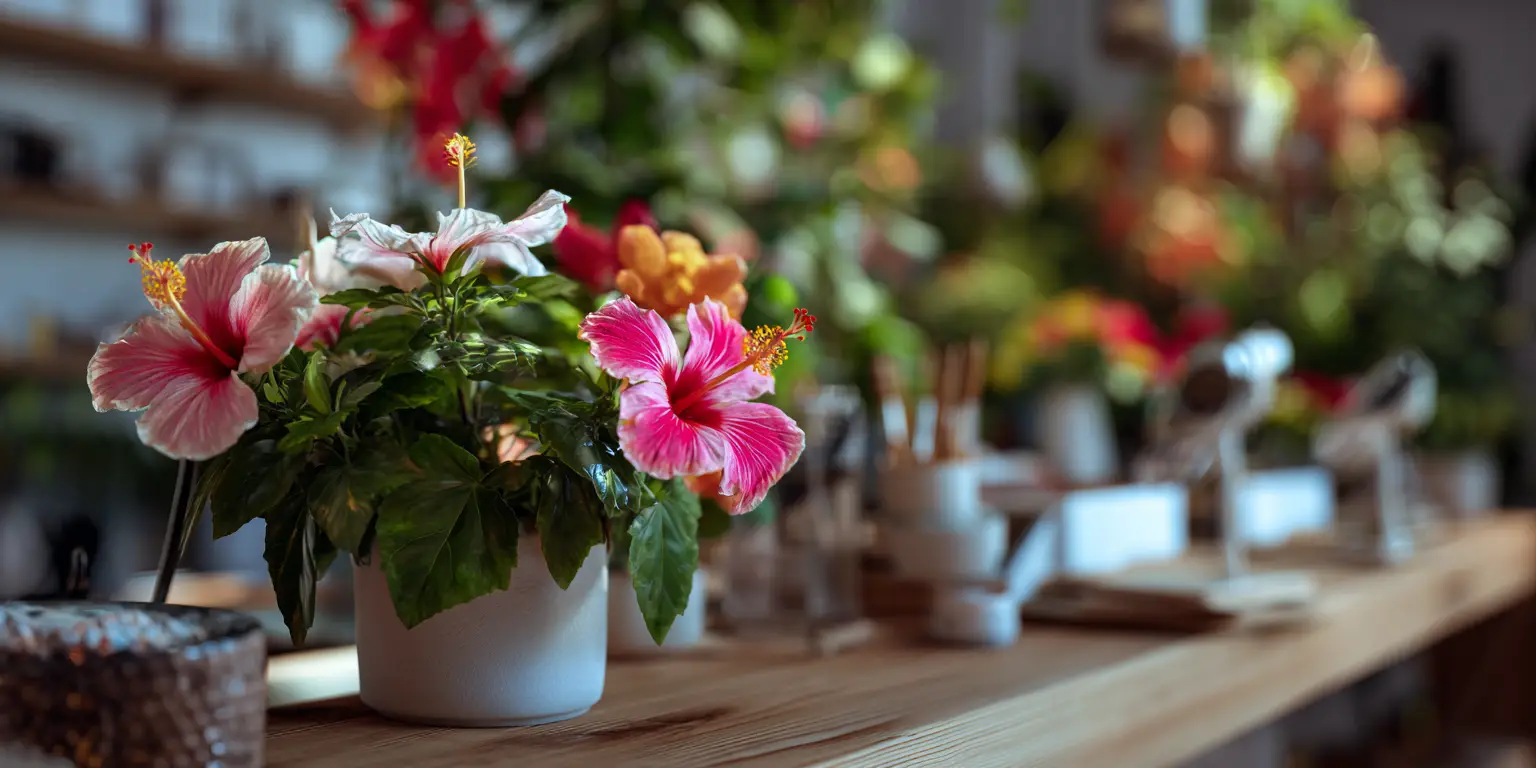
Hibiscus flowers look their best on the plant. As cut flowers, they last a very short time. Most blooms wilt within a day of being picked, which is why florists rarely use hibiscus in standard arrangements.
You can still use hibiscus for short-term decor. Cut blooms early in the morning when they are just opening, place stems in water right away, and keep them out of heat. Some people get a second day by keeping the display cool or using floral preservative, but it is not something to count on. Hardy hibiscus and Rose of Sharon behave similarly when cut. Because of this, hibiscus is often enjoyed on the plant, or used as a one-day accent, for example in hair flowers, leis, or a table setting.
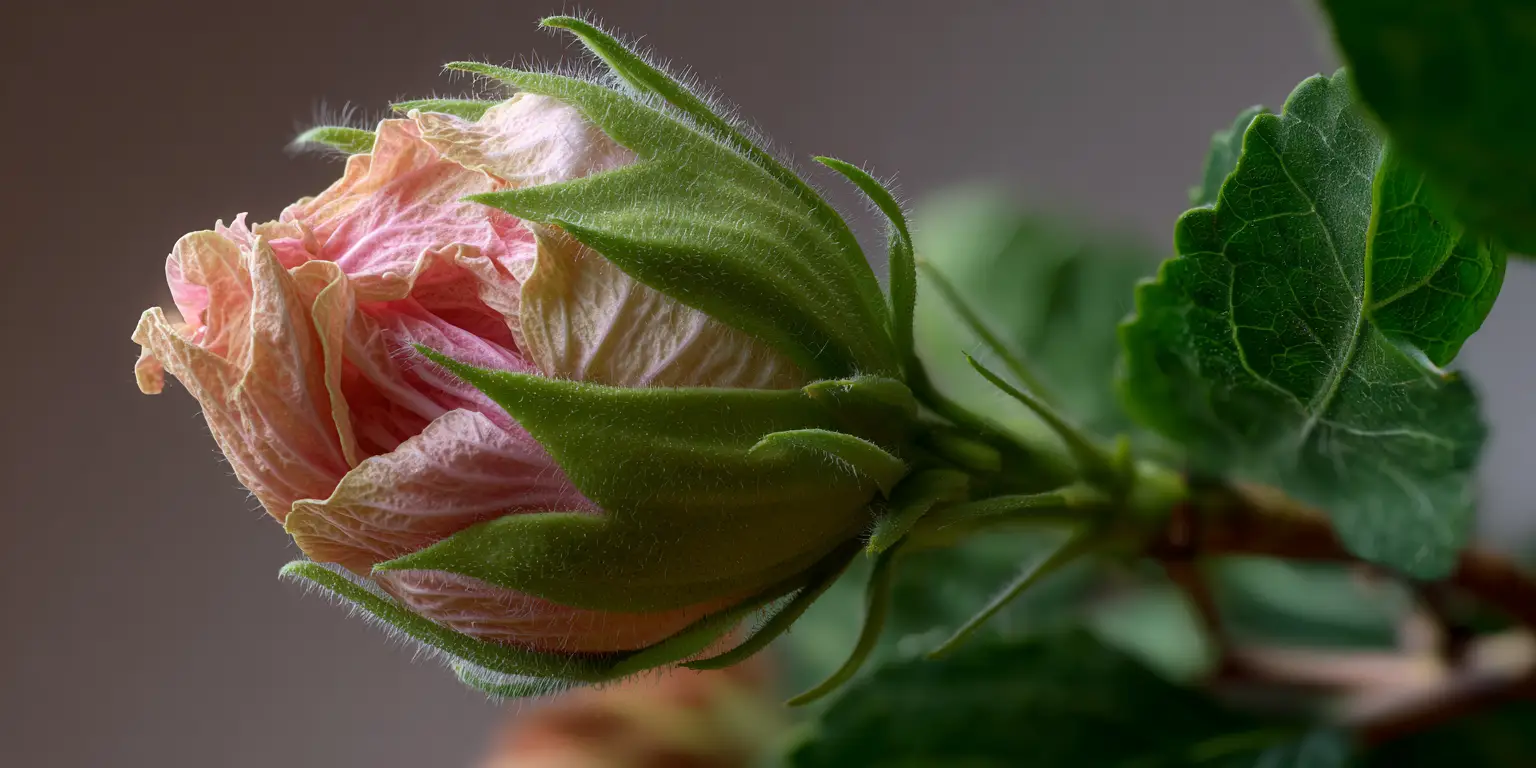
If you like the look of hibiscus in arrangements, unopened buds can add texture. If a bud opens after cutting, it is a bonus, but it does not always happen.
Because hibiscus blooms fade quickly once cut, plan to enjoy them the day you pick them. They work well for floating bowls, hair flowers, or a table accent, and then they are done.
🐛 Pests and diseases
Like many garden plants, hibiscus can deal with pests and diseases. Plants grown with plenty of sun, room for airflow, and steady watering are usually more resilient, but it still helps to know what to watch for.
Common pests on hibiscus include aphids, whiteflies, spider mites, mealybugs, and in some areas Japanese beetles. Aphids gather on new growth and buds and leave sticky residue. Whiteflies flutter up when you disturb the plant and can lead to sooty mold. Spider mites show up in hot, dry conditions and cause fine speckling and sometimes webbing. Mealybugs look like small bits of cotton along stems. Chewing pests can damage flowers and leaves. For light infestations, start with simple steps like rinsing the plant with water, removing badly infested tips, and improving airflow. If you use a pest-control product, choose one labeled for ornamental plants and follow the label directions.
Fungal leaf spots and blights can cause brown or black spotting on leaves, especially in warm, humid conditions or when foliage stays wet. Powdery mildew can show up on Rose of Sharon later in summer, leaving a white coating on leaves. Root rot is often a drainage problem, not a contagious disease, and it is most likely when soil stays waterlogged. In cool, damp weather, spent blooms can sometimes develop gray mold. Viruses are less common, but mottled or ringed leaves can be a sign. In general, prevention works better than rescue: water at the base, avoid crowding, and remove heavily affected leaves.
Check plants regularly, especially the undersides of leaves and fresh growth. Catching an issue early is much easier than dealing with a heavy infestation later. Good cleanup helps too, remove fallen leaves and spent flowers so pests and fungi have fewer places to hang out.
If something does go wrong, hibiscus often recovers once the cause is handled. A plant that lost leaves to mites or aphids can push new growth after conditions improve.
FAQ
Are hibiscus annuals or perennials?
It depends on the type and the climate. Tropical hibiscus (Hibiscus rosa-sinensis) is an evergreen shrub in warm areas, but it is often grown as an annual in cooler regions unless it is brought indoors for winter. Hardy hibiscus (including Hibiscus moscheutos and Rose of Sharon) can return each year in suitable zones.
Can hibiscus survive winter in cold climates?
Hardy hibiscus and Rose of Sharon can survive freezing winters in climates as cold as USDA Zone 4 or 5, depending on the plant and local conditions. Hardy herbaceous types die back and resprout from the roots. Rose of Sharon drops leaves and regrows from its branches. Tropical hibiscus cannot take frost, so it needs indoor shelter or container culture in cold climates.
When and how should I prune my hibiscus?
Timing depends on the type. Tropical hibiscus can be trimmed lightly to shape it, and a stronger prune is often done in late winter or early spring. Rose of Sharon is usually pruned in late winter or very early spring because it flowers on new growth. Hardy herbaceous hibiscus is cut back to the ground after it dies back in fall, or in early spring before new shoots are tall. Use clean, sharp pruners and remove dead, weak, or crossing branches whenever you notice them.
Why are my hibiscus leaves turning yellow?
Yellow leaves usually point to a care issue. The most common cause is water stress, either soil staying wet too long or drying out too hard. Nutrient problems can also show up as yellowing, especially in pots where nutrients wash out faster. Sudden changes in light or temperature, such as moving a tropical hibiscus indoors, can trigger leaf drop. Finally, check for pests like spider mites and for signs of root problems. Adjusting water, feeding, and light usually fixes the issue over time.
Are hibiscus flowers edible?
Some hibiscus is used in food and drinks. Hibiscus sabdariffa (roselle) is used to make tart “hibiscus tea” and other beverages. Petals from common ornamental hibiscus are generally considered non-toxic and are sometimes used as garnish, though the flavor is mild. Only eat flowers from plants that have not been treated with products not labeled for edible use, and try small amounts first.
What does the hibiscus flower symbolize?
Meanings vary by culture. Hibiscus is often associated with delicate beauty, partly because each bloom is short-lived. In some places, hibiscus is also used as a symbol of welcome and hospitality. It is the national flower of Malaysia, and Rose of Sharon is the national flower of South Korea.
Do hibiscus plants attract hummingbirds and butterflies?
Hibiscus flowers can attract hummingbirds, butterflies, and other pollinators because the blooms are large and nectar-rich. Red and orange varieties tend to draw hummingbirds, and butterflies often visit for nectar. If you need to treat pests, use methods that are labeled as pollinator-safe and avoid spraying open flowers.
Interesting tips
- Hibiscus is not a common choice for traditional bouquets because the blooms do not last long once cut. It can still work in tropical or beach weddings as a same-day accent, for example tucked into hair or used in simple table decor that is replaced as it fades.
- Hibiscus has official status in several places. The yellow hibiscus (Hibiscus brackenridgei) is the state flower of Hawaii. The red Chinese hibiscus is the national flower of Malaysia. Rose of Sharon is the national flower of South Korea.
- Hibiscus tea is usually made from Hibiscus sabdariffa, also called roselle. The plant is grown for its fleshy calyxes, which dry into the deep red pieces used for tea. In some cuisines it is also used for syrups and jams. Petals from ornamental hibiscus are sometimes used as garnish and are mild in flavor.
- If you grow tropical hibiscus in a pot and want to keep it from year to year, plan to bring it indoors before frost. A light prune can make the plant easier to move and helps keep it compact. Indoors, put it in the brightest spot you have and water less often than in summer. In spring, move it back outside gradually so the leaves do not scorch.
- Hardy perennial hibiscus often wakes up late in spring. In cooler climates, new shoots may not appear until late May or even early June. Mark the planting spot so you do not disturb it by accident, and give it time once the soil warms.
- To support hummingbirds, plant hibiscus near other nectar plants that bloom through the season. Salvia, bee balm, and trumpet vine are common companions. A mix of flower shapes and bloom times keeps nectar available longer.
- Hibiscus is part of the Malvaceae family. Relatives include hollyhock and common mallows, and even cacao, the plant that produces chocolate. It is a fun family tree, but it does not change the basic care hibiscus needs.
Related Guides & Flowers
- Canna Lily
Bold tropical foliage and large summer flowers that love heat and sun, often planted with hibiscus to build lush resort style borders. - Bird of Paradise
Dramatic orange and blue flowers with a strong architectural shape that echo the exotic mood of hibiscus in poolside and patio plantings. - Lantana
Heat loving shrub with clusters of warm colored blooms that attract butterflies and hummingbirds and pair well with hibiscus in hot dry spots. - Mexican Sunflower
Tall stems with bright orange daisy like flowers that give a fiery tropical accent behind hibiscus and extend color late into the season. - Scarlet Sage
Vivid red flower spikes that draw hummingbirds and work as a lower layer in front of hibiscus shrubs in warm sunny beds. - Butterfly Weed
Compact perennial with orange flowers that support butterflies and match the hot color palette of many hibiscus cultivars in wildlife friendly gardens. - Anthurium
Glossy leaves and waxy heart shaped blooms with a tropical indoor and patio look that fits the same atmosphere as container grown hibiscus.
References
- Hibiscus care for houseplants and gardens University of Minnesota Extension
Short description: Practical guide to hibiscus grown indoors and outdoors covering light needs, soil, pruning, temperature, and common problems. - Hibiscus factsheet Clemson Home and Garden Information Center HGIC 1179
Short description: Detailed overview of the hibiscus genus, including hardy and tropical types, growth habits, landscape use, and basic care recommendations. - Hibiscus rosa sinensis plant profile North Carolina State Extension
Short description: Botanical and horticultural profile of Chinese hibiscus with notes on size, flowers, landscape use, and growing conditions. - Hibiscus and pet safety ASPCA Toxic and Non Toxic Plants list
Short description: Entry for hibiscus that notes non toxic status for dogs, cats, and horses and can support a short pet safety note in the article. - Hibiscus acetosella and hardy hibiscus articles Wisconsin Horticulture Extension Short description: Extension articles that explain ornamental uses of hibiscus species, cold hardiness, foliage interest, and landscape placement, useful for a broader context section.
Written by: Your Flowers Guide editorial team
We are a small independent group of flower lovers who research and review each guide using trusted horticultural and educational sources. Learn more about us