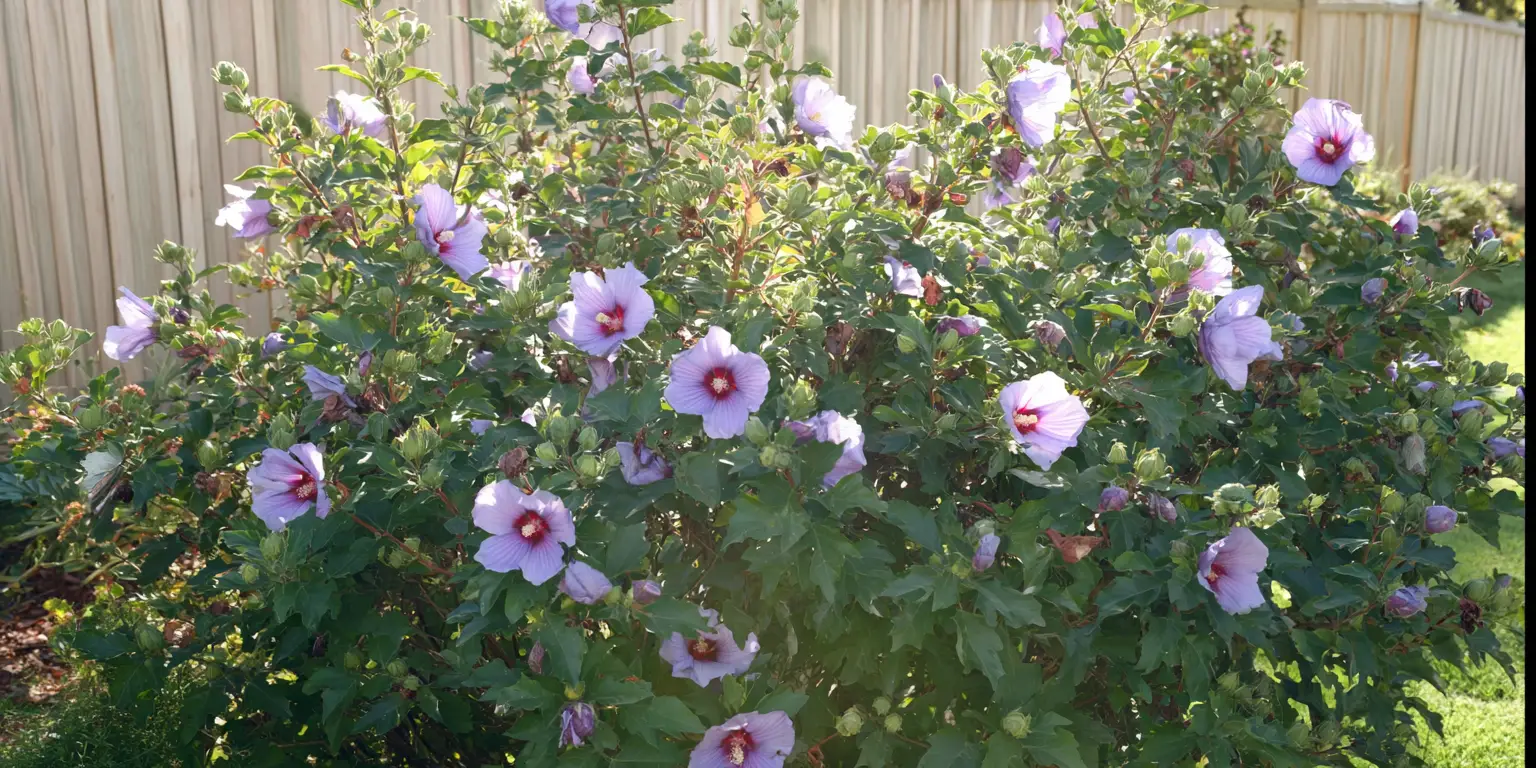
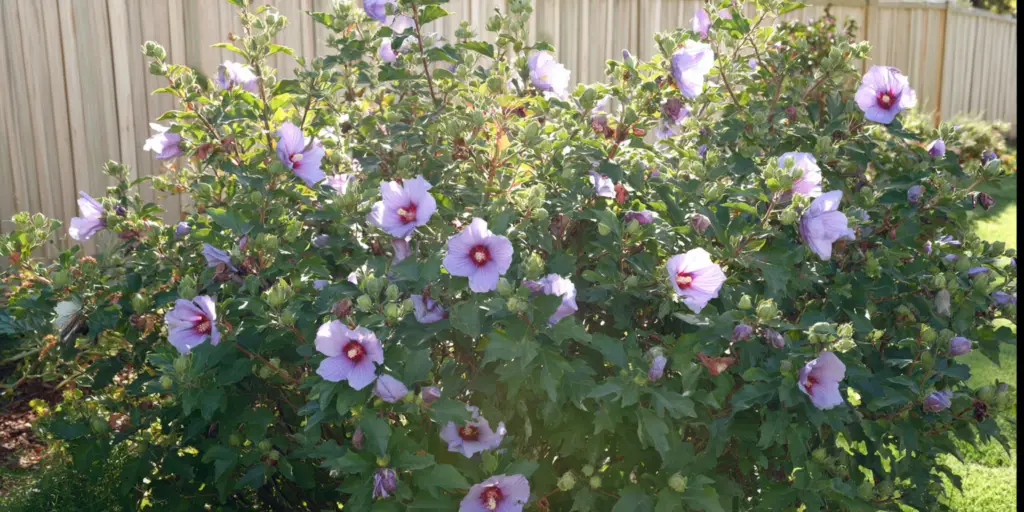
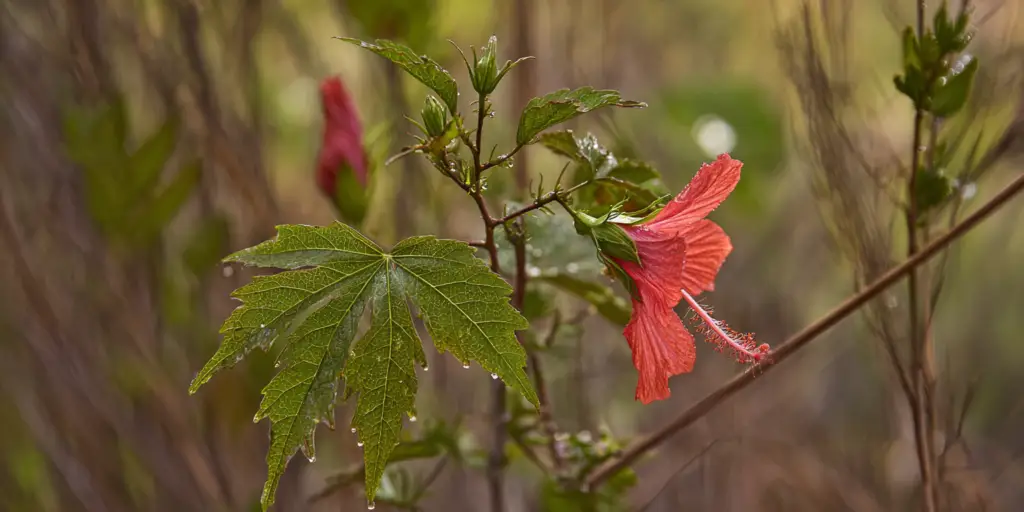
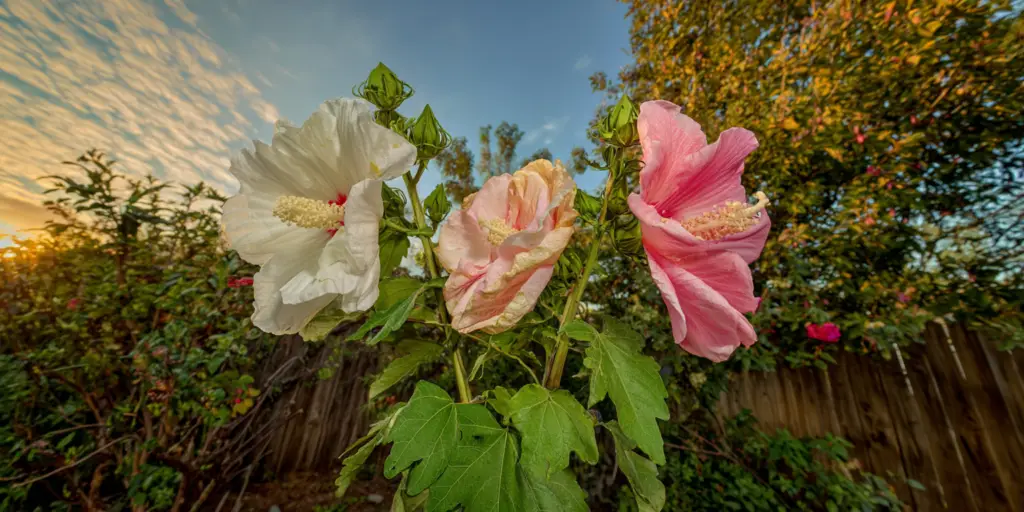
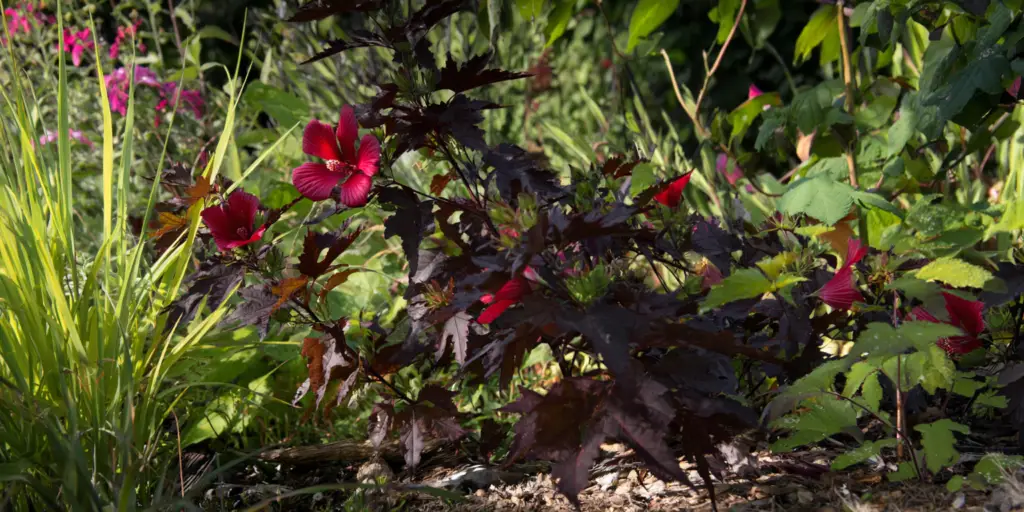
Hibiscus syriacus, the rose of Sharon, is a deciduous shrub for sunny sites. It flowers for weeks from mid summer into fall with 2 to 4 inch blooms on new wood. Established plants tolerate heat, drought, and urban conditions. Full sun and well‑drained soil produce the best flowering and form. Mature plants reach 8 to 12 feet tall with an upright habit for hedges or screens.
At‑a‑glance
Group/Class: Deciduous shrub
Height × spread: 8-12 ft (2.4-3.7 m) × 6-10 ft (1.8-3.0 m)
Bloom window: mid summer to fall
Color & flower form: White, pink, purple, or blue. Single or double. Often with red eye
Fragrance: 0 none
USDA hardiness: zones 5 to 9
Breeder / Year / Origin: unknown. unknown. China and Taiwan
Cut‑flower notes: Cut branches with buds for short displays. Each bloom lasts one day
Pet safety: safe (ASPCA and NC State list non‑toxic). sources differ online
How it differs
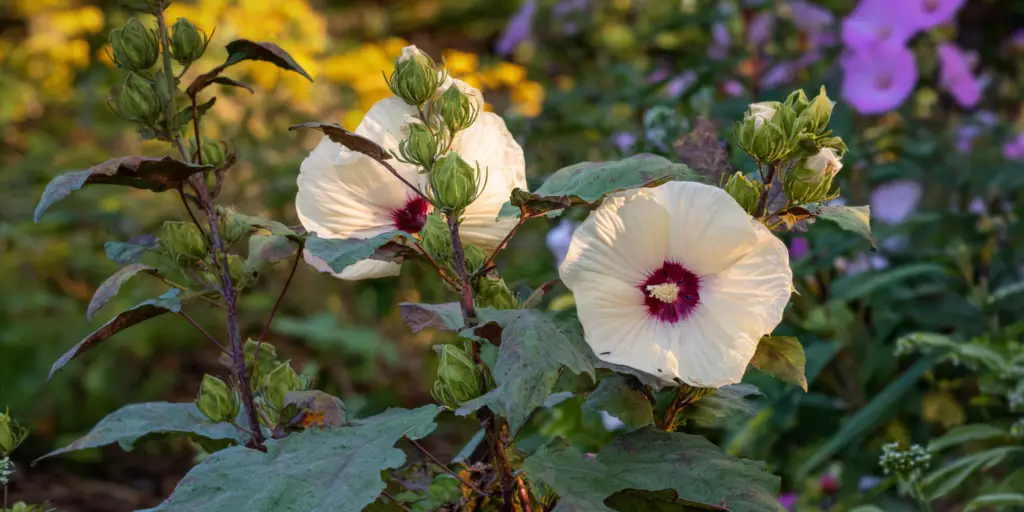
Woody shrub rather than a die‑back perennial.
More drought and salt tolerant than marsh hibiscus.
Smaller blooms but a very long window.
Self‑seeds more readily than most hibiscus.
Strengths
Heat and drought tolerance after establishment.
Flowers on new growth. Pruning is flexible.
Good for hedges and urban plantings.
Attracts pollinators and hummingbirds.
Care in one minute
Site in full sun. Accepts light afternoon shade.
Use average, well‑drained soil. Water to establish then during drought.
Mulch 2 to 3 inches to conserve moisture.
Avoid heavy nitrogen that reduces flowers.
Renewal prune older stems in late winter for vigor.
Watch‑outs
Can self‑seed. Remove seed pods if unwanted.
Prune in late winter or just after bloom to manage size.
Aphids and Japanese beetles may feed on foliage and buds.
Best uses (tags)
hedges, screens, pollinators, urban sites, late season
Provenance note
Native to China and Taiwan. Widely cultivated with many named cultivars.
Written by: Your Flowers Guide editorial team We are a small independent group of flower lovers who research and review each guide using trusted horticultural and educational sources. Learn more about us