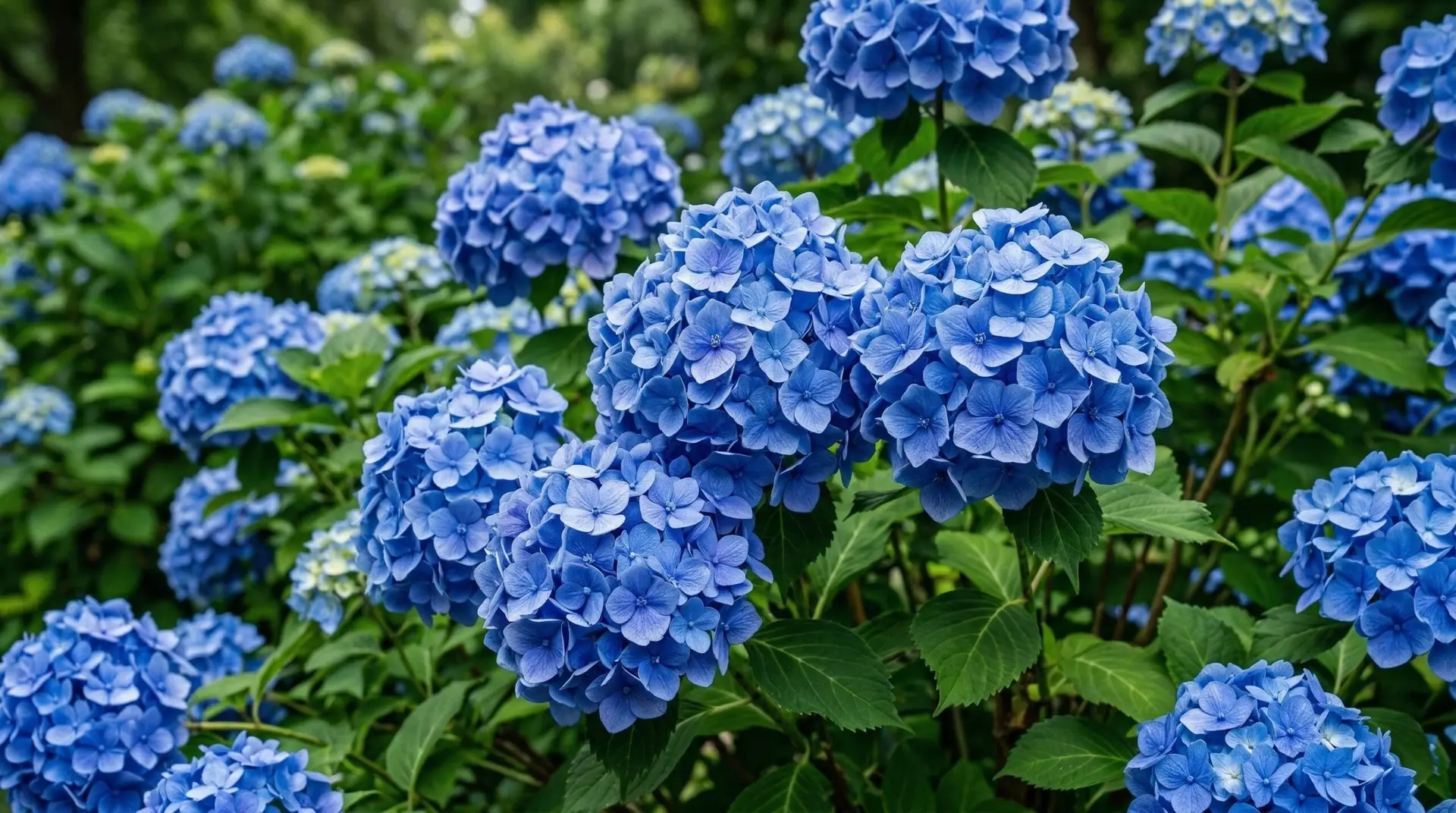
The nursery centers overflow with hydrangea varieties every spring, presenting a chaotic mix of pink, blue, and white blooms. A thoughtful gardener does not need to understand every single cultivar available on the market today. Instead, the goal is to select the specific plants that solve actual landscape problems while delivering consistent color year after year. The best hydrangeas fall into a few distinct categories, primarily the classic bigleaf types, the durable smooth varieties, and the sun-loving panicles. By narrowing the field to a handful of exceptional performers, we can avoid the common pitfalls of weak stems, frost-damaged buds, and disappointing bloom cycles. This curated approach skips the mediocre plants and focuses entirely on varieties that earn their space in the garden.
For decades, the standard for blue garden blooms was the classic ‘Nikko Blue’ hydrangea. This traditional bigleaf variety produces large, globe-shaped flowers that respond well to soil acidity, but it carries a significant flaw for gardeners outside of mild climates. ‘Nikko Blue’ blooms entirely on old wood, meaning a harsh winter or a late spring frost will destroy the flower buds and leave the shrub entirely green for the season. The introduction of the ‘Endless Summer’ hydrangea changed this dynamic by offering flowers on both old and new wood. This reblooming trait meant that even if the winter killed the older buds, the plant would push new growth and still produce flowers by late summer. Many guides still point to the original ‘Endless Summer’ as the ultimate choice, but its newer iterations and competitors actually offer better performance in the landscape. Gardeners often find that the original version produces weak stems that flop under the weight of heavy rain.
While the original reblooming varieties broke new ground, the ‘Let’s Dance’ series is a clear upgrade for the modern garden. These newer bigleaf hydrangeas were bred specifically to address the weak stems and inconsistent blooming that sometimes plague older rebloomers. The stems on a variety like ‘Let’s Dance Can Do’ are thick and sturdy, holding the heavy flower heads upright even after a heavy summer rain. They also set buds along the entire length of the stem rather than just at the tips, which results in a much higher flower count. If you are planting in a woodland edge alongside a traditional camellia, the strong structure of these modern mopheads provides a perfect visual anchor. Choosing a ‘Let’s Dance’ variety over older bigleaf cultivars guarantees a more reliable display of color with significantly less frustration. The foliage remains clean and disease-resistant throughout the humid summer months, adding quiet value even when the plant is resting between bloom cycles.
Contents 3 sections
Reliable alternatives to bigleaf varieties
Gardeners who struggle with winter dieback on bigleaf hydrangeas should turn their attention to the native smooth hydrangea, Hydrangea arborescens. The historic standard in this category is ‘Annabelle’, a plant famous for producing massive white flower heads that light up shady corners. The problem with ‘Annabelle’ is its delicate stem structure, which inevitably collapses under the weight of its own flowers after a rainstorm. The clear solution is ‘Incrediball’, a carefully selected improvement that produces even larger white blooms on exceptionally rigid stems. This variety takes the exact aesthetic appeal of ‘Annabelle’ and fixes its only mechanical flaw, making it a permanent fixture in well-planned gardens. The smooth hydrangeas bloom entirely on new wood, so you can cut them back completely in late winter and still enjoy a full flush of massive white flowers by midsummer. This straightforward pruning requirement removes the guesswork that often intimidates novice gardeners dealing with traditional mopheads.
Sun tolerance and late season structure
Most hydrangeas require protection from the harsh afternoon sun, but the panicle hydrangeas thrive in full light. ‘Limelight’ is the absolute standard in this category, offering cone-shaped flowers that open a cool celadon green before transitioning to white and eventually taking on dusty pink tones in autumn. Unlike the shade-loving mopheads, panicle hydrangeas build a woody, tree-like structure that can reach eight feet tall if left unpruned. This substantial size makes ‘Limelight’ an excellent choice for a dense summer hedge or a large specimen plant at the back of a border. They are practically immune to the winter bud damage that ruins bigleaf hydrangea displays, as they form all their flower buds on fresh spring growth. The upright, rigid branches hold the large flower cones high above the foliage, creating a clean and architectural silhouette that lasts well into the winter months. Leaving the dried flower heads intact through December provides excellent winter interest and catches the frost beautifully.
The overlooked elegance of lacecaps
While mophead and panicle varieties dominate nursery displays, the lacecap hydrangeas offer a refined alternative that many gardeners overlook. Instead of a solid ball of sterile petals, a lacecap flower has a flat center of tiny fertile flowers surrounded by a ring of larger showy sterile florets. This delicate structure feels much more natural in a woodland setting than the heavy, dense globes of a standard macrophylla. Varieties like ‘Twist-n-Shout’, which is part of the Endless Summer collection, provide this elegant flower form along with the reliable reblooming traits of modern cultivars. The open center of a lacecap bloom actively attracts bees and butterflies, making it a highly functional choice for a pollinator friendly landscape. Pairing a lacecap hydrangea with an early blooming azalea ensures a steady sequence of interest in the dappled shade of a tree canopy. The flat flower heads also shed heavy rain much more effectively than mopheads, keeping the shrub looking pristine after summer storms.
After evaluating the vast array of available hydrangea varieties, the smooth hydrangea ‘Incrediball’ is the most practical choice for the majority of gardens. It bypasses the complex pruning rules and winter hardiness issues that complicate the cultivation of bigleaf varieties. The massive white flowers act as a neutral element in garden design, easily bridging the visual gap between brightly colored perennials and dark green evergreens. The exceptionally strong stems keep the plant looking tidy and deliberate through heavy rains and strong winds. It demands very little from the gardener while delivering a massive, reliable floral impact every single year. While the blue and pink hues of the classic mopheads will always hold a certain appeal, the structural integrity and sheer dependability of a premium smooth hydrangea cannot be matched. For anyone looking to plant a hydrangea that guarantees success without the need for winter protection or specialized soil amendments, ‘Incrediball’ is the definitive selection.
More About Hydrangea macrophylla
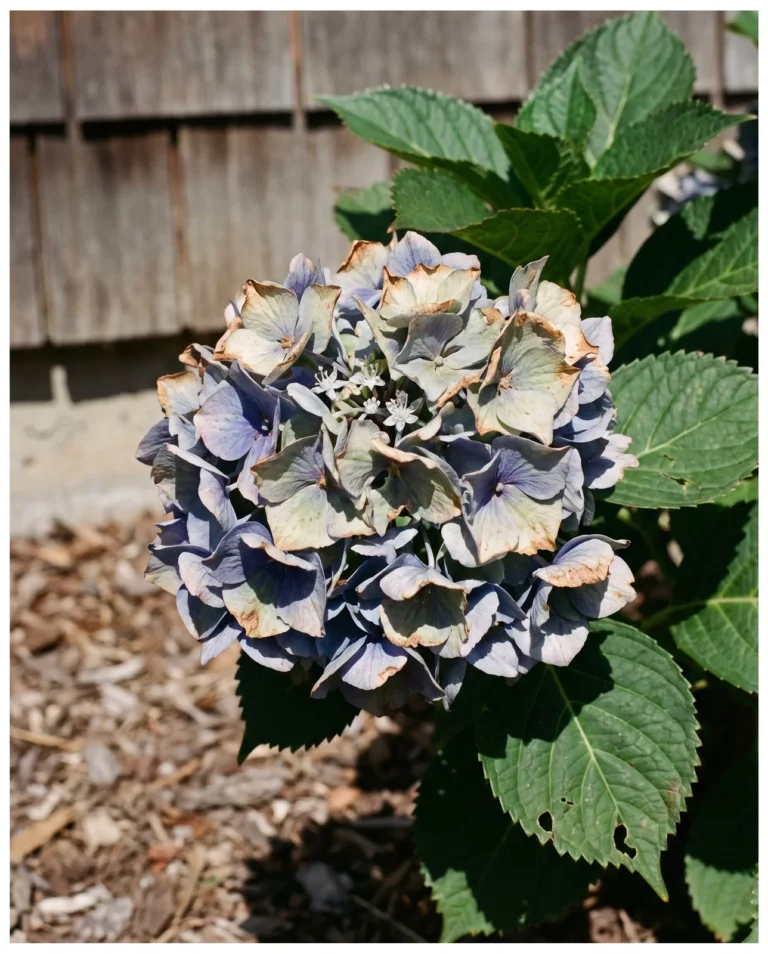
How to dry hydrangeas without losing their color
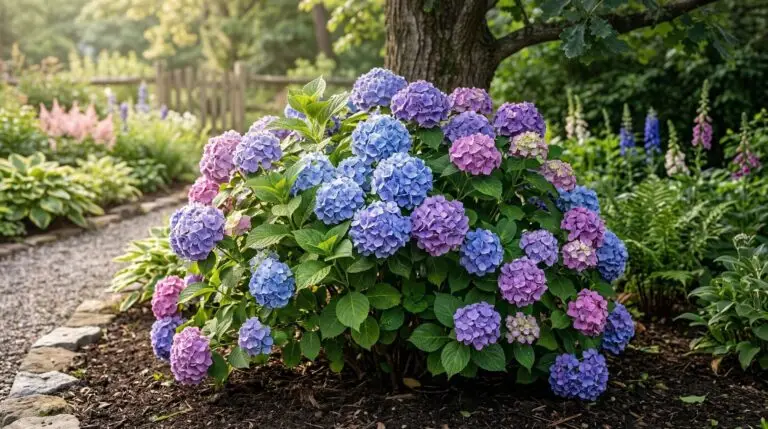
How to grow hydrangeas for massive flower heads that dominate the summer garden
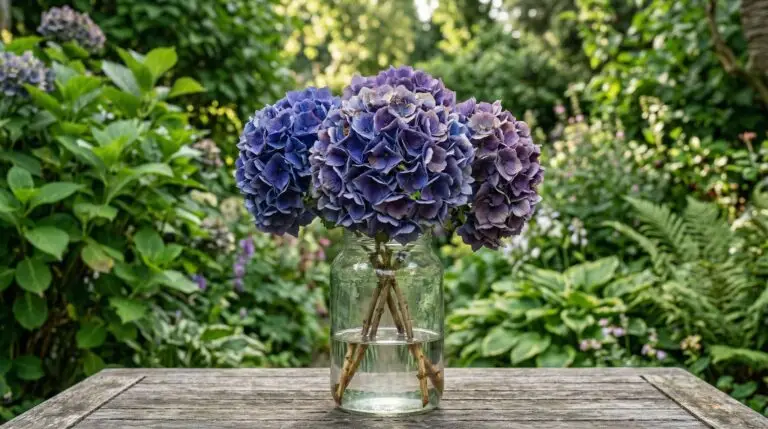
Drying hydrangea flowers for beautiful arrangements that capture summer all year
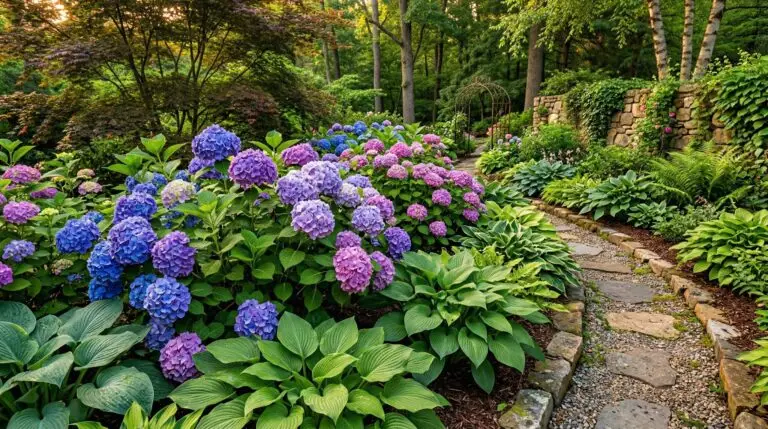
Companion plants for hydrangeas: what to grow and avoid
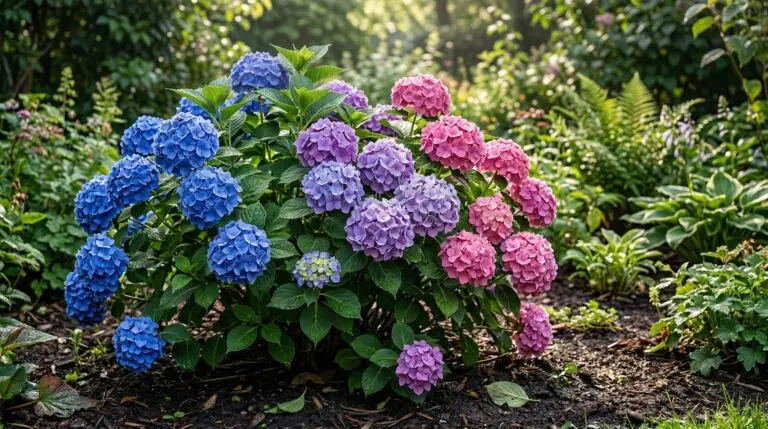
How to change hydrangea color from pink to blue and the soil science behind it
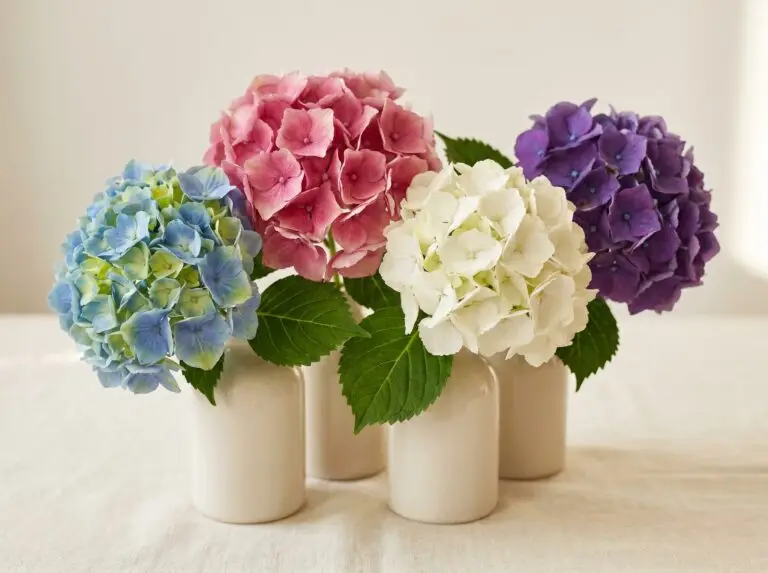
Hydrangea meaning, by colour and across the centuries, honestly explained
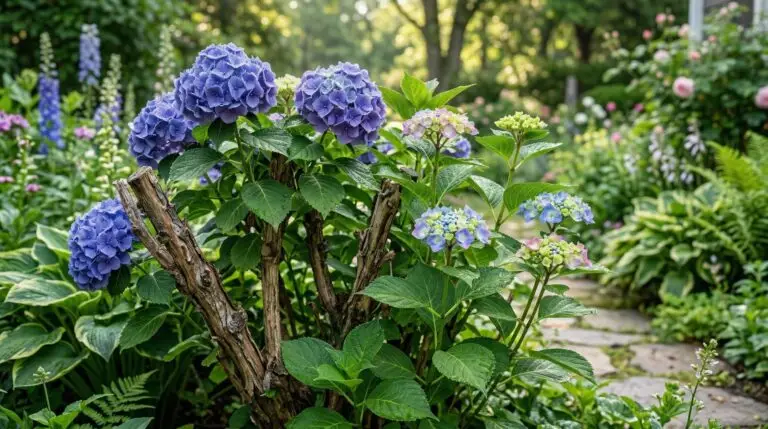
Why hydrangeas do not bloom and the pruning mistakes that remove all the flower buds
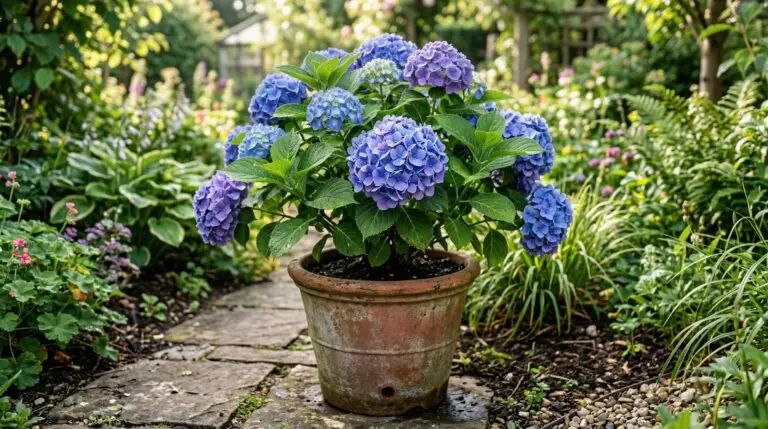
Growing hydrangeas in containers for stunning patio and doorstep displays
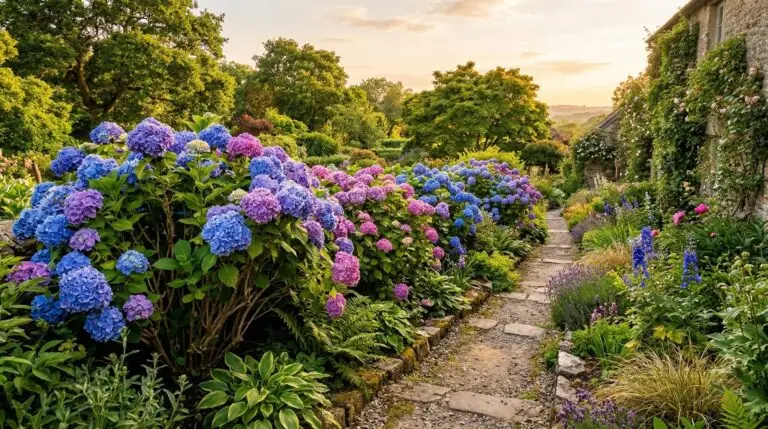
Pruning hydrangeas correctly and which type you have determines when you cut
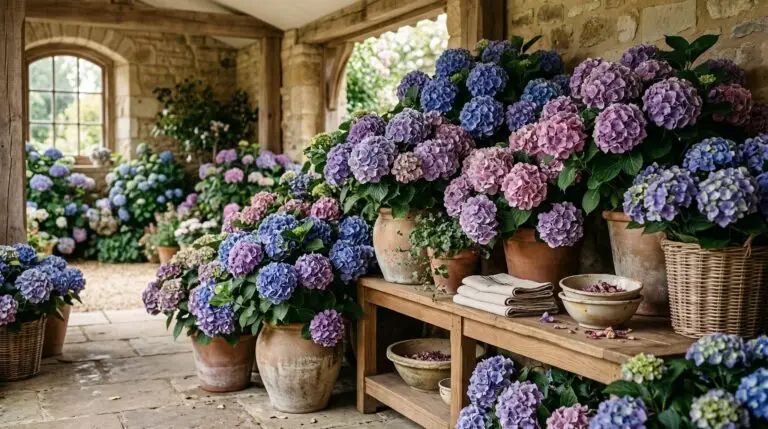
Hydrangeas in wedding flowers and why brides love these lush romantic blooms
Enjoying our flower guides? Add YourFlowersGuide as a preferred source on Google. It helps more readers find us.
Add to Preferred Sources