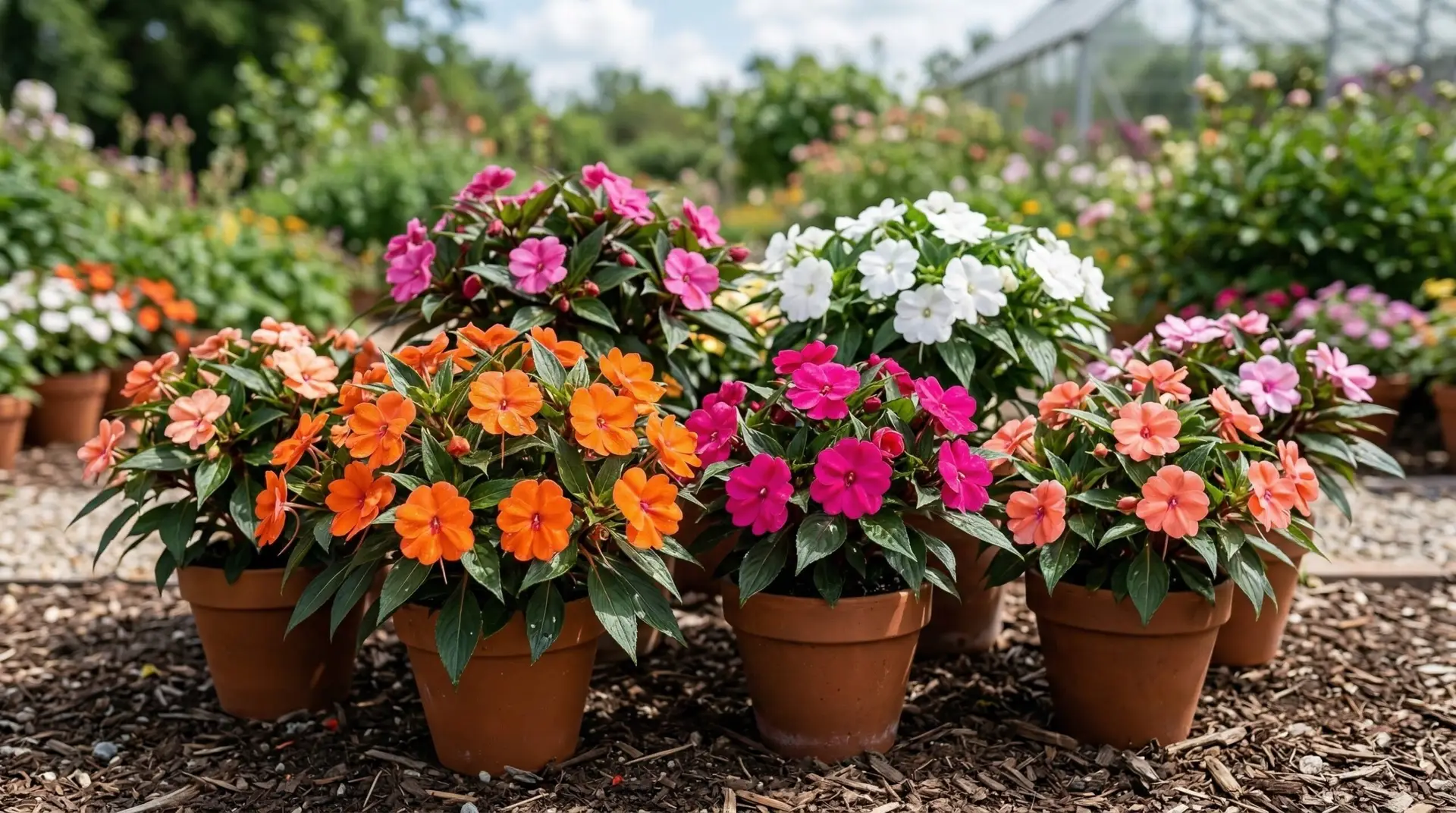
Gardeners looking to fill their flower beds with continuous, reliable color often turn to impatiens. For decades, these low-growing plants have been the standard solution for brightening up dark corners, under tree canopies, and along shaded walkways. When you visit a local nursery in the spring, you are usually greeted by flats of these familiar shade lovers in almost every color imaginable. The situation gets complicated when your garden design crosses out of the shadows and into direct sunlight. A plant that thrives in the cool, damp shade will usually collapse when exposed to the harsh afternoon sun. This creates a dilemma for anyone who wants a uniform look across both shaded and sunny zones of their yard.
Plant breeders recognized this problem and eventually developed a solution by crossing different species together. The result of this work is the SunPatiens, an interspecific hybrid designed specifically to handle the bright light and heat that would destroy traditional varieties. Choosing between SunPatiens vs impatiens comes down to understanding the specific microclimates in your yard and how much space you need to fill. Both plants offer mounding habits and non-stop blooms from spring until the first frost. The right choice depends entirely on your sun exposure, your watering habits, and your budget for annual flowers.
Contents 4 sections
Traditional impatiens belong in the shade
The standard bedding impatiens, botanically known as Impatiens walleriana, is a soft-stemmed annual that rarely exceeds fifteen inches in height. These plants produce flat, five-petaled flowers that cover the foliage almost entirely when grown in the right conditions. You can find them in pure white, soft pinks, vivid magentas, deep reds, and various bi-color patterns. Their leaves are relatively thin, smooth, and light green, which is a physical trait that makes them highly susceptible to moisture loss. Because of this thin foliage, standard impatiens simply cannot regulate their internal temperature or retain water when exposed to direct, hot sunlight. If you plant them in a sunny spot, they will wilt dramatically by noon, even if the soil is completely saturated.
Beyond their strict need for shade, standard impatiens have faced significant disease pressure in recent years. A water mold called downy mildew swept through gardens across the country, causing traditional impatiens to lose their leaves and collapse completely. Breeders have recently introduced new seed lines that resist this disease, bringing the classic shade impatiens back to garden centers safely. When grown in dappled light or full shade, these traditional plants remain one of the most cost-effective ways to create large sweeps of color. You can buy them in economical six-packs, making it easy to plant dozens of them without spending a lot of money. They are also perfectly sized for small hanging baskets, narrow window boxes, and tight borders along shaded pathways.
SunPatiens thrive under direct sunlight
SunPatiens represent a completely different approach to garden performance, bred specifically to break the shade barrier. Breeders created this line by crossing traditional impatiens with New Guinea impatiens, resulting in a hybrid that inherits the best traits of both parents. The most obvious physical difference is the foliage, which is much thicker, darker, and more rigid than the leaves of standard shade varieties. This thick leaf structure allows the plant to tolerate high heat and bright light without losing excessive moisture to evaporation. As a result, you can plant impatiens for sun directly in south-facing beds that receive eight or more hours of harsh summer sunlight. They will stand tall and continue blooming through July and August heat waves that would normally require tough, drought-tolerant plants like lantana.
The growth habit of SunPatiens is also significantly more vigorous than their traditional counterparts. A single plant can easily grow two to three feet tall and just as wide by the end of the summer, depending on the specific series you choose. The breeders divide them into compact and vigorous categories, but even the compact versions will outgrow a standard shade impatiens. Their root systems are incredibly robust, driving deep into the soil to support the massive above-ground growth and constant flower production. Because they are sterile hybrids, they do not waste energy producing seeds, which keeps them blooming relentlessly without any need for deadheading. This aggressive growth means you need far fewer plants to fill a planting bed, which helps offset their higher initial purchase price.
Comparing water and maintenance needs
While SunPatiens can handle the heat and light of full sun, that tolerance comes with a specific demand for water. A large, fast-growing plant sitting in direct sunlight will pull a tremendous amount of moisture from the soil every single day. If you plant SunPatiens in large patio containers, you will likely need to water them daily during the peak of summer. They are not drought-tolerant succulents, and they will wilt if the soil dries out completely, though they recover remarkably fast once watered. Traditional impatiens, growing in the cool shade, generally require less frequent watering simply because their environment does not evaporate moisture as quickly. However, standard impatiens are much less forgiving if they do dry out, often suffering permanent leaf scorch or dropping their buds entirely.
Fertilizer requirements also differ between these two options because of their distinct growth rates and sizes. Standard impatiens are relatively light feeders that do well with a basic slow-release fertilizer mixed into the soil at planting time. If you feed them too heavily, especially with high-nitrogen formulas, they tend to produce a lot of green leaves at the expense of their flowers. SunPatiens, on the other hand, are heavy feeders that need consistent nutrition to support their massive size and continuous blooming in the sun. You will get the best results by using a slow-release granular fertilizer at planting and supplementing with a liquid feed every few weeks. If you are used to the low-maintenance feeding schedule of standard shade plants, the extra fertilizing required for these sun-loving hybrids might be an adjustment.
Choosing the right plant for your garden space
Making the final decision between these two plants requires an honest assessment of your yard conditions and your goals. If your property is heavily wooded or you are planting on the north side of a building, traditional impatiens are the logical choice. They are specifically adapted to low-light environments and will provide excellent color coverage for a fraction of the cost. Standard impatiens are also the better option if you are planting in small, shallow containers where a massive hybrid would quickly become root-bound. You might also consider mixing them with shade-loving begonias to create varied textures in an entirely shaded garden bed. There is simply no reason to pay the premium price for SunPatiens if you are only planting in deep shade.
Alternatively, if you have a wide-open yard with full sun exposure, SunPatiens are exactly what you need. They are ideal for gardeners who want the classic, mounding look of impatiens but do not have the tree cover to support the traditional varieties. These large hybrids are also perfect for massive planting beds where you want to plant once and let the plants fill in the gaps quickly. If you want to create large, mixed containers for a sunny patio, SunPatiens have the size and presence to compete with trailing petunias and other vigorous sun lovers. By matching the specific variety to your light levels and container sizes, you can ensure healthy plants and continuous color all season long.
More About Impatiens
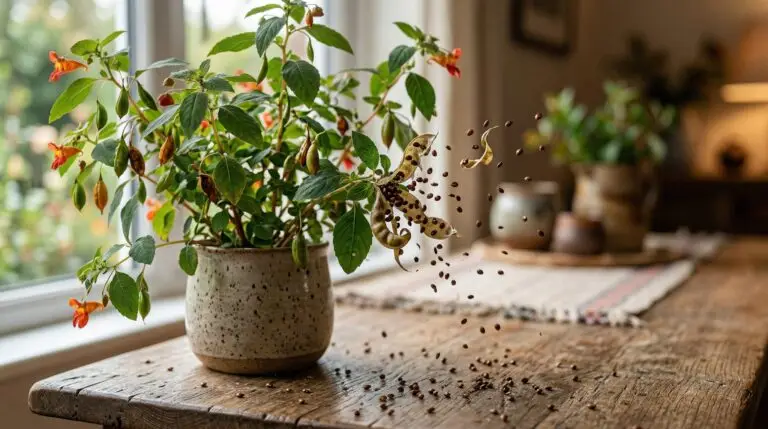
How impatiens seed pods explode and the fun of growing touch-me-nots from seed
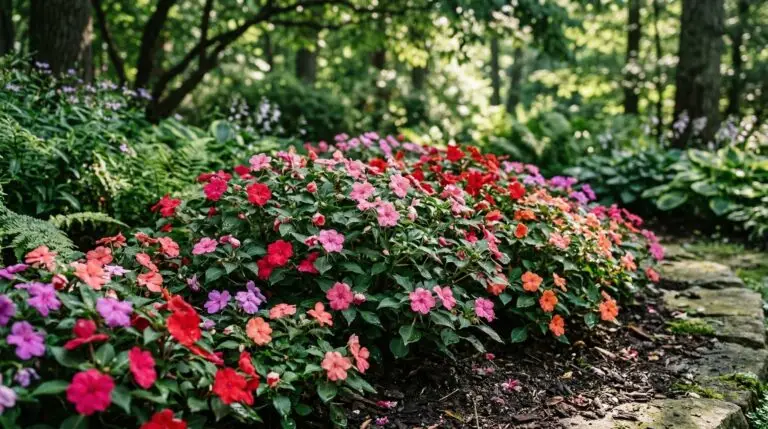
How to grow impatiens for non-stop color in shady spots where nothing else blooms
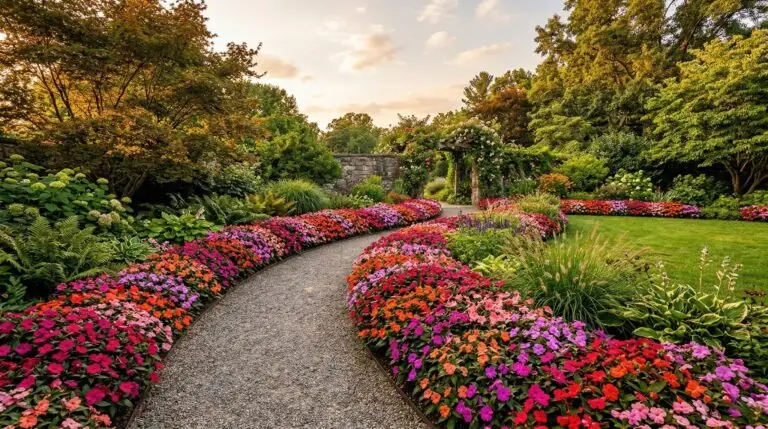
Mass planting impatiens for dramatic sweeps of color under trees and along walkways
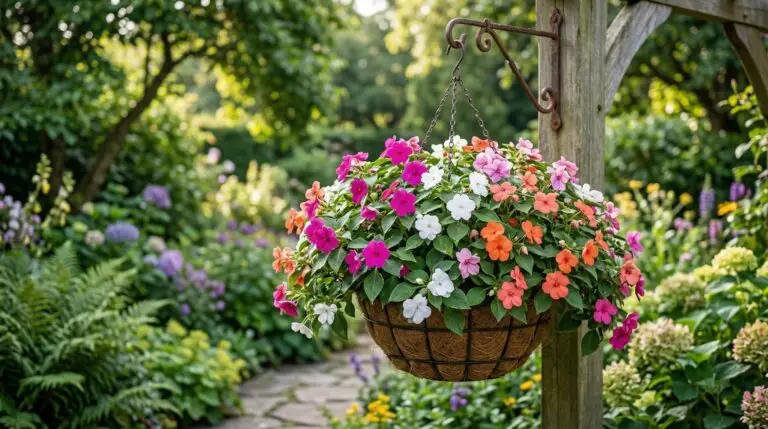
Growing impatiens in hanging baskets for cascading color on porches and patios
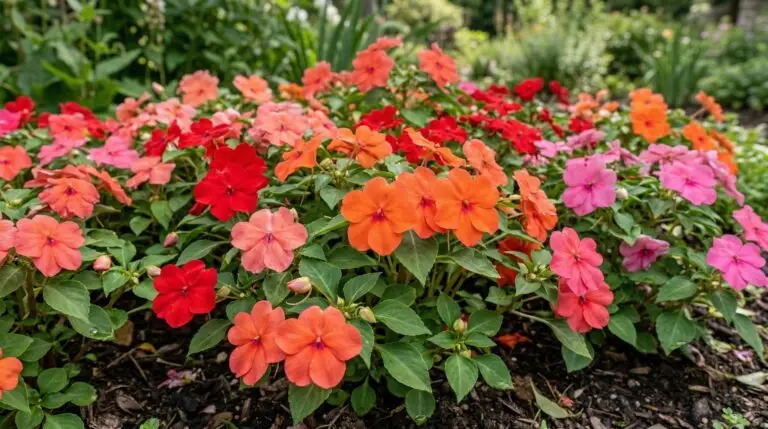
Best impatiens varieties from classic walleriana to exotic New Guinea hybrids
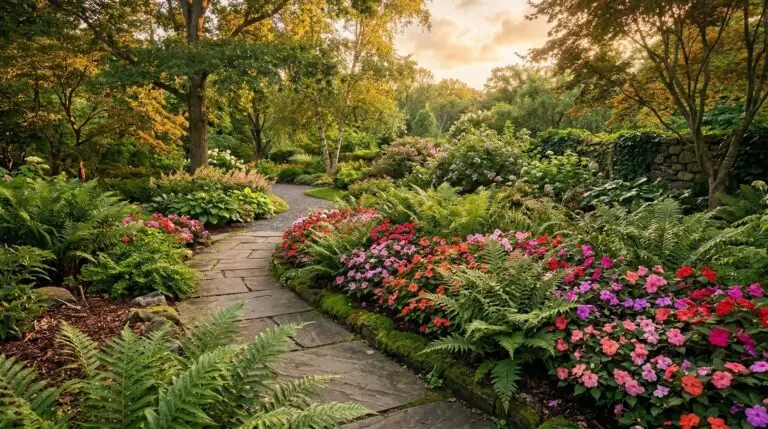
Companion plants for impatiens: what to grow, what to avoid
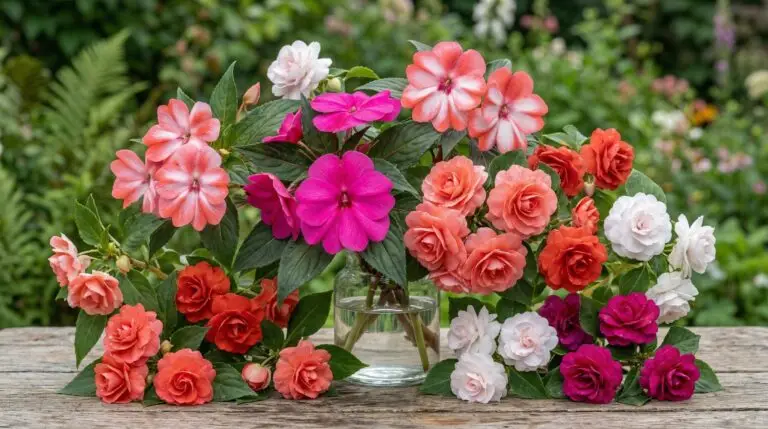
New Guinea impatiens for bigger bolder flowers with colorful foliage in partial shade
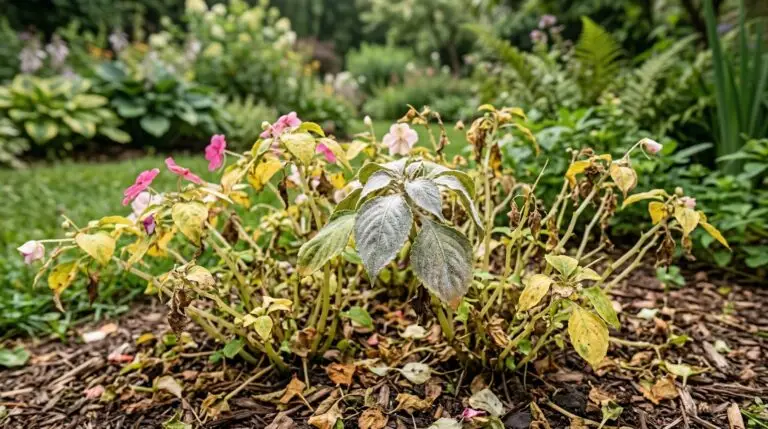
Impatiens downy mildew disease and the new resistant varieties that saved this flower
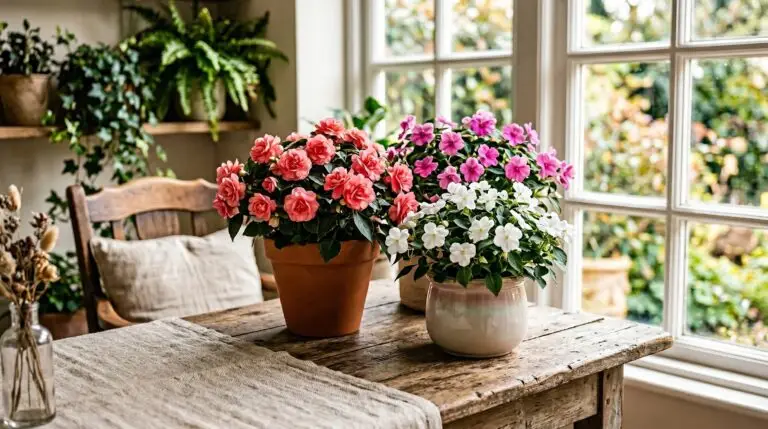
Double impatiens that look like tiny roses for an unexpected twist in shade gardens
Enjoying our flower guides? Add YourFlowersGuide as a preferred source on Google. It helps more readers find us.
Add to Preferred Sources