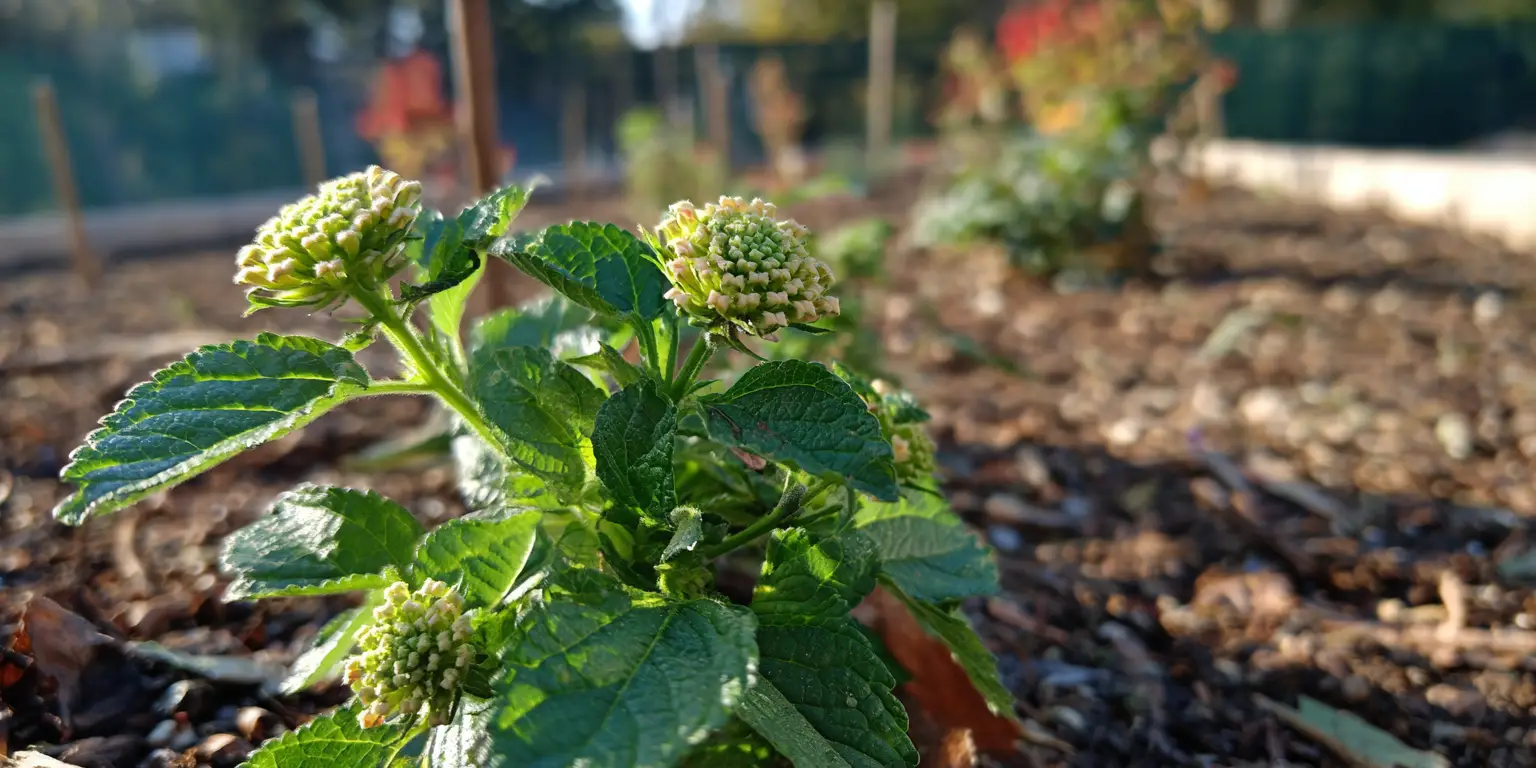
How to Grow and Care for Lantana
Contents
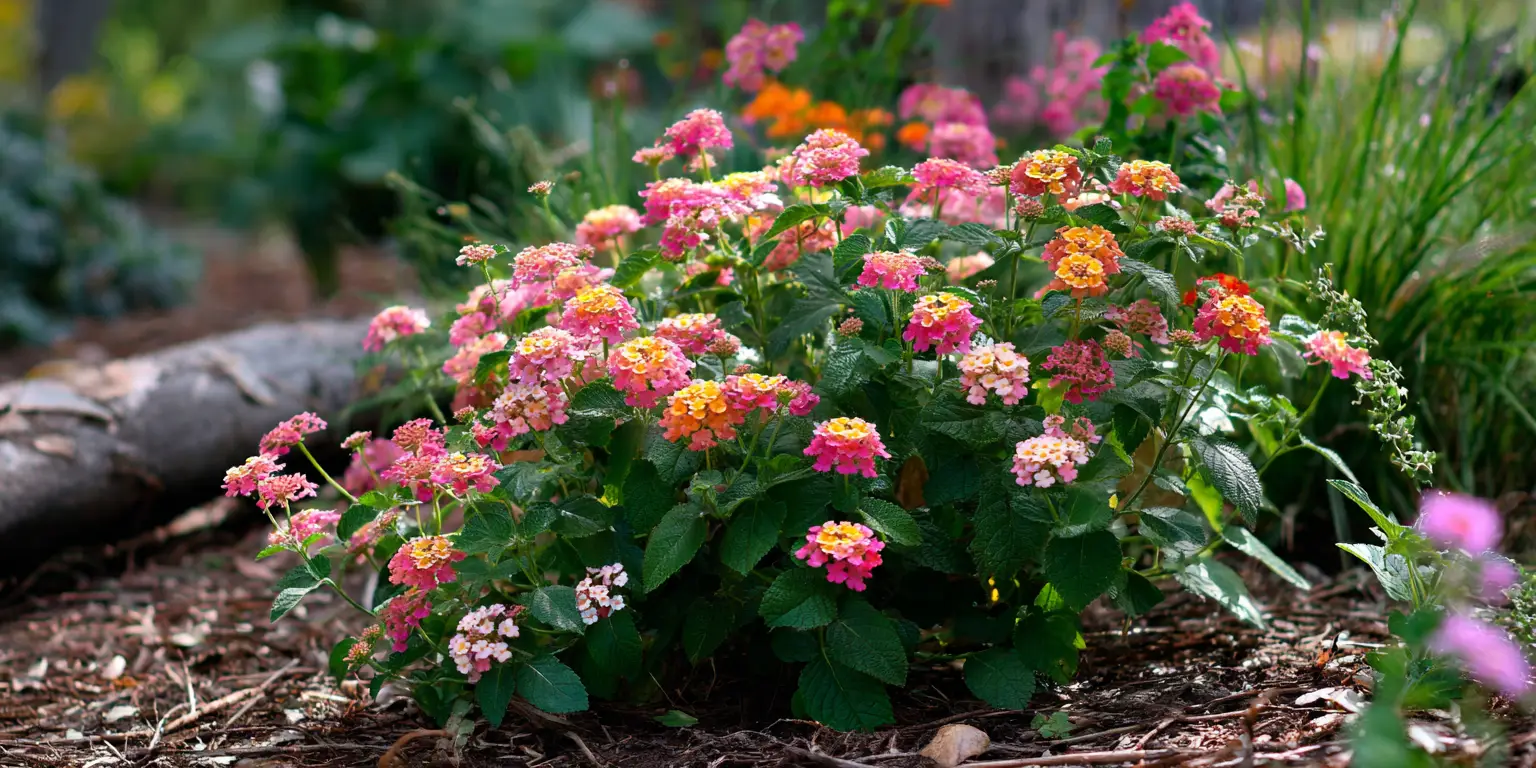
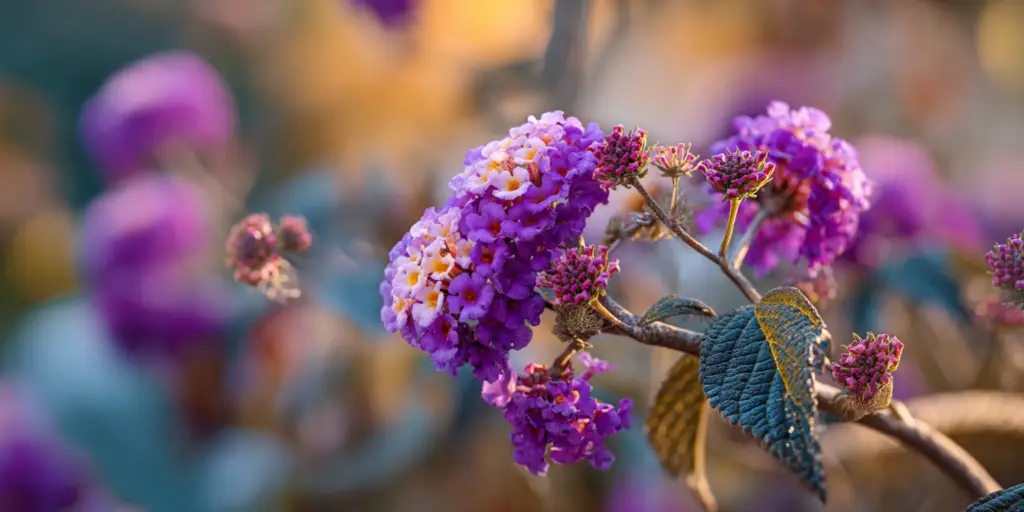
Lantana, most often sold as Lantana camara L., is a sun loving shrub or subshrub grown across much of the United States for nonstop color and tough performance. You also see trailing forms labeled as Lantana montevidensis and selections or hybrids between these species. Common names include shrub verbena and lantana. Flowers open in warm clusters that shift color as they age, which draws butterflies and hummingbirds from spring through frost. Foliage is aromatic when brushed. In frost free regions lantana behaves as a perennial. In colder zones it is usually treated as an annual or overwintered under cover.
Lantana thrives where summers are hot and days are bright. Give it full sun for at least six to eight hours daily and a well drained bed or container. Once established it tolerates heat and periods of drought. Success with lantana is straightforward. Start with a sunny site and fast draining soil. Plant at the right time for your USDA zone. Water to establish then let the soil dry slightly between deep waterings. Prune to keep plants compact and blooming.
Soil & Bed Preparation
Lantana accepts many textures from sandy loam to light clay as long as drainage is brisk. The fastest path to happy roots is a bed that drains excess water within a few hours after a soaking. Blend in coarse organic matter such as composted bark or leaf mold to loosen compacted ground. Avoid heavy peat alone since it can hold water too long in rainy spells yet repel water when bone dry. Gardeners in very clayey soils get the best results by building wide raised beds that lift crowns above winter wet conditions. Aim for a slightly acidic to neutral reaction. A target of pH 6.0 to 7.0 works well, and lantana tolerates up to about 7.5 where soils are calcareous. If a lab test shows pH above the mid sevens, expect minor iron chlorosis in spring. Correct with chelated iron and more organic matter. If pH is below 6.0, a light garden lime application can bring it into range. Always rely on a soil test before amending. Retest every two to three years, or any time plants show persistent yellowing unrelated to watering. A baseline of three to five percent organic matter supports healthy soil biology. That level is enough for water holding without causing soggy conditions. Incorporate one to two inches (2.5 to 5 cm) of mature compost across the bed and blend into the top eight to ten inches (20 to 25 cm). In sandy soils that dry quickly, add composted pine bark or fine gravel for structure that holds some moisture yet still drains. Raised beds offer the most control where native soils are very tight or very shallow. Keep bed sides low so roots can spread into native soil over time. In naturally sandy regions, in ground planting is usually simplest. If your site puddles after rain, switch to raised beds or use containers with large drainage holes. Dig a hole twelve inches deep and twelve inches wide. Fill it with water and let it drain completely. Refill to the brim. If the second fill drains in under four hours your drainage is suitable. If water remains after eight hours, improve the site with raised beds or choose containers. For pH, submit a soil sample to your county Cooperative Extension office. Request recommendations for ornamental shrubs and specify lantana if your form allows notes. Follow the lab rate to raise soil toward pH 6.0 to 7.0 or to correct high pH with elemental sulfur over time.
Planting Calendar by USDA Zone
Zones 9 to 11. Plant lantana outdoors in mid spring once soils warm and the danger of a rare late frost has passed. In frost free coastal and Southern sites you can also plant in fall so roots expand during the cool season. Space fall plantings at the same distances you would use in spring. In hot tropical summers transplant in the late afternoon and water that evening to reduce stress.
Zone 8. Wait until after the last average spring frost date for your county. This often means late March to mid April for the Deep South and late April to early May for the Mid South. If you experience a late cold snap, cover new transplants with breathable frost cloth for the night and remove the cover each morning. In very warm Zone 8b areas you can fall plant container grown lantana in September so long as the forecast shows mild nights for two or more weeks.
Zones 6 to 7. Treat lantana as a warm season annual. Plant one to two weeks after the last frost date when nights hold above 55 °F (13 °C). Containers can be set out earlier than in ground beds since pots warm faster, but be ready to move them under cover during a cold outbreak. In the Mid Atlantic and lower Midwest, this window often falls from early May to late May. In New England and the northern Midwest, it often runs from late May to early June.
Zones 3 to 5. Use containers or sheltered south facing beds. Plant after the last frost date and once night temperatures are consistently above 55 °F (13 °C). In short season climates choose compact early blooming cultivars and position containers on warm patios or near reflected heat to extend the show. Bring potted plants indoors before the first predicted frost for overwintering.
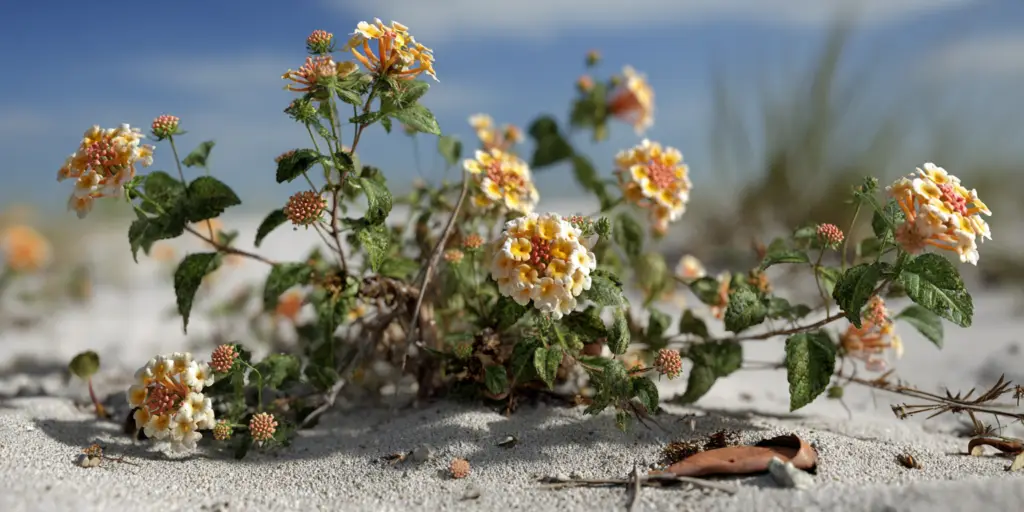
Special regional notes. In humid Gulf Coast summers provide maximum sun plus steady airflow. In arid deserts water deeply but less often, using mulch to moderate soil heat. In coastal areas with wind and salt spray, lantana is a strong choice, especially trailing forms on banks or low walls. High elevation gardeners can plant in warm microclimates near stone or brick that absorb daytime heat.
Planting: Depth & Spacing
Not typical for lantana. If you receive a rooted cutting without soil, pot it up immediately in a small container using a well draining mix. Keep evenly moist in bright light until roots fill the pot. Most gardeners plant container grown lantana. Water the nursery pot well before planting. Slide the plant out by supporting the root ball. Tease apart circling roots with your fingers. Set the top of the root ball level with the surrounding soil. Do not bury the crown. Backfill with the native soil you improved earlier. Press gently to remove air pockets. Water slowly to settle the soil. For single plants in beds, space compact selections 18 to 24 inches apart (45 to 60 cm). Space medium shrub types 24 to 36 inches apart (60 to 90 cm). For tall hedge types or vigorous groundcovers, use 36 to 48 inches (90 to 120 cm) to maintain airflow and reduce disease. In rows for a low informal hedge, set plants 24 to 30 inches apart (60 to 75 cm) and tip pinch early to encourage branching. Harden plants for five to seven days if they were grown in a greenhouse. Place them outdoors in bright shade on day one. Move them into more sun each day. Keep the potting mix evenly moist during this week. Plant on a calm afternoon. After planting, water to soak the root zone to a depth of six to eight inches (15 to 20 cm). Mulch right away to hold moisture while roots grow into the bed.
Watering & Mulching
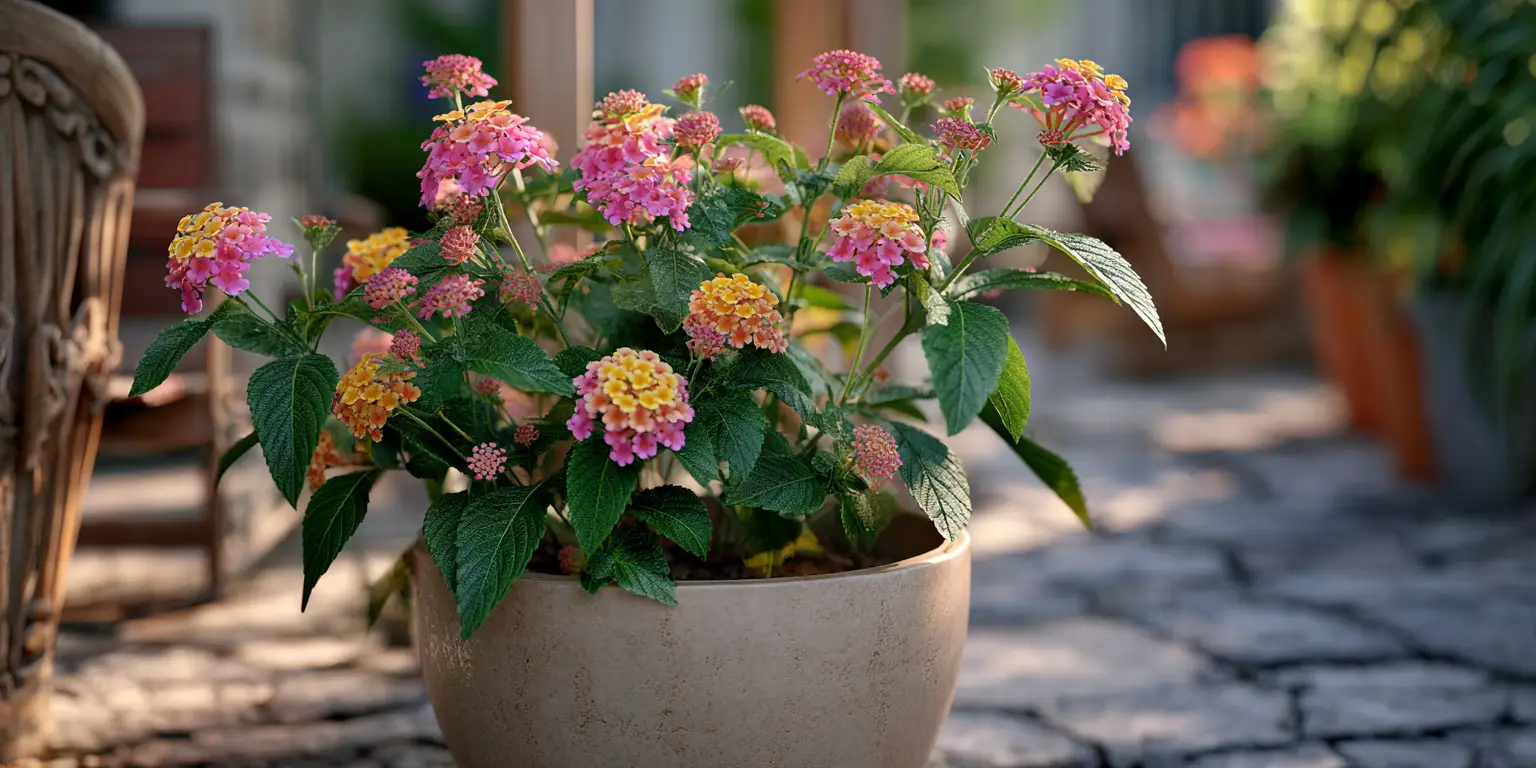
Water new transplants deeply two to three times per week for the first two weeks, depending on weather. In cool spring conditions one deep soak per week may be enough. A deep soak means delivering water until the top six to eight inches (15 to 20 cm) of soil are moist. After three to four weeks reduce to a deep soak every seven to ten days if there is no rain. Always allow the top inch of soil to dry between waterings. Constantly wet soil slows root growth and reduces flowering. Established lantana tolerates dry spells. In average summers, water every ten to fourteen days in the ground and once or twice per week in containers, adjusting for heat and wind. During heat spikes above 95 °F (35 °C), check beds every few days and containers daily. If leaves flag by late afternoon but recover by morning, you are on target. If leaves stay limp by morning, increase the depth of each watering. Avoid daily sprinklings that only wet the surface. Spread two to three inches (5 to 7.5 cm) of shredded bark, pine straw, or a comparable organic mulch. Keep mulch pulled back two to three inches (5 to 7.5 cm) from stems to prevent crown rot. In very hot climates use a light colored mulch to reflect heat. In arid climates a thin layer of fine gravel beneath the organic mulch can moderate temperature swings. Refresh mulch each spring after you complete pruning. Lantana is sensitive to poor drainage. If your bed stays wet after storms, shift to containers or rebuild the bed. If your water supply is very hard or saline, leach containers monthly by watering until water runs freely from the drain holes, then wait for the mix to dry back. In coastal gardens lantana tolerates moderate salt spray which makes it useful near driveways and sidewalks where deicing salts may splash in winter in warmer zones.
Feeding
Lantana is not a heavy feeder. Too much nitrogen pushes leafy growth and reduces bloom. In average soils, broadcast a light application of a balanced slow release fertilizer in early spring, about one half of the label rate for flowering shrubs. In containers, blend a slow release fertilizer into the potting mix at planting at the label rate, then supplement with a light top dress midsummer if growth stalls. Balanced formulas in the 8 8 8 to 12 12 12 range work well when used lightly. Organic blends around 5 3 3 also perform well in improved soils. If your soil test already shows medium to high phosphorus, choose a low phosphorus blend. Avoid continuous liquid feeding unless plants are in small containers that leach quickly. If you see lush leaves with few flowers, reduce feeding and increase light. Aim for that three to five percent organic matter band. Incorporate compost when you prepare the bed rather than layering undecomposed material beneath the root ball. Top dress annually with one half inch (1.25 cm) of compost under the mulch. Retest soil every two to three years to track pH and nutrient trends. Correct deficiencies before the next planting season rather than guessing mid season. Do not feed fall planted lantana in warm zones. Allow roots to settle through winter. Skip feeding any plant that shows drought stress or root rot. Correct the cause first. In low fertility native sands you can feed a little more often, but always err on the light side and watch the plant’s response.
Pruning & Support
Many modern cultivars are self cleaning, yet light deadheading still encourages a compact habit. Use hand pruners to remove spent clusters where a new side shoot is forming. Tip pinch new growth on young plants to trigger branching. For established shrubs, perform a harder cutback in late winter or very early spring in frost free zones, reducing the plant by one third to one half to renew flowering wood. In annual plantings, shear lightly in midsummer if plants become leggy, then water and feed lightly to restart the bloom cycle. In Zones 9 to 11, rake away old leaves from the base in late winter. Remove any winter dieback to sound green tissue. In Zones 6 to 8, wait until spring growth begins before cutting away frost killed stems. If a freeze is forecast after new growth emerges, cover the plant overnight with breathable fabric and secure the edges to the ground. Most lantanas have sturdy stems and do not need stakes. Tree form standards do need a central stake for the first season in windy sites. Tie with a soft figure eight tie and check monthly so the tie does not girdle the stem. Trailing forms in hanging baskets need no support, but they benefit from an early pinch at each shoot tip for a fuller spill. Clean and disinfect pruners between plants and after removing any diseased tissue. Wipe soil away, then swab blades with a cloth soaked in 70 percent alcohol. Let the blades dry before moving to the next plant. This simple habit limits the spread of bacterial leaf spot or any opportunistic pathogens in wet summers. Keep a small bottle of alcohol and a rag in your tool caddy so this step is easy to do every time.
Overwintering
In Zones 9 to 11, mulch the root zone in late fall with two to three inches (5 to 7.5 cm) of organic mulch. In areas with rare frosts, cover plants overnight with breathable frost cloth when temperatures are predicted to dip below 28 °F (−2 °C). Remove covers each morning once temperatures rise. After the cold event, wait to prune until you see where green growth resumes. In Zone 8, build a wider mulch ring in late fall using four inches (10 cm) of pine straw or shredded leaves to buffer the crown from freeze to thaw cycles. Do not pile mulch directly against stems. If a prolonged hard freeze is forecast, tent the plant with cloth and secure edges to trap ground heat. Even with protection, expect some stem dieback and be prepared to cut back hard in spring. Before the first frost, move pots indoors to a bright sunroom or to a cool bright garage with a window. There are two workable approaches. For active growth, keep plants near a sunny window at 60 to 65 °F (16 to 18 °C). Water when the top inch is dry. For semi dormant storage, cut plants back by one third to one half, place them where temperatures hold near 45 to 55 °F (7 to 13 °C), and water only enough to keep the mix from going bone dry. In either case, check monthly for whiteflies or mites and rinse foliage if pests appear. In spring, remove extra mulch as soon as new shoots extend one to two inches (2.5 to 5 cm). Resume regular watering. In containers that overwintered indoors, repot into fresh mix if roots circle the pot. Set plants outdoors for one week of acclimation before full sun, beginning with bright shade and increasing exposure day by day. Rodent damage is uncommon on lantana due to aromatic foliage. Deer usually avoid it, although very hungry deer can sample almost any plant. Use fencing or repellents if browse becomes a problem in winter when other food is scarce.
Growing Environments
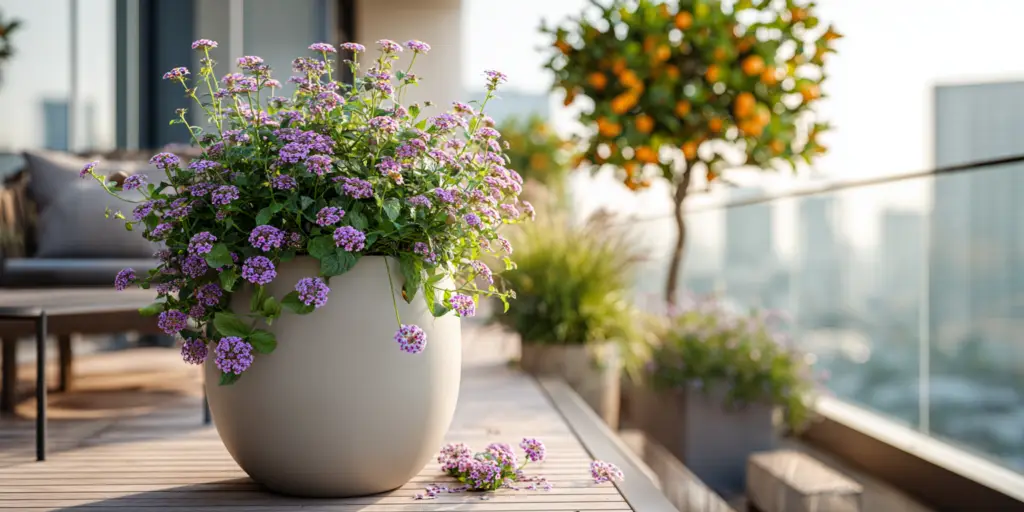
Compact lantanas perform well in patio containers and hanging baskets. Use at least a 12 to 16 inch (30 to 40 cm) diameter pot for small selections and an 18 to 24 inch (45 to 60 cm) pot for medium shrub forms. Tree form standards need a heavy container to resist wind. Ensure two or more drainage holes and elevate pots on feet so water does not pool under the base. Use a peat or coir based mix amended with perlite or pine bark for structure. A simple and effective recipe is two parts high quality container mix to one part fine bark, which improves drainage and air space. Add slow release fertilizer at planting. Water until you see steady flow from the drain holes, then allow the top inch to dry before the next soak. Avoid trays that hold standing water. Lantana is excellent along south or west facing walls where reflected heat increases flowering. In desert heat, morning sun with bright afternoon light keeps plants blooming without stress. In windy coastal sites, choose trailing lantana on banks or cascading over walls where stems can move without snapping. On shaded porches, use the brightest position available and accept a lighter bloom count. Rotate containers a quarter turn every two weeks so all sides receive sun and stay even. Lantana is not a long term houseplant. It can decorate a bright window for a few weeks, but it needs full sun outdoors to maintain dense growth and heavy flowering. If you bring a pot indoors for an event, return it outdoors within a week or two and resume normal sun exposure.
Companion Planting & Design
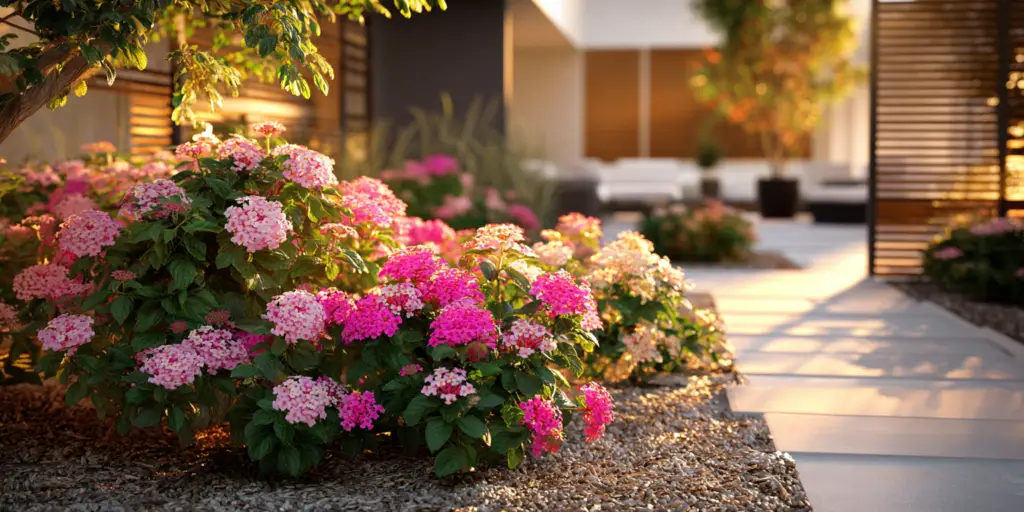
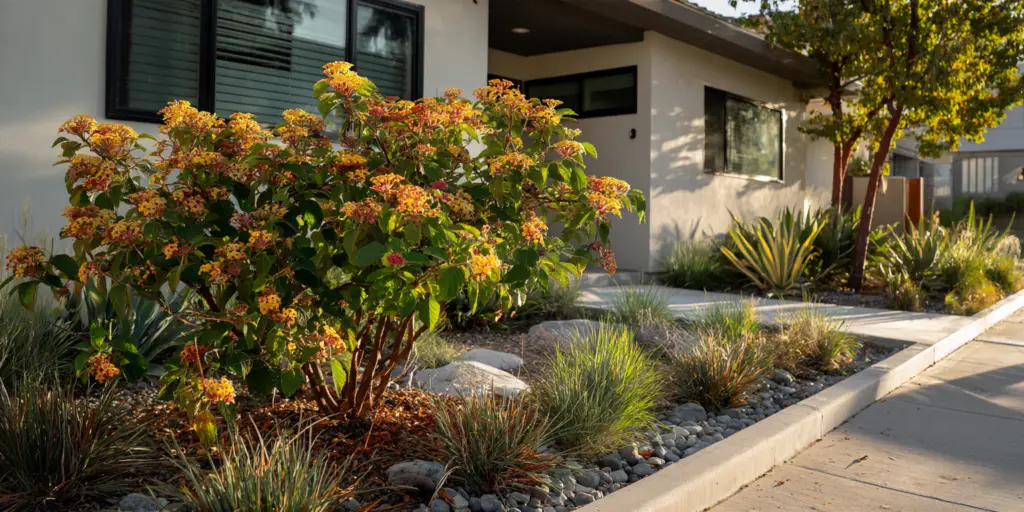
Lantana’s multi tone clusters pair well with cool companions that make the warm shades pop. Blue and violet salvias, scaevola, and fan flower give a clean contrast. Silver foliage such as licorice plant or artemisia cools the composition. In butterfly gardens, combine lantana with zinnia, cosmos, and pentas for nectar from late spring to frost. For pastel schemes use white or soft pink forms with airy grasses. Companion plants should leave space around lantana for air to move. Crowding reduces bloom and invites foliar issues after summer storms. Place lower mounding annuals twelve to eighteen inches (30 to 45 cm) in front of compact lantanas. For medium shrubs, leave twenty four to thirty six inches (60 to 90 cm) to the next tall neighbor. Keep irrigation emitters aimed at the root zone rather than the foliage. Avoid tall dense screens immediately upwind of lantana in humid climates. Choose tubular flowers and generous nectar to bring in butterflies and hummingbirds. Salvia, cuphea, and native milkweeds complement lantana’s season long display. Stagger bloom times so something is always in flower. Leave a sun warmed flat stone nearby where butterflies can bask. Avoid broad spectrum insecticides that harm non target visitors. A quick hose rinse often clears minor whiteflies or mites without residue. Trailing lantana knits into a low mat and flows over slopes. Space plants thirty to forty eight inches apart (75 to 120 cm) and allow room for spread. In medians and parkways where heat and salt are factors, lantana’s resilience shines. For mixed borders, use compact mounding forms at the front where they knit between perennials, and place taller shrub types mid border where their color anchors long beds. In parts of the South and West, native lantanas such as Lantana urticoides are used in xeric designs and wildlife plantings. These species and their forms share similar cultural needs with Lantana camara. If you garden in a warm climate where common lantana escapes cultivation, select sterile or regionally appropriate cultivars as recommended by your local Extension office. This simple choice supports your design goals while respecting nearby natural areas.
References
- North Carolina Extension Gardener Plant Toolbox. Lantana camara.
- UF IFAS Gardening Solutions. Lantana.
- UF IFAS Assessment and Recommendations. Lantana.
- UC IPM. Whiteflies on Landscape Plants.
- ASPCA Animal Poison Control. Lantana.
Written by: Your Flowers Guide editorial team
We are a small independent group of flower lovers who research and review each guide using trusted horticultural and educational sources. Learn more about us