
in bloom
now
through Oct
Bloom calendar
Lantana montevidensis
Species; trailing woody shrub
At‑a‑glance
- Group/Class: Species; trailing woody shrub
- Height × spread: 1 to 1.5 ft (0.3 to 0.45 m) × 3 to 5 ft (0.9 to 1.5 m)
- Bloom window: spring to fall; extended in frost-free zones
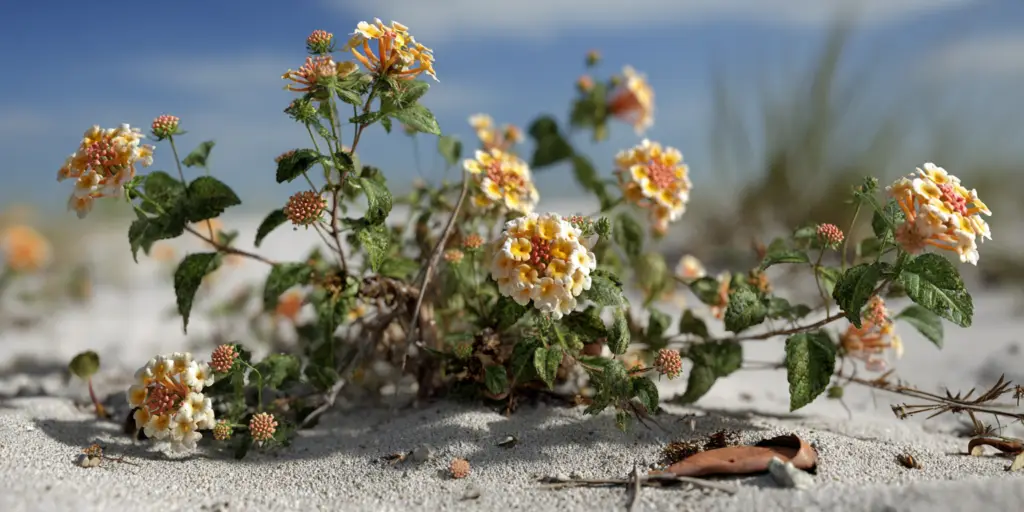
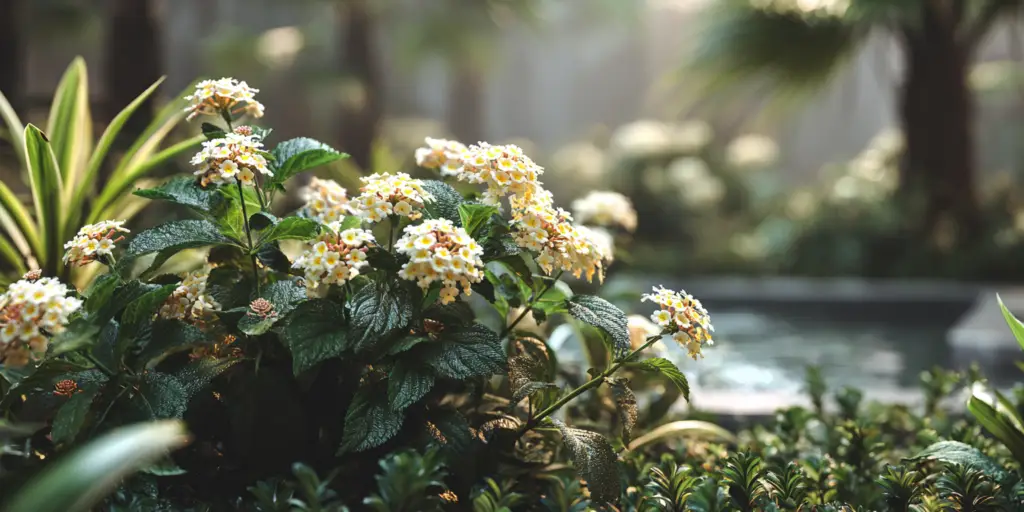
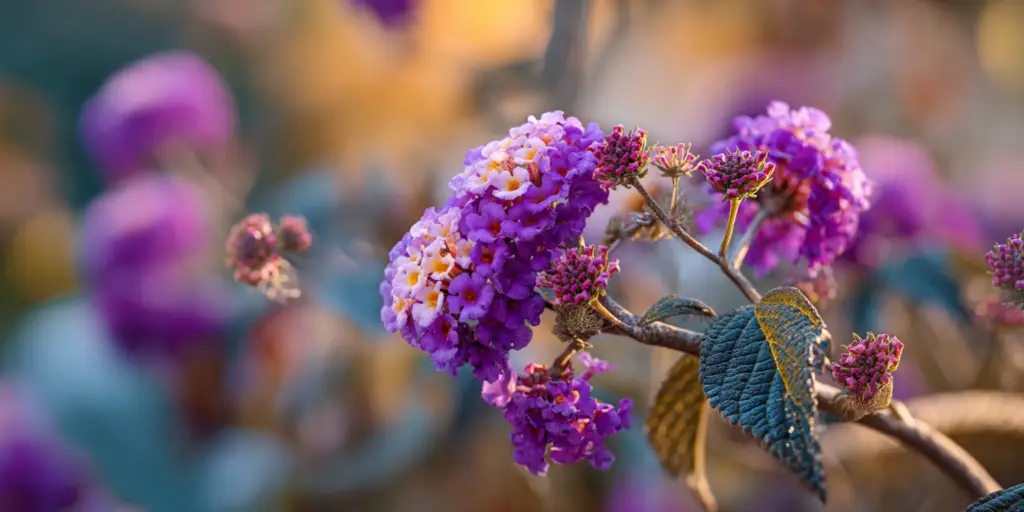
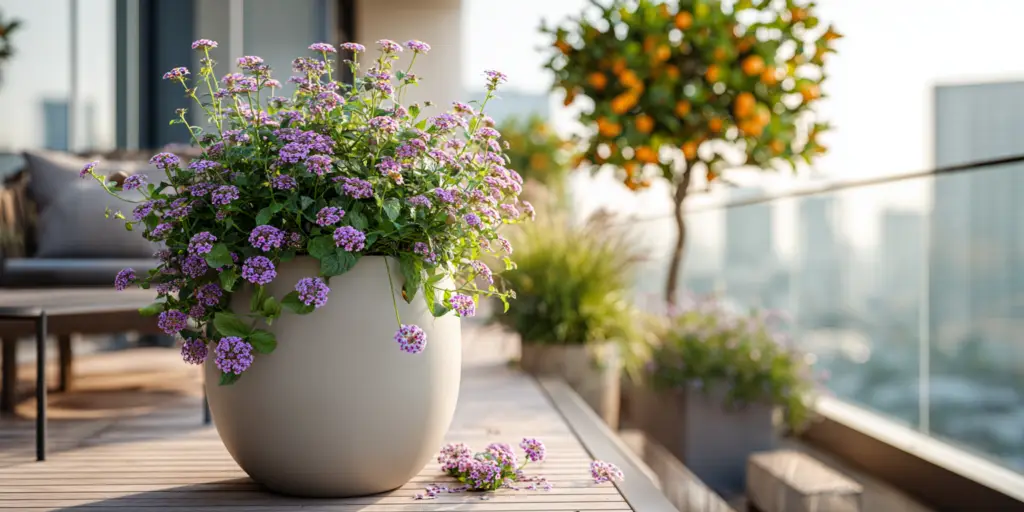
- Color & flower form: rounded clusters of small tubular flowers in lavender to purple or white
- Fragrance: 0 none
- USDA hardiness: perennial in zones 8 to 10; grown as annual where colder
- Breeder / Year / Origin: unknown; native to South America
- Pet safety: avoid
How it differs
- Prostrate to cascading habit instead of upright mounds.
- Narrower color range focused on lavender or white.
- Often root-hardy farther north than many upright types.
- Useful on slopes and walls where stems can trail.
Strengths
- Tolerates coastal conditions and heat once established.
- Handles drought after establishment in well-drained soil.
- Attracts butterflies and small pollinators.
- Low maintenance with occasional trimming.
Care in one minute
Choose full sun and fast-draining soil; raised beds help in wet climates.
Irrigate to establish; then water when the top inch of soil is dry.
Avoid heavy fertilization; trim lightly to keep edges neat.
In zone 8, mulch crowns in winter to help roots overwinter.
Remove spent clusters if seed set is a concern near natural areas.
Watch‑outs
- Predicted invasive in Florida and not recommended there without special management.
- Leaves may irritate skin when bruised.
- Unripe fruits are poisonous if eaten.
- Dies back to roots with significant freezes.
Best uses (tags)
Provenance note
A South American species naturalized in many warm regions, it is widely grown as trailing lantana. White selections are common in mild coastal landscapes.
References
- North Carolina Extension Gardener Plant Toolbox – Lantana montevidensis
- Missouri Botanical Garden Plant Finder – Lantana montevidensis
- USDA PLANTS – Lantana montevidensis
- UF/IFAS Assessment – Lantana montevidensis
Similar Flowers
Enjoying our flower guides? Add YourFlowersGuide as a preferred source on Google. It helps more readers find us.
Add to Preferred Sources